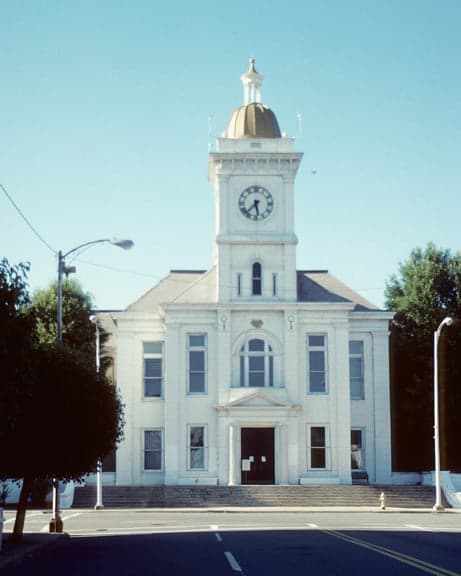
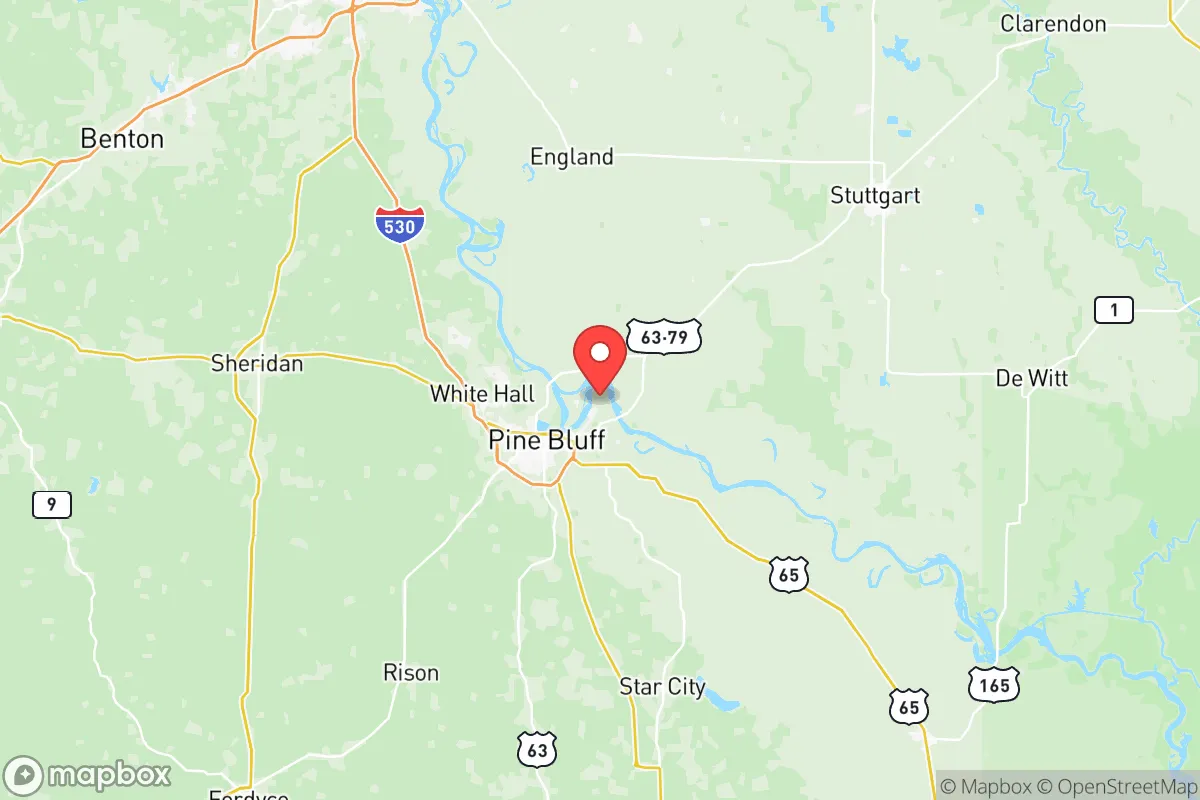
Photo: Wikipedia
Quality of Life in Jefferson County
A livable area that tracks near national norms for affordability, walkability, and neighborhood health.
What does Quality of Life tell us?
Quality of Life measures an area by evaluating factors like cost of living, nearby amenities, country club access, airport proximity, socioeconomic signals and neighborhood character. For large states, this is a general average — quality of life can vary dramatically between metro areas, suburbs, and rural communities within the same state.
What does this tell us?
Quality of Life measures an area by evaluating factors like cost of living, nearby amenities, country club access, airport proximity, socioeconomic signals and neighborhood character. For large states, this is a general average — quality of life can vary dramatically between metro areas, suburbs, and rural communities within the same state.
Cost of Living
41% below national average
144%
The Real Cost of Living in Jefferson County for 2026
| Tier | Individual | Family (4) |
|---|---|---|
| Survival | $14k | $25k |
| Comfortable | $23k | $34k |
| Luxury | $88k+ | $136k+ |
| Elite (Top 5%) | $107k+ | $166k+ |
Quality-of-Life Analysis
Jefferson County, Arkansas, offers a broad quality-of-life spectrum anchored by the urban center of Pine Bluff, surrounded by smaller towns and rural farmland. The county attracts residents seeking very low living costs, with a cost-of-living index of 59 (41% below the U.S. average), a median home value of $106,000, and median rent of $849. The character of daily life shifts dramatically between the county seat’s historic downtown and the quiet subdivisions of White Hall or the agricultural hamlets of Altheimer and Wabbaseka, making it a place where both city-oriented and rural lifestyles coexist within a short commute.
Largest town(s) & population centers
Pine Bluff is the county’s largest city and economic hub, home to roughly 40,000 residents. Daily life here centers on a mix of historic architecture, the University of Arkansas at Pine Bluff, and regional employers such as the Jefferson Regional Medical Center and the Pine Bluff Arsenal. The city offers cultural amenities like the Arts & Science Center for Southeast Arkansas and the Delta Rivers Nature Center, but also faces challenges with property crime and population decline. White Hall, just north of Pine Bluff, is the second-largest population center (about 5,000 residents) and functions as a suburban bedroom community. It features newer housing developments, a strong school district, and a lower crime profile, family-oriented atmosphere. The average commute across the county is just 21.4 minutes, so residents of White Hall can work in Pine Bluff while enjoying quieter streets and larger lots.
Smaller towns & rural pockets
South of Pine Bluff, Altheimer (pop. ~800) is a classic Delta farming town with a historic downtown and a strong sense of community, though retail options are minimal. Wabbaseka (pop. ~500) is even smaller, with a few churches and a post office, surrounded by soybean and rice fields. To the north, Redfield (pop. ~1,200) sits along the Arkansas River and offers a mix of rural homes and small-lot subdivisions, with easy access to Interstate 530 for commuters heading toward Little Rock (about 30 minutes north). Sherrill (pop. ~50) and Moscow (pop. ~200) are unincorporated communities where life revolves around agriculture and local hunting leases. These rural pockets lack grocery stores and medical clinics, so residents typically drive 15–25 minutes to Pine Bluff or White Hall for errands.
Cost & lifestyle range
The cost spread across Jefferson County is narrow in absolute terms but meaningful in lifestyle. At the low end, older homes in Pine Bluff’s central neighborhoods can sell for under $60,000, and rental units in the city’s core often rent for $600–$700 per month. The county’s median home value of $106,000 is roughly half the national figure, and the cost-of-living index of 59 makes it one of the most affordable counties in Arkansas. At the higher end, newer subdivisions in White Hall and Redfield feature homes in the $150,000–$250,000 range, with rents climbing to $900–$1,100 for three-bedroom houses. Amenities follow the same gradient: Pine Bluff has a Walmart Supercenter, a regional hospital, and fast-food chains, while White Hall adds a public library, a golf course, and a growing retail corridor along U.S. Highway 65. Rural areas like Altheimer and Wabbaseka have no chain stores; residents rely on local gas stations and weekly trips to Pine Bluff for groceries. The average commute of 21 minutes holds steady across the county because most destinations are within a 15–25 minute drive.
Jefferson County suits residents who prioritize low housing costs and short commutes over urban density or high-end amenities. Families often choose White Hall for its schools and safety, while retirees and remote workers are drawn to the cheap land and quiet of Altheimer or Redfield. Pine Bluff offers a more urban experience with cultural institutions and employment, but requires tolerance for higher crime rates and aging infrastructure. The county’s mix of small-city, suburban, and rural life means that a wide range of budgets and lifestyle preferences can find a fit within a 30-minute radius.

Crime in Jefferson County
Crime rates similar to the national median for U.S. locations.
Violent CrimeViolent Crime Analysis
Property CrimeProperty Crime Analysis
Crime Analysis
Jefferson County, Arkansas, reports a violent crime rate of 523.1 per 100,000 residents and a property crime rate of 1,634.7 per 100,000, placing it among the more dangerous counties in the state. The county's largest city, Pine Bluff, drives the majority of these figures, while smaller communities such as White Hall, Redfield, and Altheimer experience significantly lower incident densities. Residents and prospective movers should weigh these statistics against the county's ongoing efforts to reform public safety, though the influence of local prosecutorial policies remains a point of concern.
Crime in context
Jefferson County's violent crime rate of 523.1 per 100K is roughly 1.4 times the Arkansas state average (about 370 per 100K) and nearly 1.5 times the national rate (approximately 370 per 100K as of 2024). Property crime at 1,634.7 per 100K is slightly above the state average of 1,550 per 100K and well above the national figure of roughly 1,200 per 100K. Much of this disparity stems from Pine Bluff, which consistently ranks among the most violent small cities in the U.S. In contrast, White Hall — a suburb just north of Pine Bluff — reports violent crime rates closer to 200 per 100K, and Redfield, a smaller town near the Grant County line, county line, sees rates below 150 per 100K. The presence of progressive district attorneys and judges in Jefferson County's 11th Judicial District has been cited by local law enforcement as a factor in repeat-offender cycles, with critics arguing that lenient plea deals and reduced sentencing for violent offenders undermine deterrence and public safety.
What residents experience
Daily life for Jefferson County residents varies sharply by location. In Pine Bluff, property crimes such as vehicle theft and burglary are common, and residents often report feeling unsafe walking alone after dark in downtown or near the University of Arkansas at Pine Bluff. The city's homicide rate — roughly 30 per 100K in recent years — is a persistent concern. In White Hall and Redfield, residents describe a more suburban atmosphere with occasional thefts but few violent encounters. Altheimer, a small rural community in the southern part of the county, experiences low crime but limited police coverage, meaning response times can exceed 20 minutes. Across the county, the perception of safety is heavily influenced by the judicial philosophy of the 11th Judicial District: progressive policies that prioritize diversion and rehabilitation over incarceration have been linked to higher recidivism, leaving victims and law-abiding residents frustrated with a system they view as soft on crime.
Neighborhood-level variation is pronounced. Within Pine Bluff, the area around Pines Mall and the central business district sees the highest concentration of both violent and property offenses, while the residential neighborhoods west of U.S. Highway 65 (such as the Country Club area) report rates comparable to White Hall. Outside Pine Bluff, the unincorporated areas near the Arkansas River and the Jefferson County Industrial Park experience sporadic theft but very little violent crime. For those considering relocation, the safest bets are White Hall, Redfield, and the rural pockets around Wabbaseka, where progressive judicial influence has less direct impact on daily safety. However, any property within Jefferson County is subject to the same district attorney's office, meaning that the overall prosecutorial climate — one that often prioritizes offender rehabilitation over victim justice — should give prospective residents pause before committing to the area.
* Values derived from national, state, county, city and local statistics and may differ in a specific area. Last updated: 2026-05-17T23:35:16.000Z
Narrative content on this page is AI-generated and may contain mistakes. Verify any details that matter before acting on them.
ReloMaps may earn a commission from affiliate links at no extra cost to you.

