


Photo: Wikipedia
Quality of Life in Anaheim, CA
A high quality of life with strong walkability, manageable living costs, healthy neighborhood signals, and solid amenity access.
What does Quality of Life tell us?
Quality of Life blends cost of living, nearby amenities, socioeconomic signals, and neighborhood character. City-level scores represent the whole municipality; individual neighborhoods can differ.
What does this tell us?
Quality of Life blends cost of living, nearby amenities, socioeconomic signals, and neighborhood character. City-level scores represent the whole municipality; individual neighborhoods can differ.
Cost of Living
117% above national average
The Real Cost of Living in Anaheim, CA for 2026
| Tier | Individual | Family (4) |
|---|---|---|
| Survival | $33k | $62k |
| Comfortable | $102k | $150k |
| Luxury | $150k+ | $233k+ |
| Elite (Top 5%) | $177k+ | $274k+ |
60%
The Area Signal
A metric tracking the socioeconomic signals of the area.
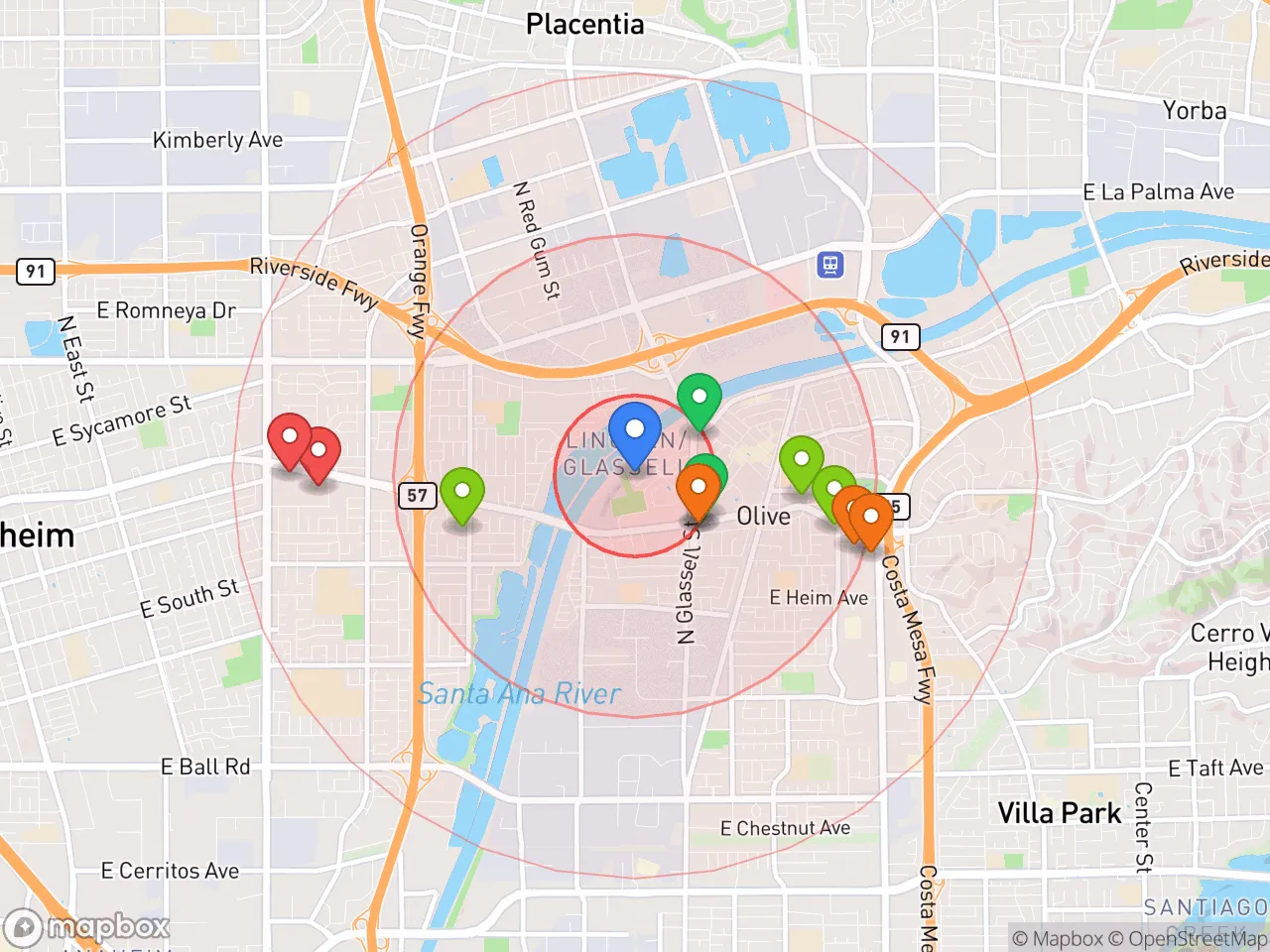
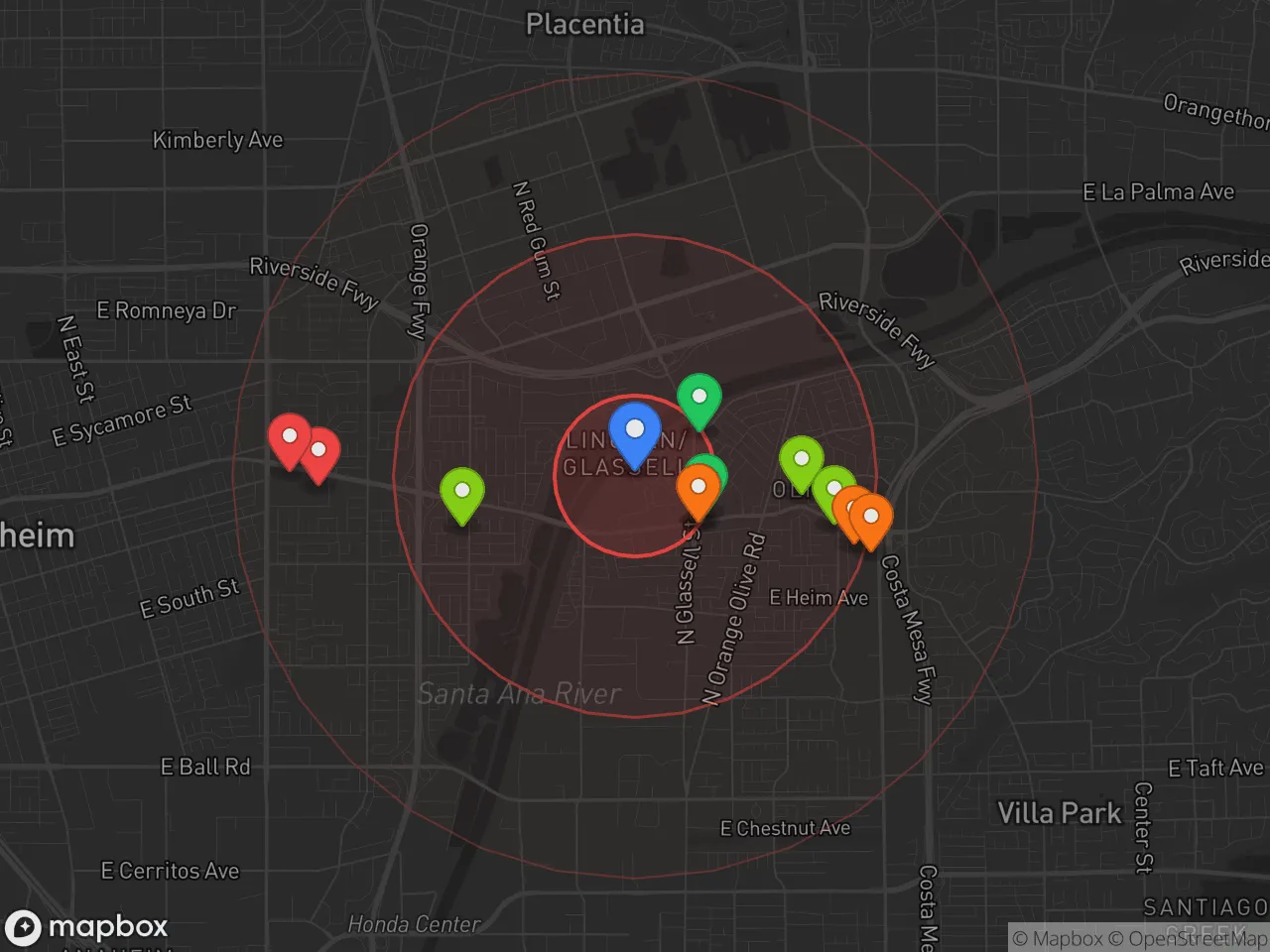
Hobbies
Explore the areaGroceries
7 within 10 miles
Gas
20 within 10 miles
Hospital
20 within 20 miles
Airport
SAN — San Gabriel Valley
Post Office
USPS — Orange, CA
Critical Amenities
Quality-of-Life Analysis
Anaheim presents a complex quality-of-life picture shaped by its position as both a major tourist destination and a densely populated residential city of roughly 345,000 residents. The city’s cost of living index of 217 (more than double the U.S. average) places it firmly in Southern California’s expensive tier, attracting a mix of long-established working-class families, Disney-adjacent professionals, and commuters who trade space for proximity to Orange County’s job centers. Median household income hovers around $82,000, meaning many residents allocate a significant portion of earnings to housing and transportation.
Cost of living, housing affordability, and how Anaheim compares to nearby cities
Anaheim’s housing market is expensive but notably less punishing than coastal Orange County cities like Newport Beach or Huntington Beach. The median home value of $771,700 is roughly $200,000 below the county median, while the median rent of $2,082 undercuts nearby Irvine (where one-bedroom apartments often exceed $2,500). Even so, a household earning the area median income would need to spend roughly 30-35% of gross income on a mortgage at current rates, pushing affordability out of reach for many service-sector workers. The average commute of 28.2 minutes is slightly longer than the national average, reflecting the reality that many residents drive to jobs in Santa Ana, Irvine, or Los Angeles County. Property taxes in Anaheim are capped at roughly 1.1% of assessed value under California’s Proposition 13, but newer buyers face higher effective rates due to the 2018 SALT deduction cap.
Neighborhood amenities, school quality, and the daily rhythm of life
Daily life in Anaheim is defined by its stark contrasts: the tourist corridor along Harbor Boulevard and Katella Avenue, dominated by Disneyland Resort and the Anaheim Convention Center, sits just blocks from quiet residential neighborhoods like the Colony Historic District and the tree-lined streets of Anaheim Hills. The Anaheim Union High School District serves most of the city and includes several well-regarded schools such as Canyon High School (rated 8/10 on GreatSchools) and Oxford Academy, a nationally ranked magnet school. For younger families, the Anaheim Elementary School District offers dual-language immersion programs at schools like Juarez Elementary. Parks and recreation are abundant: the 160-acre Yorba Regional Park provides bike trails and lake access, while the Anaheim Packing District has become a hub for food halls and weekend farmers markets. The city’s walkability is low outside of the resort area, and most errands require a car. Crime rates are mixed—property crime is higher than the national average (roughly 35 incidents per 1,000 residents), while violent crime is slightly below Orange County’s median.
Anaheim works best for households that prioritize job access and entertainment over space and quiet. Families who can afford the Anaheim Hills or West Anaheim neighborhoods gain good schools and safer streets, while renters near the ARTIC transit station benefit from Metrolink connections to Los Angeles and San Diego. The city’s large Latino population (over 50%) gives it a distinct cultural identity that contrasts with whiter, wealthier Orange County enclaves. For professionals working in hospitality, healthcare (Kaiser Permanente and UCI Medical Center are major employers), or tech-adjacent roles in nearby Irvine, Anaheim offers a more affordable entry point into the region—but the trade-offs in commute time, school quality variability, and property crime are real. Retirees and luxury buyers will find better value in neighboring Placentia or Yorba Linda, while young singles may prefer the nightlife of Fullerton or Costa Mesa.

Crime in Anaheim, CA
WARNING: The crime statistics are unreliable for this jurisdiction. Local authorities have either not reported or under reported their data to the FBI. This could be due to bad intentions, incompetence or technical issues. Regardless, we suggest skepticism.
Higher crime rates than 71% of comparable U.S. locations.
Violent CrimeViolent Crime Analysis
Property CrimeProperty Crime Analysis
Crime Analysis
Anaheim, California, reports a violent crime rate of 546.2 incidents per 100,000 residents and a property crime rate of 1,720.7 per 100,000, placing it above both state and national averages for public safety risk. These figures reflect a city where crime is a tangible concern for residents and visitors, particularly in a large metro area where progressive justice policies have been linked to higher recidivism and reduced accountability for offenders. The overall safety picture is one of elevated caution, with the city's crime rates signaling systemic challenges that directly impact daily life.
Crime in context
Anaheim's violent crime rate of 546.2 per 100,000 is roughly 40% higher than the national average of approximately 380 per 100,000 and significantly exceeds California's statewide rate of about 442 per 100,000. Property crime in Anaheim, at 1,720.7 per 100,000, also outpaces the national average of roughly 1,950 per 100,000 but is notably higher than many comparable Orange County suburbs. These numbers place Anaheim in a tier with other large, densely populated metro hubs where progressive district attorneys and judges have implemented policies such as reduced bail, sentence reductions, and diversion programs. While intended to reduce incarceration, these approaches have been criticized for putting more offenders back on the street, undermining deterrence, and leaving victims with diminished recourse. The result is a crime environment where residents face elevated risks compared to neighboring cities with more traditional law-and-order stances.
What residents experience
For those living in Anaheim, the high property crime rate translates into frequent reports of vehicle break-ins, package thefts, and residential burglaries, particularly in areas near major tourist corridors like the Disneyland Resort and the Anaheim Convention Center. Violent crime, while less common, includes aggravated assault and robbery, with incidents concentrated in certain commercial districts and lower-income neighborhoods. Residents often report feeling unsafe walking alone at night in parts of the city, and community surveys consistently rank crime as a top concern. The influence of progressive judicial policies means that even when arrests are made, offenders may face minimal consequences, leading to a sense of frustration among victims who see repeat offenders cycling through the system. This dynamic erodes trust in public safety institutions and encourages residents to invest in private security measures, from alarm systems to neighborhood watch programs.
Neighborhood-level variation is significant in Anaheim. The Anaheim Hills area, a more affluent and suburban enclave, experiences substantially lower crime rates than the city average, with violent crime roughly 60% below the citywide figure. In contrast, central Anaheim neighborhoods like the Resort District and parts of West Anaheim see higher concentrations of theft, vandalism, and drug-related offenses. The city's proximity to Los Angeles and its role as a regional tourist hub also contribute to transient crime, with opportunistic thefts and scams targeting visitors. For prospective residents, choosing a neighborhood with a strong local police presence and active community engagement is critical to mitigating the risks posed by the broader justice system's leniency.
* Values derived from national, state, county, city and local statistics and may differ in a specific area. Last updated: 2026-04-24T03:37:24.000Z
Narrative content on this page is AI-generated and may contain mistakes. Verify any details that matter before acting on them.
ReloMaps may earn a commission from affiliate links at no extra cost to you.

