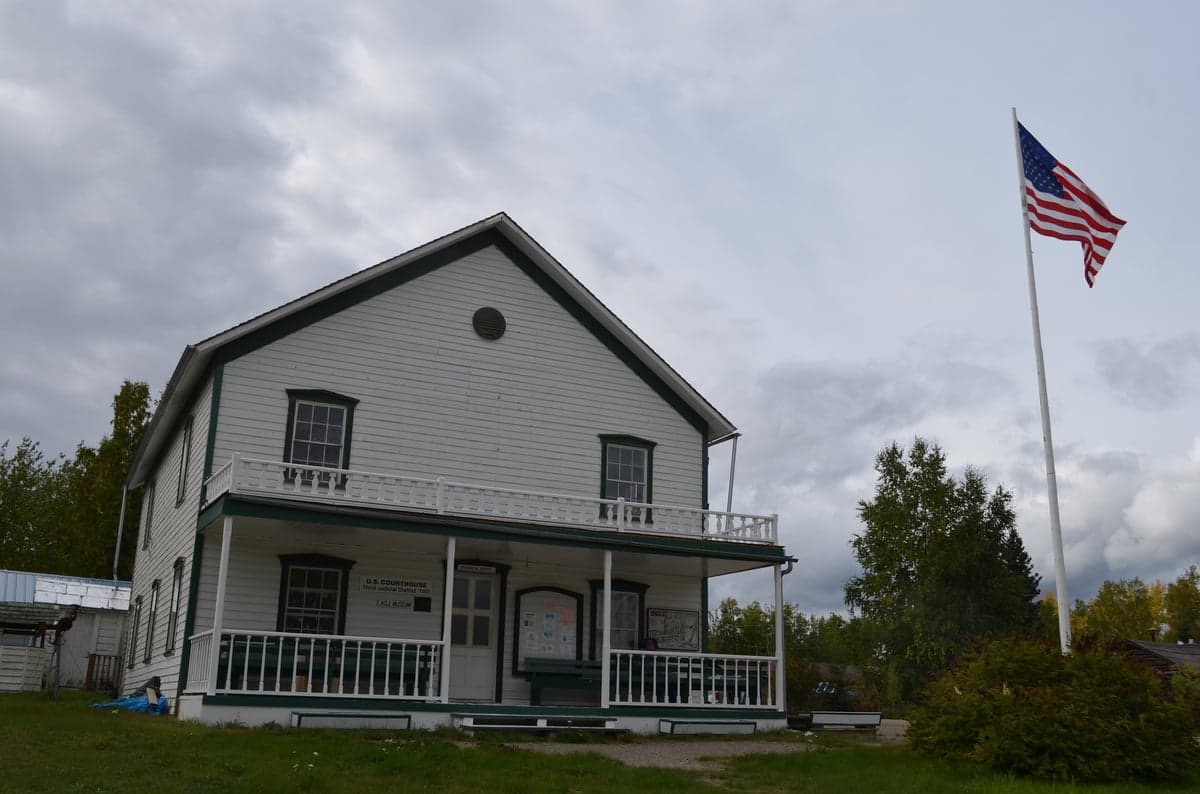
Photo: Wikipedia
Quality of Life in Southeast Fairbanks County
A livable area that tracks near national norms for affordability, walkability, and neighborhood health.
What does Quality of Life tell us?
Quality of Life measures an area by evaluating factors like cost of living, nearby amenities, country club access, airport proximity, socioeconomic signals and neighborhood character. For large states, this is a general average — quality of life can vary dramatically between metro areas, suburbs, and rural communities within the same state.
What does this tell us?
Quality of Life measures an area by evaluating factors like cost of living, nearby amenities, country club access, airport proximity, socioeconomic signals and neighborhood character. For large states, this is a general average — quality of life can vary dramatically between metro areas, suburbs, and rural communities within the same state.
Cost of Living
5% above national average
99%
The Real Cost of Living in Southeast Fairbanks County for 2026
| Tier | Individual | Family (4) |
|---|---|---|
| Survival | $21k | $39k |
| Comfortable | $51k | $75k |
| Luxury | $123k+ | $191k+ |
| Elite (Top 5%) | $145k+ | $225k+ |
Quality-of-Life Analysis
Southeast Fairbanks County, Alaska, offers a quality-of-life spectrum that ranges from the modest regional hub of Delta Junction to remote, off-grid homesteads along the Tanana River. The county’s character is defined by its position at the intersection of the Alaska Highway and the Richardson Highway, drawing a mix of military-affiliated families, long-term Alaskans seeking affordable land, and self-sufficient individuals pursuing a rural lifestyle. Daily life varies dramatically depending on whether one lives in the county’s largest town, a smaller community, or a truly isolated rural pocket.
Largest town(s) & population centers
Delta Junction is the county’s primary population center, home to roughly 1,000 residents and serving as the commercial and administrative hub. Daily life here revolves around the Alaska Highway corridor, with grocery stores, hardware stores, a medical clinic, and the Delta Junction Elementary/High School. The nearby Fort Greely military installation provides a stable employment base and brings a transient population of service members. Housing in Delta Junction is relatively affordable compared to Anchorage or Fairbanks, with median home values around $262,800 and median rents of $1,304. The average commute in the county is a short 15.3 minutes, reflecting the compact nature of the town and the fact that many residents work locally or at Fort Greely. Tok, located at the junction of the Alaska and Glenn Highways, is the other significant population node, with a similar small-town feel but a stronger tourism and highway-services economy. Life in both towns is quiet, with limited nightlife but strong community ties and easy access to outdoor recreation.
Smaller towns & rural pockets
Beyond the main highway towns, Southeast Fairbanks County contains a scattering of smaller communities and unincorporated areas. Dot Lake, a small Athabascan village along the Alaska Highway, offers a more traditional subsistence-oriented lifestyle with a population under 100. Healy Lake and Dry Creek are tiny, unincorporated settlements where residents often live on large parcels of land, relying on wells, septic systems, and generators. The Tanana River corridor south of Delta Junction contains isolated homesteads accessible only by riverboat or winter trail, representing the most remote end of the spectrum. These areas attract people seeking maximum privacy and self-sufficiency, with no municipal services and a need for off-grid power and water. The contrast between a paved-road home in Delta Junction and a river-access cabin near Healy Lake is stark, yet both fall within the same county.
Cost & lifestyle range
The cost of living index for Southeast Fairbanks County is 105, slightly above the national average, but this figure masks wide variation. In Delta Junction and Tok, housing costs are moderate by Alaska standards, with a typical three-bedroom home selling for $250,000–$300,000 and monthly utilities running $200–$400 due to heating oil costs. In contrast, land in remote areas like the Goodpaster River valley or Big Delta can be purchased for under $20,000 per acre, but the cost of building and maintaining an off-grid home—solar panels, fuel storage, water hauling—can push total expenses higher. Amenities also vary: Delta Junction has a library, a small airport, and a seasonal farmers market, while residents of Tanacross or Northway may drive 60 miles for groceries. The lifestyle range is essentially a trade-off between convenience and solitude, with the highest costs concentrated in the town centers and the lowest land prices in the most remote areas.
This county is best suited for people who value independence, outdoor recreation, and a slower pace of life, and who are comfortable with long winters and limited services. Military families at Fort Greely, highway workers in Tok, and homesteaders along the Tanana all find a niche here, but the common thread is a willingness to adapt to Alaska’s interior environment. Those seeking urban amenities or a strong job market should look elsewhere, but for self-reliant individuals and families who prioritize space and quiet, Southeast Fairbanks County offers a genuine spectrum of affordable, rural living options.

Crime in Southeast Fairbanks County
Higher crime rates than 66% of comparable U.S. locations.
Violent CrimeViolent Crime Analysis
Property CrimeProperty Crime Analysis
Crime Analysis
Southeast Fairbanks County, a vast interior region anchored by the city of Delta Junction and extending to the Canadian border, presents a crime and safety profile that diverges sharply from both state and national averages. The county's violent crime rate stands at 732.2 incidents per 100,000 residents, while property crime registers at 1,917.5 per 100,000—figures that place it among the higher-crime areas in Alaska for its population size. These numbers reflect a region where small, isolated communities like Tok, Northway, and Dot Lake face unique public safety challenges tied to remoteness, limited law enforcement resources, and socioeconomic pressures.
Crime in context
To understand Southeast Fairbanks County's safety landscape, these rates must be compared against broader benchmarks. The county's violent crime rate of 732.2 per 100,000 is nearly double the Alaska state average of approximately 380 per 100,000 and roughly four times the national rate of about 170 per 100,000. Property crime at 1,917.5 per 100,000 is similarly elevated—about 30% higher than the state average and 50% above the national figure. Aggravated assault accounts for the majority of violent incidents, mirroring statewide trends, while burglary and theft drive property crime numbers. The Alaska Department of Public Safety's "D" Detachment, which covers the Interior including Southeast Fairbanks, has historically struggled with staffing shortages, meaning response times in outlying areas like Tanacross or Tetlin can stretch to hours. The judicial district for this region, the Fourth Judicial District based in Fairbanks, has seen a mix of conservative and progressive judges in recent years; however, the influence of the Fairbanks-area court system, which includes some judges with progressive leanings on sentencing reform, has raised concerns among residents about leniency for repeat offenders, particularly in property crime cases.
What residents experience
Daily life in Southeast Fairbanks County varies significantly by location. In Delta Junction, the largest community with roughly 1,000 residents, property crime—especially vehicle theft and burglary of unoccupied homes—is the most common complaint, often linked to transient populations along the Alaska Highway. Tok, a major travel hub near the border, experiences seasonal spikes in theft from vehicles and campsites during summer tourist months. Residents in smaller villages like Northway and Dot Lake report a higher prevalence of domestic violence and alcohol-related assaults, which are underreported to state troopers due to cultural barriers and fear of retaliation. The county's vast geography—over 25,000 square miles—means that many crimes go unsolved simply because of the difficulty in deploying investigative resources. The local district attorney's office, part of the Fairbanks-based Fourth Judicial District, has faced criticism for a high rate of plea deals that reduce felony charges to misdemeanors, a pattern some attribute to progressive case management policies that prioritize reducing court backlogs over public safety. This approach, while intended to streamline justice, has left some victims feeling that offenders are quickly returned to the streets.
Neighborhood-level variation is pronounced but poorly documented due to the county's sparse population. The unincorporated areas around Delta Junction's agricultural zone—where homes are widely spaced—see lower violent crime but higher rates of theft of farm equipment and fuel. In contrast, the highway corridor between Delta Junction and Tok, including the small settlement of Dot Lake, concentrates transient activity and associated property crime. The safest pockets are generally the remote homesteads and off-grid properties in the northern reaches of the county, where isolation itself acts as a deterrent. However, residents in these areas must accept that emergency response from the Alaska State Troopers' Tok post or Delta Junction detachment can take over an hour. For those considering relocation, the data suggests that while Southeast Fairbanks County is not a high-crime area by urban standards, its rates are elevated for a rural region, and the progressive judicial tendencies in the Fairbanks-based court system should be a factor in evaluating long-term safety and justice outcomes.
* Values derived from national, state, county, city and local statistics and may differ in a specific area. Last updated: 2026-06-16T01:15:17.000Z
Narrative content on this page is AI-generated and may contain mistakes. Verify any details that matter before acting on them.
ReloMaps may earn a commission from affiliate links at no extra cost to you.

