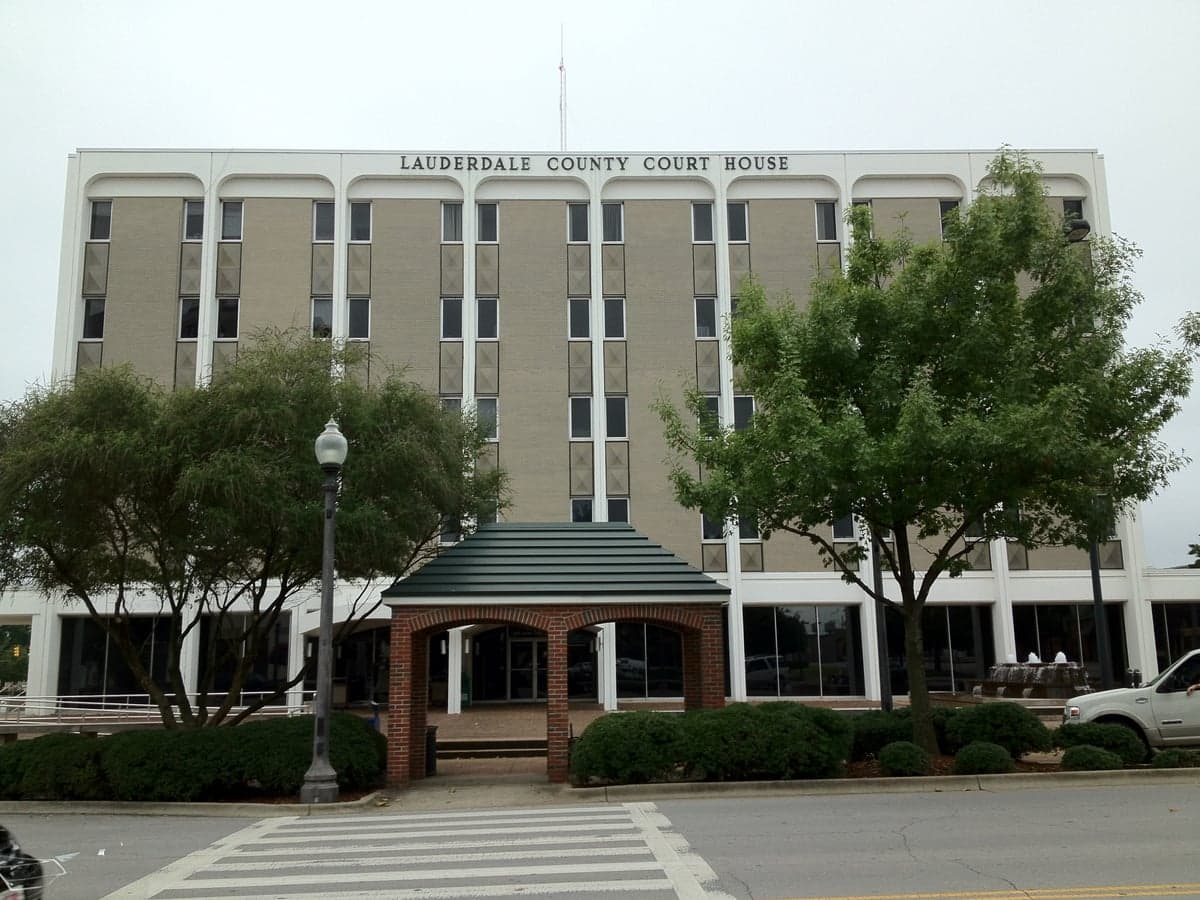
Photo: Wikipedia
Quality of Life in Lauderdale County
A livable area that tracks near national norms for affordability, walkability, and neighborhood health.
What does Quality of Life tell us?
Quality of Life measures an area by evaluating factors like cost of living, nearby amenities, country club access, airport proximity, socioeconomic signals and neighborhood character. For large states, this is a general average — quality of life can vary dramatically between metro areas, suburbs, and rural communities within the same state.
What does this tell us?
Quality of Life measures an area by evaluating factors like cost of living, nearby amenities, country club access, airport proximity, socioeconomic signals and neighborhood character. For large states, this is a general average — quality of life can vary dramatically between metro areas, suburbs, and rural communities within the same state.
Cost of Living
32% below national average
111%
The Real Cost of Living in Lauderdale County for 2026
| Tier | Individual | Family (4) |
|---|---|---|
| Survival | $13k | $24k |
| Comfortable | $36k | $53k |
| Luxury | $106k+ | $165k+ |
| Elite (Top 5%) | $125k+ | $194k+ |
Quality-of-Life Analysis
Lauderdale County, Alabama, offers a broad quality-of-life spectrum that spans from the urban-style amenities of Florence to the quiet, rural character of communities like Killen and Rogersville, drawing everyone from young professionals and university students to retirees and agricultural families. With a cost of living index of 68 — well below the national average of 100 — and a median home value of $185,800, the county provides affordable entry points into both town and country living. The average commute of roughly 27 minutes reflects the county's manageable geography, where residents can choose between walkable downtowns and secluded acreage without sacrificing access to jobs or services.
Largest town(s) & population centers
Florence is the county seat and the primary population center, home to the University of North Alabama (UNA) and a revitalized downtown along the Tennessee River. Daily life here centers on a mix of college-town energy, cultural venues like the Shoals Community Theatre, and a growing food scene anchored by local staples such as Odette and The Pie Factory. Florence offers the widest range of housing, from historic homes near Wilson Park to newer subdivisions on the city's south side, with median home values slightly above the county average but still affordable by national standards. Muscle Shoals, though partially in Colbert County, functions as a twin city within the metro area and adds additional retail and employment density, including the North Alabama Medical Center. For residents who want walkable neighborhoods, regular festivals, and proximity to the river, Florence is the clear draw.
Smaller towns & rural pockets
Outside the urban core, Lauderdale County contains several distinct smaller communities. Killen, located about 10 miles east of Florence, is a growing bedroom community with a small-town feel, a handful of local churches, and easy access to U.S. Highway 72. Rogersville, farther east near the Limestone County line, is more rural and self-contained, with its own school system and a slower pace of life centered on agriculture and local trade. St. Florian, just south of Florence, is a small incorporated town that has seen modest residential growth while retaining its quiet, semi-rural character. Unincorporated areas such as Center Star and Green Hill offer true countryside living, with larger lots, farmland, and minimal traffic. These pockets appeal to residents who want space, privacy, and lower property taxes, often at the cost of longer drives to grocery stores and healthcare.
Cost & lifestyle range
The cost of living varies noticeably across the county, though it remains low everywhere compared to national benchmarks. In Florence, median rent sits at roughly $799, and home values can reach $250,000 or more in desirable neighborhoods near the river or UNA, while the countywide median of $185,800 reflects cheaper options in outlying areas. Killen and Rogersville offer some of the lowest home prices in the county, with decent three-bedroom houses often available between $140,000 and $170,000, though rental inventory is thinner. Property taxes in Lauderdale County are among the lowest in Alabama, which benefits landowners in rural areas like Center Star but also means fewer public services — residents in unincorporated parts rely on volunteer fire departments and well water. At the high end of the lifestyle spectrum, Florence provides dining, entertainment, and the UNA campus; at the low end, rural communities offer land, quiet, and a lower cost burden but require more self-sufficiency and longer commutes for shopping and employment.
Lauderdale County works best for people who want affordable housing and a choice between town amenities and rural independence, all within a short drive of the Tennessee River and the broader Shoals area. Families and retirees on fixed incomes gravitate toward Killen and Rogersville for the lower entry costs, while professionals and students cluster in Florence for its walkability and cultural offerings. The county's real strength is that neither choice forces a sacrifice of basic affordability — the cost of living stays low regardless of where one settles.

Crime in Lauderdale County
Crime rates similar to the national median for U.S. locations.
Violent CrimeViolent Crime Analysis
Property CrimeProperty Crime Analysis
Crime Analysis
Lauderdale County, Alabama, presents a mixed safety profile, with violent crime rates slightly below the national average but property crime rates that significantly exceed both state and national benchmarks. The county recorded a violent crime rate of 348.1 per 100,000 residents and a property crime rate of 1,479.9 per 100,000, according to the most recent data. These figures place the county in a position where residents in certain areas face elevated risks, particularly regarding theft and burglary, while overall violent incidents remain less common than in many comparably sized jurisdictions across the Southeast.
Crime in context
When compared to broader averages, Lauderdale County's violent crime rate of 348.1 per 100,000 sits roughly 6% below the national average of approximately 370 per 100,000, but it is notably higher than the Alabama state average of around 310 per 100,000. The property crime rate of 1,479.9 per 100,000 is a more serious concern, running about 25% above the national average and well above the state average of roughly 1,200 per 100,000. This disparity suggests that while residents are not disproportionately at risk of violent victimization, the likelihood of experiencing a property crime such as larceny, motor vehicle theft, or burglary is elevated. The city of Florence, the county seat and largest municipality, accounts for a substantial share of these incidents, as is typical for urban centers that concentrate retail, commercial activity, and transient populations. Surrounding communities such as Killen, Rogersville, and St. Florian generally report lower crime volumes, though their smaller populations mean that per-capita rates can fluctuate year to year.
What residents experience
Daily life in Lauderdale County varies significantly depending on location and time of day. Residents of Florence often report concerns about property crime in areas near the University of North Alabama campus and along major commercial corridors like Cox Creek Parkway, where vehicle break-ins and retail theft are recurring issues. Violent crime, while less frequent, tends to concentrate in specific neighborhoods and is often related to domestic disputes or drug activity rather than random stranger attacks. In contrast, residents in the more rural stretches of the county, including areas around Waterloo and Lexington, describe a quieter environment where neighbors know one another and property crime is less pervasive. Law enforcement response times in these outlying areas can be longer, however, which is a trade-off some residents accept for lower population density. The Lauderdale County Sheriff's Office and the Florence Police Department both maintain active community policing programs, though resource constraints mean that proactive patrols are concentrated in higher-crime zones.
Neighborhood-level variation is pronounced in Lauderdale County, largely driven by the urban-rural split between Florence and the smaller towns. Within Florence itself, the downtown historic district and the neighborhoods west of the Tennessee River tend to report fewer incidents than areas east of the river near the industrial and commercial zones. The judicial environment in Lauderdale County is a factor worth noting: the county falls within Alabama's 11th Judicial Circuit, and local prosecutors have generally maintained a traditional approach to sentencing and plea bargaining. This stands in contrast to more progressive jurisdictions in larger metro areas, where district attorneys have adopted policies that reduce incarceration rates and divert offenders from prosecution. Readers considering a move to Lauderdale County should be aware that the local justice system has not embraced the lenient, offender-first philosophies seen in some urban counties, which can be a positive for those prioritizing public safety and accountability for victims. For the most current block-level data, prospective residents are advised to consult the Florence Police Department's annual crime report and the Sheriff's Office's online incident map, as these provide the granular detail needed to evaluate specific streets and subdivisions.
* Values derived from national, state, county, city and local statistics and may differ in a specific area. Last updated: 2026-06-21T19:10:09.000Z
Narrative content on this page is AI-generated and may contain mistakes. Verify any details that matter before acting on them.
ReloMaps may earn a commission from affiliate links at no extra cost to you.

