Photo: Wikipedia
Political ClimatePolitical Climate in Lincoln County
Showing state-level results — no local-only data available.
Local Political AnalysisPolitical Analysis of Lincoln County
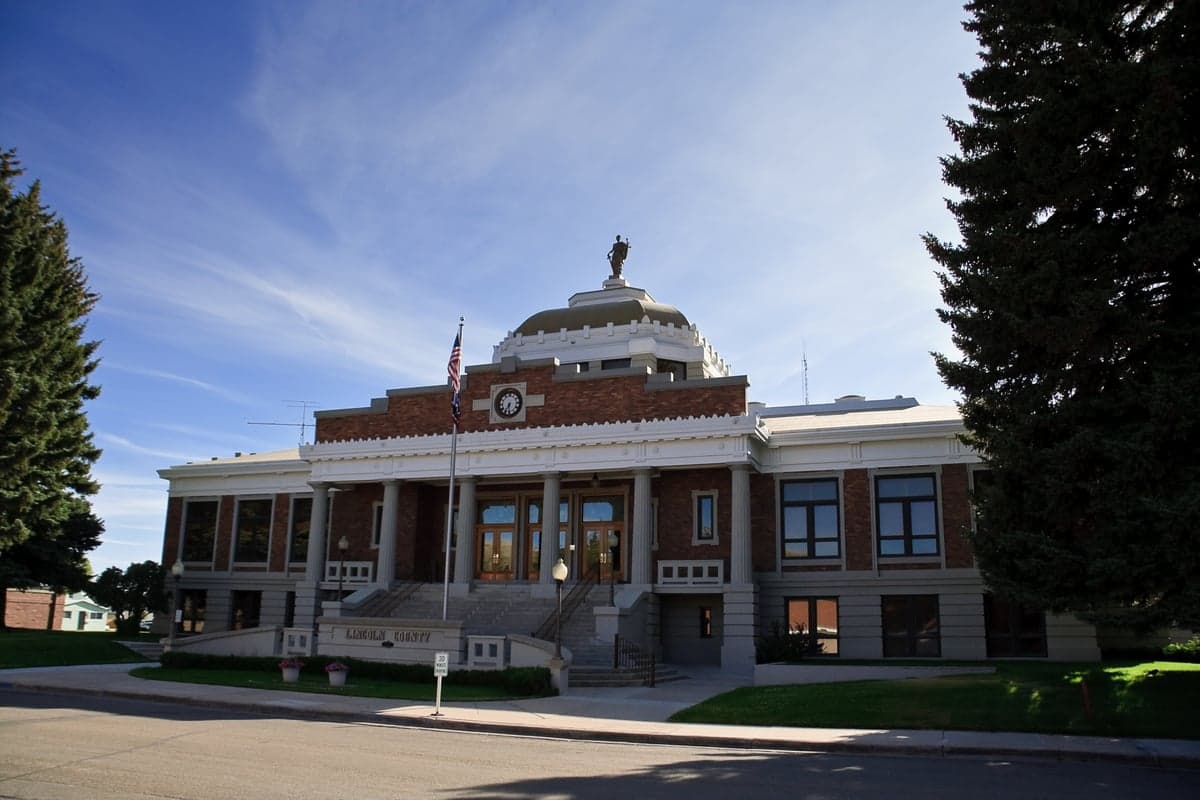
Lincoln County, Wyoming, is about as solidly red as it gets, with a Cook PVI of R+23 that puts it right in line with the state as a whole. But if you've lived here as long as I have, you know the numbers only tell part of the story. The county has been reliably conservative for decades, but there's a subtle shift happening—not a blue wave by any stretch, but a growing unease among long-time residents about outside influences creeping into our local politics. The real action isn't in the countywide vote totals; it's in the precinct-level differences between towns like Kemmerer, Afton, and Cokeville.
How it compares
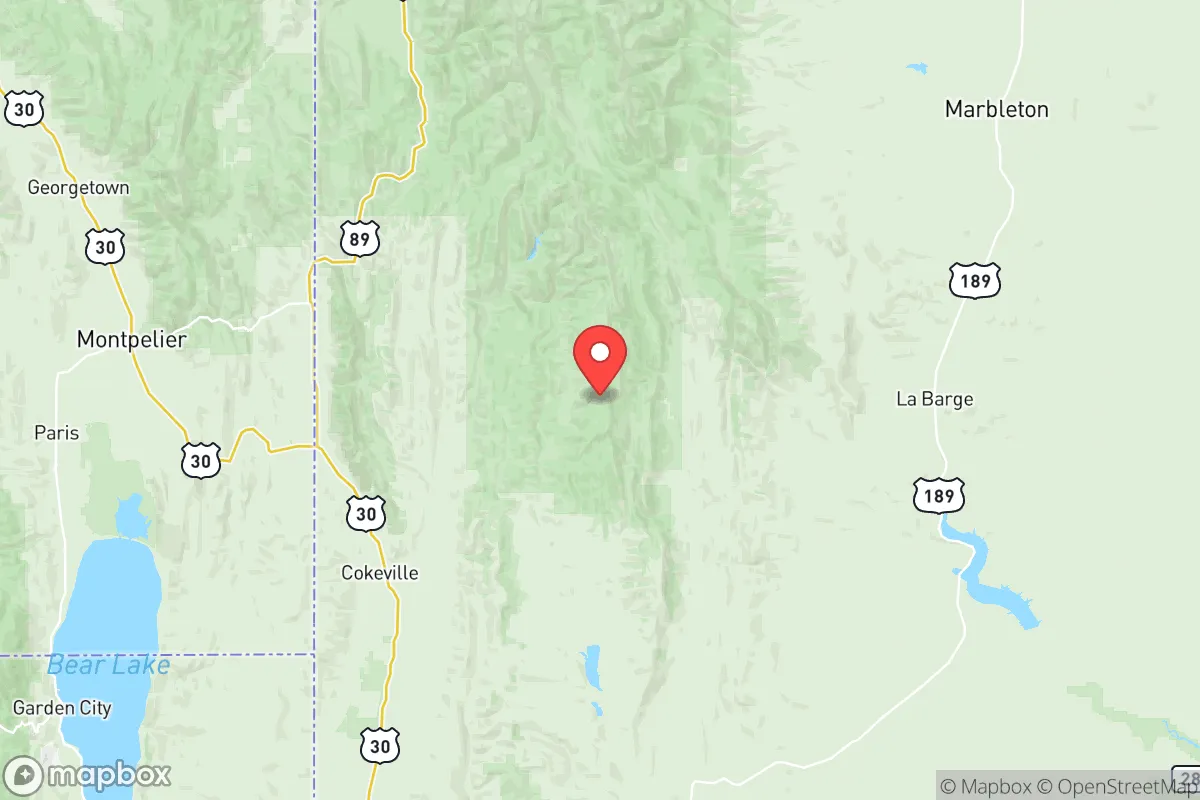
On paper, Lincoln County and Wyoming as a whole are identical—both R+23. But that masks a lot of local texture. In the northern part of the county, around Afton and Thayne, you'll find a more traditional, ranching-and-church conservative base that votes straight-ticket Republican without much fuss. Down south, Kemmerer and Diamondville have a slightly more mixed electorate, thanks to a small but vocal contingent of energy workers and younger families who've moved in for jobs at the coal and trona mines. Those precincts can swing a few points toward the center, but they're still deep red. The real outlier is Cokeville, a tiny town near the Idaho border that's about as conservative as it gets—think 80%+ GOP margins every cycle. The only precincts that ever show a hint of blue are around the Star Valley Ranch area, where a handful of out-of-state retirees have brought some moderate tendencies, but it's barely a blip on the radar.
What this means for residents
For folks who value personal freedom and limited government, Lincoln County is still a refuge. You won't see the kind of overreach you get in places like Jackson Hole or even parts of Laramie. Our county commissioners and school board have held the line on things like mask mandates, property rights, and Second Amendment protections. But I've noticed a growing concern among neighbors that the same progressive ideology that's taken hold in other Western states is starting to trickle in through social media and new arrivals. There's talk of zoning changes in Afton that could restrict private land use, and a few local candidates in the last cycle ran on "sustainability" platforms that sounded an awful lot like the green agenda we've fought against for years. So far, those efforts have been beaten back, but it's a reminder that even in a county this red, you can't take anything for granted.
Culturally, Lincoln County still feels like the Wyoming I grew up in—neighbors help neighbors, nobody locks their doors, and the biggest political fights are about grazing rights and school funding, not identity politics. But the policy distinctions are real: we've resisted the kind of land-use planning that's choked off rural communities in Colorado and Montana, and our tax structure remains friendly to small businesses and family farms. The long-term trajectory depends on whether we can keep the next generation engaged and voting, because if apathy sets in, the door cracks open for the kind of government overreach that's already ruined other parts of the West. For now, though, if you're looking for a place where your rights come first and the government stays out of your business, Lincoln County is still one of the best bets in the country.

State Political ClimatePolitical Climate in Wyoming
State Political AnalysisPolitical Environment in the State
Wyoming is about as solidly Republican as a state gets, with a Cook PVI of R+23 that makes it the reddest state in the union by that measure. The dominant coalition is a mix of traditional Western conservatives, libertarian-leaning ranchers, and energy-sector workers who have kept the state in GOP hands for decades. Over the last 10-20 years, the trajectory has been a slow but steady hardening of that Republican dominance, with Democrats virtually extinct at the state level and the real political fights now happening inside the GOP primary system rather than between parties.
Urban vs. rural divide
The political map breaks down along a classic Western pattern: the few small cities lean slightly more moderate, while the vast rural expanse is deeply conservative. Cheyenne, the capital and largest city, is the most politically mixed area, with Laramie County occasionally electing a moderate Republican or even a Democrat to local office, but even there the county went +24 for Trump in 2024. Casper in Natrona County is reliably red but has a small pocket of energy-sector libertarians who can be skeptical of federal land management. Jackson in Teton County is the glaring exception — it’s the only blue dot in the state, driven by wealthy second-home owners and tourism workers, and it votes like a Boulder or Aspen suburb. Teton County went +38 for Biden in 2020, but it’s so small it barely moves the statewide needle. Laramie, home to the University of Wyoming, is another slightly more moderate area, but Albany County still leans Republican overall. The real power base is in the rural counties like Sublette, Carbon, and Fremont, where you’ll see 80%+ Republican votes and a culture that’s suspicious of any government, state or federal.
Policy environment
Wyoming’s policy environment is aggressively pro-business and low-tax by design. There is no state income tax, and the sales tax is a low 4% (with local options pushing it to around 6% in some towns). Property taxes are among the lowest in the nation, though they’ve been a flashpoint recently as assessed values have climbed. The regulatory posture is light — no state-level occupational licensing for many trades, minimal environmental permitting for energy development, and a general attitude of “leave us alone.” Education policy is a mixed bag: the state funds schools well through mineral revenues, but there’s been a push for school choice and parental rights, with a 2023 law allowing open enrollment across district lines. Healthcare is a sore spot — Wyoming refused Medicaid expansion until 2024, and even then it was a limited version. Election laws are tight: voter ID is required, same-day registration is not allowed, and the state has a closed primary system that keeps non-Republicans out of the most competitive races. There’s no ballot initiative process, which means policy changes come through the legislature, keeping things stable but slow.
Trajectory & freedom
On the freedom front, Wyoming is moving in a decidedly more libertarian direction, but not without some concerning bumps. Gun rights are as strong as anywhere — constitutional carry has been law since 2011, and there’s no waiting period or permit requirement for purchase. In 2023, the legislature passed a Second Amendment Preservation Act that attempts to nullify federal gun laws, though it’s mostly symbolic. Parental rights got a boost with a 2024 law requiring schools to notify parents of any curriculum involving sexuality or gender identity, and allowing them to opt their kids out. Medical autonomy is a mixed picture: the state banned nearly all abortions in 2022 with a trigger law, but there’s no law protecting medical freedom for things like ivermectin or off-label treatments. Property rights are generally strong, but there’s been tension over federal land management — the state has sued the feds multiple times over grazing and mineral rights. The biggest freedom concern is taxation: while there’s no income tax, the state relies heavily on mineral severance taxes, and as coal declines, there’s pressure to raise sales or property taxes. A 2024 proposal to create a state income tax was defeated, but it’s a sign of things to come.
Civil unrest & political movements
Wyoming doesn’t have the kind of street-level civil unrest you see in Portland or Seattle, but there are organized movements on both sides. The far-right is active, with groups like the Wyoming Liberty Group and the Wyoming Republican Party’s hardline faction pushing for nullification of federal laws, secession rhetoric, and election integrity audits. The 2020 election saw a brief controversy when some counties reported minor discrepancies in vote counts, but the state’s hand-count audit found no fraud. Immigration politics are muted — Wyoming has a tiny foreign-born population, so it’s more about rhetoric than reality. There’s no sanctuary city movement; in fact, the state passed a law in 2023 requiring local law enforcement to cooperate with ICE. The left is mostly confined to Jackson and Laramie, where you’ll see climate activism and LGBTQ+ advocacy, but it’s small and doesn’t affect state policy. The most visible flashpoint for a new resident would be the tension between energy workers and environmentalists over federal land use — you’ll see “Save the Sage Grouse” signs next to “Drill Baby Drill” bumper stickers in the same parking lot.
Projection
Over the next 5-10 years, Wyoming is likely to stay deeply red, but the nature of that red is shifting. The biggest demographic change is in-migration from blue states, particularly to Teton County and the I-25 corridor near Cheyenne. These newcomers tend to be wealthier and more moderate, which could soften the state’s hardline edge over time. However, the rural counties are losing population, which means the political center of gravity is moving toward the urban areas. The real fight will be over taxes: as coal revenues continue to decline (down 40% since 2010), the state will have to either cut services or find new revenue. That could mean a push for a state income tax or higher property taxes, which would be a major shift in the state’s identity. On the cultural front, expect more battles over school curriculum, parental rights, and federal land control. Someone moving in now should expect a state that remains conservative but is increasingly divided between the old-school libertarian ranchers and the new-school suburban conservatives who want more government services.
For a new resident, the bottom line is this: Wyoming offers a level of personal freedom that’s rare in the U.S., especially on guns, taxes, and lifestyle choices. But that freedom comes with trade-offs — limited healthcare access, a struggling education system in rural areas, and a tax base that’s slowly eroding. If you’re looking for a place where the government stays out of your life and your business, Wyoming is hard to beat. Just be prepared for the cold winters, the long drives, and the fact that the political fights here are now internal Republican battles, not between parties. The state is still the last bastion of the Old West ethos, but it’s facing the same pressures as everywhere else — just at a slower pace.
* Values derived from national, state, county, city and local statistics and may differ in a specific area. Last updated: 2026-05-12T14:18:43.000Z
Narrative content on this page is AI-generated and may contain mistakes. Verify any details that matter before acting on them.
ReloMaps may earn a commission from affiliate links at no extra cost to you.

