Photo: Wikipedia
Quality of Life in Albany County
A livable area that tracks near national norms for affordability, walkability, and neighborhood health.
What does Quality of Life tell us?
Quality of Life measures an area by evaluating factors like cost of living, nearby amenities, country club access, airport proximity, socioeconomic signals and neighborhood character. For large states, this is a general average — quality of life can vary dramatically between metro areas, suburbs, and rural communities within the same state.
What does this tell us?
Quality of Life measures an area by evaluating factors like cost of living, nearby amenities, country club access, airport proximity, socioeconomic signals and neighborhood character. For large states, this is a general average — quality of life can vary dramatically between metro areas, suburbs, and rural communities within the same state.
Cost of Living
6% below national average
65%
The Real Cost of Living in Albany County for 2026
| Tier | Individual | Family (4) |
|---|---|---|
| Survival | $15k | $28k |
| Comfortable | $63k | $92k |
| Luxury | $108k+ | $168k+ |
| Elite (Top 5%) | $140k+ | $217k+ |
Quality-of-Life Analysis
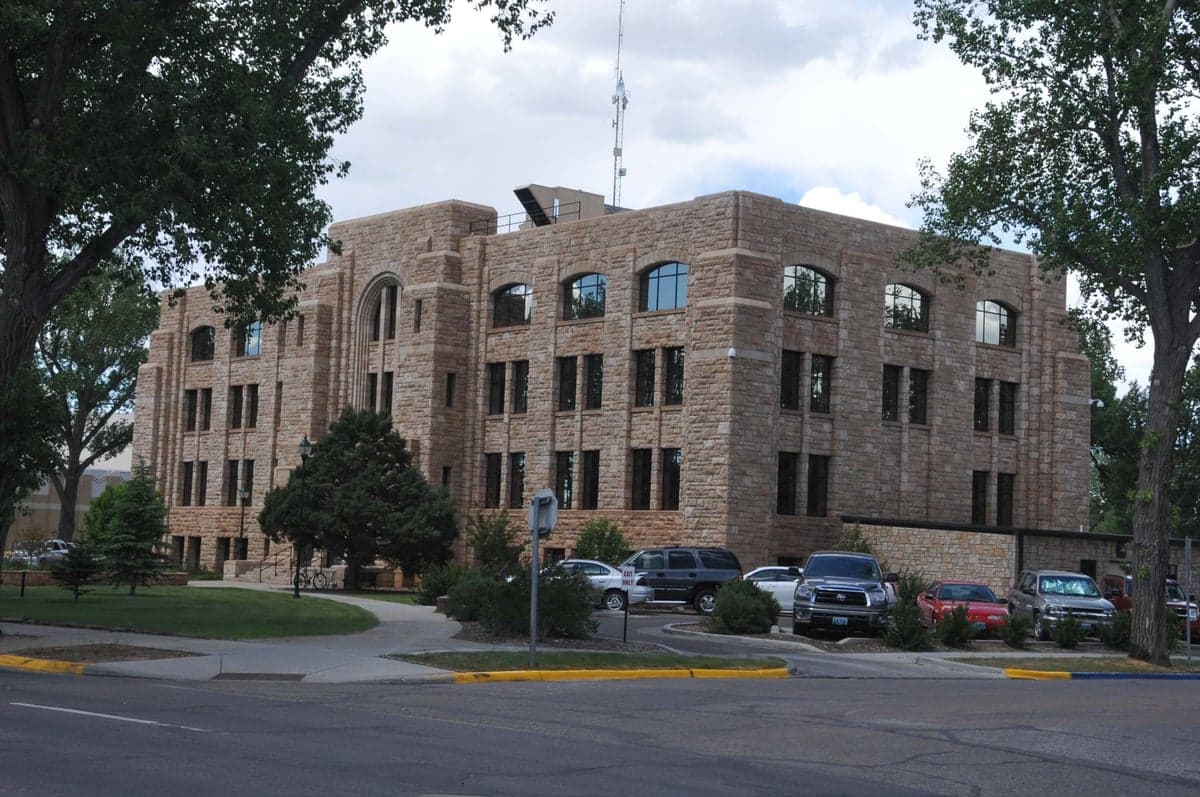
Albany County, Wyoming, offers a distinct quality-of-life spectrum that ranges from the college-town energy of Laramie to the quiet isolation of the high plains and Medicine Bow-Routt National Forest. The county’s character is shaped by the University of Wyoming, which anchors Laramie as the sole incorporated city, while the surrounding unincorporated communities and vast ranchlands attract those seeking solitude, outdoor recreation, and a lower cost of living. The county’s cost-of-living index of 94 (100 is the U.S. average) and a median home value of $322,100 place it below the national average, making it an accessible option for a wide range of residents, from students and academics to ranchers and remote workers.
Largest town(s) & population centers
Laramie is the county seat and by far the largest population center, home to roughly 32,000 of the county’s 38,000 residents. Daily life here revolves around the University of Wyoming, which provides a steady stream of cultural events, Division I athletics, and a youthful demographic. The downtown core along Grand Avenue and Second Street features locally owned coffee shops, breweries, and restaurants, while the nearby Snowy Range Mountains offer skiing, hiking, and fishing within a 30-minute drive. The average commute in the county is a notably short 14.8 minutes, reflecting Laramie’s compact layout and limited traffic congestion. Housing in Laramie spans from historic bungalows near campus to newer subdivisions on the city’s west side, with the median rent of $936 making it one of the more affordable college towns in the Rocky Mountain region.
Smaller towns & rural pockets
Outside Laramie, the county is defined by small, unincorporated communities and wide-open ranchland. Centennial, located 25 miles west of Laramie at the base of the Snowy Range, is a tiny hamlet of fewer than 100 year-round residents that serves as a gateway for hikers, anglers, and snowmobilers. Rock River, about 40 miles north of Laramie along Interstate 80, is a former railroad town with a population under 250, offering little more than a gas station, a post office, and a bar — but also some of the cheapest real estate in the county. Bosler and Tie Siding are even smaller, with populations in the dozens, consisting largely of scattered homes and working ranches. These areas lack municipal services like public water and sewer, which keeps property prices low but requires self-sufficiency from residents.
Cost & lifestyle range
The cost-of-living spread across Albany County is significant, even though the overall index sits at 94. At the lower end, rural properties in areas like Rock River or Bosler can be found for under $200,000, though buyers should budget for well maintenance, septic systems, and propane heating. The median home value of $322,100 is driven largely by Laramie’s housing market, where a typical three-bedroom home in a neighborhood like West Laramie or near LaBonte Park falls in the $300,000–$350,000 range. At the upper end, custom homes in the Centennial area or along the Laramie River corridor can exceed $600,000, reflecting premium views and direct access to national forest land. Renters face the tightest market in Laramie, where the median rent of $936 is affordable by national standards but has risen steadily due to student demand and limited new construction. Amenities follow a similar gradient: Laramie offers grocery stores, a hospital, and a regional airport, while rural residents drive 30–60 minutes for basic shopping and medical care.
Albany County is best suited for people who value outdoor recreation, a slower pace, and a lower cost of living over urban amenities and career diversity. University employees, remote workers, and retirees tend to thrive in Laramie’s walkable neighborhoods, while ranchers, homesteaders, and seasonal recreationists are drawn to the county’s remote pockets. The trade-off is clear: Laramie provides culture and convenience at a moderate price, while the outlying areas offer land and solitude in exchange for longer drives and fewer services.

Crime in Albany County
Generally safer than 71% of comparable U.S. locations.
Violent CrimeViolent Crime Analysis
Property CrimeProperty Crime Analysis
Crime Analysis
Albany County, Wyoming, presents a mixed safety profile where property crime rates significantly exceed national averages while violent crime remains well below them. The county’s overall crime landscape is shaped by its largest city, Laramie, which accounts for the vast majority of reported incidents, while smaller communities like Centennial and Rock River experience far fewer offenses. Understanding these dynamics is essential for anyone considering relocation to this high-altitude region anchored by the University of Wyoming.
Crime in context
Albany County’s violent crime rate of 172.6 per 100,000 residents is notably lower than both the Wyoming state average (approximately 240 per 100K) and the national rate (roughly 380 per 100K). This means residents face a relatively low risk of homicide, aggravated assault, robbery, and rape compared to the rest of the country. However, the property crime rate of 1,014.2 per 100,000 tells a different story—it sits above the national average of about 1,950 per 100K but is still elevated compared to many rural Wyoming counties. Larceny-theft and motor vehicle theft are the primary drivers of property crime in the county, with Laramie’s university district and downtown commercial corridors being frequent targets. The disparity between low violent crime and high property crime is a pattern seen across many college towns, where transient populations and concentrated retail areas create more opportunities for theft.
What residents experience
For most residents, daily life in Albany County feels safe, particularly in the residential neighborhoods of Laramie and the outlying towns. Violent encounters are rare, and the county’s sheriff’s office and Laramie Police Department maintain a visible presence. However, property crime—especially vehicle break-ins, bicycle theft, and package theft—is a recurring annoyance, particularly near the University of Wyoming campus and along the Grand Avenue corridor. Residents in areas like Centennial and Rock River report far fewer incidents, as these small communities have low population density and strong neighborhood watch dynamics. The county’s judicial system, overseen by the Second Judicial District, has historically taken a moderate approach to property crime, with some critics arguing that progressive sentencing policies in Laramie have contributed to repeat offenses. Albany County’s District Attorney has faced scrutiny for plea deals that some residents feel prioritize rehabilitation over accountability, potentially emboldening property criminals. This concern is most acute in Laramie’s west side and near the university, where transient populations and a liberal-leaning city council have fostered a justice philosophy that some believe undermines public safety.
Neighborhood-level variation is significant within Albany County. Laramie’s historic downtown and areas near the university see the highest property crime rates, while the outlying subdivisions like Woods Landing and Bosler experience almost none. Violent crime is concentrated in a few blocks of Laramie’s central district, with the rest of the county—including the rural stretches toward the Colorado border—recording near-zero violent incidents. For those prioritizing safety, the smaller towns of Centennial and Rock River offer a quieter alternative, though they lack the amenities of Laramie. Overall, Albany County is a safe place to live for those who take standard precautions against property crime, but the progressive judicial trends in Laramie warrant attention from prospective residents who value strict law enforcement and victim-centered justice.
* Values derived from national, state, county, city and local statistics and may differ in a specific area. Last updated: 2026-08-08T14:57:37.000Z
Narrative content on this page is AI-generated and may contain mistakes. Verify any details that matter before acting on them.
ReloMaps may earn a commission from affiliate links at no extra cost to you.

