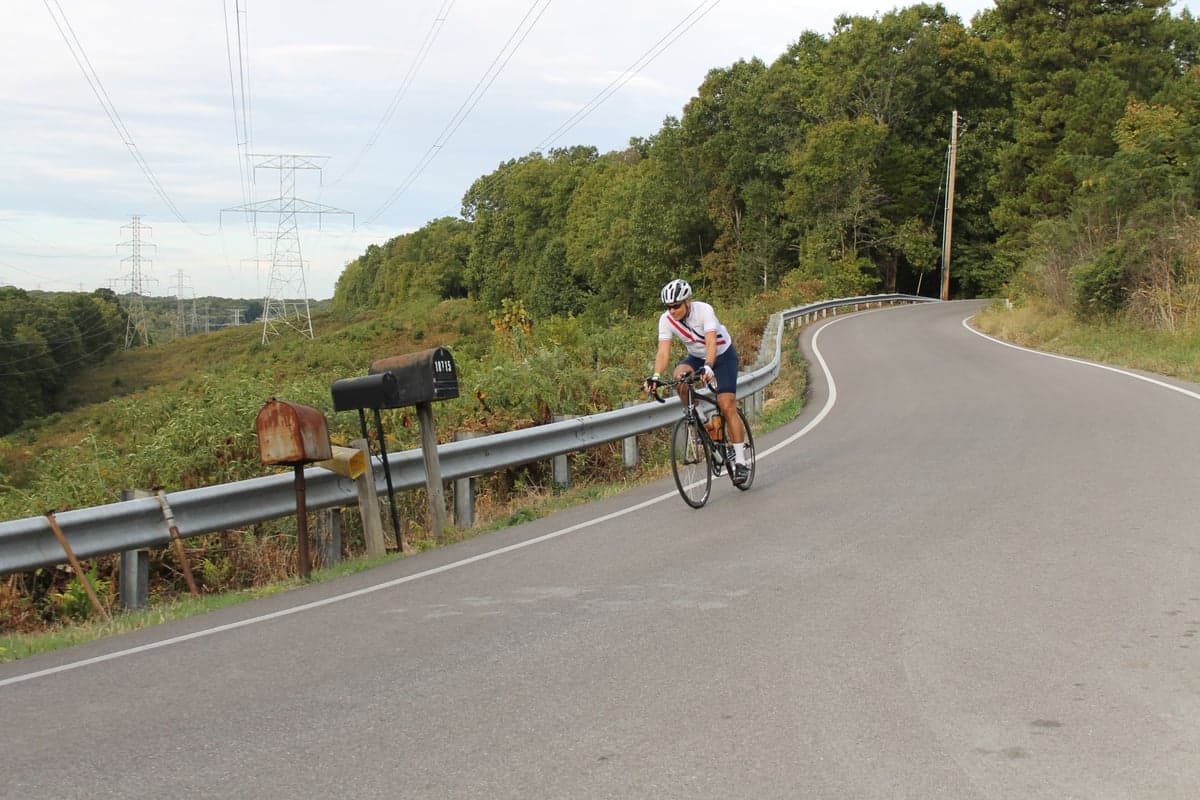
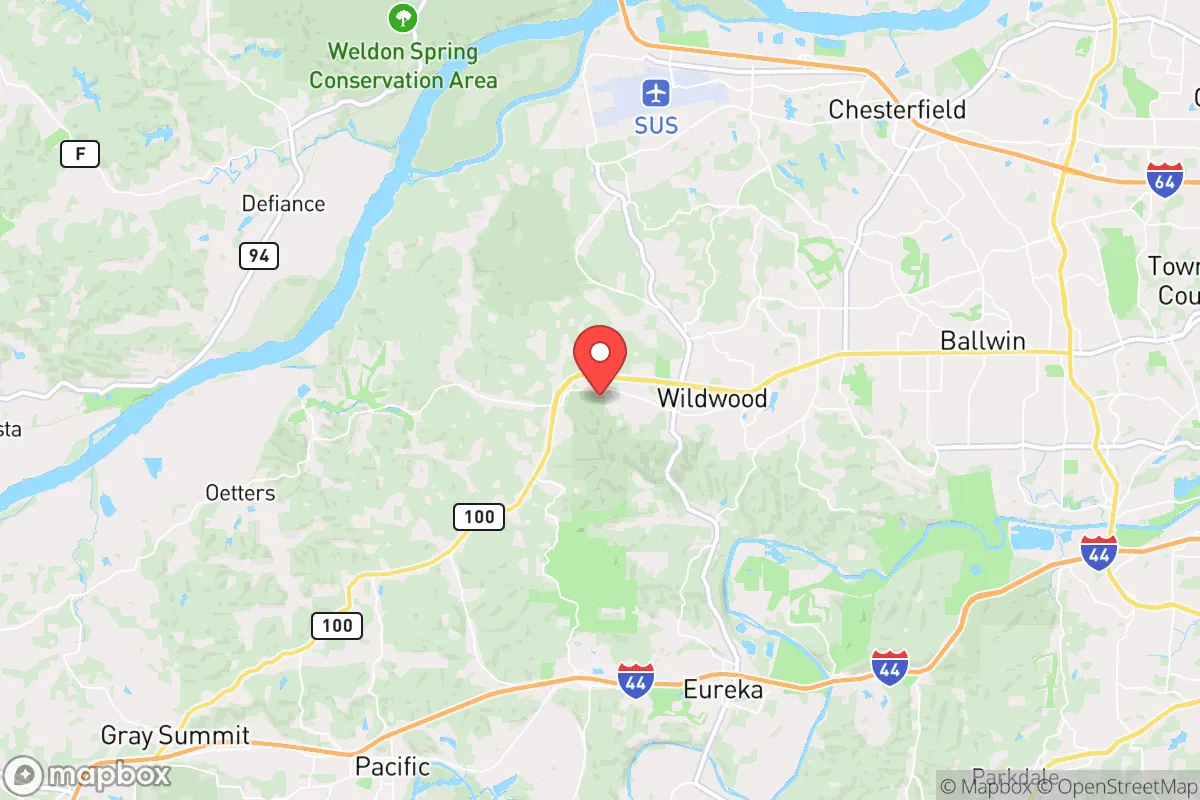
Photo: Wikipedia
Quality of Life in Wildwood, MO
A high quality of life with strong walkability, manageable living costs, healthy neighborhood signals, and solid amenity access.
What does Quality of Life tell us?
Quality of Life blends cost of living, nearby amenities, socioeconomic signals, and neighborhood character. City-level scores represent the whole municipality; individual neighborhoods can differ.
What does this tell us?
Quality of Life blends cost of living, nearby amenities, socioeconomic signals, and neighborhood character. City-level scores represent the whole municipality; individual neighborhoods can differ.
Cost of Living
48% above national average
The Real Cost of Living in Wildwood, MO for 2026
| Tier | Individual | Family (4) |
|---|---|---|
| Survival | $25k | $47k |
| Comfortable | $92k | $135k |
| Luxury | $257k+ | $398k+ |
| Elite (Top 5%) | $302k+ | $468k+ |
117%
The Area Signal
A metric tracking the socioeconomic signals of the area.
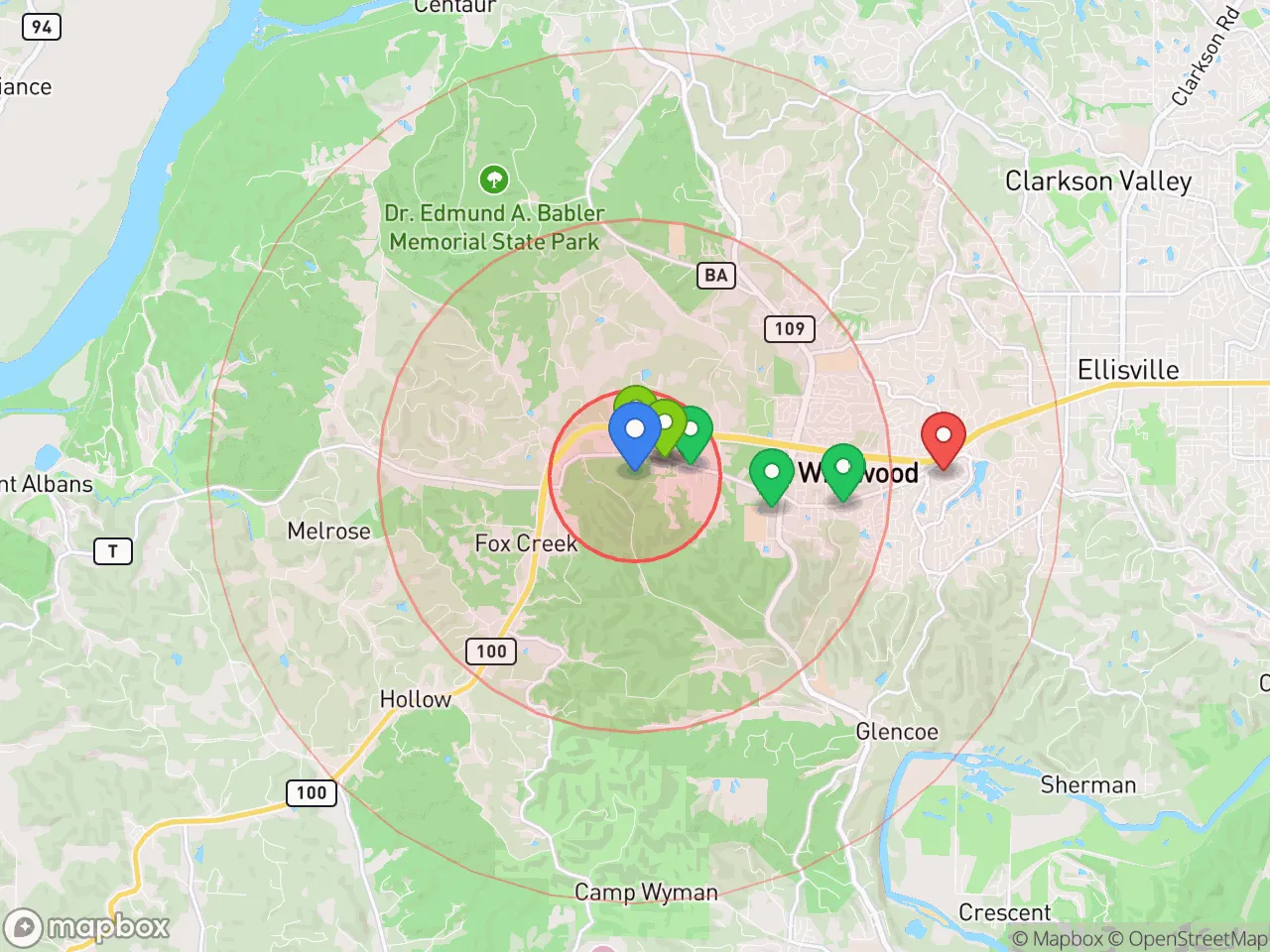
Hobbies
Explore the areaGroceries
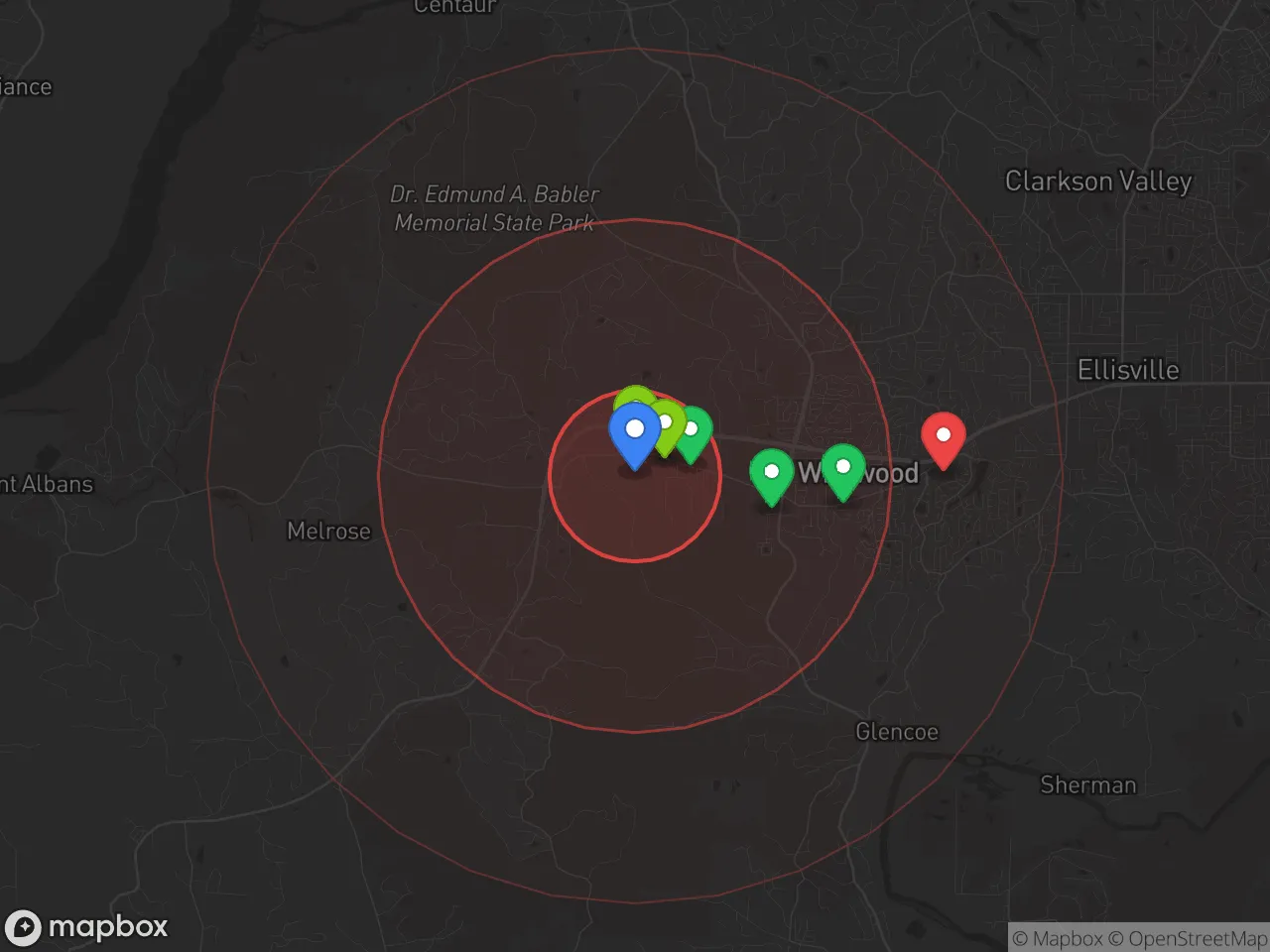
6 within 10 miles
Gas
20 within 10 miles
Hospital
20 within 20 miles
Airport
MCI — Kansas City International
Post Office
USPS — Wildwood, MO
Critical Amenities
Quality-of-Life Analysis
Wildwood, Missouri, is an affluent western St. Louis suburb where the cost of living index sits at 148 (48% above the national average), reflecting a community built around large-lot homes, high-performing schools, and a semi-rural atmosphere. The population of roughly 36,000 is predominantly composed of upper-middle-class families, professionals commuting to corporate headquarters in Chesterfield and St. Louis, and retirees seeking space and low crime rates. Median household income exceeds $130,000, placing the city among the wealthiest in the state, and the housing stock is dominated by single-family homes on one- to five-acre parcels.
Cost of living, housing prices, and how Wildwood compares to nearby suburbs
Wildwood’s housing market is the primary driver of its high cost of living. The median home value of $472,800 is roughly double the St. Louis metro average, while median rent of $1,575 is more moderate but still above regional norms. For context, a comparable home in nearby Chesterfield or Town and Country might cost $50,000–$80,000 more, making Wildwood a relative value for buyers seeking acreage without crossing into the priciest inner-ring suburbs. However, the trade-off is distance: the average commute of 28.6 minutes is longer than the metro average, as most residents drive to employment hubs along the I-64/US-40 corridor. Property taxes in Wildwood (roughly 1.1% of assessed value) are in line with St. Louis County rates, but the lack of a city earnings tax—unlike St. Louis City—provides a modest annual savings for wage earners. For renters, the market is tight; fewer than 15% of housing units are rentals, and most are concentrated in the small downtown village area near the intersection of Manchester Road and Highway 109.
Schools, parks, and what daily life is like for families
Daily life in Wildwood revolves around the Rockwood School District, one of Missouri’s top-rated public systems, where all four high schools (Marquette, Lafayette, Eureka, and Rockwood Summit) earn consistent 9/10 ratings on GreatSchools. The city itself has over 1,200 acres of parkland, including the 400-acre Wildwood Greenway trail system and the popular Community Park with its splash pad, sports fields, and dog park. Retail and dining are concentrated in the “Wildwood Town Center” area—a planned mixed-use development with a grocery-anchored plaza, boutique shops, and casual restaurants like The Tavern Kitchen & Bar. For major shopping and medical services, residents drive 10–15 minutes east to Chesterfield Valley (Chesterfield Mall, St. Luke’s Hospital) or west to Eureka (Six Flags, Meramec River recreation). The city’s zoning code mandates minimum lot sizes of one acre in most residential areas, which preserves a rural feel but also means no sidewalks or streetlights in many neighborhoods—a deliberate design choice that appeals to privacy-seeking families but can feel isolating for newcomers accustomed to walkable suburbs.
Wildwood is best suited for families and professionals who prioritize large lots, top-tier schools, and low crime over walkability, nightlife, or short commutes. Empty-nesters downsizing from even larger estate homes in Huntleigh or Frontenac also find the city attractive for its relative affordability within the luxury segment. Singles and young couples without children may find the social scene limited, as most community events (farmers markets, youth sports, holiday parades) are family-oriented. For anyone who values space, quiet, and a strong school district above urban convenience, Wildwood delivers a consistent, predictable quality of life that ranks among the highest in the St. Louis region.

Crime in Wildwood, MO
Higher crime rates than 57% of comparable U.S. locations.
Violent CrimeViolent Crime Analysis
Property CrimeProperty Crime Analysis
Crime Analysis
Wildwood, Missouri, presents a mixed safety profile for prospective residents. The city’s violent crime rate of 413.1 incidents per 100,000 residents is notably higher than the national average, while its property crime rate of 1,644.4 per 100,000 sits slightly below the national benchmark. These figures place Wildwood in a complex position: safer than many core urban areas but with violent crime statistics that warrant careful consideration, especially for families and professionals relocating from lower-crime regions.
Crime in context
When compared to state and national averages, Wildwood’s violent crime rate is approximately 18% higher than the U.S. average of roughly 380 per 100,000. Property crime, however, runs about 10% lower than the national figure of roughly 1,800 per 100,000. These numbers reflect a broader regional pattern common to suburban communities near major metropolitan hubs like St. Louis. The city benefits from a relatively low population density and a strong tax base that funds a dedicated police department, yet it remains vulnerable to spillover crime from the larger metro area. Notably, St. Louis County—where Wildwood is located—has seen ongoing debates about prosecutorial policies. Critics argue that progressive district attorneys and judges in the region, who prioritize diversion programs and reduced sentencing for non-violent offenders, contribute to higher recidivism and embolden property criminals. This ideological approach, while intended to reduce incarceration, can result in more offenders cycling back onto the streets, directly impacting suburban communities like Wildwood.
What residents experience
Day-to-day life in Wildwood is shaped by a tangible awareness of property crime. Residents commonly report vehicle break-ins, package thefts from porches, and occasional burglaries of unoccupied homes during work hours. Violent crime, while less frequent, is not absent—incidents of aggravated assault and robbery occur, often concentrated near commercial corridors like Manchester Road and Highway 109. The city’s police department maintains a visible presence through regular patrols and a community policing unit, but response times can stretch during peak hours due to Wildwood’s sprawling, 17-square-mile geography. Many homeowners invest in security systems and neighborhood watch programs as a practical precaution. The broader St. Louis metro area’s reputation for elevated crime rates—driven in part by lenient judicial policies—means that even relatively safe suburbs like Wildwood must contend with regional crime trends that erode the sense of total security.
Neighborhood-level variation is significant in Wildwood. The eastern sections, closer to the city of St. Louis and along the I-64 corridor, tend to report higher crime volumes, particularly property offenses. In contrast, the western and southern portions of the city—areas like Pond and Grover—see markedly lower incident rates, often falling below 200 violent crimes per 100,000. Gated communities and subdivisions with private security further reduce risk for their residents. Prospective homebuyers should examine specific street-level crime maps and consider proximity to major roads, as homes near highway exits and commercial hubs face elevated exposure to opportunistic crime. Overall, Wildwood offers a livable environment for those who take proactive safety measures, but it is not immune to the challenges of its metropolitan context.
* Values derived from national, state, county, city and local statistics and may differ in a specific area. Last updated: 2026-04-29T19:23:09.000Z
Narrative content on this page is AI-generated and may contain mistakes. Verify any details that matter before acting on them.
ReloMaps may earn a commission from affiliate links at no extra cost to you.

