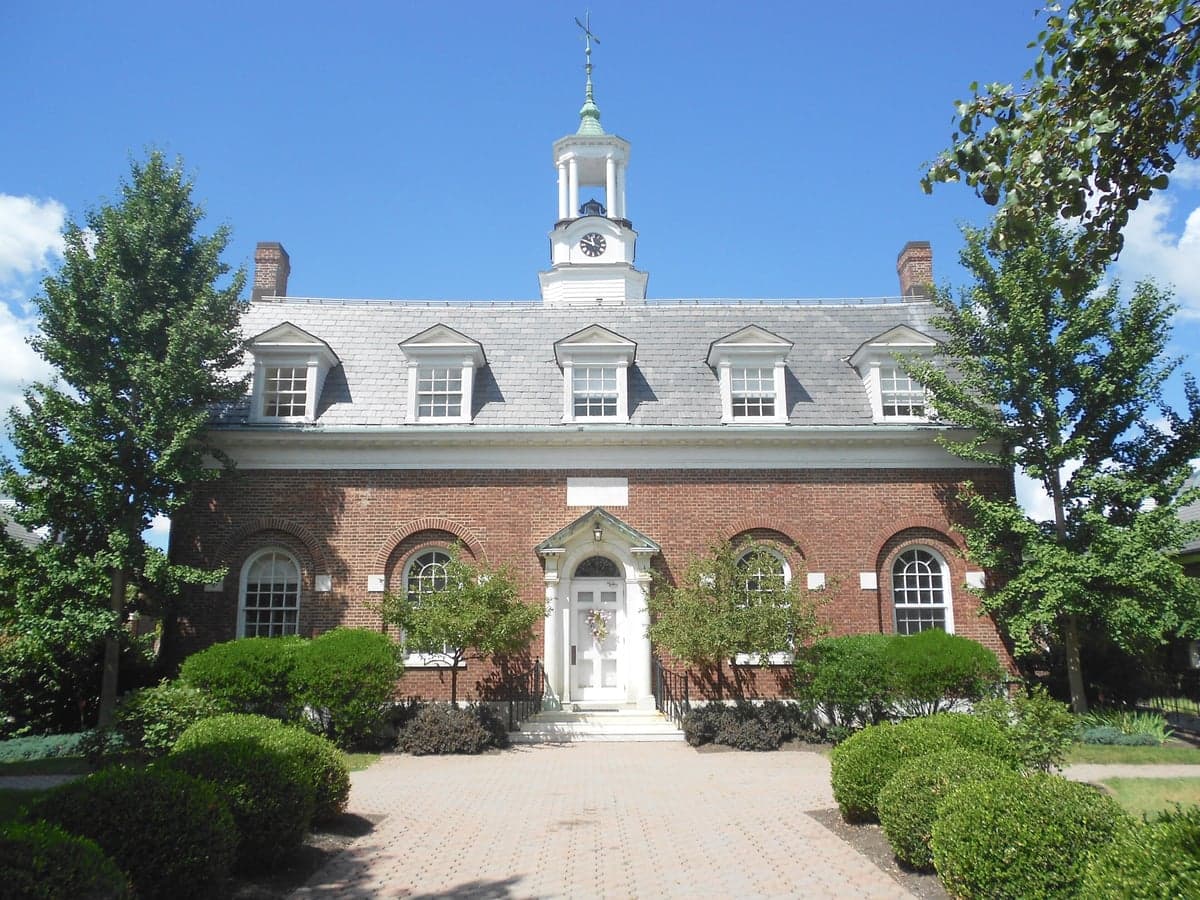
Photo: Wikipedia
Quality of Life in Waverly, PA
A high quality of life with strong walkability, manageable living costs, healthy neighborhood signals, and solid amenity access.
What does Quality of Life tell us?
Quality of Life blends cost of living, nearby amenities, socioeconomic signals, and neighborhood character. City-level scores represent the whole municipality; individual neighborhoods can differ.
What does this tell us?
Quality of Life blends cost of living, nearby amenities, socioeconomic signals, and neighborhood character. City-level scores represent the whole municipality; individual neighborhoods can differ.
Cost of Living
The Real Cost of Living in Waverly, PA for 2026
| Tier | Individual | Family (4) |
|---|---|---|
| Survival | $19k | $35k |
| Comfortable | $55k | $81k |
| Luxury | $146k+ | $226k+ |
| Elite (Top 5%) | $172k+ | $266k+ |
128%
* median rent and top-5% income substituted from state-level data — local Census figures unavailable for small populations
The Area Signal
A metric tracking the socioeconomic signals of the area.
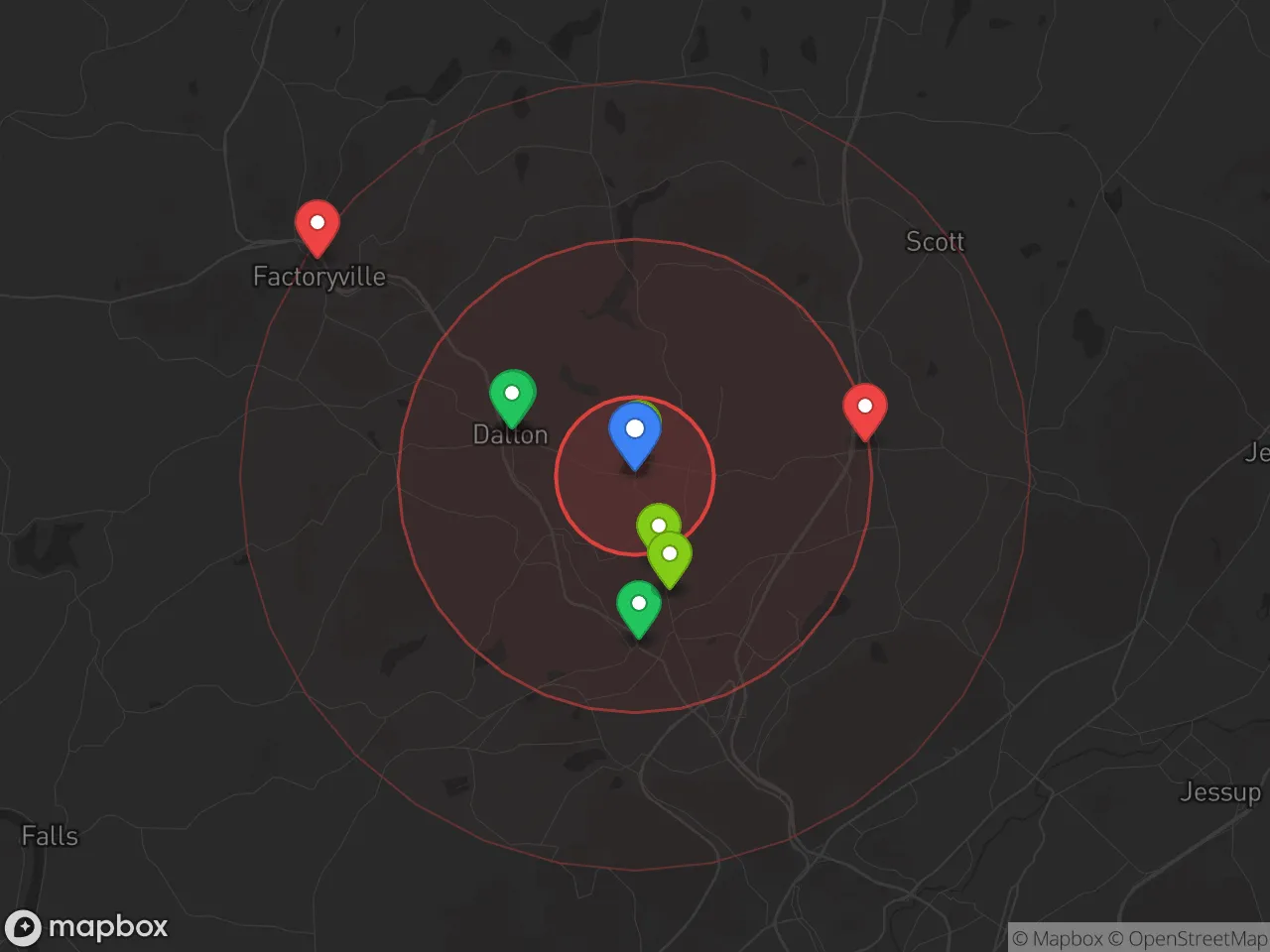
Hobbies
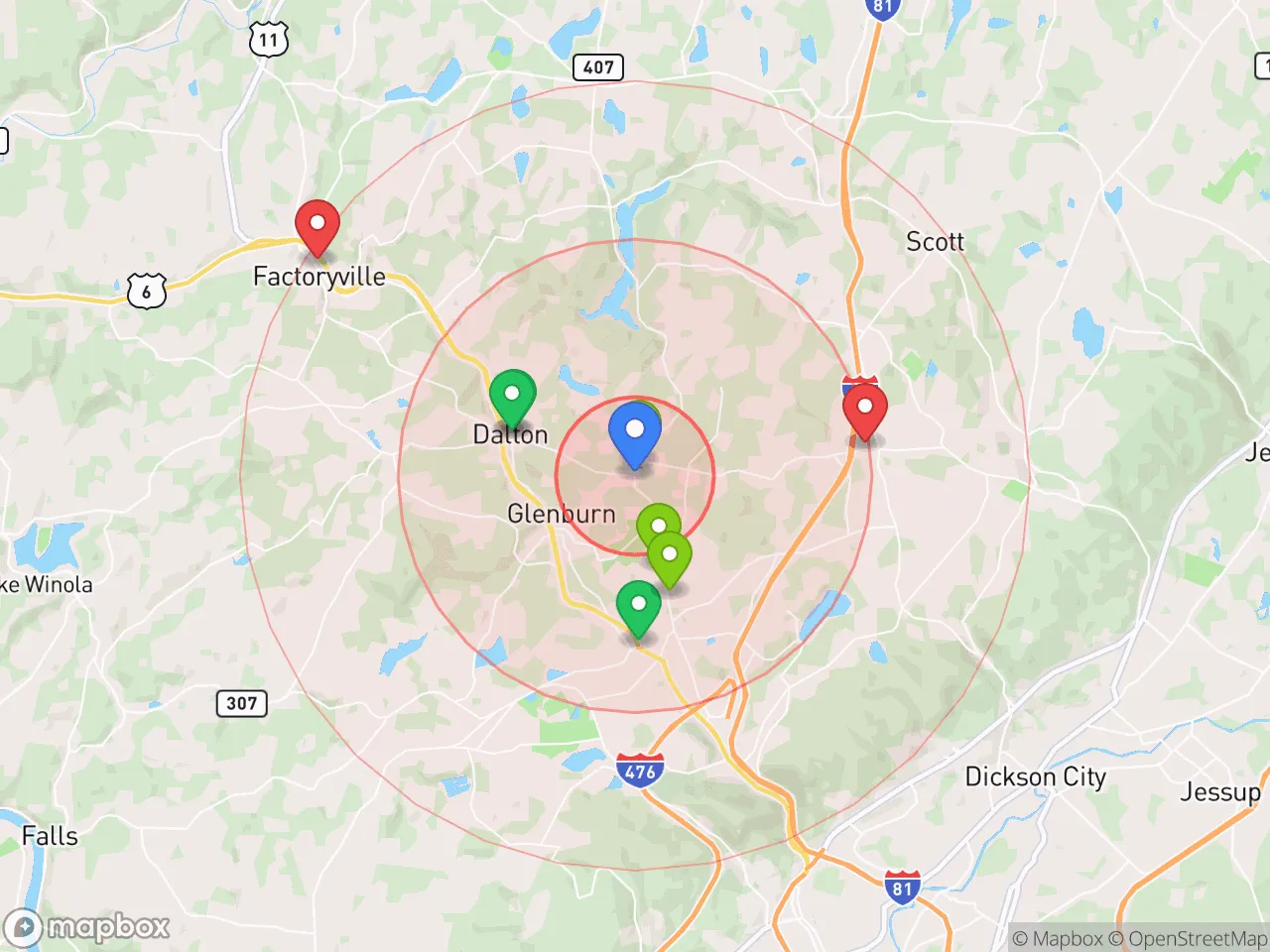
Explore the areaGroceries
9 within 10 miles
Gas
20 within 10 miles
Hospital
7 within 20 miles
Airport
EWR — Newark Liberty International
Post Office
USPS — Dalton, PA
Critical Amenities
Quality-of-Life Analysis
Waverly, Pennsylvania, is an affluent suburb of Scranton with a cost of living index of exactly 100 — matching the national average — which is notably low for a community with its level of household income and home values. The area attracts a mix of established professionals, remote workers, and families seeking a quieter, more spacious alternative to the city core while remaining within a 26-minute average commute of downtown Scranton. With a median home value of $284,600 and median rent of $1,162, Waverly offers a balance of suburban comfort and relative affordability that is increasingly rare in the Northeast.
Cost of living, housing prices, and how Waverly compares to Scranton and the Poconos
Waverly’s cost of living index of 100 places it exactly at the U.S. average, but that figure masks significant variation within the region. Housing is the primary driver: the median home value of $284,600 is roughly 40% higher than the Scranton metro median of around $200,000, reflecting Waverly’s desirability and larger lot sizes. However, it remains well below the national median of roughly $420,000 (2026 estimate), making it a relative bargain for buyers relocating from high-cost metros like New York or Philadelphia. Renters fare even better: the median rent of $1,162 is about 15% below the national median and significantly undercuts comparable suburban towns in the Poconos, where rents often exceed $1,400. Property taxes in Lackawanna County average around 1.8% of assessed value, which is moderate for Pennsylvania but worth factoring into monthly costs. For a household earning the area’s median income of roughly $85,000, the housing cost burden is manageable — typically under 28% of gross income — which is a key reason Waverly attracts dual-income families and telecommuters.
What daily life is like for families: schools, amenities, and local rhythm
Daily life in Waverly centers on the Abington Heights School District, consistently ranked among the top 10% of Pennsylvania districts for academic performance and college readiness. The community’s rhythm is quiet and residential, with most errands requiring a short drive to the nearby South Abington Township commercial corridor, which hosts a Wegmans, a Target, and a variety of local restaurants. Outdoor amenities include the 40-acre Waverly Community Park with walking trails, sports fields, and a seasonal farmers market, plus easy access to the Lackawanna River Heritage Trail for cycling and running. The average commute of 26.6 minutes is slightly longer than the national average of 26 minutes, but most residents report it as a tolerable drive along U.S. Route 11 or Interstate 81, with minimal congestion outside of peak hours. Cultural amenities are limited within Waverly itself — residents typically drive 15 minutes into Scranton for the Scranton Cultural Center, Broadway Theatre League shows, or the Electric City Trolley Museum. The overall pace is slower than a typical suburb of a major city, with a strong emphasis on school events, neighborhood gatherings, and outdoor recreation.
Waverly is best suited for families and professionals who prioritize strong public schools, a low-crime environment, and a spacious suburban setting over urban nightlife or walkability. Remote workers and commuters to Scranton, Wilkes-Barre, or even the Lehigh Valley will find the commute manageable and the housing value compelling. Singles and young professionals without children may find the social scene too quiet, as most evening activity revolves around family-oriented events or private gatherings. For those seeking a stable, well-resourced community with a cost of living that doesn’t outpace the national average, Waverly represents a strong quality-of-life proposition in northeastern Pennsylvania.

Crime in Waverly, PA
Lower crime rates than 99% of comparable U.S. locations.
Violent CrimeViolent Crime Analysis
Property CrimeProperty Crime Analysis
Crime Analysis
Waverly, Pennsylvania, presents a notably safe environment compared to both state and national benchmarks, with violent and property crime rates that are a fraction of the U.S. averages. The borough's violent crime rate of 53.9 incidents per 100,000 residents is roughly one-sixth the national rate, while its property crime rate of 269.4 per 100,000 sits at about one-third of the national figure. However, Waverly's location within the Scranton/Wilkes-Barre metropolitan area introduces a critical caveat: the broader region's justice system is influenced by progressive prosecutorial policies that can undermine public safety by prioritizing offender rehabilitation over incarceration, potentially increasing recidivism and the number of criminals on the street.
Crime in context
Waverly's crime statistics are exceptionally low when placed against the backdrop of Pennsylvania and the United States. The borough's violent crime rate of 53.9 per 100,000 is 84% lower than the national average of 380 per 100,000 and well below the Pennsylvania state rate of roughly 280 per 100,000. Similarly, property crime in Waverly (269.4 per 100,000) is significantly less frequent than the national average of 1,954 per 100,000 and the state average of approximately 1,200 per 100,000. These figures indicate that Waverly itself is a low-crime enclave. However, the surrounding Lackawanna County, part of the Scranton/Wilkes-Barre metro, has seen a rise in property crime and drug-related offenses, partly attributed to district attorney policies that emphasize diversion programs and reduced sentences for non-violent offenders. While these policies aim to reduce prison populations, they can result in repeat offenders cycling back into communities, a dynamic that residents should monitor.
What residents experience
Residents of Waverly typically report a strong sense of security, with the most common concerns being minor thefts from unlocked vehicles or sheds rather than violent confrontations. The borough's small-town character and active neighborhood watch contribute to this feeling of safety. The low violent crime rate means incidents like assault or robbery are rare. However, the progressive judicial philosophy in the broader metro area means that even when arrests are made, offenders may face lenient consequences. For example, Lackawanna County's pretrial release programs and drug court alternatives, while well-intentioned, can lead to faster return of convicted individuals to the community without adequate supervision. This creates a latent risk: while Waverly's streets are safe today, the regional justice system's focus on offender sympathy over public protection could gradually erode that safety if recidivism rates climb.
Neighborhood-level variation within Waverly is minimal, as the borough is compact and uniformly residential. The safest areas are the quiet, tree-lined streets near the center of town, where single-family homes predominate and traffic is light. Properties along the main thoroughfares (such as State Route 632) may experience slightly higher rates of opportunistic theft due to easier access. Overall, Waverly's crime data is excellent, but the progressive policies of the surrounding metro area's justice system warrant caution for those prioritizing long-term public safety and victim justice.
* Values derived from national, state, county, city and local statistics and may differ in a specific area. Last updated: 2026-08-24T20:10:25.000Z
Narrative content on this page is AI-generated and may contain mistakes. Verify any details that matter before acting on them.
ReloMaps may earn a commission from affiliate links at no extra cost to you.

