Photo: Wikipedia
Personal Sovereignty in Waverly, NE
Viable for self-reliance. Generally workable, though some barriers may limit total independence.
What does Personal Sovereignty tell us?
Personal Sovereignty measures your capacity for self-reliance and independence with minimal government friction. Higher scores mean fewer barriers between you and the way you want to live... but it assumes you have the space you need and good neighbors.
What does this tell us?
Personal Sovereignty measures your capacity for self-reliance and independence with minimal government friction. Higher scores mean fewer barriers between you and the way you want to live... but it assumes you have the space you need and good neighbors.
State Policy
Energy independence: Importer (35% of energy produced in-state)
Personal Liberty
Homesteading

Personal Liberty Analysis
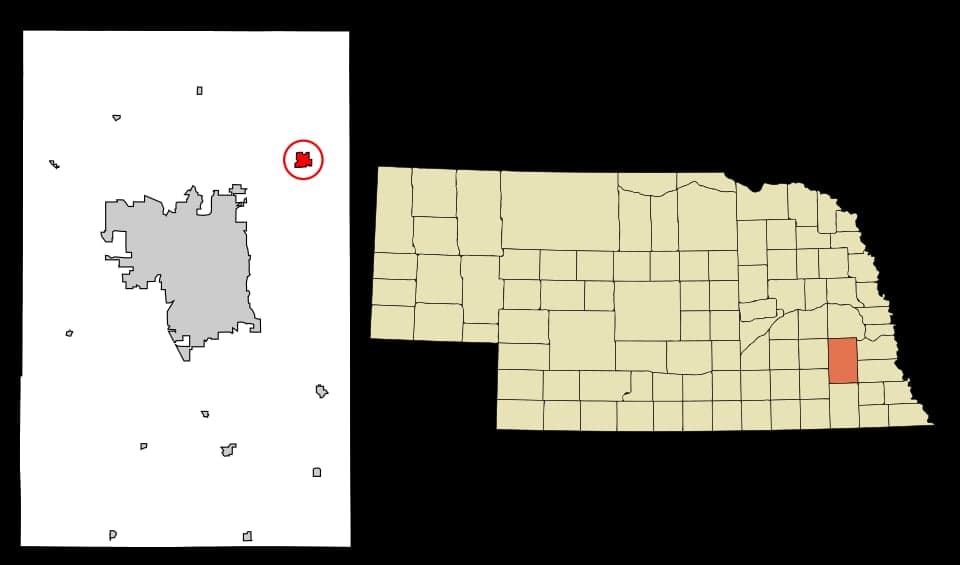
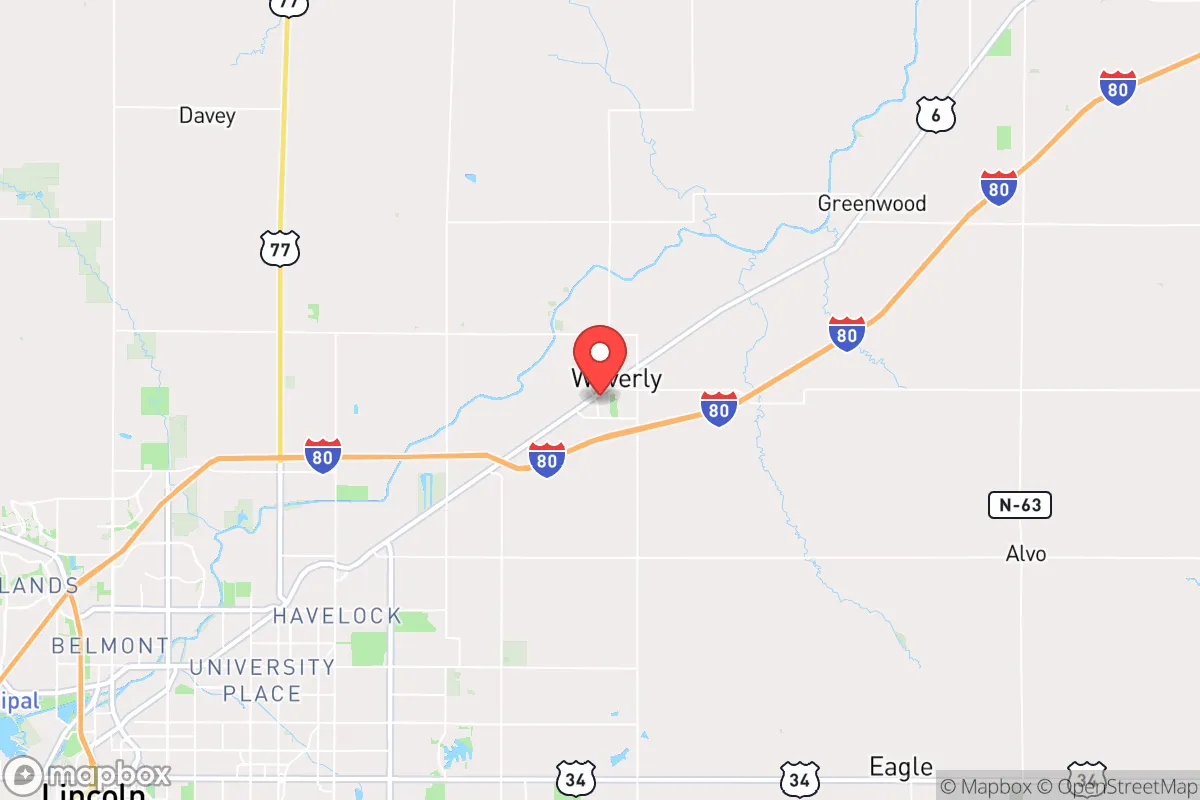
Waverly, Nebraska offers a notably high degree of personal sovereignty compared to many other parts of the country, particularly for those who prioritize minimal government interference in daily life. As a small, unassuming village in Lancaster County, it sits just outside the orbit of Lincoln’s municipal reach, meaning residents benefit from Nebraska’s generally light-touch state governance while avoiding the more restrictive ordinances common in larger cities. For a single individual or family operating from a survivalist or prepper mindset, Waverly represents a strategic middle ground: close enough to urban resources for supply runs and employment, yet far enough to maintain a low profile and a high degree of self-determination. The key question is whether the local and state legal framework supports the kind of autonomy that matters most—tax burden, self-defense rights, homesteading feasibility, and personal liberties—and the answer is largely affirmative, with a few caveats worth examining.
Tax burden and regulatory posture in Waverly and Nebraska
Nebraska’s tax structure is a mixed bag for those seeking maximum financial sovereignty. The state imposes a progressive income tax with rates ranging from 2.46% to 6.64% as of 2026, which is moderate compared to high-tax states like California or New York but higher than no-income-tax states like Texas or Florida. Property taxes in Lancaster County are a more significant concern: the effective rate hovers around 1.7% of assessed home value, which is above the national average. For a $300,000 home, that translates to roughly $5,100 annually. However, Waverly itself does not levy a city income tax, and its municipal regulations are minimal. The village’s zoning code is relatively permissive, with no overly burdensome business license requirements or excessive permitting delays for common residential projects like sheds, fences, or small workshops. The regulatory posture at the state level is business-friendly in terms of occupational licensing and environmental rules, but Nebraska does enforce building codes in incorporated areas, which can add costs for new construction or major renovations. For a prepper focused on reducing overhead, the property tax burden is the primary drag, but the lack of city-level income tax and the state’s generally pro-business climate offset some of that weight.
Self-defense and gun law specifics in Nebraska
Nebraska is a constitutional carry state as of 2023, meaning any law-abiding adult 21 or older can carry a concealed firearm without a permit. This is a major plus for personal sovereignty. Waverly, being in Lancaster County, does not have any local ordinances that override state preemption on firearms—so no magazine bans, no assault weapon restrictions, and no waiting periods beyond the federal background check. The state also has a strong Castle Doctrine and Stand Your Ground law, codified in Nebraska Revised Statute 28-1409, which removes the duty to retreat in any place where a person is lawfully present. For a survivalist, this means your home, vehicle, and even your campsite are legally defensible without fear of prosecution for using deadly force against an imminent threat. The only notable restriction is that Nebraska requires a permit to purchase a handgun from a private seller (the state’s handgun purchase certificate system), but this is a minor administrative step. Long guns, including AR-15s and other modern sporting rifles, are not subject to any state-level registration or waiting period. Waverly’s proximity to Lincoln (about 10 miles) does not subject residents to Lincoln’s more restrictive gun policies, thanks to state preemption. For a prepper, this is a clean win: you can arm yourself as you see fit, train on your own property, and rely on the law to back your right to self-defense.
Self-reliance and homesteading viability in Waverly
Waverly’s zoning and lot sizes make it a viable location for a self-reliant lifestyle, though not as open as rural Nebraska. The village itself has standard residential lots of around 0.25 to 0.5 acres, which limits large-scale gardening or livestock. However, the surrounding unincorporated areas of Lancaster County offer agricultural zoning with minimum lot sizes of 5 to 10 acres, where you can keep chickens, goats, and even a few head of cattle without special permits. Off-grid feasibility is moderate: Nebraska’s net metering policy allows solar panel owners to sell excess electricity back to the grid, but the state does not have strong right-to-solar laws that prevent HOAs from restricting panels. In Waverly’s newer subdivisions, HOAs may impose aesthetic rules that limit visible solar arrays or rainwater collection barrels. For a prepper, the key is to buy land outside the village limits—ideally in an unincorporated area—where county zoning is more permissive. Water rights are generally tied to the land in Nebraska, and drilling a well is legal with a permit, though the cost runs $5,000–$10,000 depending on depth. Septic systems are standard for rural properties. The biggest regulatory hurdle is the Nebraska Department of Environment and Energy’s oversight of wastewater and well construction, but these are reasonable requirements, not prohibitive. For a serious homesteader, Waverly’s outskirts offer a solid foundation for food production, water independence, and reduced reliance on municipal infrastructure.
Personal liberties: parental rights, medical autonomy, speech, and property
Nebraska has a strong track record on parental rights. The state does not have a universal vaccine mandate for schoolchildren, and parents can opt out of specific immunizations for medical or religious reasons. During the COVID-19 pandemic, Nebraska was among the states that resisted prolonged school closures and mask mandates, reflecting a cultural preference for local control. Medical autonomy is generally respected: there is no state-level forced treatment law for adults, and the Nebraska Medical Cannabis Act (passed by voter initiative in 2024) allows for limited medical marijuana use, though it remains tightly regulated. Free speech protections are robust, with no state-level hate speech laws that criminalize protected speech, and property rights are strong under Nebraska’s eminent domain laws, which require just compensation and a public purpose. One area of concern for preppers is the state’s emergency powers: the governor can declare a state of emergency and issue executive orders, but Nebraska law requires legislative approval after 30 days, limiting the potential for prolonged overreach. Waverly’s small-town culture reinforces these liberties—neighbors tend to mind their own business, and local law enforcement is not known for aggressive enforcement of minor regulatory infractions. For a parent, this means you can homeschool without excessive state oversight (Nebraska requires only a simple notification and annual assessment), and you can make medical decisions for your children without fear of state intervention unless there is clear evidence of abuse or neglect.
Overall, Waverly, Nebraska offers a solid sovereignty profile for a conservative-leaning individual or family with survivalist priorities. The tax burden is moderate but manageable, the gun laws are among the most permissive in the Midwest, homesteading is feasible on the outskirts, and personal liberties are well-protected by state law and local culture. The main trade-offs are the property tax rate and the need to avoid HOA-controlled subdivisions if you want full autonomy over your land. Compared to states like Colorado or Oregon, where local governments have eroded gun rights and imposed strict land-use regulations, Waverly feels like a refuge. Compared to rural Wyoming or Montana, it lacks the same level of off-grid freedom but offers better access to jobs, healthcare, and supply chains. For a strategic relocation, Waverly is a strong contender—a place where you can live largely on your own terms, with the law on your side, and the city lights of Lincoln just far enough away to keep the government off your back.

* Values derived from national, state, county, city and local statistics and may differ in a specific area. Last updated: 2026-05-03T20:28:50.000Z
Narrative content on this page is AI-generated and may contain mistakes. Verify any details that matter before acting on them.
ReloMaps may earn a commission from affiliate links at no extra cost to you.

