Photo: Wikipedia
Quality of Life in Watertown, SD
A high quality of life with strong walkability, manageable living costs, healthy neighborhood signals, and solid amenity access.
What does Quality of Life tell us?
Quality of Life blends cost of living, nearby amenities, socioeconomic signals, and neighborhood character. City-level scores represent the whole municipality; individual neighborhoods can differ.
What does this tell us?
Quality of Life blends cost of living, nearby amenities, socioeconomic signals, and neighborhood character. City-level scores represent the whole municipality; individual neighborhoods can differ.
Cost of Living
23% below national average
The Real Cost of Living in Watertown, SD for 2026
| Tier | Individual | Family (4) |
|---|---|---|
| Survival | $14k | $27k |
| Comfortable | $41k | $61k |
| Luxury | $106k+ | $164k+ |
| Elite (Top 5%) | $124k+ | $192k+ |
103%
The Area Signal
A metric tracking the socioeconomic signals of the area.
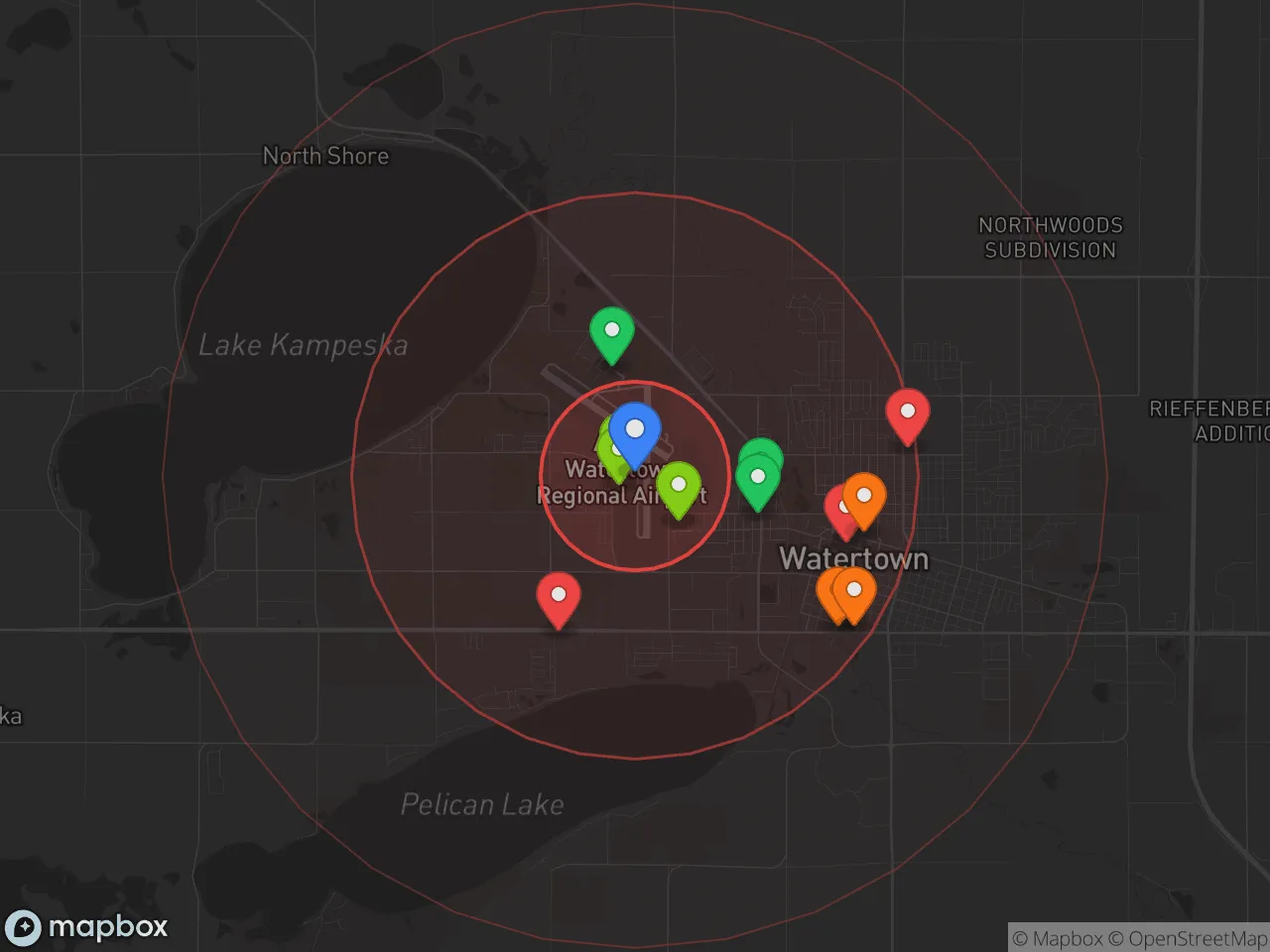
Hobbies
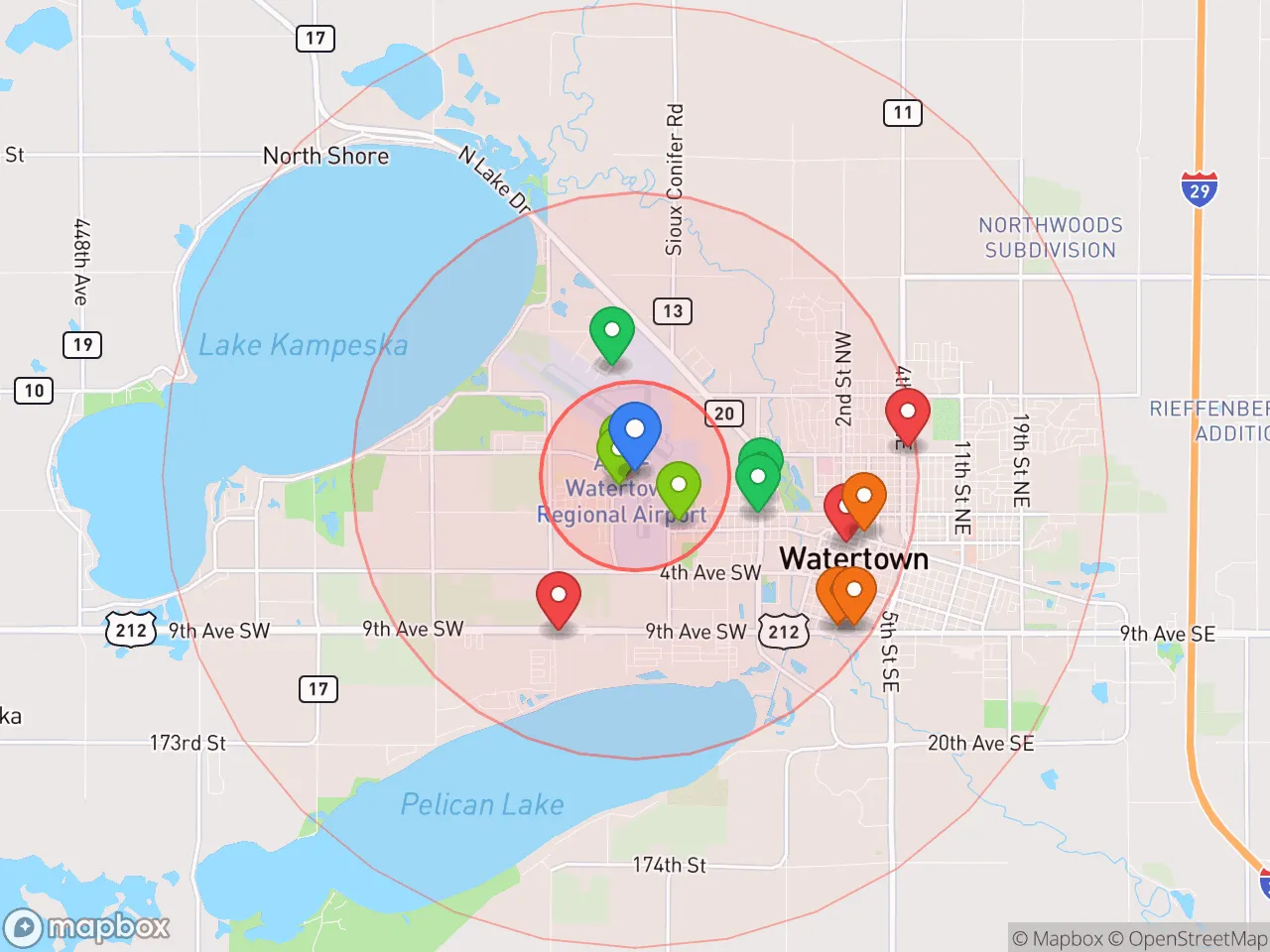
Explore the areaGroceries
4 within 10 miles
Gas
16 within 10 miles
Hospital
1 within 20 miles
Airport
JFK — John F. Kennedy Memorial
Post Office
USPS — Watertown, SD
Critical Amenities
Quality-of-Life Analysis
Watertown, South Dakota, offers a quality of life defined by strong affordability and a stable, family-oriented community, with a cost of living index of 77—well below the national average of 100. The area attracts a mix of young families, retirees, and workers in manufacturing and healthcare, drawn by low housing costs and a slower pace of life. Median household incomes here are modest but stretch further than in many Midwestern peers, creating a practical, debt-averse lifestyle for most residents.
How housing costs and daily expenses compare to nearby cities
Housing in Watertown is a standout advantage. The median home value sits at $212,300, roughly half the national median, while the median rent is just $904 per month. This makes homeownership accessible for first-time buyers and keeps rental costs manageable even for single-income households. Compared to Sioux Falls (about 90 miles south), where median home values exceed $350,000, Watertown offers a 40% discount on housing. The average commute of 13.7 minutes is among the shortest in the state, meaning residents save significantly on transportation and time. Utility costs and grocery prices also track below national averages, though property taxes in Codington County are moderate—around 1.2% of assessed value—which is higher than some neighboring rural counties but still lower than the national average of 1.1%.
What daily life is like for families: schools, amenities, and recreation
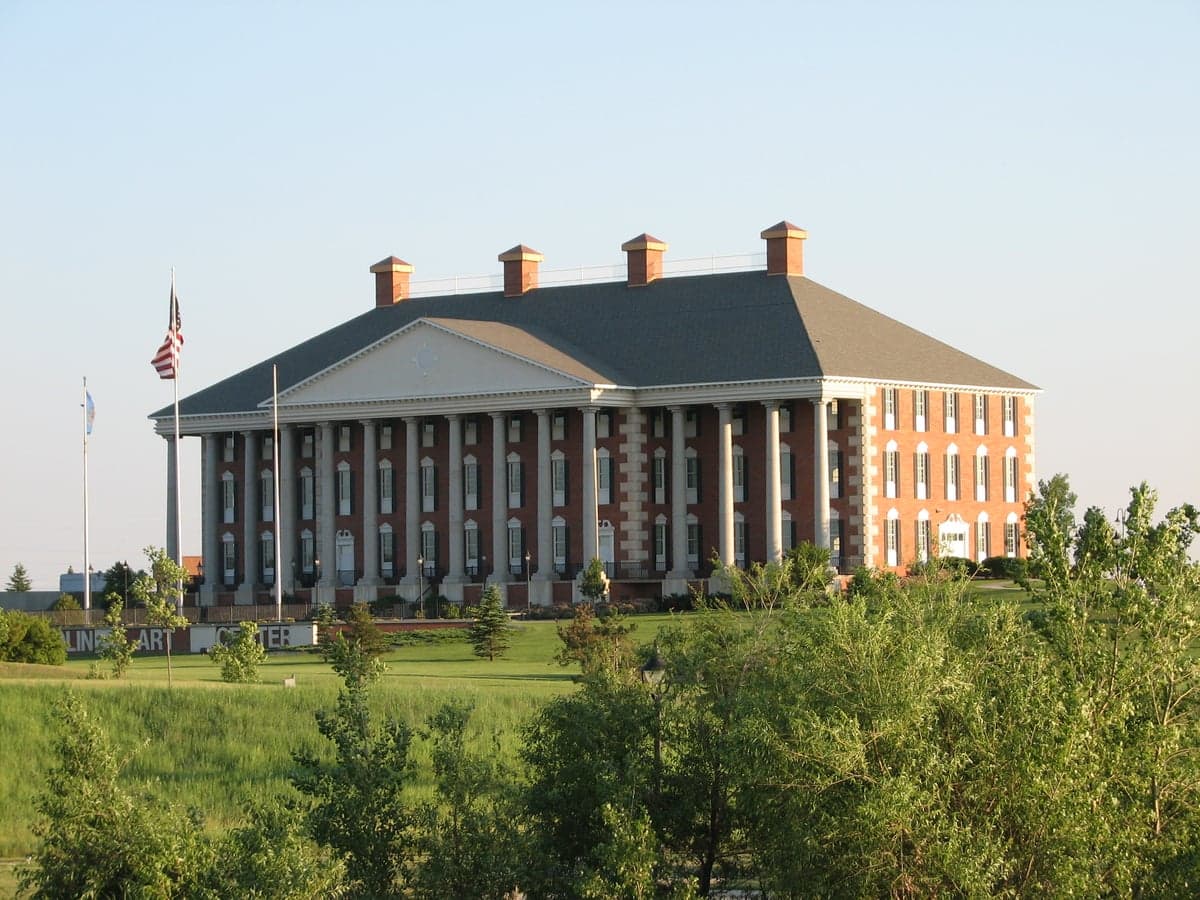
Daily life in Watertown revolves around a compact, walkable downtown and the expansive Lake Kampeska, a 5,000-acre natural lake that anchors summer recreation. The Watertown School District serves roughly 4,000 students and includes three elementary schools, a middle school, and Watertown High School, which maintains a graduation rate above 90%. For healthcare, Prairie Lakes Hospital provides a full-service emergency department and specialty clinics, reducing the need to travel to Sioux Falls for routine care. Retail and dining options are concentrated along U.S. Highway 212 and the downtown core, with national chains like Walmart and Hy-Vee supplemented by local eateries such as Dempsey’s Brewery & Restaurant. The Bramble Park Zoo, a 20-acre facility, and the Redlin Art Center—home to works by wildlife painter Terry Redlin—offer cultural anchors uncommon in a city of this size. Seasonal events like the Watertown Winter Wonderland and the Codington County Fair reinforce a tight-knit social rhythm.
Families and professionals who prioritize low cost of living, short commutes, and outdoor access will find Watertown a strong fit. The city’s economy is anchored by employers like 3M (manufacturing), Prairie Lakes Healthcare System, and the Watertown School District, providing stable employment in a region with unemployment rates consistently below 3%. Retirees on fixed incomes benefit from the low housing costs and the presence of a regional medical center. However, those seeking vibrant nightlife, diverse dining, or rapid career growth in tech or finance may find the slower pace limiting. For anyone valuing financial breathing room and a community where neighbors know each other, Watertown delivers a practical, grounded quality of life.

Crime in Watertown, SD
Lower crime rates than 86% of comparable U.S. locations.
Violent CrimeViolent Crime Analysis
Property CrimeProperty Crime Analysis
Crime Analysis
Watertown, South Dakota, reports a violent crime rate of 181.4 incidents per 100,000 residents and a property crime rate of 734.2 per 100,000, placing it below national averages for both categories. These figures suggest a generally safer environment than many comparably sized Midwestern communities, though residents should remain aware of localized risks. The city’s overall safety profile is shaped by its relatively low population density and a law enforcement approach that has not adopted the progressive prosecutorial policies seen in some larger jurisdictions.
Crime in context
Watertown’s violent crime rate of 181.4 per 100,000 is roughly half the national average of 380 per 100,000, while its property crime rate of 734.2 per 100,000 sits well below the U.S. figure of approximately 1,950 per 100,000. Compared to the state of South Dakota, which reports a violent crime rate near 400 per 100,000, Watertown is significantly safer. This divergence is notable because many small cities near larger metro areas experience elevated crime due to spillover effects, but Watertown’s distance from major urban centers like Sioux Falls (about 90 miles) limits that dynamic. The city’s justice system operates under traditional, conservative sentencing norms, which correlates with lower recidivism and fewer offenders cycling back onto the streets—a contrast to jurisdictions with progressive district attorneys who prioritize diversion over incarceration.
What residents experience
For daily life, Watertown’s crime patterns mean most residents encounter property offenses—theft, burglary, and vehicle break-ins—rather than violent confrontations. The property crime rate, while moderate, translates to roughly 7 incidents per 1,000 people annually, meaning a typical neighborhood block might see one or two such events per year. Violent crimes like assault or robbery are rare, and the city has not experienced the surge in carjackings or armed robberies common in areas with lenient bail policies. Residents generally feel safe walking downtown or using parks after dark, though standard precautions like locking vehicles and securing homes are advised. The absence of a progressive prosecutorial philosophy in Codington County means offenders face consistent consequences, which acts as a deterrent and reinforces public confidence in the justice system.
Neighborhood-level variation in Watertown is modest but worth noting. The historic downtown core and areas near Lake Kampeska see slightly higher foot traffic and occasional petty theft, while newer subdivisions on the city’s south and east sides report fewer incidents. The northwest quadrant, near the industrial park, has a marginally elevated property crime rate due to commercial activity. Overall, no single ward experiences violent crime at a rate that would warrant avoidance, and the city’s uniform policing strategy keeps risk evenly distributed. For families or retirees seeking a low-crime environment, Watertown’s data and judicial approach offer a clear advantage over similarly sized towns in states with more progressive criminal justice policies.
* Values derived from national, state, county, city and local statistics and may differ in a specific area. Last updated: 2026-04-30T21:12:55.000Z
Narrative content on this page is AI-generated and may contain mistakes. Verify any details that matter before acting on them.
ReloMaps may earn a commission from affiliate links at no extra cost to you.

