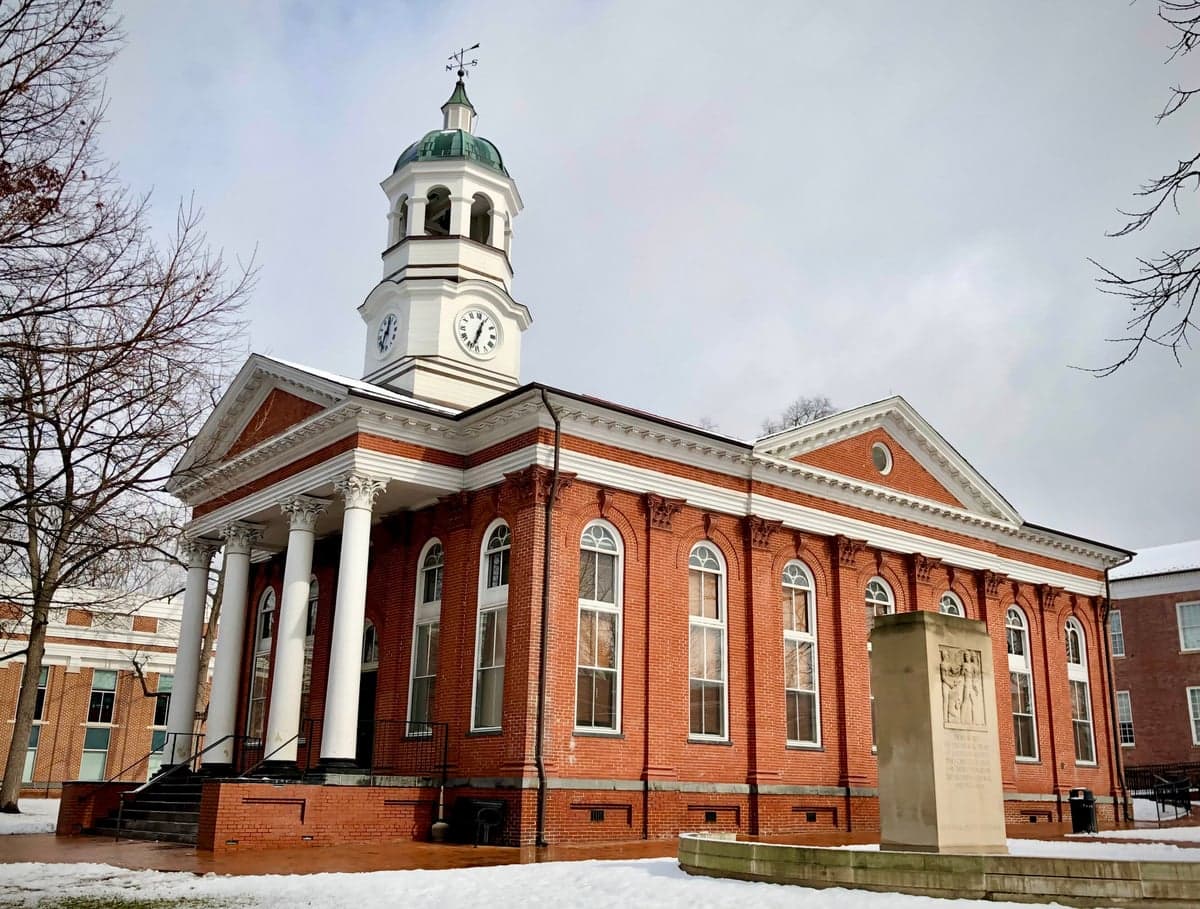
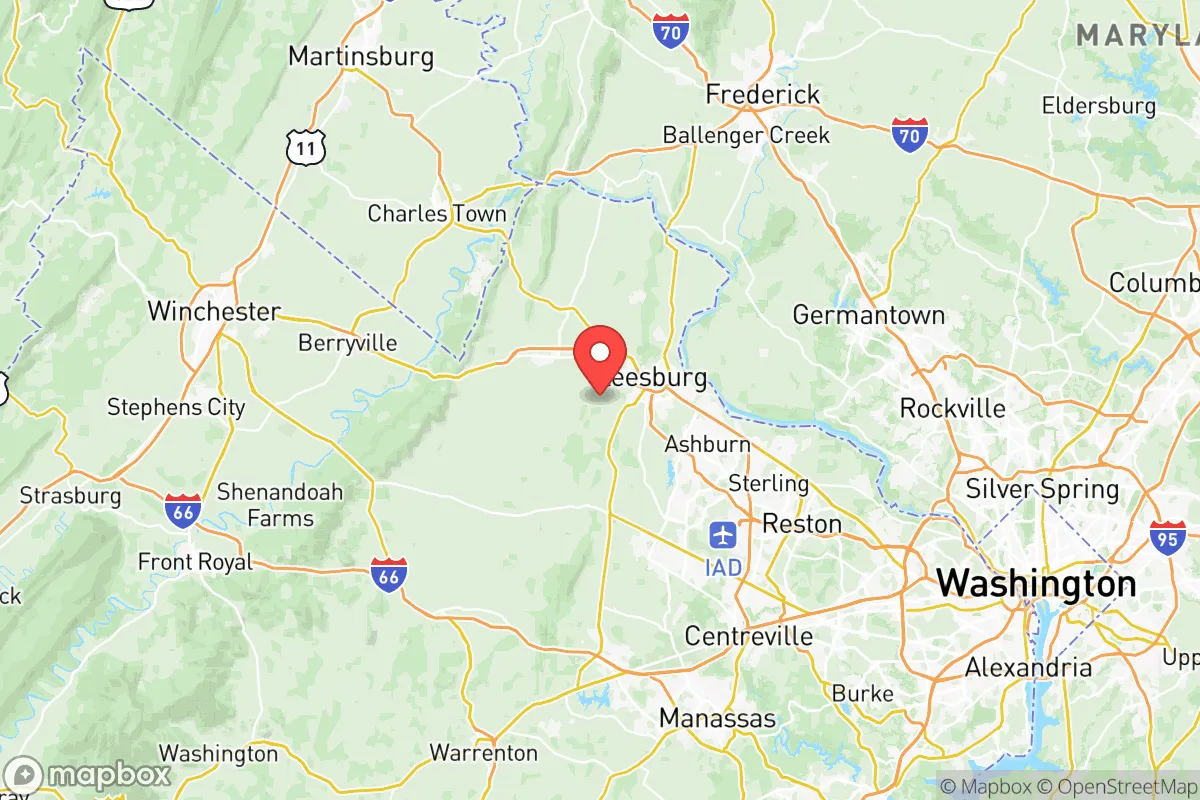
Photo: Wikipedia
Quality of Life in Loudoun County
A livable area that tracks near national norms for affordability, walkability, and neighborhood health.
What does Quality of Life tell us?
Quality of Life measures an area by evaluating factors like cost of living, nearby amenities, country club access, airport proximity, socioeconomic signals and neighborhood character. For large states, this is a general average — quality of life can vary dramatically between metro areas, suburbs, and rural communities within the same state.
What does this tell us?
Quality of Life measures an area by evaluating factors like cost of living, nearby amenities, country club access, airport proximity, socioeconomic signals and neighborhood character. For large states, this is a general average — quality of life can vary dramatically between metro areas, suburbs, and rural communities within the same state.
Cost of Living
119% above national average
89%
The Real Cost of Living in Loudoun County for 2026
| Tier | Individual | Family (4) |
|---|---|---|
| Survival | $37k | $70k |
| Comfortable | $136k | $200k |
| Luxury | $250k+ | $387k+ |
| Elite (Top 5%) | $294k+ | $455k+ |
Quality-of-Life Analysis
Loudoun County, Virginia, offers one of the most dramatic quality-of-life spectrums in the Washington, D.C. metro area, ranging from the dense, transit-oriented urbanism of its eastern towns to the horse-country estates and Appalachian foothill communities of its western half. The county’s character shifts distinctly along the Route 7 and Route 50 corridors, drawing tech professionals and federal contractors to its eastern job centers, while attracting families seeking larger lots and a slower pace to its western villages. With a cost-of-living index of 219 (more than double the national average) and a median home value of $701,000, the trade-offs between convenience, space, and price are sharply defined by geography.
Largest town(s) & population centers
The eastern third of Loudoun is anchored by Ashburn, Sterling, and Leesburg, which together form the county’s urbanized core. Ashburn, home to the massive One Loudoun mixed-use development and the Silver Line Metro’s Ashburn Station, is the epicenter of the county’s data-center economy and a magnet for young professionals and families working in tech or at Dulles International Airport. Daily life here revolves around walkable town-center plazas, high-rated public schools (including the Academy of Science magnet), and a commute averaging 31 minutes—often via the Dulles Greenway or Metro. Sterling, older and more established, offers a wider range of housing stock from 1970s split-levels to newer townhomes, with a median rent of $2,317 reflecting its proximity to Dulles and the Innovation Center tech corridor. Leesburg, the historic county seat, blends a walkable downtown with antique shops and the Loudoun County Courthouse square, attracting families who want a small-town feel with direct access to Route 7 and the W&OD Trail for cycling.
Smaller towns & rural pockets
West of Leesburg, the county opens into the Loudoun Valley, where towns like Purcellville, Round Hill, and Middleburg define a distinctly different lifestyle. Purcellville, the largest of the western towns, offers a walkable main street with breweries and the Franklin Park Arts Center, but its residents face a longer commute—often 45–60 minutes to Tysons or D.C.—traded for acreage and lower density. Middleburg is the heart of Virginia’s horse country, with fox-hunting estates, equestrian events, and the National Sporting Library & Museum; its median home value exceeds $900,000, reflecting the premium on land and exclusivity. Farther west, unincorporated areas like Bluemont and Lovettsville sit at the base of the Blue Ridge Mountains, offering true rural living with access to the Appalachian Trail and Harpers Ferry just across the Potomac. These pockets lack public water and sewer in many subdivisions, keeping home prices lower—often $500,000–$600,000 for a house on 2–5 acres—but requiring well and septic maintenance.
Cost & lifestyle range
The cost-of-living spread across Loudoun is as wide as its geography. At the high end, Ashburn’s Brambleton and Broadlands neighborhoods see median home values above $800,000, with HOAs covering amenities like pools, parks, and fiber-optic internet; the trade-off is tight lot sizes and HOA fees often exceeding $200/month. At the lower end, Sterling Park and parts of Dulles South (near South Riding) offer townhomes and condos in the $450,000–$550,000 range, with rents closer to the county median of $2,317. Western Loudoun’s rural areas, such as Waterford and Hamilton, present a different calculus: land is cheaper per acre, but commuting costs (both time and vehicle wear) are higher, and access to grocery stores and healthcare is limited to Leesburg or Purcellville. The county’s average commute of 31 minutes masks this divide—eastern residents often commute 20–25 minutes, while western residents may drive 40–50 minutes to reach the same employment hubs.
Loudoun County best suits those who can clearly prioritize between urban convenience and rural space. Tech workers and federal employees who value a short Metro ride to D.C. will find Ashburn and Sterling ideal, while equestrians, vintners, and remote workers seeking acreage will gravitate toward Middleburg, Bluemont, or Lovettsville. Families with school-age children benefit from the county’s top-ranked Loudoun County Public Schools system across all areas, but the choice of neighborhood often comes down to whether a 45-minute school bus ride is acceptable for a 5-acre lot. For those unwilling to compromise on either commute or land, the county’s high cost of living—219 on the index—makes it one of the most expensive places in Virginia, but the diversity of lifestyle options within its 520 square miles is unmatched in the region.

Crime in Loudoun County
Generally safer than 61% of comparable U.S. locations.
Violent CrimeViolent Crime Analysis
Property CrimeProperty Crime Analysis
Crime Analysis
Loudoun County, Virginia, consistently ranks among the safest large counties in the United States, with a violent crime rate of 203 incidents per 100,000 residents and a property crime rate of 1,344.2 per 100,000. These figures place the county well below national averages, though residents in certain areas—particularly around the Route 7 corridor and the more densely developed eastern towns—report higher incidences of property theft and vehicle break-ins. The county’s overall safety profile is strong, but localized crime patterns and the influence of progressive judicial policies in Northern Virginia warrant close attention for anyone considering relocation.
Crime in context
Loudoun County’s violent crime rate of 203 per 100,000 is roughly 30% lower than the national average of 380 per 100,000 and significantly below the Virginia state average of 240 per 100,000. Property crime, at 1,344.2 per 100,000, also undercuts the national figure of 1,954 per 100,000. However, these county-wide averages mask variation: the eastern towns of Sterling and Ashburn, which are closer to Washington, D.C., and have higher population density, see elevated property crime rates—particularly larceny from vehicles and package thefts. In contrast, the western towns of Purcellville, Round Hill, and Middleburg report violent crime rates below 100 per 100,000, making them among the safest communities in the state. The county’s overall safety is bolstered by a well-funded sheriff’s office and a relatively affluent population, but the broader Northern Virginia region’s progressive district attorneys—such as those in neighboring Fairfax County—have raised concerns about lenient sentencing for repeat offenders, which can spill over into Loudoun’s border areas.
What residents experience
Most Loudoun residents report feeling safe in their daily lives, with the most common crimes being non-violent: vehicle break-ins, bicycle thefts, and package thefts account for nearly 60% of all reported incidents. Violent crime is rare but not absent; the county recorded 203 violent crimes per 100,000 in the most recent data, with aggravated assault making up the majority. Robbery and homicide rates are extremely low—typically fewer than 5 homicides per year county-wide. The Leesburg area, particularly around the historic downtown and the Route 15 corridor, sees slightly higher rates of disorderly conduct and drug-related offenses, though these remain below state averages. Residents in the Brambleton and Broadlands neighborhoods of Ashburn consistently report feeling secure, with neighborhood watch programs and private security patrols common in these planned communities. The county’s emergency response times average under 8 minutes for priority calls, a key factor in maintaining public confidence.
Neighborhood-level variation
Safety in Loudoun County varies notably by geography and housing density. The eastern “urban crescent” stretching from Sterling through Ashburn to Dulles has property crime rates roughly 20% higher than the western towns, driven by transient populations near the airport and major employment centers. The western towns of Purcellville, Lovettsville, and Hamilton benefit from lower population density and strong community policing, with violent crime rates often below 50 per 100,000. The county’s judicial system, while generally conservative compared to Fairfax or Arlington, has seen increasing pressure from progressive advocacy groups to adopt “restorative justice” programs—a trend that critics argue reduces accountability for property offenders. For prospective residents, the safest bets remain the western towns and the newer planned communities in Ashburn, while those considering Sterling or eastern Leesburg should prioritize secure parking and package delivery solutions. Overall, Loudoun County offers a high baseline of safety, but vigilance is warranted in areas with higher transient populations and where progressive judicial philosophies may influence sentencing outcomes.
* Values derived from national, state, county, city and local statistics and may differ in a specific area. Last updated: 2026-05-12T16:50:56.000Z
Narrative content on this page is AI-generated and may contain mistakes. Verify any details that matter before acting on them.
ReloMaps may earn a commission from affiliate links at no extra cost to you.

