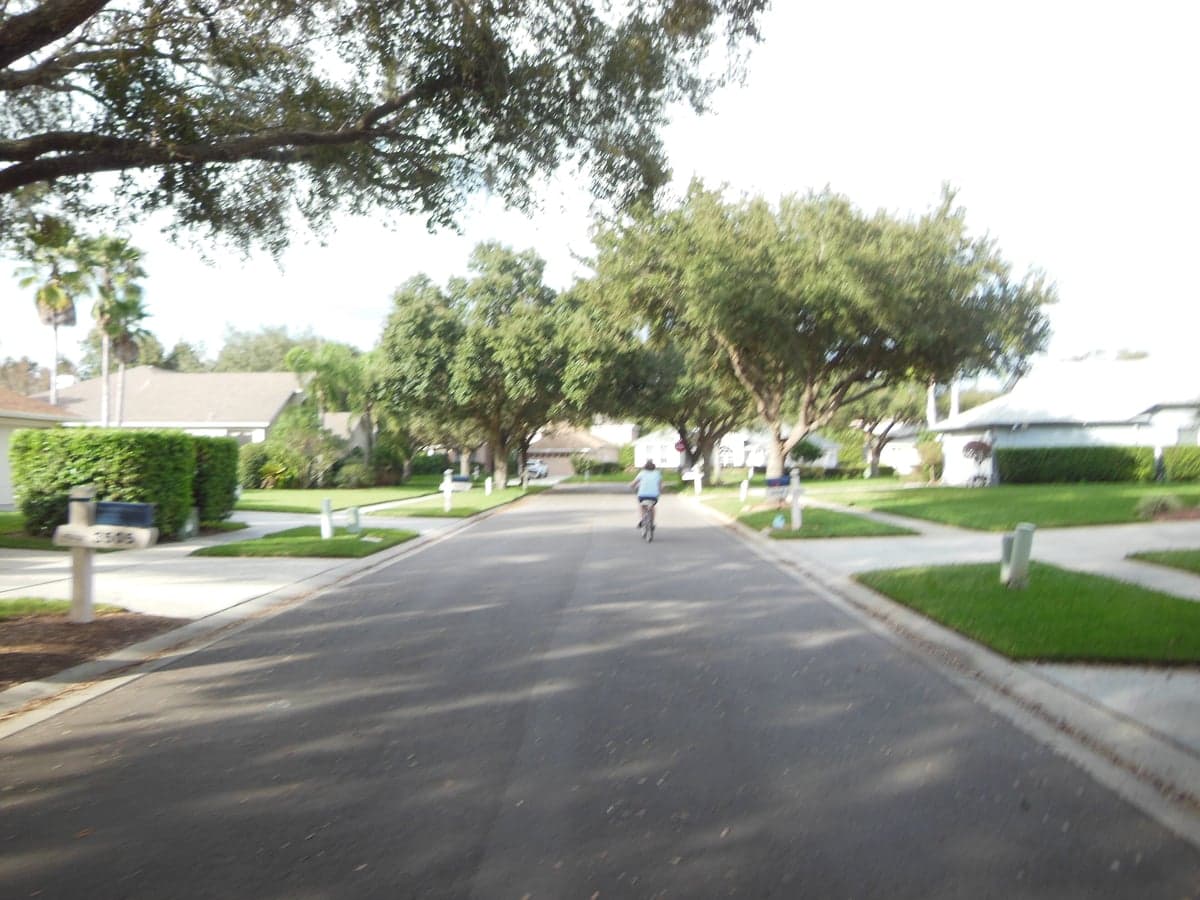
Photo: Wikipedia
Political ClimatePolitical Climate in Valrico, FL
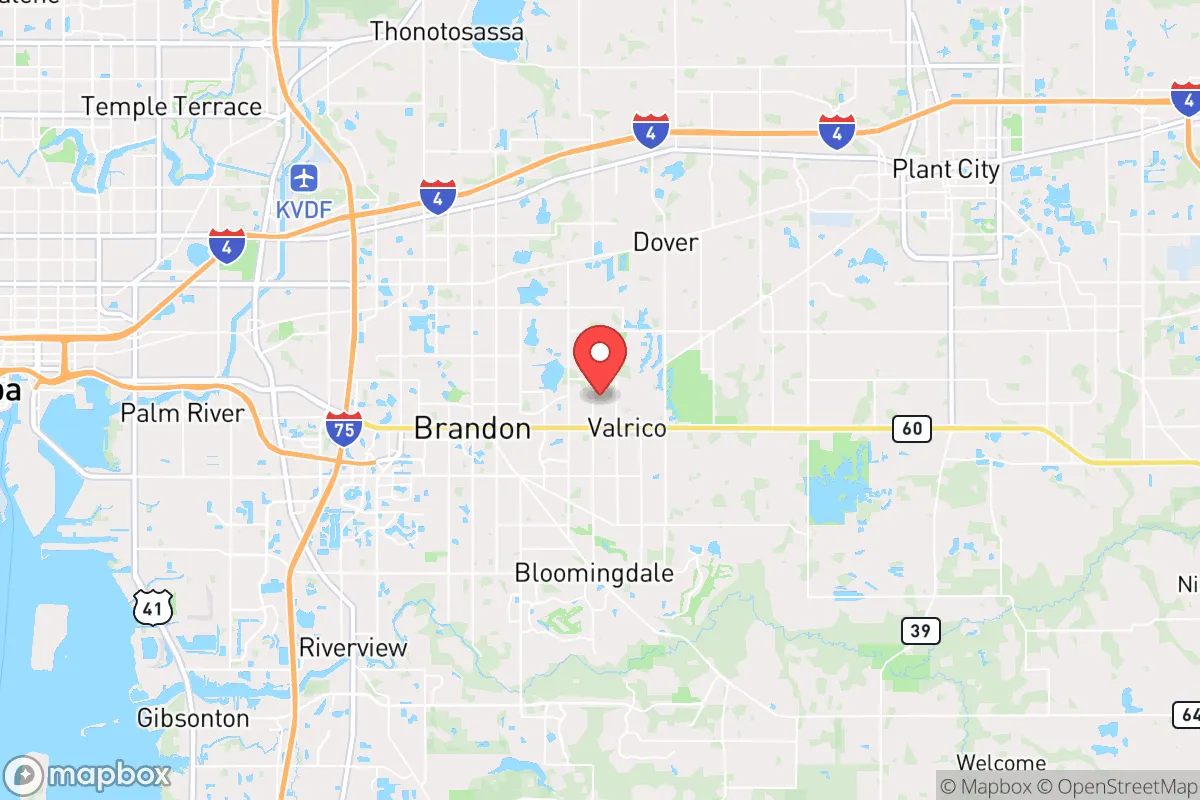
District shown is the primary district for this city’s centroid. Cities may span multiple districts.
Local Political AnalysisPolitical Analysis of Valrico, FL
Valrico, Florida, is a reliably conservative community that has held steady in its political leanings even as the broader Tampa Bay region has seen some shifts. With a Cook Partisan Voting Index (PVI) of R+5, the area votes about five points more Republican than the national average, a figure that matches the state of Florida’s overall PVI of R+5. This means Valrico isn’t an outlier within Florida—it’s right in the mainstream of the state’s political center of gravity. If you’ve lived here a while, you’ve seen the same pattern: local elections, from county commission to school board, tend to be decided in Republican primaries, and the area has a strong, consistent GOP turnout in presidential and midterm years.
How it compares
Valrico’s R+5 rating puts it in the same partisan ballpark as the state as a whole, but the local political texture is distinct from some of its neighbors. Drive a few miles west into Tampa’s urban core, and you’ll hit areas like Seminole Heights or South Tampa, which lean more Democratic or are competitive. Head east into rural Polk County, and you’ll find even redder territory—places like Lakeland or Bartow that can run R+10 or deeper. Valrico sits in that comfortable middle ground: conservative but not hardline, with a mix of longtime families and newer transplants from the Midwest and Northeast who often bring their own conservative or moderate views. The surrounding county, Hillsborough, has been trending slightly more purple in recent cycles due to growth in Tampa and Brandon, but Valrico itself has remained a steady Republican stronghold. In the 2024 presidential race, for example, the precincts around Valrico voted roughly 58-60% Republican, mirroring the statewide result.
What this means for residents
For conservative residents, Valrico feels like a place where their values are the default. Local government tends to prioritize low taxes, limited regulation, and support for law enforcement. School board meetings and county commission hearings often reflect a fiscally conservative, pro-business outlook. You’ll see plenty of yard signs for Republican candidates during election season, and local civic groups like the Valrico Republican Club are active. For liberal residents, the reality is that you’re in the minority, but not in a hostile way. Most people are neighborly and respectful—politics rarely comes up at the grocery store or the Little League game. That said, progressive candidates or causes rarely gain traction in local elections, and policy debates tend to center on growth management, traffic, and school funding rather than social issues. If you’re a Democrat, you’ll find your political home more in Tampa or St. Petersburg, but you can live comfortably in Valrico without feeling isolated.
Cultural and policy distinctions
One thing that sets Valrico apart from some other R+5 areas in Florida is its relative stability. While places like The Villages or Naples have seen explosive growth and a surge of out-of-state retirees, Valrico’s growth has been more organic and family-driven. The area hasn’t experienced the same kind of political polarization you see in some fast-growing exurbs. Policy-wise, Valrico residents generally support the state’s conservative direction—stand your ground laws, school choice, and low property taxes are popular. But there’s also a practical streak: when a local road needs widening or a new school is needed, the community tends to rally behind pragmatic solutions rather than ideological purity. Looking ahead, as Tampa’s suburban sprawl continues eastward, Valrico may see more diverse newcomers, but for now, it remains a reliably red community that reflects the broader Florida political landscape without the sharp edges of more polarized enclaves.

State Political ClimatePolitical Climate in Florida
State Political AnalysisPolitical Environment in the State
Florida is a Republican-leaning state with a Cook PVI of R+5, but calling it a simple red state misses the real story. Over the past 20 years, Florida has shifted from a classic swing state—where elections were decided by razor-thin margins—to a solidly right-of-center powerhouse, driven by a massive influx of conservative-leaning transplants from the Northeast and Midwest, plus a growing Hispanic electorate in places like Miami-Dade that has moved rightward. The dominant coalition is a mix of suburban retirees, rural conservatives, and a significant bloc of working-class and Latino voters who have broken with national Democratic trends, giving Republicans a durable edge in statewide races since 2020.
Urban vs. rural divide
The political map of Florida is starkly divided. The major urban cores—Miami, Orlando, Tampa, and Jacksonville—are Democratic strongholds, but their influence is diluted by sprawling, fast-growing suburbs and exurbs that lean heavily Republican. For example, Miami-Dade County, once a Democratic bastion, has shifted dramatically: in 2020, Donald Trump won it outright, a feat no Republican had pulled off since 1988. Meanwhile, the Panhandle and rural North Florida—places like Panama City and Gainesville (the latter a blue island in a red sea)—vote overwhelmingly Republican, with margins often exceeding 30 points. The I-4 corridor, stretching from Tampa through Lakeland to Daytona Beach, remains the state's biggest battleground, but even there, suburban counties like Polk and Volusia have trended right since 2016. The net effect: Democrats win the cities, but Republicans dominate everything in between.
Policy environment
Florida’s policy environment is defined by low taxes and a light regulatory touch, which is a major draw for conservative relocators. There is no state income tax, and property taxes are capped by the Save Our Homes amendment, which limits annual increases to 3% for homesteaded properties. The state’s regulatory posture is business-friendly, with a right-to-work law and minimal zoning restrictions in many areas. On education, Florida has been a national leader in school choice: the Family Empowerment Scholarship program and the new universal school choice law (HB 1, passed in 2023) allow nearly all families to use state funds for private or homeschool expenses. Healthcare policy leans toward market-based solutions, with no state-level Medicaid expansion under the Affordable Care Act, though the state has a robust network of federally qualified health centers. Election laws have been tightened since 2020: SB 90 (2021) added stricter voter ID requirements, limited drop boxes, and restricted third-party ballot collection, while SB 7050 (2023) further restricted voter registration drives. For a conservative resident, these policies feel like common-sense safeguards; for a liberal one, they can feel like barriers to participation.
Recent policy direction
The last three years have seen a flurry of legislation that signals where Florida is headed. On gun and self-defense law, Florida became a permitless carry state with HB 543 (2023), allowing concealed carry without a license or training, though open carry remains illegal. Parental and education rights have been a flashpoint: the Parental Rights in Education Act (HB 1557, 2022), dubbed “Don’t Say Gay” by critics, restricts classroom instruction on sexual orientation and gender identity through third grade, and was expanded to all grades in 2023. Speech is broadly protected, but the state has targeted “deplatforming” by social media companies with SB 7072 (2021), which limits content moderation—a law currently tied up in court. Privacy and surveillance saw a shift with the passage of a biometric privacy law (HB 969, 2023) that restricts private entities from collecting biometric data without consent. On medical and bodily autonomy, Florida banned abortion after six weeks with HB 5 (2023), with exceptions for rape, incest, and the life of the mother—a sharp contrast to the pre-2022 15-week limit. Property rights are strongly protected, with the Live Local Act (2023) preempting local zoning to encourage affordable housing development. Taxation remains low, but the state has not moved toward a flat income tax (it has none), and sales tax is at 6%, with local options pushing it higher in some counties. Voting and ballot access have been tightened, as noted, but early voting and mail-in voting remain available, with no-excuse absentee ballots still in place.
Civil unrest & political movements
Florida has seen its share of political flashpoints, but large-scale civil unrest has been relatively contained compared to states like Oregon or Minnesota. The 2020 Black Lives Matter protests in Miami, Orlando, and Tampa were significant but mostly peaceful, with some property damage in downtown Miami. Since then, organized activism has been more focused on legislative battles. On the right, groups like Moms for Liberty have been highly active in school board races and library challenges, particularly in suburban counties like Pasco and St. Johns. On the left, the Florida Rising coalition and local chapters of the ACLU have mobilized around voting rights and abortion access, with protests at the state capitol in Tallahassee during the 2023 special session on abortion. Immigration politics are a constant undercurrent: Florida passed SB 1718 (2023), one of the nation’s toughest anti-illegal immigration laws, requiring hospitals to ask about immigration status and mandating E-Verify for employers with 25+ workers. There are no sanctuary cities in Florida—the state banned them in 2019—and Governor Ron DeSantis has made immigration enforcement a signature issue, including the controversial flights of migrants to Martha’s Vineyard. Election integrity remains a live issue: the 2020 and 2022 elections were certified without major controversy, but the state’s Office of Election Crimes and Security, created in 2022, has pursued prosecutions for alleged voter fraud, though convictions have been few. A new resident would notice the political polarization in yard signs, bumper stickers, and local news coverage, but the day-to-day vibe is more “live and let live” than constant confrontation.
Projection
Over the next 5-10 years, Florida is likely to remain Republican-leaning, but the margin could narrow. The state is growing fast—about 1,000 new residents per day—and many of those newcomers are conservative-leaning retirees and remote workers from high-tax states like New York and California. However, younger, more diverse populations in Orlando and Tampa could shift the suburbs leftward over time, especially if national Democratic messaging improves. The Hispanic vote, particularly in Miami-Dade, is a wild card: Cuban-American voters have trended Republican for decades, but Puerto Rican and South American voters in central Florida are more swingy. If the GOP overreaches on abortion or immigration, it could lose some suburban women and moderate Hispanics. Conversely, if the state’s economy remains strong and housing stays relatively affordable (a big if), the conservative coalition could hold. Expect continued battles over education, abortion, and property insurance—the latter is a growing crisis that could become a political liability. For a relocator, the bottom line is that Florida will likely be a red state with a competitive edge for the next decade, but not a deep-red one like Alabama or Mississippi.
For a new resident, the practical takeaway is this: if you lean conservative, you’ll find a state government that largely aligns with your values on taxes, education, and personal liberty. If you lean liberal, you’ll still have plenty of company in the cities and suburbs, but you’ll need to accept that state policy will often run counter to your preferences—especially on abortion, gun rights, and immigration. Either way, Florida’s political climate is dynamic and in-your-face, but the state’s sheer size and diversity mean you can find a community that fits, whether that’s a red-leaning suburb like Naples or a blue-leaning enclave like St. Petersburg. Just be prepared for the heat—both the weather and the politics.
* Values derived from national, state, county, city and local statistics and may differ in a specific area. Last updated: 2026-06-30T04:12:53.000Z
Narrative content on this page is AI-generated and may contain mistakes. Verify any details that matter before acting on them.
ReloMaps may earn a commission from affiliate links at no extra cost to you.

