Photo: Wikipedia
Demographics of Valrico, FL
Affluence Level in Valrico, FL
A middle-class area roughly in line with national averages across income, home values, education, and employment.
People of Valrico, FL
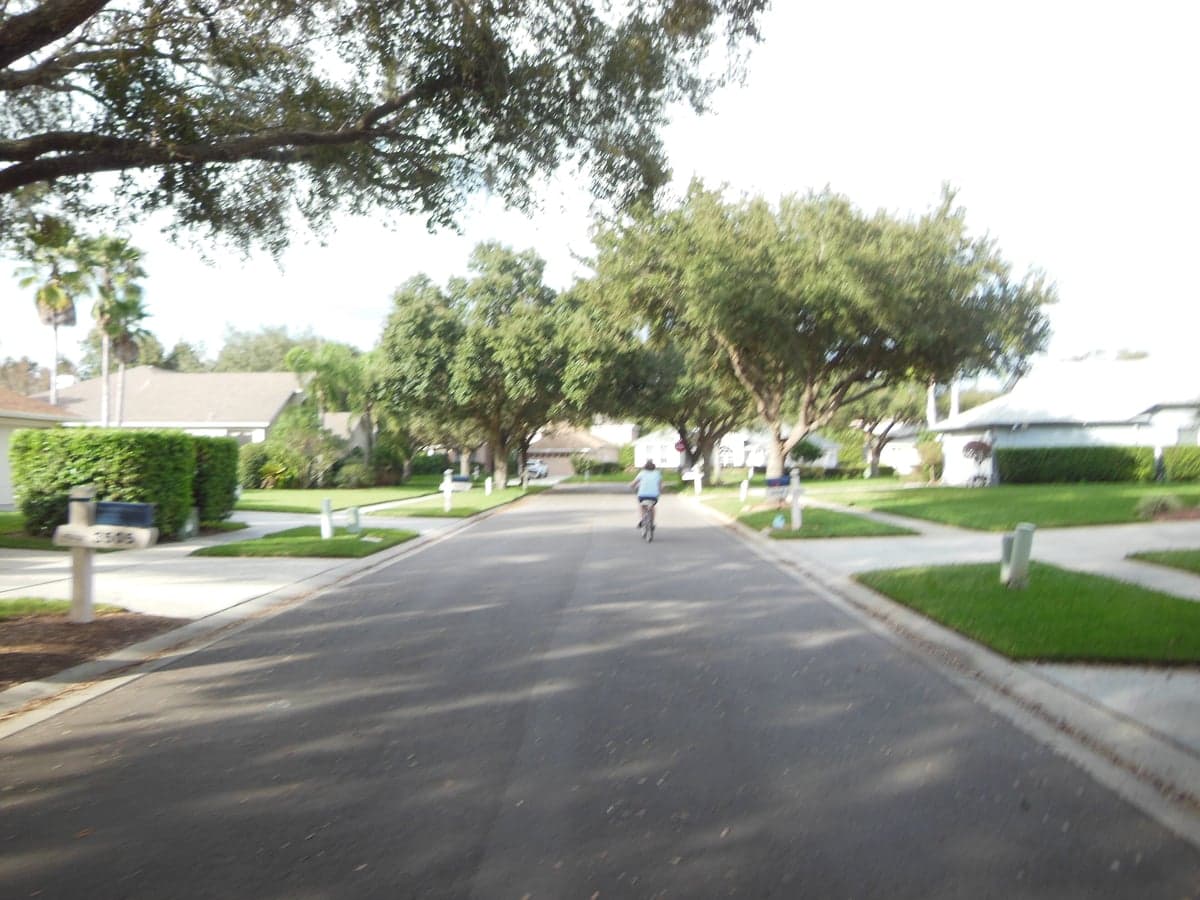
Valrico, Florida, home to nearly 39,000 residents, is a predominantly suburban community with a distinctly family-oriented and increasingly diverse character. While still majority White, the city has a growing Hispanic population that now comprises over a fifth of residents, alongside stable Black and Indian-subcontinent communities. This demographic mix gives Valrico a texture that is more varied than many of its neighboring unincorporated areas in Hillsborough County, though it remains a place where single-family homes and conservative-leaning values shape daily life.
How the city was settled and grew
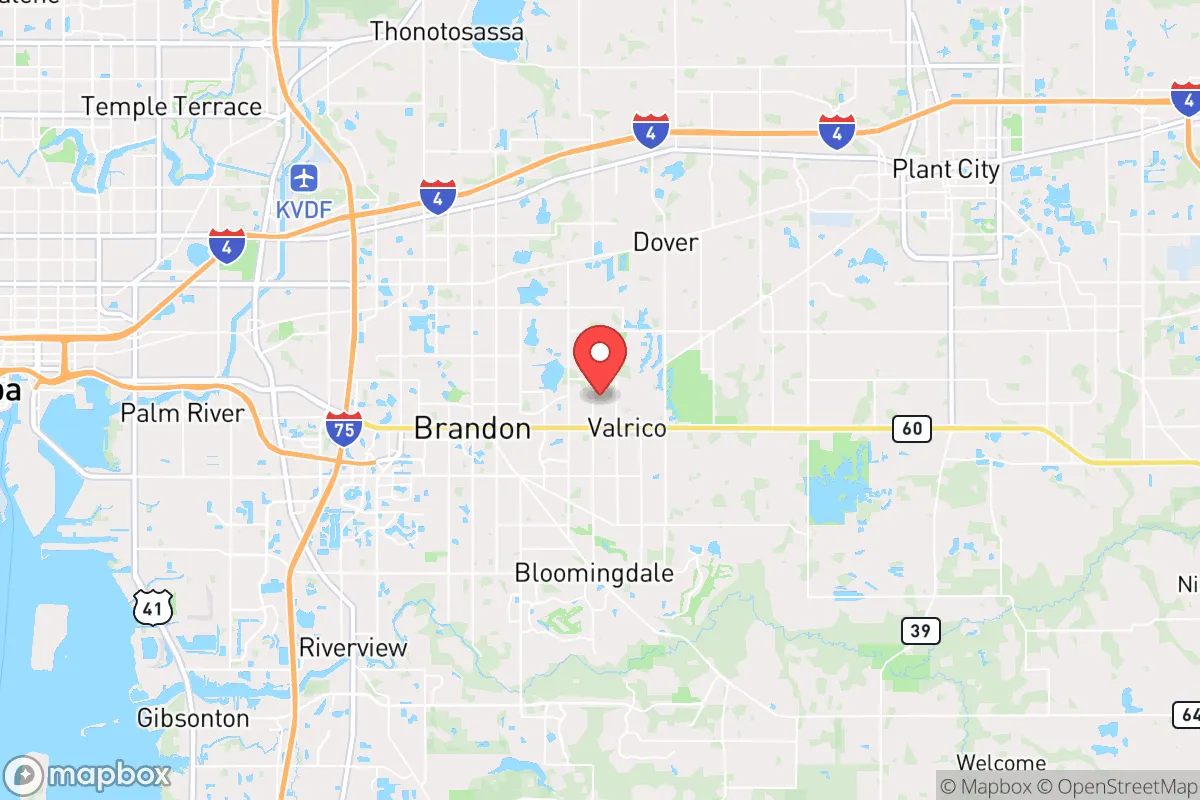
Unlike older Florida towns with deep 19th-century roots, Valrico did not exist as a named community until the early 20th century. The area was originally pine flatwoods and cattle range, sparsely populated by ranchers and a handful of homesteaders. The town's name—a portmanteau of "Valley" and "Rico"—was chosen by developers in the 1910s who envisioned a citrus and agricultural hub. Those first residents were mostly White farmers and laborers from the rural South, drawn by land grants and the promise of the new railroad line connecting Tampa to the east coast. The original settlement clustered around what is now State Road 60 and Valrico Road, forming the historic core now referred to as Old Valrico. By the 1940s, the community remained a tiny crossroads, with fewer than 500 residents, primarily engaged in citrus groves and cattle.
Modern era (post-1965)
The population of Valrico exploded after 1965, driven by the same Sun Belt migration that transformed all of Hillsborough County. The opening of the Interstate 75 corridor and the expansion of Tampa's suburbs pushed development eastward. Between 1980 and 2000, Valrico's population roughly tripled, as White middle-class families from the Northeast and Midwest moved into new subdivisions carved from former orange groves. Key neighborhoods from this era include Bloomingdale, a master-planned community built around a golf course and the Bloomingdale Regional Library, which became the epicenter of family-oriented suburban life. Further south, the area around Boyette Road and Bell Shoals Road saw rapid growth of gated communities and large-lot homes, attracting professionals commuting to Tampa and Brandon. This wave was overwhelmingly White and non-Hispanic.
The demographic picture began to shift noticeably after 2000. Hispanic in-migration, particularly from Puerto Rico and Mexico, accelerated significantly between 2010 and 2020, with the Hispanic share rising from roughly 12% to over 22%. These families concentrated in the established subdivisions of the Boyette Springs area and along the Lithia-Pinecrest corridor, drawn by affordable housing and proximity to service-sector and construction jobs in the Tampa metro. The Black population, while smaller at 11.7%, has a longer history in the area's rural pockets but has grown modestly through relocation from Tampa proper, with clusters in neighborhoods near the intersection of State Road 60 and Lithia Pinecrest Road. The Indian-subcontinent community (1.9%) and East/Southeast Asian community (1.1%) are newer arrivals, concentrated in the Bloomingdale and Boyette Road areas, often drawn by the school system and professional opportunities at hospitals and tech firms in Brandon and Tampa.
The future
Valrico's population is trending toward greater ethnic diversity, but at a slower pace than Hillsborough County as a whole. The White share has fallen from over 70% in 2000 to 57.7% today, and this decline is expected to continue as the area's housing stock ages and new construction targets more affordable, denser housing. The Hispanic population is projected to approach 30% within the next decade, driven by both natural increase and continued migration from Puerto Rico and Central America. Newer subdivisions, such as the sprawling developments near Boyette Road and Bell Shoals Road, are more diverse than older neighborhoods like Old Valrico, which remain predominantly White. The foreign-born share (4.7%) is below the national average, indicating that most growth is from domestic migrants and second-generation families rather than new international arrivals. The city is unlikely to become as diverse as Tampa or Brandon, but the cultural identity is slowly evolving from a classic "White flight" suburb into a more multiethnic, family-oriented community where conservative politics and evangelical churches remain influential, but Spanish is increasingly heard in the grocery aisles and at school events.
For someone moving to Valrico now, the city offers a stable, suburban environment with good schools and a lower crime rate than Tampa proper. The direction of change is toward a more Hispanic-influenced, middle-class community that is becoming less insular. The demographic data suggests Valrico will remain a comfortable, family-first suburb—not a melting pot, but a place where different groups increasingly share the same subdivisions and school zones. The key question for new residents is which neighborhood fits their lifestyle: the established, mostly White and older Bloomingdale area; the newer, more diverse Boyette corridor; or the quieter, rural-adjacent pockets near the Alafia River. Each offers a slightly different version of the same basic proposition: affordable Florida suburban living with a conservative tilt and a growing sense of variety.

* Values derived from national, state, county, city and local statistics and may differ in a specific area. Last updated: 2026-06-30T04:12:53.000Z
Narrative content on this page is AI-generated and may contain mistakes. Verify any details that matter before acting on them.
ReloMaps may earn a commission from affiliate links at no extra cost to you.

