
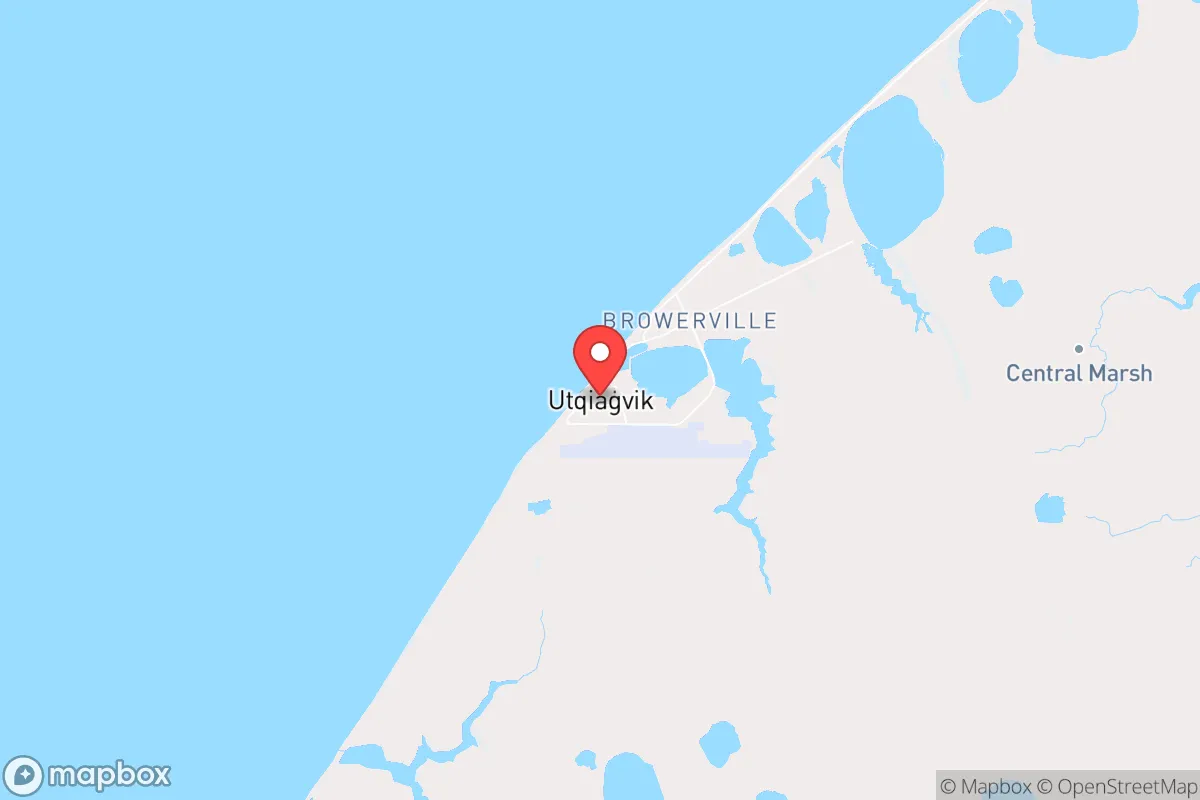
Photo by Caleb Riston on Unsplash
Quality of Life in Utqiavik, AK
A high quality of life with strong walkability, manageable living costs, healthy neighborhood signals, and solid amenity access.
What does Quality of Life tell us?
Quality of Life blends cost of living, nearby amenities, socioeconomic signals, and neighborhood character. City-level scores represent the whole municipality; individual neighborhoods can differ.
What does this tell us?
Quality of Life blends cost of living, nearby amenities, socioeconomic signals, and neighborhood character. City-level scores represent the whole municipality; individual neighborhoods can differ.
Cost of Living
1% above national average
The Real Cost of Living in Utqiavik, AK for 2026
| Tier | Individual | Family (4) |
|---|---|---|
| Survival | $19k | $36k |
| Comfortable | $55k | $81k |
| Luxury | $151k+ | $234k+ |
| Elite (Top 5%) | $178k+ | $275k+ |
110%
The Area Signal
A metric tracking the socioeconomic signals of the area.
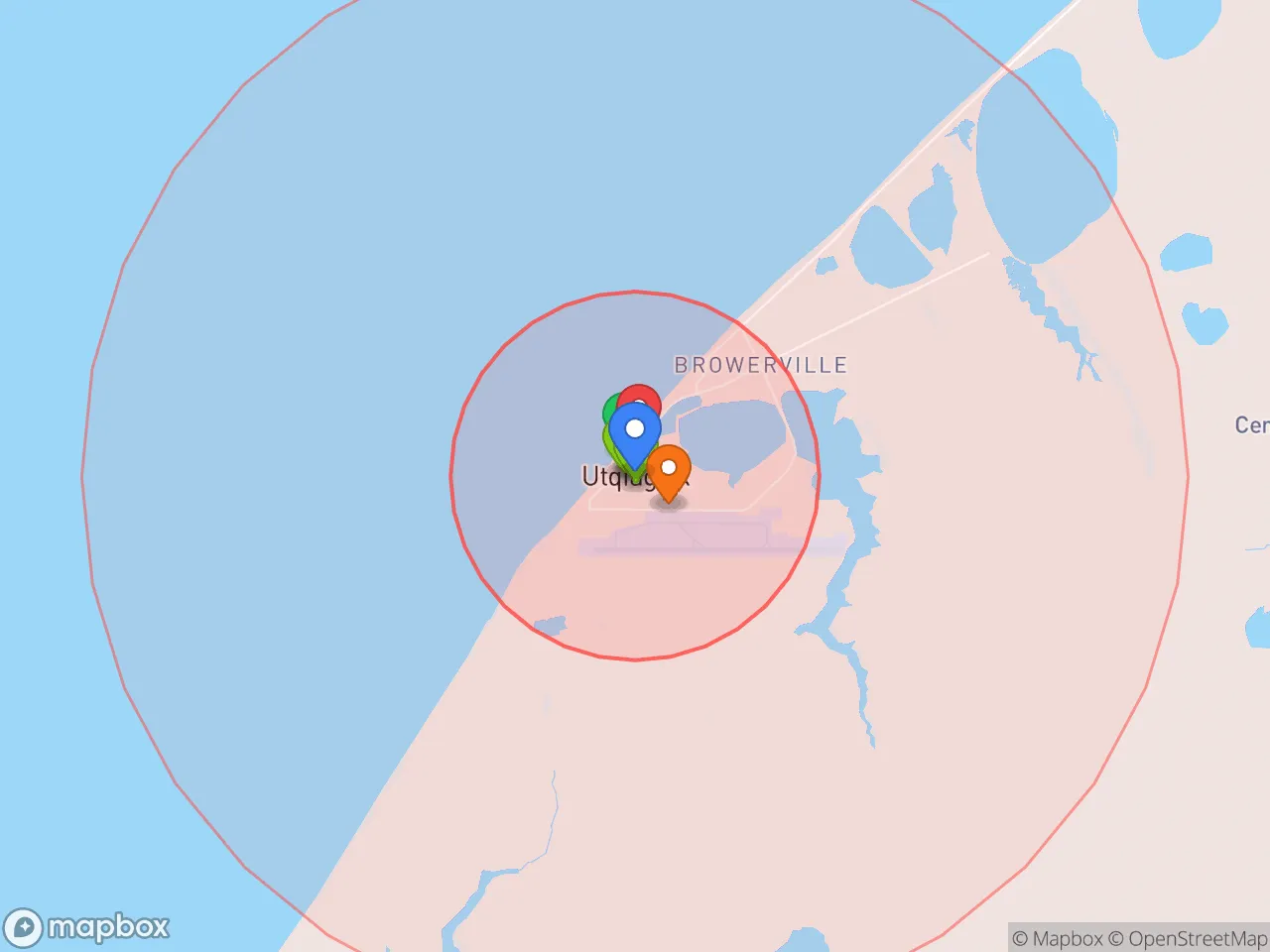
Hobbies
Explore the areaGroceries
0 within 10 miles
Gas
0 within 10 miles
Hospital
1 within 20 miles
Airport
Post Office
USPS — Utqiaġvik, AK
Critical Amenities
Quality-of-Life Analysis
Utqiaġvik (formerly Barrow) is the northernmost community in the United States, and its quality of life is defined by extreme geography, a subsistence-based Iñupiat culture, and a cost of living that sits almost exactly at the national average (COL index 101). The population of roughly 4,500 is predominantly Alaska Native, with a strong presence of public-sector workers, healthcare professionals, and educators drawn by the North Slope Borough’s well-funded services. Affluence here is not measured by luxury homes but by access to traditional foods, community cohesion, and the stability provided by oil-tax-funded infrastructure—median household income hovers around $84,000, well above the state median, yet the remote setting creates a lifestyle that is materially simple and socially rich.
Cost of living, housing affordability, and how Utqiaġvik compares to other Alaska towns
Despite a cost-of-living index of 101—essentially on par with the U.S. average—Utqiaġvik’s housing market is a study in extremes. The median home value of $282,400 is roughly 40% higher than the national median, reflecting the high cost of construction and shipping materials to the Arctic coast. Rents are more moderate, with a median of $1,190, which is actually below the Alaska state median of roughly $1,300. Compared to Anchorage (COL index 128) or Fairbanks (COL index 125), Utqiaġvik is surprisingly affordable for renters, largely because the North Slope Borough subsidizes some housing and utilities. However, the average commute of just 19.5 minutes is a major quality-of-life win—there are no traffic jams, and most residents live within a few miles of work, school, and the grocery store. The trade-off is that nearly all food, fuel, and goods must be flown or barged in, making a gallon of milk routinely $8–$10 and a loaf of bread $5–$6. For newcomers, the sticker shock at the store is the real affordability challenge, not the rent or mortgage.
What daily life is like: schools, amenities, and the rhythm of the Arctic
Daily life in Utqiaġvik is shaped by two months of total darkness in winter and two months of 24-hour daylight in summer. The town’s amenities are modest but functional: a modern hospital (Samuel Simmonds Memorial Hospital), a well-stocked AC Value Center grocery store, several restaurants serving both American and traditional Iñupiat dishes, and the Inupiat Heritage Center museum. The North Slope Borough School District operates three schools—Fred Ipalook Elementary, Hopson Middle School, and Barrow High School—with a student-teacher ratio of roughly 15:1 and strong per-pupil funding from oil revenues. Extracurriculars include basketball, cross-country running, and the celebrated Barrow High School Whalers football team, which plays on a gravel field. The rhythm of life revolves around subsistence hunting and fishing: many families spend weekends on the tundra or ice harvesting caribou, bowhead whales, seals, and fish, which fills freezers and provides cultural continuity. Internet is available but slow and expensive, and there are no roads connecting Utqiaġvik to the rest of Alaska—all travel is by air or, in winter, by snowmachine across the sea ice.
Utqiaġvik is not a place for those seeking urban convenience, warm weather, or a low-maintenance lifestyle. It is a community for people who value cultural immersion, resilience, and a deep connection to the natural world. Professionals in healthcare, education, and public administration will find stable, well-paying jobs and a tight-knit social fabric. Families who embrace outdoor subsistence activities and can tolerate extreme cold and isolation will discover a quality of life rooted in tradition, mutual support, and the stark beauty of the Arctic—a life that is materially simple but rich in purpose and community.

Crime in Utqiavik, AK
Higher crime rates than 66% of comparable U.S. locations.
Violent CrimeViolent Crime Analysis
Property CrimeProperty Crime Analysis
Crime Analysis
Utqiaġvik, Alaska, presents a safety profile that diverges sharply from national averages, with crime rates significantly elevated across both violent and property categories. The overall safety picture is one where residents contend with a higher likelihood of victimization compared to most U.S. communities, a reality shaped by the city's remote Arctic location, socioeconomic pressures, and a justice system that, like much of Alaska, operates under a framework that can prioritize rehabilitation over incarceration. For those considering relocation, understanding these risks is essential for making an informed decision.
Crime in context
Utqiaġvik's violent crime rate stands at 726.6 incidents per 100,000 residents, more than double the national average of roughly 380 per 100,000. Property crime is similarly elevated at 1,909.5 per 100,000, compared to the U.S. rate of approximately 1,954 per 100,000—though this figure is slightly below the national average, it remains high for a community of its size. When compared to the rest of Alaska, which consistently ranks among the highest states for violent crime, Utqiaġvik's rates are notably above the state average of about 800 per 100,000 for violent crime. The North Slope Borough, which encompasses the city, has a justice system that, in line with broader progressive trends in Alaska's judiciary, often emphasizes restorative justice and alternatives to incarceration. While sympathetic to offenders, this approach can result in more criminals remaining on the street, directly impacting public safety and victim justice.
What residents experience
Daily life in Utqiaġvik involves a heightened awareness of personal safety, particularly regarding alcohol-fueled assaults and domestic violence, which are the most common violent crimes. Theft and burglary are the primary property concerns, often targeting unoccupied homes or vehicles. The city's small, tight-knit population means that victims and offenders are frequently known to each other, which can complicate reporting and prosecution. The local police department, the North Slope Borough Police Department, is the primary law enforcement agency, but its resources are stretched thin across a vast, isolated area. The progressive judicial philosophy in the region, which seeks to address root causes of crime, can lead to lenient sentencing and early release, undermining deterrence and leaving residents feeling unprotected.
Neighborhood-level variation in Utqiaġvik is limited due to the city's compact size and relatively uniform housing stock. However, areas with higher concentrations of public housing or transient populations, such as the "Browerville" neighborhood, tend to report more incidents of disorder and property crime. The central commercial district and areas near the hospital are generally considered safer during daylight hours, but no part of the city is immune from the broader crime trends. The extreme climate and isolation mean that emergency response times can be delayed, adding another layer of risk for residents.
* Values derived from national, state, county, city and local statistics and may differ in a specific area. Last updated: 2026-05-01T18:00:32.000Z
Narrative content on this page is AI-generated and may contain mistakes. Verify any details that matter before acting on them.
ReloMaps may earn a commission from affiliate links at no extra cost to you.

