
Photo: Wikipedia
Quality of Life in Utah
A livable area that tracks near national norms for affordability, walkability, and neighborhood health.
What does Quality of Life tell us?
Quality of Life measures an area by evaluating factors like cost of living, nearby amenities, country club access, airport proximity, socioeconomic signals and neighborhood character. For large states, this is a general average — quality of life can vary dramatically between metro areas, suburbs, and rural communities within the same state.
What does this tell us?
Quality of Life measures an area by evaluating factors like cost of living, nearby amenities, country club access, airport proximity, socioeconomic signals and neighborhood character. For large states, this is a general average — quality of life can vary dramatically between metro areas, suburbs, and rural communities within the same state.
Cost of Living
37% above national average
48%
The Real Cost of Living in Utah for 2026
| Tier | Individual | Family (4) |
|---|---|---|
| Survival | $42k | $79k |
| Comfortable | $130k | $191k |
| Luxury | $166k+ | $257k+ |
| Elite (Top 5%) | $178k+ | $276k+ |
Quality-of-Life Analysis
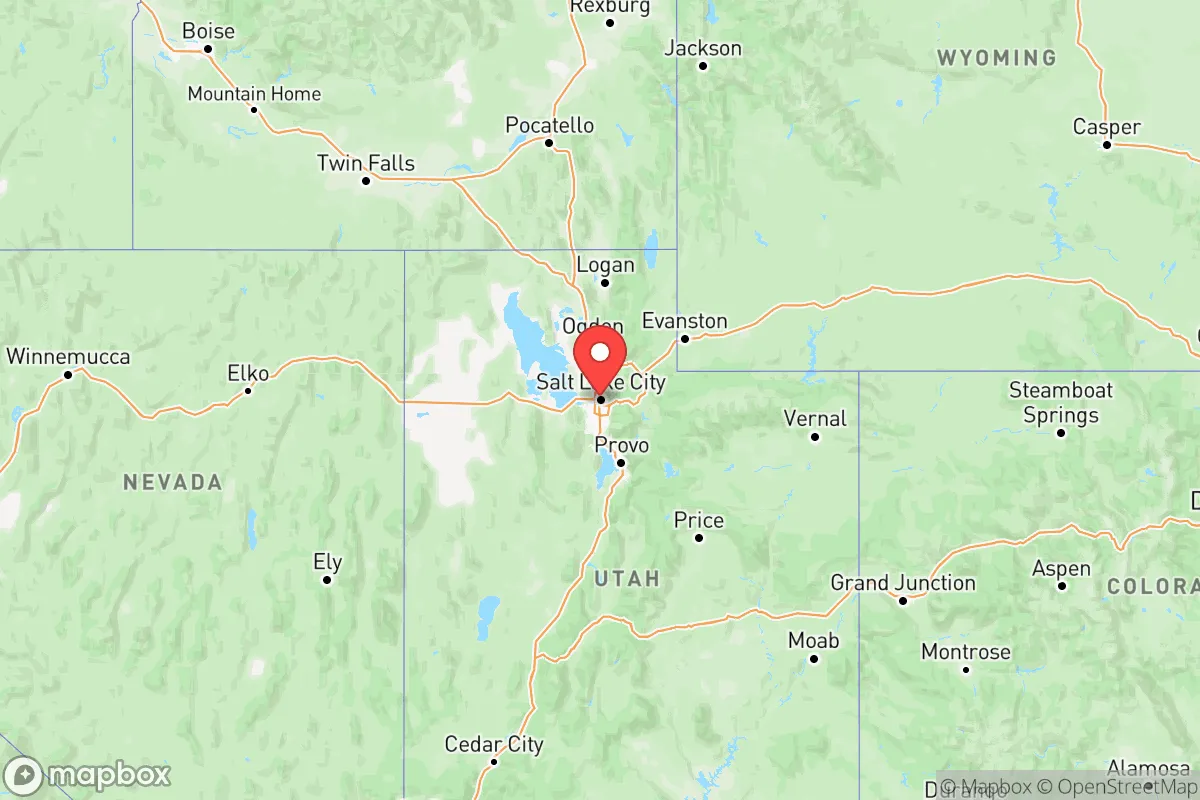
Utah offers a remarkably broad spectrum of quality-of-life options, from dense urban hubs to remote mountain hamlets, each attracting a distinct demographic. The state’s overall cost-of-living index of 137 (100 = U.S. average) and median home value of $455,000 mask a wide range: a tech executive in Park City pays vastly more than a retiree in Price. The average commute of 22 minutes reflects the state’s relatively compact geography, but lifestyle choices diverge sharply between the Wasatch Front’s bustling corridors and the rural expanses of the Uinta Basin.
Major metros
If you’re looking for urban living, Utah has two dominant metros: Salt Lake City and Provo. Salt Lake City, the state’s economic and cultural anchor, offers a dense, walkable downtown anchored by tech, finance, and healthcare industries (e.g., Adobe, Goldman Sachs, Intermountain Health). Its vibe is progressive-urban with a strong outdoor-recreation overlay—residents ski at Alta or Snowbird within 45 minutes. Provo, 45 miles south, is a fast-growing tech hub (Qualtrics, Vivint) with a pronounced family-oriented, Latter-day Saint cultural identity. Its downtown is smaller but rapidly densifying, and the median home value here is roughly $480,000, slightly above the state average. Both metros share a 22-minute average commute, but Provo feels more suburban despite its 115,000 population.
Mid-size cities & college towns
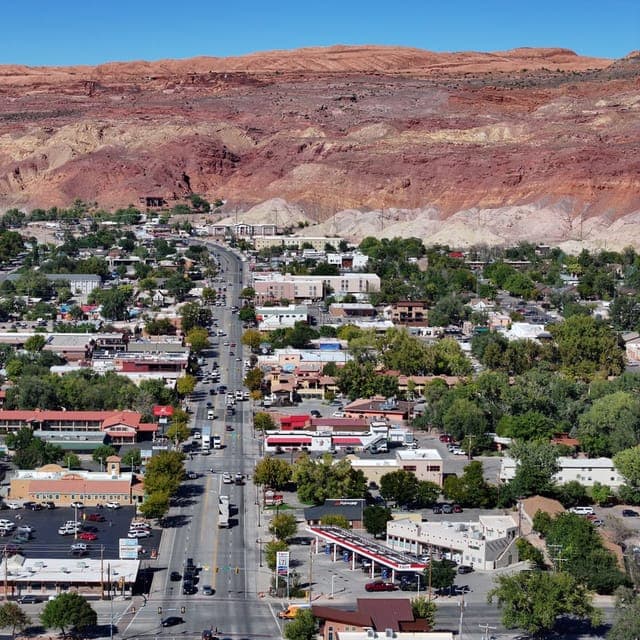
Utah’s mid-size cities and college towns offer a balance of amenities and affordability. Ogden (pop. 87,000) is a revitalized railroad town with a growing arts scene and direct access to Snowbasin ski resort; its median home value is about $420,000, undercutting the state average. St. George (pop. 95,000) in the red-rock desert attracts retirees and outdoor enthusiasts with its warm climate and proximity to Zion National Park; home values here average $460,000. Logan (pop. 55,000), home to Utah State University, is a classic college town with a low-key vibe, strong agricultural roots, and median home values near $390,000. Cedar City (pop. 35,000), home to Southern Utah University and the Utah Shakespeare Festival, offers a quieter, more affordable alternative with median home values around $350,000. Moab (pop. 5,500) is a small adventure-tourism hub near Arches and Canyonlands, but its median home value has surged to $550,000 due to short-term rentals and second-home demand.
Small towns & rural areas
For those seeking solitude or a slower pace, Utah’s small towns and rural areas provide starkly different options. Price (pop. 8,200) in Carbon County is a coal-mining town with median home values around $220,000—among the state’s most affordable—and a tight-knit, blue-collar community. Vernal (pop. 10,000) in the Uinta Basin offers oil-and-gas employment and median home values near $280,000, but with limited amenities and harsh winters. Escalante (pop. 800) in Grand Staircase-Escalante National Monument is a remote gateway for hikers and stargazers, with home values averaging $350,000 but few jobs beyond tourism. Kanab (pop. 5,000) near the Arizona border is a growing film-industry hub (many Westerns shot here) with median home values around $400,000. These areas attract retirees, remote workers, and those prioritizing landscape over career opportunity.
Luxury vs. affordable living
Utah’s luxury enclaves are concentrated in ski-resort and scenic areas. Park City is the state’s most expensive market, with median home values exceeding $1.2 million and a cost-of-living index near 200; it attracts wealthy second-home owners and tech executives. Deer Valley and Alta are even pricier, with single-family homes often above $2 million. Summit Park (near Park City) and Holladay (a Salt Lake City suburb) also rank among the state’s most expensive, with median home values above $700,000. On the affordable end, Helper (pop. 2,200) in Carbon County offers median home values around $180,000, attracting artists and remote workers. Brigham City (pop. 19,000) in Box Elder County has median home values near $320,000 and a strong manufacturing base (e.g., Autoliv). Richfield (pop. 7,700) in central Utah offers median home values around $290,000 and a quiet agricultural lifestyle. The spread is dramatic: a Park City home costs roughly seven times a Helper home.
The practical reality is that Utah’s lifestyle spectrum is defined by trade-offs. Tech workers and professionals thrive along the Wasatch Front (Salt Lake City, Provo, Ogden) where jobs are plentiful but home values strain median incomes. Retirees and remote workers gravitate to St. George or Moab for climate and scenery, paying a premium for lifestyle. Budget-conscious families and those in resource-extraction industries find genuine affordability in Carbon, Uintah, and Sevier counties, but with fewer services and longer drives to urban amenities. The state’s median rent of $1,405 is manageable in Helper or Price but stretches budgets in Park City or Salt Lake City’s Sugar House neighborhood. Ultimately, Utah offers a tiered geography: the Wasatch Front for career and convenience, the red-rock corridor for recreation and retirement, and the rural basins for solitude and savings.

Crime in Utah
Generally safer than 67% of comparable U.S. locations.
Violent CrimeViolent Crime Analysis
Property CrimeProperty Crime Analysis
Crime Analysis
Utah is one of the safest states in the nation for violent crime, with a rate of 215.9 incidents per 100,000 residents—well below the national average of roughly 380 per 100,000. However, property crime is a more pressing concern, with a rate of 1,267.7 per 100,000, which sits slightly above the national median. This split profile means that while residents generally feel secure from physical threats, theft and burglary are common frustrations, particularly in and around the Wasatch Front corridor stretching from Provo to Ogden.
Crime in context
Utah’s violent crime rate is roughly 43% lower than the U.S. average, placing it among the safest states for homicide, assault, and robbery. The state’s property crime rate, however, is about 8% higher than the national figure, driven largely by vehicle theft and larceny in urban centers. Salt Lake City is the primary outlier: its violent crime rate of roughly 700 per 100,000 is more than triple the state average, while its property crime rate exceeds 4,000 per 100,000. In contrast, suburban communities like Draper and Sandy report violent crime rates below 100 per 100,000, and property crime rates under 1,500 per 100,000. St. George in the southwest maintains a violent crime rate near 180 per 100,000, slightly below the state figure, though its property crime rate of roughly 1,400 per 100,000 is elevated due to tourism-related theft.
What residents experience
For most Utahns, daily life feels safe. Neighborhood watch programs are common in suburban subdivisions, and police response times in cities like Provo and Orem average under 5 minutes for priority calls. The most common property crimes are vehicle break-ins and package theft, especially in apartment complexes near transit hubs. Violent crime is largely concentrated in specific blocks of downtown Salt Lake City, particularly around the Rio Grande district and parts of West Valley City. Ogden has seen a modest uptick in aggravated assaults since 2020, but its overall violent crime rate of 350 per 100,000 remains below the national urban average. Residents in smaller towns like Logan and Cedar City report virtually no stranger-on-stranger violence, with most incidents occurring within domestic relationships.
Neighborhood-level variation and judicial concerns
Neighborhood safety varies dramatically by jurisdiction. Salt Lake County, home to the state’s most progressive district attorney, Sim Gill, has seen criticism for a declining prosecution rate on property crimes—only about 35% of felony theft cases result in charges, according to 2024 county data. This approach, while intended to reduce incarceration, has frustrated residents in areas like Millcreek and South Salt Lake, where repeat property offenders cycle through the system quickly. Conversely, conservative-leaning counties such as Utah County (Provo) and Washington County (St. George) maintain stricter charging policies, with property crime prosecution rates above 60%. The state’s overall recidivism rate for property crime is 42% within three years, but in Salt Lake City it climbs to 55%, a direct reflection of progressive prosecutorial policies that prioritize diversion over detention. For families and retirees seeking the lowest risk, the safest neighborhoods are in the suburban rings of Davis County (Farmington, Bountiful) and the eastern bench areas of Salt Lake City (Federal Heights, East Bench), where violent crime is nearly nonexistent and property crime rates are half the state average.
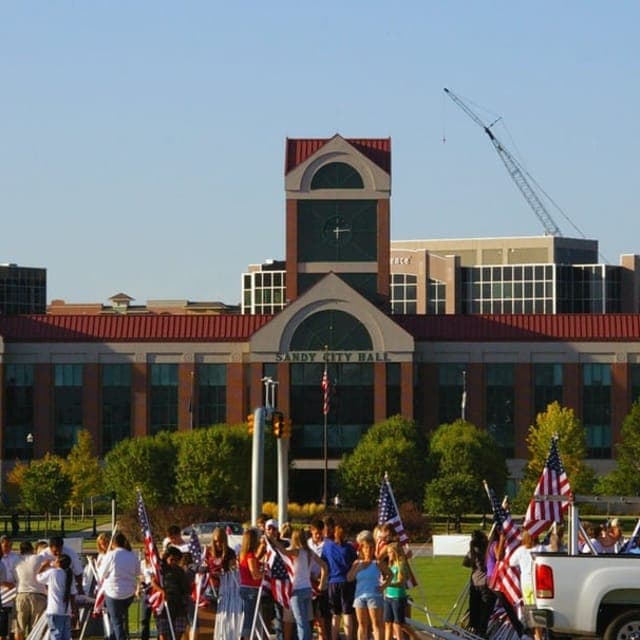
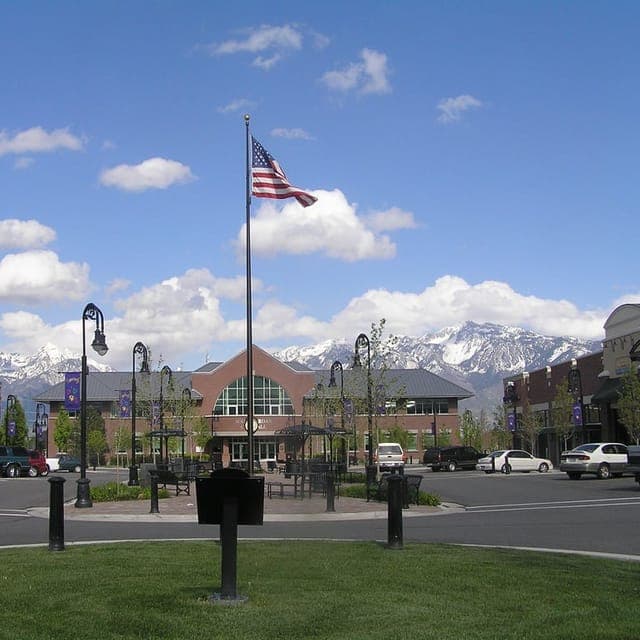
Top Cities for Quality of Life in Utah
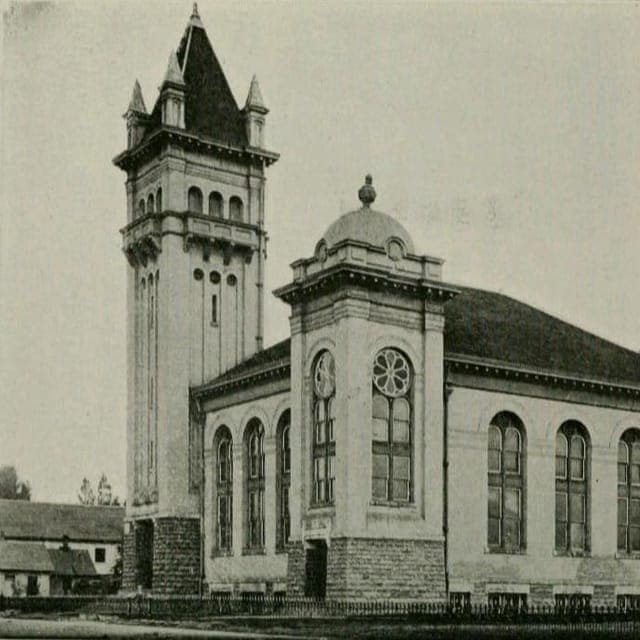
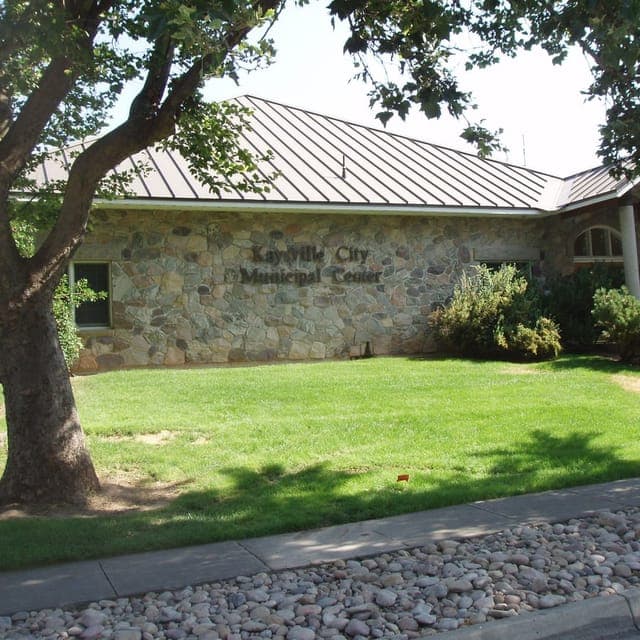
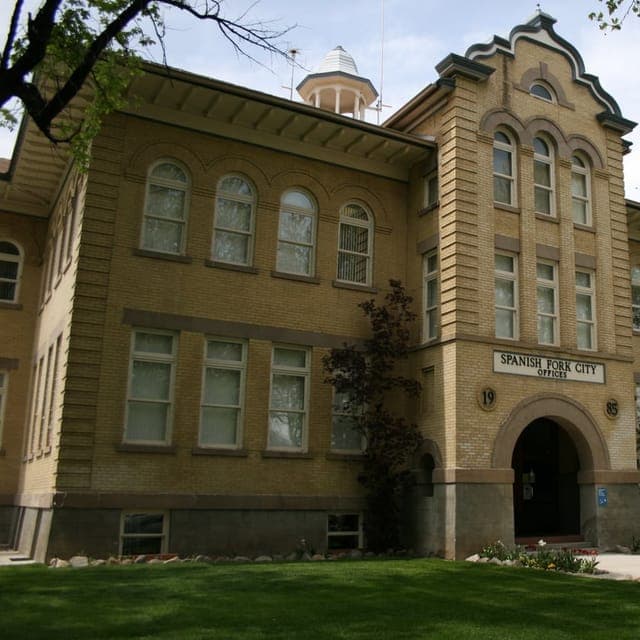
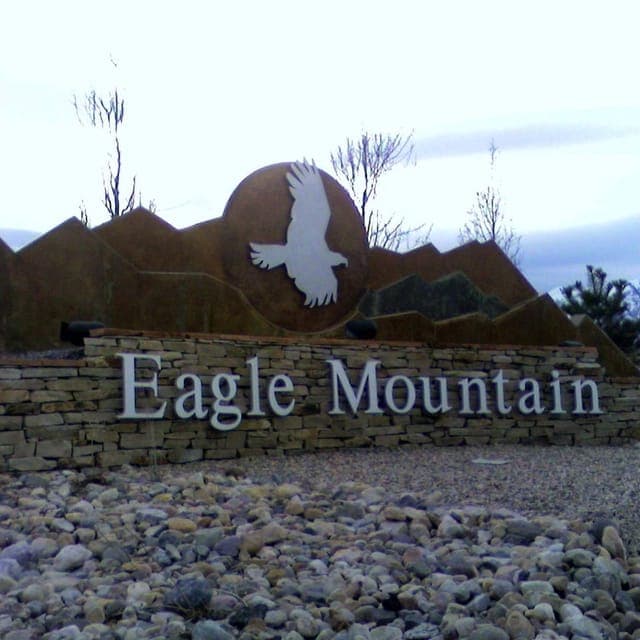
* Values derived from national, state, county, city and local statistics and may differ in a specific area. Last updated: 2026-04-14T06:21:26.000Z
Narrative content on this page is AI-generated and may contain mistakes. Verify any details that matter before acting on them.
ReloMaps may earn a commission from affiliate links at no extra cost to you.

