Photo: Wikipedia
Political ClimatePolitical Climate in Utah
Political Environment in the State
Utah is a deeply red state with a Cook PVI of R+11, but don’t let that number fool you into thinking it’s a monolith. The dominant coalition is a mix of LDS (Mormon) cultural conservatives, libertarian-leaning entrepreneurs, and a growing bloc of ex-California transplants who moved here for lower taxes and more freedom. Over the last 20 years, the state has shifted from a sleepy, church-dominated consensus to a more dynamic, sometimes fractious, conservative landscape — still solidly Republican, but with a widening gap between the Wasatch Front establishment and the rural, gun-friendly hinterlands.
Urban vs. rural divide
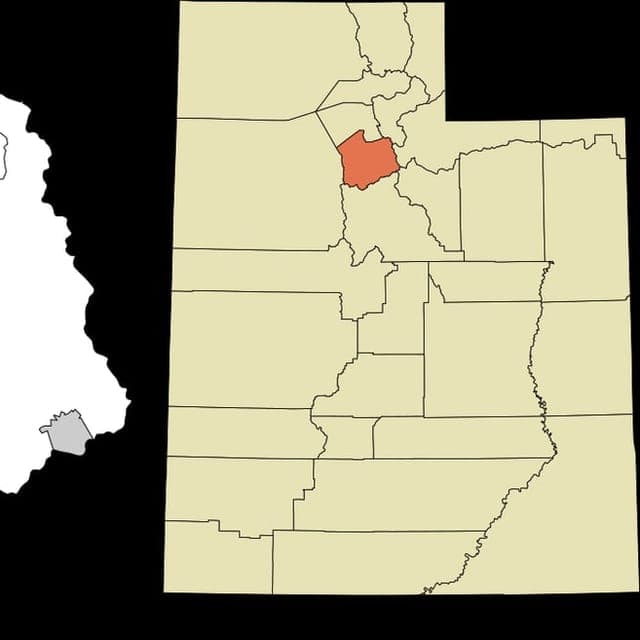
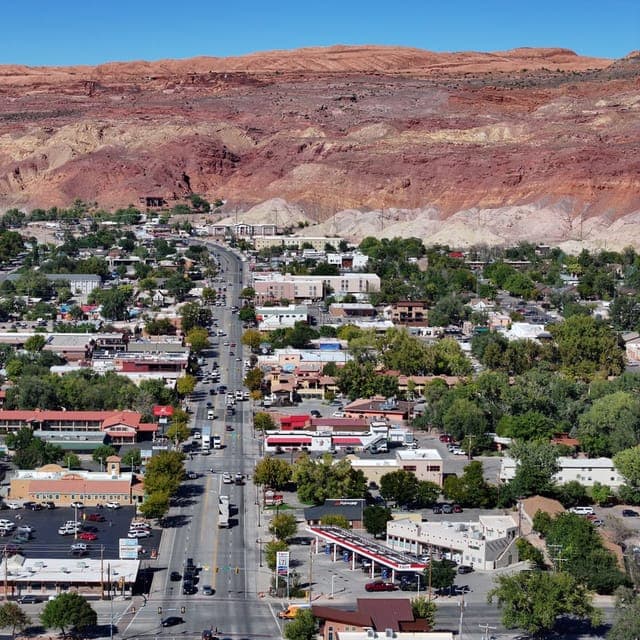
The political map of Utah is essentially a battle between the Wasatch Front and everything else. Salt Lake City and Park City are the blue islands — Salt Lake County went for Biden in 2020 by about 10 points, driven by a growing tech and creative class, while Park City is a wealthy ski town with a liberal bent. But drive 20 minutes south to Utah County (home to Provo and Orem), and you’re in the heart of the state’s conservative engine: Trump won there by 30 points in 2020, fueled by BYU alumni and young families. The real red meat is in the rural counties: San Juan County (southeast, heavily Native American) is a rare Democratic outlier, but Duchesne, Uintah, and Carbon counties in the east vote 70-80% Republican. The divide isn’t just about party — it’s about lifestyle. Urbanites along the Wasatch Front want bike lanes and light rail; rural folks want to keep the feds off their land and their guns in their trucks.
Policy environment
Utah’s policy environment is a mixed bag for conservatives. On the plus side: no state income tax on Social Security benefits, a flat 4.65% income tax rate (down from 5% in 2022), and a sales tax that exempts groceries. Property taxes are low — about 0.6% of assessed value on average. The state has a right-to-work law, no state-level rent control, and a regulatory climate that the Mercatus Center ranks as the 4th freest in the nation. On education, Utah offers a robust school choice program: the Utah Fits All Scholarship (HB 215, passed 2023) gives up to $8,000 per year for private school or homeschooling expenses. But there’s a flip side: the state’s Alcoholic Beverage Control Commission still runs all liquor stores, and Sunday alcohol sales are restricted — a lingering vestige of LDS influence that libertarians find grating. Healthcare is a mixed bag: Utah expanded Medicaid under the ACA (a conservative governor at the time, Gary Herbert, brokered a deal), but the state also passed SB 54 in 2014, allowing candidates to gather signatures to bypass the caucus-convention system — a move that weakened the party establishment’s grip but also opened the door to more moderate Republicans. Election laws are solid: voter ID is required, same-day registration is available, and no-excuse mail-in voting is the norm (a system that survived Trump-era attacks because it was popular with both parties).
Trajectory & freedom
Utah is becoming more free in some areas, but there are worrying signs of creeping government overreach. On the plus side: constitutional carry (permitless concealed carry) has been law since 2021, and the state passed HB 227 in 2023, which prohibits enforcement of federal gun laws that violate the Second Amendment — a direct nullification move. Parental rights got a boost with HB 331 (2023), which requires schools to notify parents of any curriculum changes involving sexuality or gender identity, and SB 16 (2024) bans gender-affirming surgeries for minors. Medical autonomy is strong: Utah has no vaccine mandates for adults, and HB 308 (2023) prohibits employers from requiring COVID-19 vaccines as a condition of employment. But there’s a dark cloud: the Inland Port Authority in Salt Lake City is a massive government-backed development project that uses eminent domain and tax incentives — a corporate welfare scheme that libertarians hate. And the state’s water conservation mandates (like the 2022 law requiring secondary water metering) feel like a nanny-state intrusion to rural residents who already manage their own wells. The biggest freedom concern is housing: SB 34 (2023) preempted local zoning to allow ADUs (accessory dwelling units) statewide, which is good for property rights, but the state also passed HB 462 (2024) that forces cities to allow higher-density housing near transit — a top-down mandate that rubs local control advocates the wrong way.
Civil unrest & political movements
Utah is not a hotbed of street protests, but there are real political movements simmering. The Utah Patriot Movement is active in rural counties like Box Elder and Cache, pushing for county-level Second Amendment sanctuaries and opposing federal land management (the feds own 63% of the state). In 2020, the Wendover area saw a standoff between BLM protesters and counter-protesters, but it was small compared to Portland. The Utah Democratic Party is weak but vocal in Salt Lake City, with groups like Utah Rising pushing for a state-level child tax credit and paid family leave — proposals that have gone nowhere in the legislature. Immigration politics are relatively calm: Utah was one of the first states to pass a guest worker program (HB 116, 2011), but the legislature has since moved right, passing HB 2001 (2024) that requires law enforcement to cooperate with ICE. There’s no sanctuary city movement of note — even Salt Lake City’s mayor, Erin Mendenhall, has been careful not to push that envelope. Election integrity controversies are minimal: Utah uses paper ballots with machine counting, and the 2020 election was certified without drama. The biggest flashpoint a new resident would notice is the “Save Our Schools” movement — a coalition of parents and teachers who opposed the Fits All scholarship, but it fizzled after the law passed.
Projection
Over the next 5-10 years, Utah will likely stay red, but the flavor of that red is changing. The in-migration from California (about 50,000 people per year) is bringing more libertarian-leaning tech workers who care about low taxes and gun rights but are less interested in LDS social conservatism. This could push the state toward a more Arizona-style conservatism: pro-business, anti-tax, but less interventionist on social issues. The Wasatch Front will continue to blue-ify — Salt Lake County could flip to Democratic in presidential elections by 2032 if current trends hold. Rural counties will get redder and more resentful, fueling a push for state-level nullification of federal land policies. The biggest wildcard is water: if the Great Salt Lake continues to dry up, the state government will impose draconian conservation mandates that could spark a rural rebellion. Expect more preemption battles — the legislature will keep overriding local zoning and environmental rules, which is good for property rights but bad for local control. A new resident moving in now should expect a state that is freer than California on taxes and guns, but with a growing government apparatus around water, housing, and education that could feel intrusive if you’re used to a truly hands-off state like New Hampshire.
Bottom line for a new resident: Utah is a safe bet for a conservative family or single person who values low taxes, gun rights, and school choice, but don’t expect a libertarian paradise. The LDS cultural influence is still strong, the state government is increasingly activist on housing and water, and the urban-rural divide is real. If you’re moving here, pick your county carefully: Utah County for the most conservative, family-friendly vibe; Washington County (St. George) for a retiree-friendly, low-tax climate; or Cache County (Logan) for a small-town feel with a university anchor. Avoid Salt Lake City proper if you want to avoid progressive politics, but the suburbs like Sandy or Draper are solidly red. Just be ready for the water wars and the occasional nanny-state law that reminds you you’re still in a state with a heavy government hand.

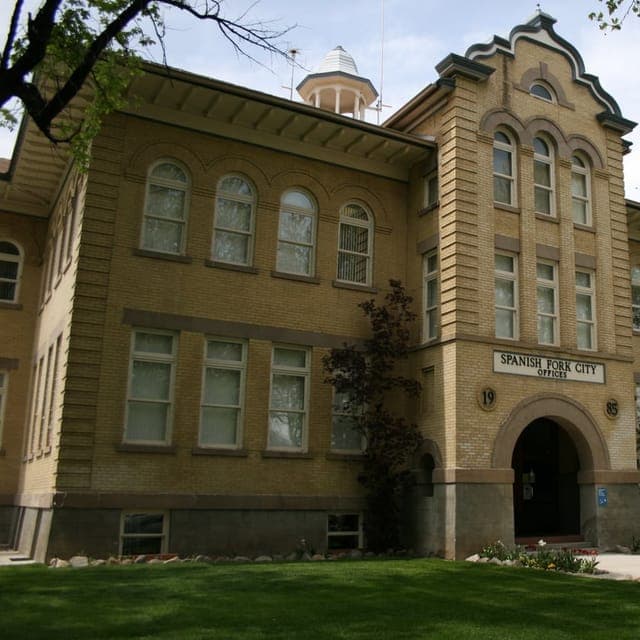
Most Conservative Cities in Utah
Most Liberal Cities in Utah
* Values derived from national, state, county, city and local statistics and may differ in a specific area. Last updated: 2026-04-14T06:21:26.000Z
Narrative content on this page is AI-generated and may contain mistakes. Verify any details that matter before acting on them.
ReloMaps may earn a commission from affiliate links at no extra cost to you.

