Photo: Wikipedia
Quality of Life in Starr County
A livable area that tracks near national norms for affordability, walkability, and neighborhood health.
What does Quality of Life tell us?
Quality of Life measures an area by evaluating factors like cost of living, nearby amenities, country club access, airport proximity, socioeconomic signals and neighborhood character. For large states, this is a general average — quality of life can vary dramatically between metro areas, suburbs, and rural communities within the same state.
What does this tell us?
Quality of Life measures an area by evaluating factors like cost of living, nearby amenities, country club access, airport proximity, socioeconomic signals and neighborhood character. For large states, this is a general average — quality of life can vary dramatically between metro areas, suburbs, and rural communities within the same state.
Cost of Living
50% below national average
129%
The Real Cost of Living in Starr County for 2026
| Tier | Individual | Family (4) |
|---|---|---|
| Survival | $11k | $21k |
| Comfortable | $20k | $30k |
| Luxury | $69k+ | $107k+ |
| Elite (Top 5%) | $105k+ | $162k+ |
Quality-of-Life Analysis
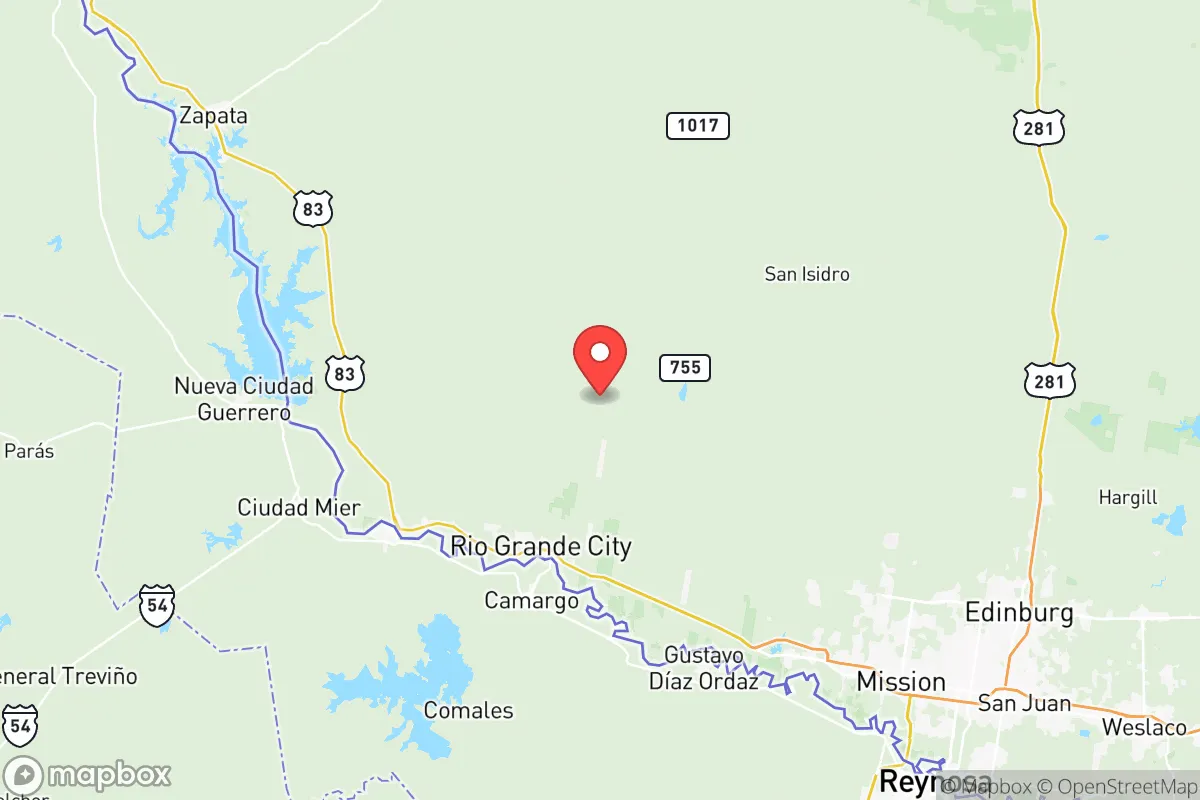
Starr County, Texas, offers a spectrum of quality-of-life options that range from the modest border-town bustle of Rio Grande City to the quiet, unincorporated rural stretches of La Grulla and El Sauz. The county’s character is defined by its deep South Texas location along the Rio Grande, a predominantly Hispanic population, and a cost of living that is among the lowest in the nation. People drawn here typically value tight-knit communities, affordable housing, and a slower pace, with the trade-off being limited urban amenities and longer drives for specialized services.
Largest town(s) & population centers
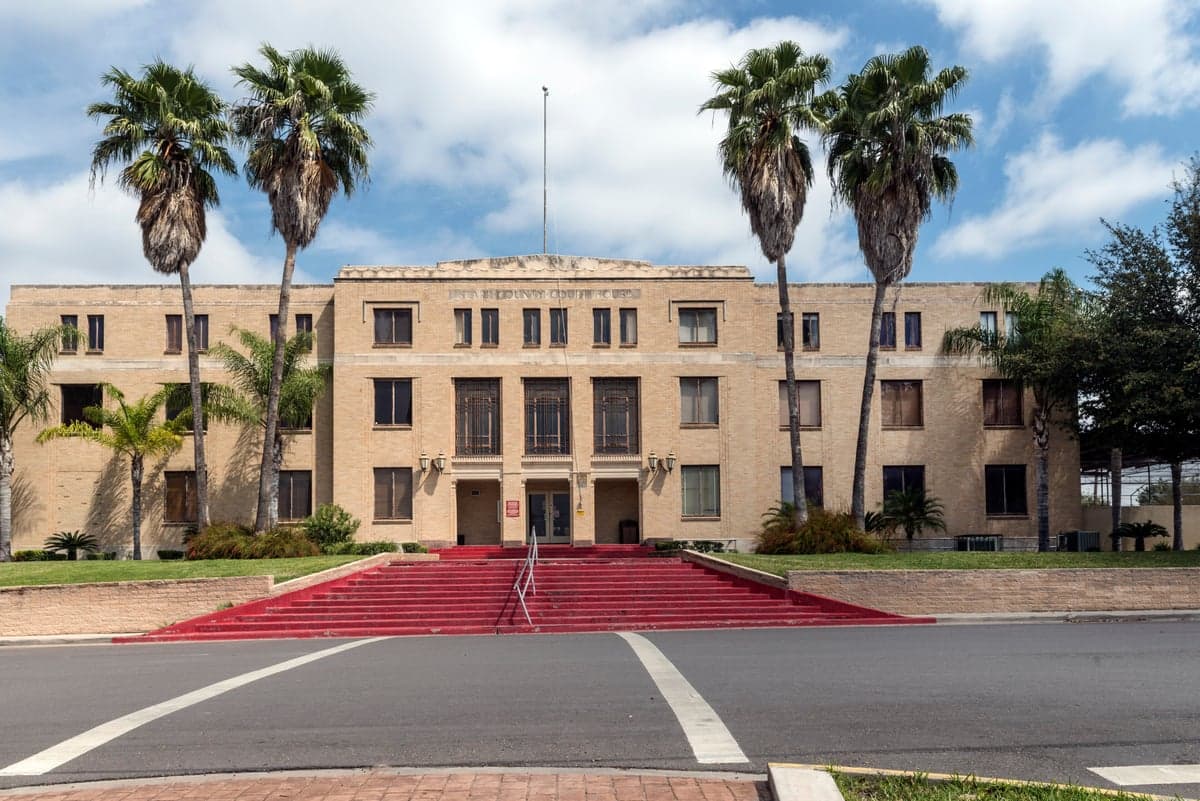
Rio Grande City is the county seat and the largest population center, home to roughly 14,000 residents. Daily life here centers around the historic downtown plaza, the Starr County Courthouse, and local institutions like Rio Grande City High School. The town offers the most concentrated set of amenities in the county, including grocery stores (H-E-B, Walmart), healthcare at Starr County Memorial Hospital, and a handful of local restaurants and shops. Roma, the second-largest town with about 12,000 residents, sits further west along the river and has a similar small-town feel, anchored by its own historic district and the Roma High School. Both towns serve as commercial and civic hubs for the surrounding rural areas, and their proximity to the border means cross-border travel to Ciudad Miguel Alemán (across from Roma) or Camargo (across from Rio Grande City) is a routine part of life for many residents.
Smaller towns & rural pockets
Beyond the two main towns, Starr County is dotted with smaller communities that offer a quieter, more isolated lifestyle. La Grulla, with a population under 1,500, is a compact farming community with a few local stores and a strong sense of local identity. Escobares and Las Lomas are unincorporated areas that blend residential subdivisions with open ranchland, where residents often live on larger lots and commute into Rio Grande City or Roma for work and shopping. Further out, El Sauz and Santa Elena are tiny, unincorporated settlements where homes are spaced far apart and the landscape is dominated by brush country and cattle ranches. These rural pockets lack commercial infrastructure—no gas stations, no grocery stores—meaning residents must drive 20–30 minutes to the nearest town for basic necessities.
Cost & lifestyle range
The cost of living across Starr County is uniformly low, with a composite cost-of-living index of 50 (half the U.S. average). The median home value is $93,300, and median rent is $715, making homeownership accessible even on modest incomes. However, the lifestyle range is real. At one end, Rio Grande City offers the most convenience: walkable downtown blocks, nearby medical clinics, and the county’s only movie theater. At the other end, living in El Sauz or Santa Elena means trading those amenities for space, privacy, and lower property taxes—but also accepting an average commute of 24.4 minutes (which can stretch to 35–40 minutes for those working in Rio Grande City or Roma). The rural areas also lack public water and sewer in many cases, relying on wells and septic systems. For families, the trade-off is clear: Rio Grande City and Roma provide schools, parks, and after-school programs within walking distance, while rural residents get larger lots and quieter nights but must drive children to school and activities.
Starr County is best suited for those who prioritize affordability, community, and a slower pace over urban excitement. Retirees on fixed incomes, first-time homebuyers, and families with deep local roots thrive here. Professionals seeking career growth or high-end retail and dining will find the county limiting, but for anyone willing to embrace a borderlands lifestyle with low costs and strong social ties, Starr County offers a genuine, no-frills quality of life.

Crime in Starr County
Crime rates similar to the national median for U.S. locations.
Violent CrimeViolent Crime Analysis
Property CrimeProperty Crime Analysis
Crime Analysis
Starr County, located in the Rio Grande Valley along the U.S.-Mexico border, presents a mixed safety picture with violent crime rates slightly below the Texas average but property crime rates that significantly exceed both state and national benchmarks. The county's 2024 reported violent crime rate of 344.4 per 100,000 residents is roughly 15% lower than the Texas statewide average of 405 per 100,000, but its property crime rate of 1,791.9 per 100,000 is notably higher than the Texas average of approximately 2,200 per 100,000 and the national average of 1,954 per 100,000. These figures place Starr County in a moderate-risk category for violent offenses but a higher-risk category for property crimes like burglary and theft.
Crime in context
When comparing Starr County to other Texas border communities, its violent crime rate sits between safer areas like Zapata County (roughly 200 per 100,000) and higher-crime hubs like Hidalgo County (approximately 380 per 100,000). The property crime rate of 1,791.9 per 100,000 is concerning, as it exceeds the national average by about 8% and is driven largely by thefts and vehicle break-ins in unincorporated areas and smaller towns. Rio Grande City, the county seat and largest municipality, accounts for a disproportionate share of reported incidents, particularly in commercial corridors along U.S. Highway 83. Roma and Escobares also report elevated property crime numbers, while more rural communities like La Grulla and Salineno tend to see lower incident rates. The proximity to the border introduces cross-border vehicle theft and smuggling-related property crimes, though these are often underreported in official statistics.
What residents experience
Residents in Starr County frequently cite property crime as their primary safety concern, with vehicle burglaries and residential thefts being the most common offenses. The county's violent crime is less pervasive but includes aggravated assault and domestic violence incidents that are concentrated in specific neighborhoods. The Starr County District Attorney's Office has historically pursued moderate sentencing, but recent shifts toward progressive justice policies in some South Texas jurisdictions have raised concerns among residents about recidivism. Rio Grande City has seen a 12% increase in property crime since 2022, while Roma reported a 7% uptick in the same period. Law enforcement presence is limited in rural areas, with the Starr County Sheriff's Office covering vast stretches of land with fewer than 40 patrol deputies. This means response times in communities like La Victoria or Santa Cruz can exceed 20 minutes, leaving properties vulnerable. Residents often rely on neighborhood watch programs and private security measures, particularly in subdivisions near the river.
Neighborhood-level variation is significant in Starr County. The safest areas are generally the newer subdivisions on the outskirts of Rio Grande City, such as Falcon Heights and La Puerta, where home values are higher and community patrols are more active. Conversely, older neighborhoods in central Rio Grande City and parts of Roma near the international bridge experience higher crime rates, with some blocks reporting property crime rates double the county average. Escobares has a violent crime rate roughly 30% above the county average, driven by gang-related activity. For prospective residents, the safest bet is to focus on the newer developments along Highway 83 west of Rio Grande City or the gated communities near Falcon Lake, where crime is notably lower. The progressive judicial leanings in Starr County's lower courts have led to more diversion programs for property offenders, which some residents argue undermines deterrence and contributes to repeat offenses in high-crime zones.
* Values derived from national, state, county, city and local statistics and may differ in a specific area. Last updated: 2026-06-11T18:21:57.000Z
Narrative content on this page is AI-generated and may contain mistakes. Verify any details that matter before acting on them.
ReloMaps may earn a commission from affiliate links at no extra cost to you.

