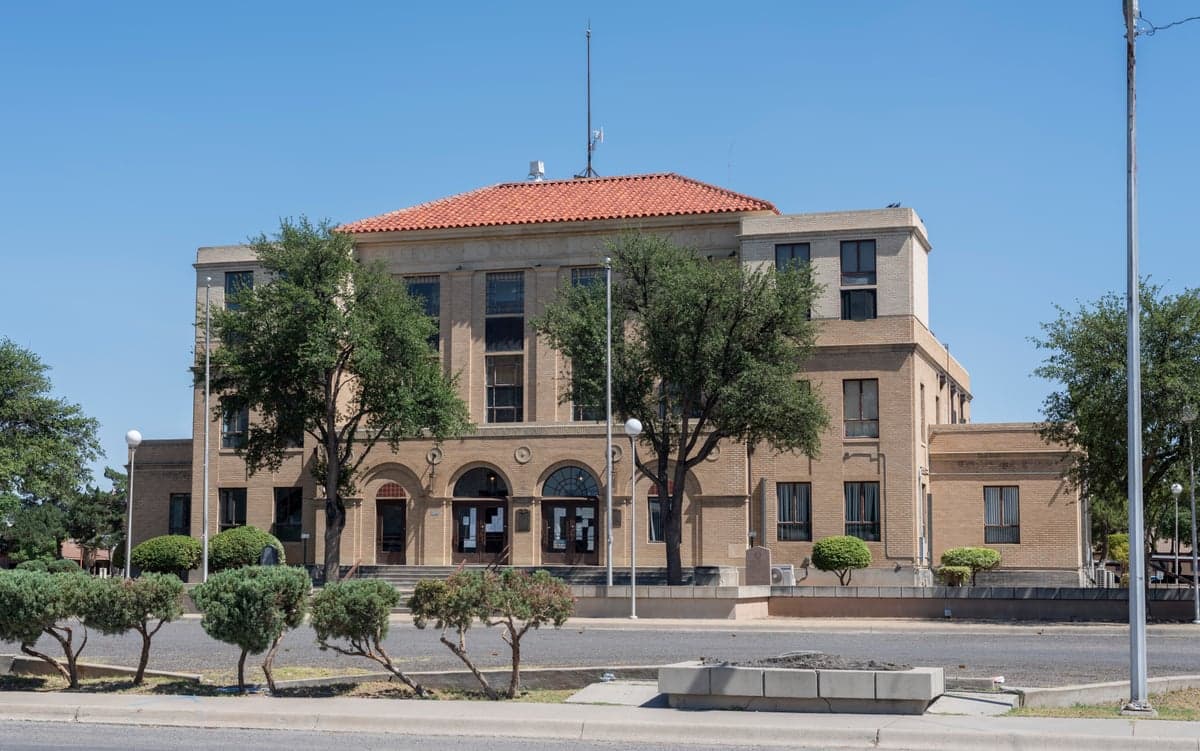
Photo: Wikipedia
Quality of Life in Reeves County
A livable area that tracks near national norms for affordability, walkability, and neighborhood health.
What does Quality of Life tell us?
Quality of Life measures an area by evaluating factors like cost of living, nearby amenities, country club access, airport proximity, socioeconomic signals and neighborhood character. For large states, this is a general average — quality of life can vary dramatically between metro areas, suburbs, and rural communities within the same state.
What does this tell us?
Quality of Life measures an area by evaluating factors like cost of living, nearby amenities, country club access, airport proximity, socioeconomic signals and neighborhood character. For large states, this is a general average — quality of life can vary dramatically between metro areas, suburbs, and rural communities within the same state.
Cost of Living
33% below national average
149%
The Real Cost of Living in Reeves County for 2026
| Tier | Individual | Family (4) |
|---|---|---|
| Survival | $16k | $30k |
| Comfortable | $26k | $38k |
| Luxury | $87k+ | $135k+ |
| Elite (Top 5%) | $103k+ | $159k+ |
Quality-of-Life Analysis
Reeves County, Texas, offers a spectrum of quality-of-life options anchored by the county seat of Pecos, with smaller communities like Toyah and rural expanses along the I-20 corridor providing distinct alternatives. The county’s overall cost of living index of 67 (100 = U.S. average) and median home value of $113,700 make it one of the most affordable areas in West Texas, attracting a mix of oilfield workers, agricultural families, and retirees seeking low housing costs. Daily life varies sharply between the commercial hub of Pecos and the quiet, unincorporated pockets that dot the surrounding desert landscape.
Largest town(s) & population centers
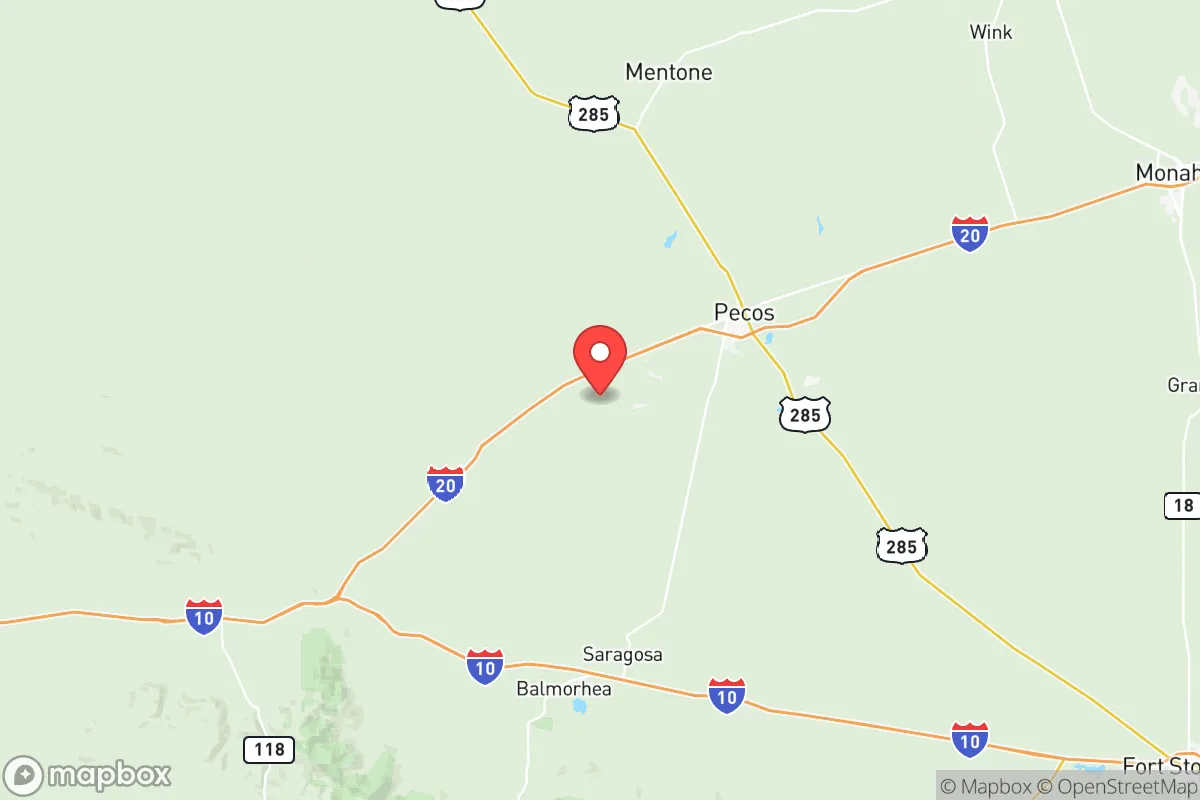
Pecos is the county’s sole incorporated city and primary population center, home to roughly 8,000 to 10,000 residents. Life here revolves around the oil and gas industry, with major employers like the Pecos Municipal Airport and local drilling support services driving employment. The town offers essential amenities including a Walmart Supercenter, Reeves County Hospital, and the Pecos High School Bulldogs athletics. Housing is notably affordable, with median rent at $988 and a median home value of $113,700, though rental demand has pushed prices upward in recent years due to transient oilfield workers. Daily life includes access to the West of the Pecos Museum, the Reeves County Golf Course, and seasonal events like the Pecos Rodeo. The town’s layout along I-20 means residents have quick highway access to Odessa (about 75 miles east) for larger retail and medical services.
Smaller towns & rural pockets
Toyah, roughly 15 miles east of Pecos, is a small unincorporated community with a population under 100. Life here is quiet and rural, centered on a few local churches and the Toyah Independent School District’s small elementary campus. The community lacks commercial services—no grocery store or gas station—so residents commute to Pecos for most errands. Balmorhea (partially in Reeves County, though the town proper lies in Reeves County’s eastern edge) offers a similar sparse lifestyle, with the Balmorhea State Park’s spring-fed pool as a notable recreational draw. Orla, located near the Texas-New Mexico border, is an unincorporated oilfield service hub with a handful of mobile home parks and a post office, but no permanent residential infrastructure beyond worker housing. These rural pockets are defined by wide-open spaces, minimal traffic, and a reliance on personal vehicles for all transportation.
Cost & lifestyle range
The cost of living in Reeves County is uniformly low by national standards, but variation exists between Pecos and the outlying areas. In Pecos, the median home value of $113,700 and median rent of $988 reflect a market where oilfield demand has created a slight premium for rental properties—some two-bedroom apartments near the I-20 corridor rent for $1,100 or more. Utilities are moderate, with electricity costs averaging around $150 per month in summer due to air conditioning needs. In contrast, rural areas like Toyah and Orla offer even lower housing costs: vacant lots in Toyah can sell for under $10,000, and older mobile homes often trade for $30,000–$50,000. However, these savings come with trade-offs: no public water or sewer in many unincorporated areas (residents rely on wells and septic systems), limited internet access (often only satellite or fixed wireless), and a 20- to 30-minute drive to Pecos for groceries or healthcare. At the high end of the lifestyle spectrum, Pecos provides paved roads, streetlights, and a semblance of urban services; at the low end, rural life means self-sufficiency and isolation.
Who thrives in Reeves County? The county suits individuals and families who prioritize low housing costs and a slower pace over urban amenities. Oilfield workers and tradespeople find steady employment in Pecos, while retirees on fixed incomes can stretch savings further with a median home value well below the national average. Those who prefer solitude, wide-open views, and minimal government oversight often gravitate to Toyah or Orla. Conversely, residents who need frequent access to specialty healthcare, diverse dining, or cultural attractions may find the 75-mile drive to Odessa or the 120-mile trip to El Paso a limiting factor. Reeves County is a pragmatic choice for those who value affordability and space above all else.

Crime in Reeves County
Crime rates similar to the national median for U.S. locations.
Violent CrimeViolent Crime Analysis
Property CrimeProperty Crime Analysis
Crime Analysis
Reeves County, located in West Texas along the I-20 corridor, presents a mixed safety picture that demands careful attention from potential residents. With a violent crime rate of 342.3 per 100,000 residents and a property crime rate of 1,780.9 per 100,000, the county's overall crime index sits notably higher than the safest rural Texas counties, though it remains below the most dangerous urban cores. The county seat of Pecos, along with the smaller communities of Balmorhea, Toyah, and Orla, each contribute differently to these statistics, with Pecos accounting for the majority of reported incidents due to its population density and role as a regional hub for oil and gas activity.
Crime in context
Reeves County's violent crime rate of 342.3 per 100,000 is approximately 15% higher than the Texas state average of roughly 298 per 100,000, and significantly exceeds the national average of about 380 per 100,000. The property crime rate of 1,780.9 per 100,000 is roughly 20% above the Texas average of 1,480 per 100,000, placing the county in a higher-risk bracket for theft, burglary, and vehicle break-ins. When compared to neighboring counties, Reeves County fares worse than Loving County (which has negligible crime due to its tiny population) but better than Ector County (Odessa) and Midland County, both of which see elevated rates driven by the Permian Basin oil boom. The presence of the Reeves County Detention Center, a major private prison facility near Pecos, adds a unique dynamic: while the facility itself is secure, its large transient population and associated traffic can influence local crime patterns, particularly around the I-20 exits serving the prison complex.
What residents experience
Residents in Pecos, the county's largest city with roughly 13,000 people, report that property crime is the most tangible daily concern. Vehicle burglaries and thefts from construction sites are common, especially near the oil-field staging areas along I-20 and around the downtown commercial district. Violent crime, while less frequent, tends to concentrate in specific pockets: the area around South Cedar Street and the older residential neighborhoods west of the Pecos River bridge see higher rates of aggravated assault and robbery, often linked to drug and alcohol-related disputes. In contrast, the smaller communities of Balmorhea (population ~500) and Toyah (population ~90) experience far fewer incidents, with residents describing a quiet, rural atmosphere where neighbors watch out for one another. Orla, a tiny unincorporated community near the New Mexico border, sees almost no violent crime but does report occasional theft from ranch properties and oil-field equipment yards. The Reeves County Sheriff's Office, based in Pecos, maintains a visible presence along major highways, but response times in the county's vast, sparsely populated areas can exceed 30 minutes.
Neighborhood-level variation is pronounced in Reeves County. The newer subdivisions on the east side of Pecos, near the Pecos High School and the Reeves County Hospital, tend to be safer, with lower crime rates than the older, more transient neighborhoods near the downtown core and the I-20 frontage roads. The area around the Reeves County Detention Center, while not a residential zone, sees periodic incidents involving released inmates or visitors, contributing to a perception of instability. For those considering relocation, the safest options are the outlying communities of Balmorhea and Toyah, where crime is minimal, or the newer housing developments on Pecos's east side. However, the county's overall crime picture is heavily influenced by the oil and gas industry's boom-and-bust cycle, which brings a fluctuating population of temporary workers and associated social challenges. The local judicial system, overseen by the 143rd Judicial District Court, has historically taken a tough-on-crime stance, with prosecutors in Pecos pursuing aggressive sentencing for repeat offenders—a factor that provides some reassurance to residents concerned about progressive leniency in other parts of Texas.
* Values derived from national, state, county, city and local statistics and may differ in a specific area. Last updated: 2026-04-22T02:10:32.000Z
Narrative content on this page is AI-generated and may contain mistakes. Verify any details that matter before acting on them.
ReloMaps may earn a commission from affiliate links at no extra cost to you.

