
Photo: Wikipedia
Political ClimatePolitical Climate in Texas
Political Environment in the State
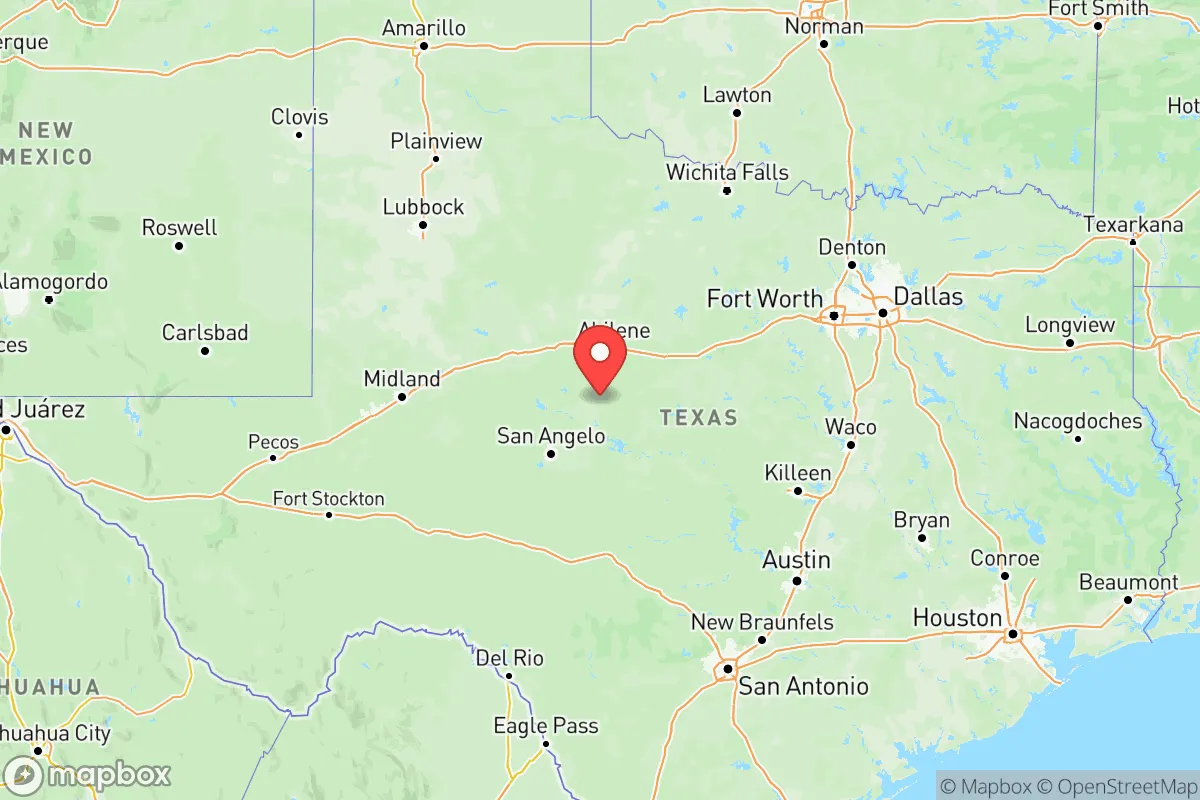
Texas has been a reliably Republican state for the past three decades, but the margin has been shrinking. In 2024, Donald Trump won the state by roughly 9 points, down from 11 points in 2020 and 16 points in 2016. The dominant coalition remains a mix of rural conservatives, suburban moderates, and a growing number of Hispanic voters trending right, but the explosive growth of the Dallas-Fort Worth metroplex, Houston, and especially Austin is steadily injecting Democratic-leaning voters. The state is still red, but it’s a lighter shade than it was in the Bush era, and the trajectory points toward a genuine battleground within the next decade.
Urban vs. rural divide
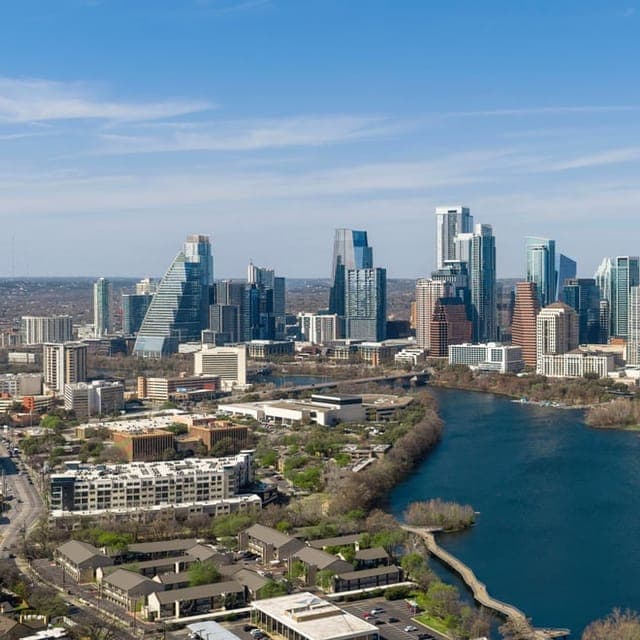
The political map of Texas is a study in stark contrasts. The big four metros — Houston, Dallas-Fort Worth, San Antonio, and Austin — are the Democratic engine rooms. Harris County (Houston) and Dallas County have been reliably blue for years, and Travis County (Austin) is one of the most liberal counties in the South. Meanwhile, the vast rural expanse — from the Panhandle down through West Texas and into the Hill Country — votes overwhelmingly Republican. The suburbs are the real battleground: places like Collin County (north of Dallas) and Fort Bend County (southwest of Houston) were once Republican strongholds but have shifted purple, with Collin County voting for Trump by only 8 points in 2024 after a 15-point margin in 2020. The Rio Grande Valley, historically Democratic, has been trending right, with Starr County flipping to Trump in 2024 after decades of Democratic dominance. The political future of Texas will be decided in these suburban and border counties, not in the rural heartland or the urban cores.
Policy environment
Texas operates under a low-tax, low-regulation philosophy that is a major draw for conservative relocators. There is no state income tax, funded instead by high property taxes (among the highest in the nation) and a state sales tax of 6.25% (local add-ons can push it over 8%). The regulatory posture is business-friendly: no state-level minimum wage above the federal $7.25, weak union protections, and a "right-to-work" law. Education policy is a flashpoint: the state has a school voucher-like program (the Texas Education Savings Account program, passed in 2023) that allows parents to use public funds for private school tuition, though it’s limited to students with disabilities and those in low-performing schools. Healthcare policy is notably restrictive: Texas has not expanded Medicaid under the ACA, leaving roughly 1.5 million low-income adults uninsured. Abortion is effectively banned after about six weeks (SB 8, 2021), with no exceptions for rape or incest. Election laws were tightened in 2021 (SB 1), adding ID requirements for mail-in ballots and limiting drive-through and 24-hour voting options. For a conservative family, this is a state that broadly aligns with their values; for a liberal resident, it means navigating a system that is actively hostile to many of their priorities.
Recent policy direction
The last few legislative sessions have pushed Texas further to the right on nearly every front. In 2023, the state passed a permitless carry law (HB 1927), allowing most adults to carry a handgun without a license or training. Parental rights were strengthened with the "Parental Bill of Rights" (HB 900), which requires schools to notify parents of any curriculum changes and restricts library materials deemed "sexually explicit." On free speech, the state passed a law (HB 20) that effectively bans large social media platforms from moderating content based on viewpoint, though it’s been tied up in court. Privacy and surveillance saw a win for conservatives with a ban on government-mandated vaccine passports (SB 968), but also a controversial law (SB 14) that bans gender-affirming care for minors, which has drawn lawsuits. Property rights were bolstered by a 2023 law (HB 2237) that limits the ability of homeowners' associations to restrict solar panels and water conservation features. On taxes, the state passed a $18 billion property tax cut in 2023, funded by a surplus, which temporarily lowered rates but didn’t change the underlying structure. Voting access was tightened, but early voting hours remain generous. The overall direction is unmistakable: Texas is doubling down on a model of maximum individual liberty in economic and gun matters, while imposing strict limits on bodily autonomy and local control.
Civil unrest & political movements
Texas has seen its share of political flashpoints. The 2020 protests in Austin and Dallas over George Floyd’s murder were large and occasionally violent, leading to a backlash that helped fuel the 2021 "defund the police" debate in Austin, which was later reversed. Immigration politics are a constant, visible issue. The state launched Operation Lone Star in 2021, deploying state troopers and National Guard to the border, and busing migrants to Democratic-led cities like New York and Chicago. This has created a permanent political theater that residents in border towns like El Paso and Laredo live with daily. Secession rhetoric, while not mainstream, has a vocal fringe — the "Texit" movement has a small but active following, though polling shows it’s supported by only about 15% of residents. Election integrity remains a hot-button issue: the 2020 and 2022 cycles saw numerous lawsuits over mail-in ballot procedures, and the 2024 election was relatively calm, but the distrust lingers. A new resident will notice that political bumper stickers and yard signs are common, and that local news is heavily politicized. It’s not a state where politics is a background noise; it’s a constant, often heated, conversation.
Projection
Over the next 5-10 years, Texas is likely to become a true swing state. The demographic math is relentless: the state is adding about 1,000 new residents a day, many from blue states like California and New York, and they are disproportionately college-educated and left-leaning. The Hispanic population, while trending right, is still majority Democratic, and as it grows, it will push the state leftward. The suburbs of Fort Worth and San Antonio are the next frontiers — places like Tarrant County (Fort Worth) and Bexar County (San Antonio) are already purple and could flip blue in a presidential year by 2032. However, the rural vote is not going anywhere, and the Republican Party is likely to continue tightening election laws to slow the shift. A relocator moving in now should expect that by 2030, Texas will be a competitive state at the presidential level, with all the political drama that entails. The policy environment will likely remain conservative for the next decade, but the margin for error will shrink, meaning that future legislative sessions will be more contentious and less predictable.
For a new resident, the bottom line is this: Texas is a state where your political experience depends heavily on where you live. If you’re a conservative, you’ll find a government that broadly shares your values, low taxes, and a culture that celebrates individual freedom. If you’re a liberal, you’ll find a state that is actively hostile to many of your priorities, but you’ll also find vibrant, blue cities where you can live comfortably and be politically active. The state is in the middle of a slow-motion political realignment, and the next decade will determine whether it remains a red fortress or becomes the nation’s biggest battleground. Either way, it’s a place where politics is never boring, and where your vote will matter more with each passing year.

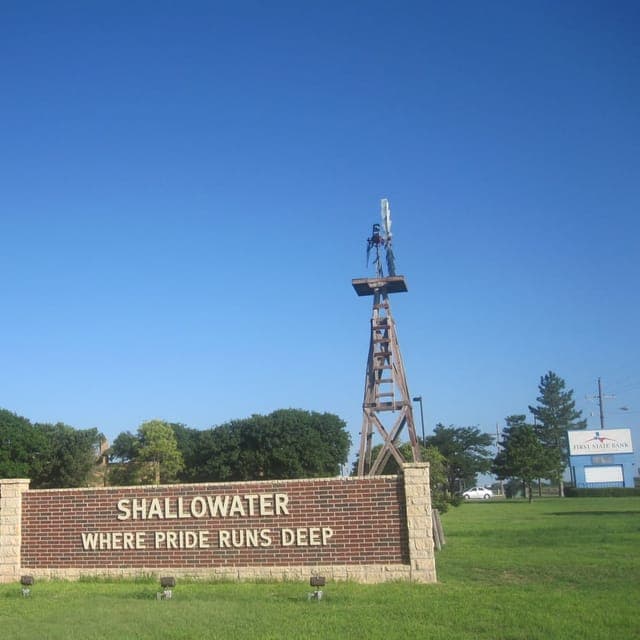
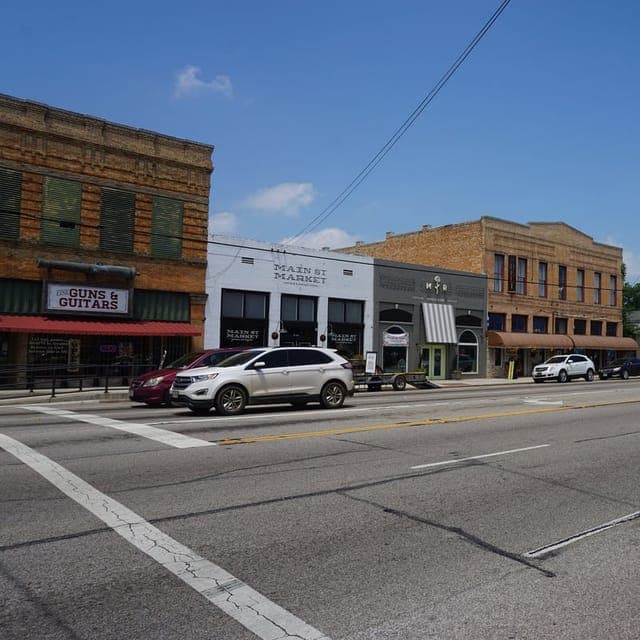
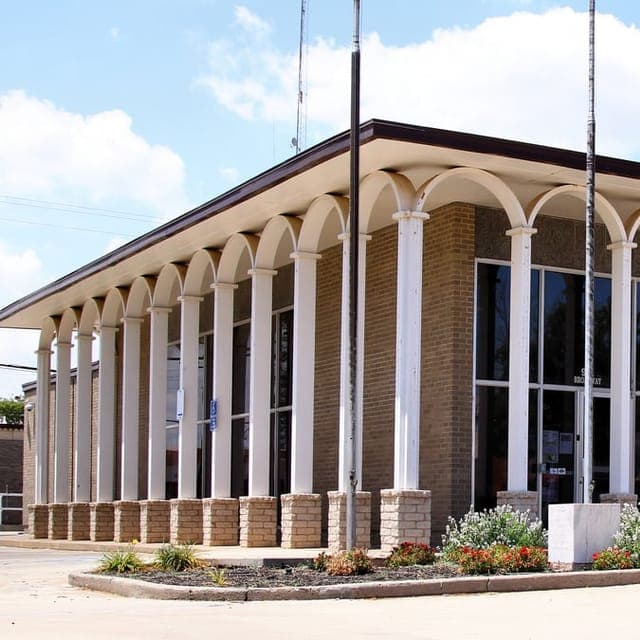
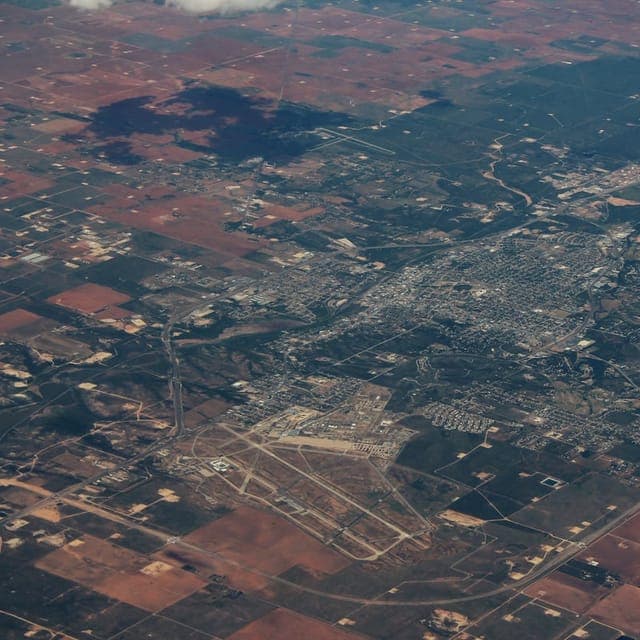
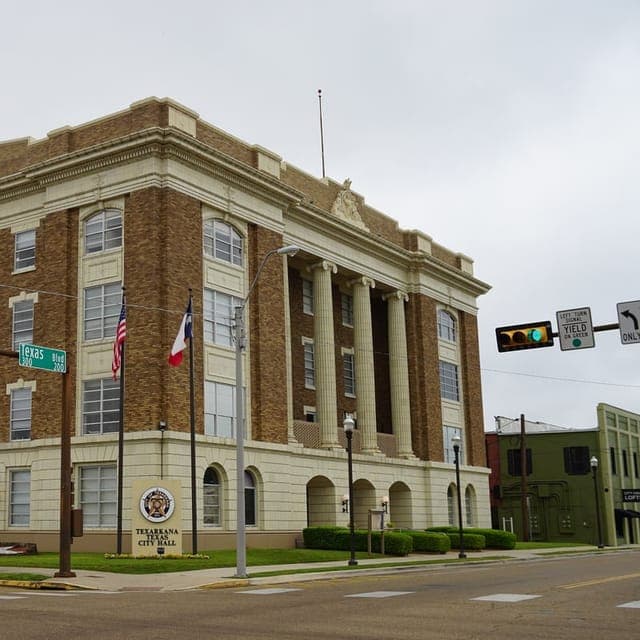
Most Conservative Cities in Texas
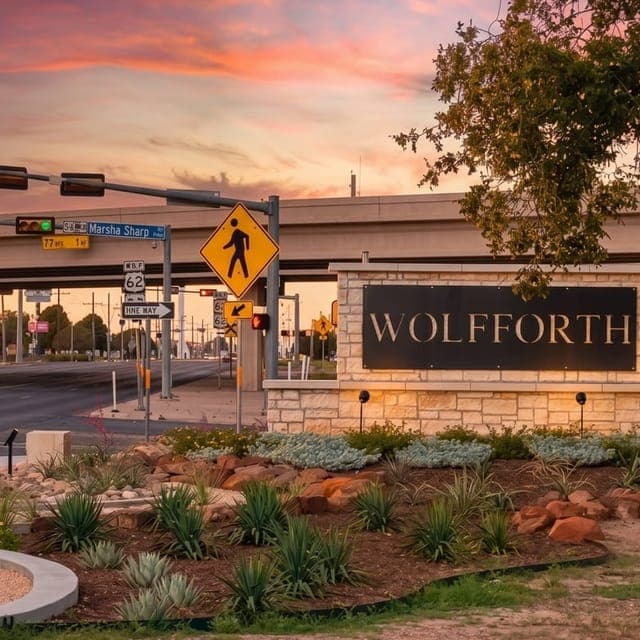
Most Liberal Cities in Texas

* Values derived from national, state, county, city and local statistics and may differ in a specific area. Last updated: 2026-09-08T17:24:20.000Z
Narrative content on this page is AI-generated and may contain mistakes. Verify any details that matter before acting on them.
ReloMaps may earn a commission from affiliate links at no extra cost to you.

