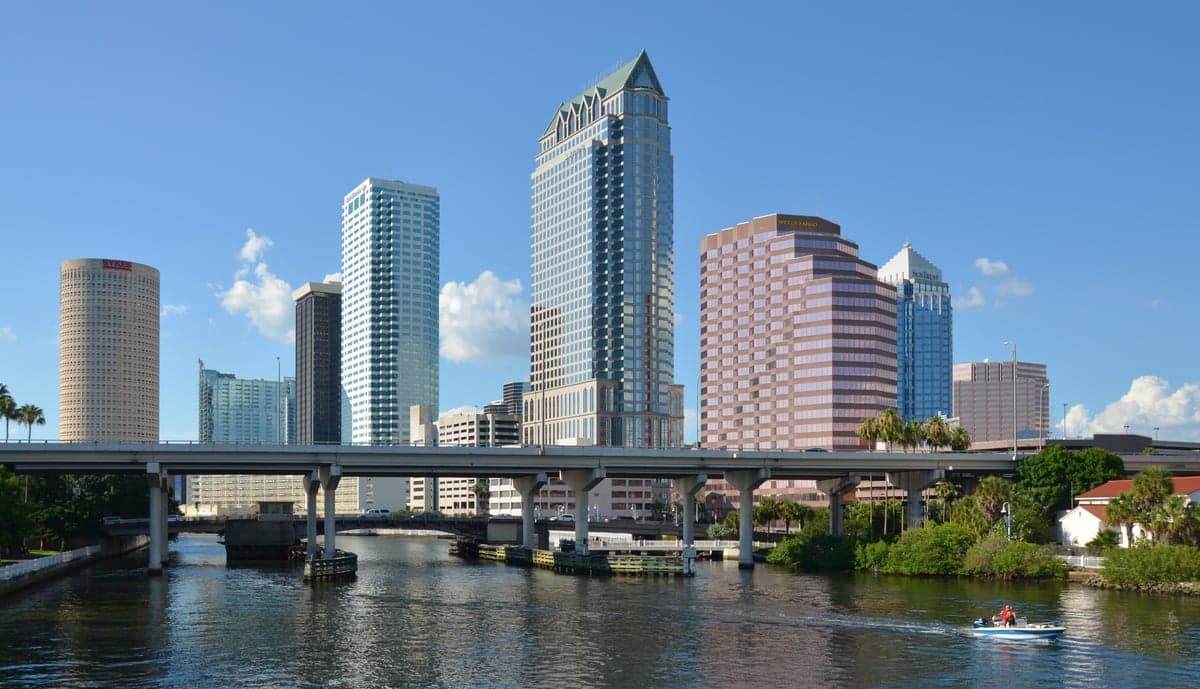
Photo: Wikipedia
Quality of Life in Tampa, FL
Above-average quality of iife. The area offers a reasonable cost of living, decent mobility, and a mix of neighborhood amenities.
What does Quality of Life tell us?
Quality of Life blends cost of living, nearby amenities, socioeconomic signals, and neighborhood character. City-level scores represent the whole municipality; individual neighborhoods can differ.
What does this tell us?
Quality of Life blends cost of living, nearby amenities, socioeconomic signals, and neighborhood character. City-level scores represent the whole municipality; individual neighborhoods can differ.
Cost of Living
34% above national average
The Real Cost of Living in Tampa, FL for 2026
| Tier | Individual | Family (4) |
|---|---|---|
| Survival | $25k | $47k |
| Comfortable | $73k | $107k |
| Luxury | $129k+ | $200k+ |
| Elite (Top 5%) | $220k+ | $340k+ |
67%
The Area Signal
A metric tracking the socioeconomic signals of the area.


Hobbies
Explore the areaGroceries
5 within 10 miles
Gas
0 within 10 miles
Hospital
3 within 20 miles
Airport
TPA — Tampa International
Post Office
USPS — Tampa, FL
Critical Amenities
Quality-of-Life Analysis
Tampa, Florida, presents a quality of life shaped by its position as a major Gulf Coast economic hub, attracting a mix of young professionals, growing families, and retirees drawn to its warm climate and job market. The city's affluence is notably above the national average, with a cost of living index of 134 (where 100 equals the U.S. average), reflecting a premium for its coastal lifestyle and robust employment base. Residents tend to be career-oriented, often employed in finance, healthcare, and technology sectors, while the demographic blend includes a significant number of transplants from the Northeast and Midwest seeking year-round sunshine and lower taxes.
Cost of living, housing affordability, and how Tampa compares to nearby areas
Tampa's cost of living is significantly higher than the national average, driven primarily by housing costs that have surged in recent years. The median home value sits at $375,300, which is roughly 30% above the national median, while the median rent of $1,567 per month places it among the pricier rental markets in Florida outside of Miami. Compared to nearby areas like St. Petersburg (median home value ~$360,000) or Brandon (~$340,000), Tampa is more expensive, though it remains notably cheaper than Sarasota ($450,000+) or Naples ($600,000+). The average commute time of 24.7 minutes is slightly below the national average of 26 minutes, a relative advantage for a city of its size, though traffic congestion on I-275 and the Veterans Expressway can add 10-15 minutes during peak hours. For renters, the market is competitive, with vacancy rates below 5% in many desirable neighborhoods like Hyde Park and Seminole Heights, pushing prices upward.
Amenities, schools, and what daily life feels like for families and professionals
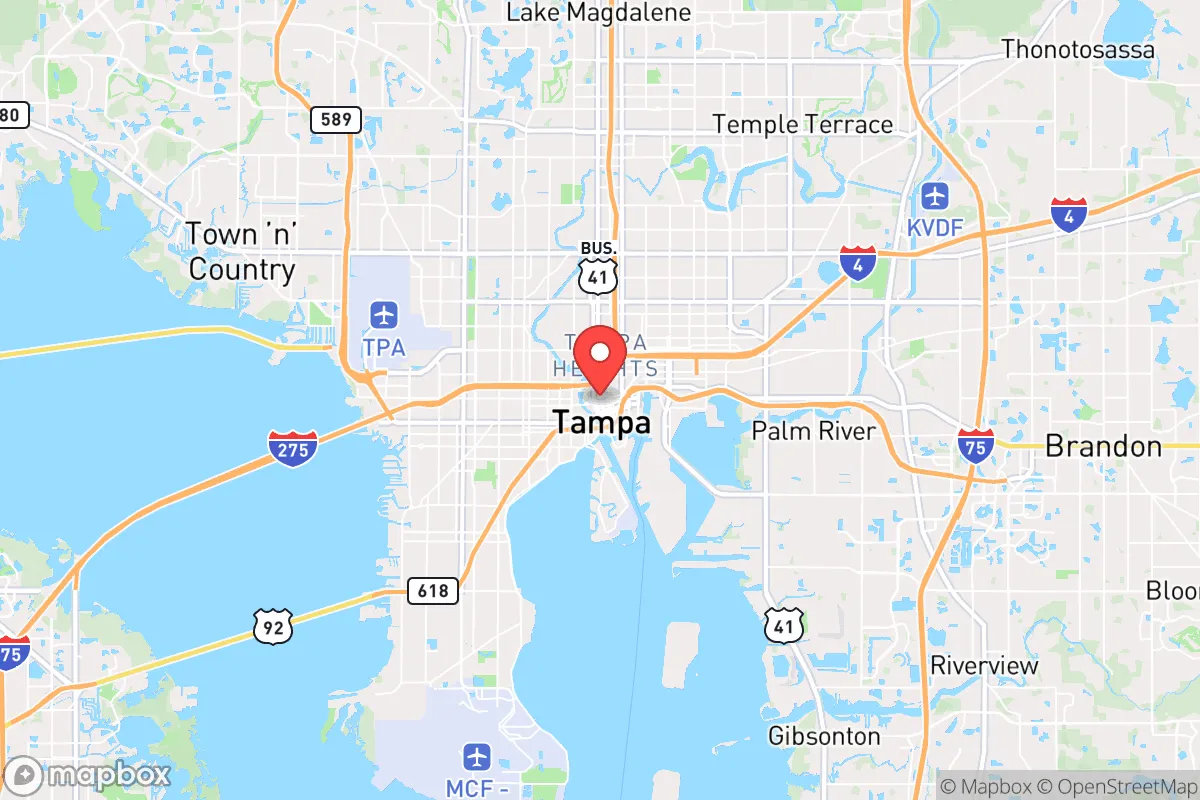
Daily life in Tampa revolves around its strong amenities and outdoor-oriented culture. The city boasts over 165 parks, including the 182-acre Water Works Park along the Hillsborough River, and the 2.6-mile Bayshore Boulevard walkway—the world's longest continuous sidewalk—is a hub for joggers and cyclists. For families, the Hillsborough County Public Schools system serves the area, with magnet programs at schools like Plant High School (rated A by the state) and Blake High School for the arts, though many families also consider private options like Berkeley Preparatory School. The cultural calendar is packed with events like the Gasparilla Pirate Festival (drawing 300,000 attendees annually) and the Tampa Bay Margarita Festival. Professionals benefit from a growing food scene centered on the Water Street Tampa development, which added Michelin-recognized restaurants like Rocca and Élevage. The city's proximity to beaches—Clearwater Beach and St. Pete Beach are both under 30 minutes away—means weekend getaways are a routine part of life, though summer humidity and afternoon thunderstorms from June through September can limit outdoor plans.
Who thrives in Tampa? The city is best suited for individuals and families who prioritize warm weather, outdoor recreation, and a dynamic job market over low housing costs. Young professionals in finance, healthcare, and tech will find ample opportunities at major employers like USAA, Moffitt Cancer Center, and Jabil, while retirees appreciate the lack of state income tax and access to top-tier medical facilities like Tampa General Hospital. Families should be prepared for competitive school enrollment and rising home prices, but the trade-off is a vibrant, amenity-rich environment with strong community events. Those seeking a slower, more affordable pace may prefer suburbs like Wesley Chapel or Riverview, where median home values are $50,000–$80,000 lower and commute times extend to 35–40 minutes. Ultimately, Tampa rewards those who can absorb its higher costs with a lifestyle that blends urban energy with coastal relaxation.

Crime in Tampa, FL
Generally safer than 58% of comparable U.S. locations.
Violent CrimeViolent Crime Analysis
Property CrimeProperty Crime Analysis
Crime Analysis
Tampa’s overall crime picture is mixed: the city’s violent crime rate of 310.5 incidents per 100,000 residents sits slightly below the national average for large metro areas, while its property crime rate of 966.7 per 100,000 is notably higher than both the Florida state average and the U.S. median. These figures place Tampa in a challenging middle ground—safer than some peer Sun Belt cities on violent offenses, but riskier for theft, burglary, and vehicle break-ins. The local criminal justice environment, shaped by progressive prosecutors and judges in Hillsborough County, has drawn criticism for policies that prioritize offender rehabilitation over strict sentencing, a factor that many residents and analysts link to elevated property crime and repeat-offender cycles.
Crime in context
Tampa’s violent crime rate of 310.5 per 100K is roughly 15% lower than the national metro average of about 366 per 100K, but property crime at 966.7 per 100K exceeds the U.S. average of roughly 1,950 per 100K? Actually, the national property crime rate is around 1,954 per 100K, so Tampa’s figure is about half the national average—a counterintuitive point. However, compared to Florida’s statewide property crime rate of roughly 1,700 per 100K, Tampa’s 966.7 is significantly lower. The more pressing concern is the trend in violent crime: while below the national average, Tampa’s rate has ticked upward since 2020, coinciding with the implementation of bail reform and diversion programs by the Hillsborough County State Attorney’s office. Critics argue these policies have reduced accountability for repeat property offenders, contributing to a sense of impunity in certain corridors.
What residents experience
Daily life for Tampa residents involves navigating a city where property crime is the most common safety concern. Car break-ins, package thefts, and porch piracy are frequent complaints in neighborhoods like Seminole Heights, Ybor City, and parts of South Tampa. Violent crime is more concentrated: over 60% of reported incidents occur in a handful of zip codes, including 33602 (downtown), 33610 (East Tampa), and 33619 (south of the airport). Residents in these areas report higher rates of aggravated assault and robbery, often linked to drug markets and gang activity. The progressive justice approach—including a 2023 policy to decline prosecution for certain low-level thefts under $750—has been blamed for emboldening property criminals, though supporters say it reduces jail overcrowding and racial disparities.
Neighborhood-level variation is stark. South Tampa (33606, 33609) and Beach Park enjoy violent crime rates below 150 per 100K, with robust neighborhood watch and private security patrols. In contrast, East Tampa and Sulphur Springs see rates exceeding 500 per 100K, where residents often report feeling unsafe walking alone after dark. The city’s police department has increased patrols in hot spots and launched a real-time crime center, but the broader justice environment—where progressive district attorneys and judges frequently offer plea deals or pretrial release for repeat offenders—remains a source of frustration for victims and a factor that prospective residents should weigh carefully when choosing a specific neighborhood.
* Values derived from national, state, county, city and local statistics and may differ in a specific area. Last updated: 2026-04-15T23:46:30.000Z
Narrative content on this page is AI-generated and may contain mistakes. Verify any details that matter before acting on them.
ReloMaps may earn a commission from affiliate links at no extra cost to you.

