Strategic Assessment of Summerlin South, NV
Meaningful friction. Expect exposure to either population pressure, blast zones, or natural disaster risk. Consider buying a retreat property.
What does the Strategic Assessment tell us?
Our Strategic Assessment grades tactical survivability of an area. Major population centers, military targets, fallout zones, natural disasters, and border exposure all drive risk — lower exposure means a more defensible position in a crisis.
This is heavily inspired by Joel Skousen's Strategic Relocation book. Highly recommended you checkout the book ($)What does this tell us?
Our Strategic Assessment grades tactical survivability of an area. Major population centers, military targets, fallout zones, natural disasters, and border exposure all drive risk — lower exposure means a more defensible position in a crisis.
This is heavily inspired by Joel Skousen's Strategic Relocation book. Highly recommended you checkout the book ($)Strategic Pillars

Key Distances
Regional Safe Places
Below is our recommended "safe zones" in Nevada and the surrounding area based on our strategic heuristics. For most people, it's unrealistic to live in a “safe zone” full-time due to work, family or other personal reasons. They tend to be more rural. However, many of these areas are perfect for second homes and retreat properties that double as a vacation home or even a short-term rental.
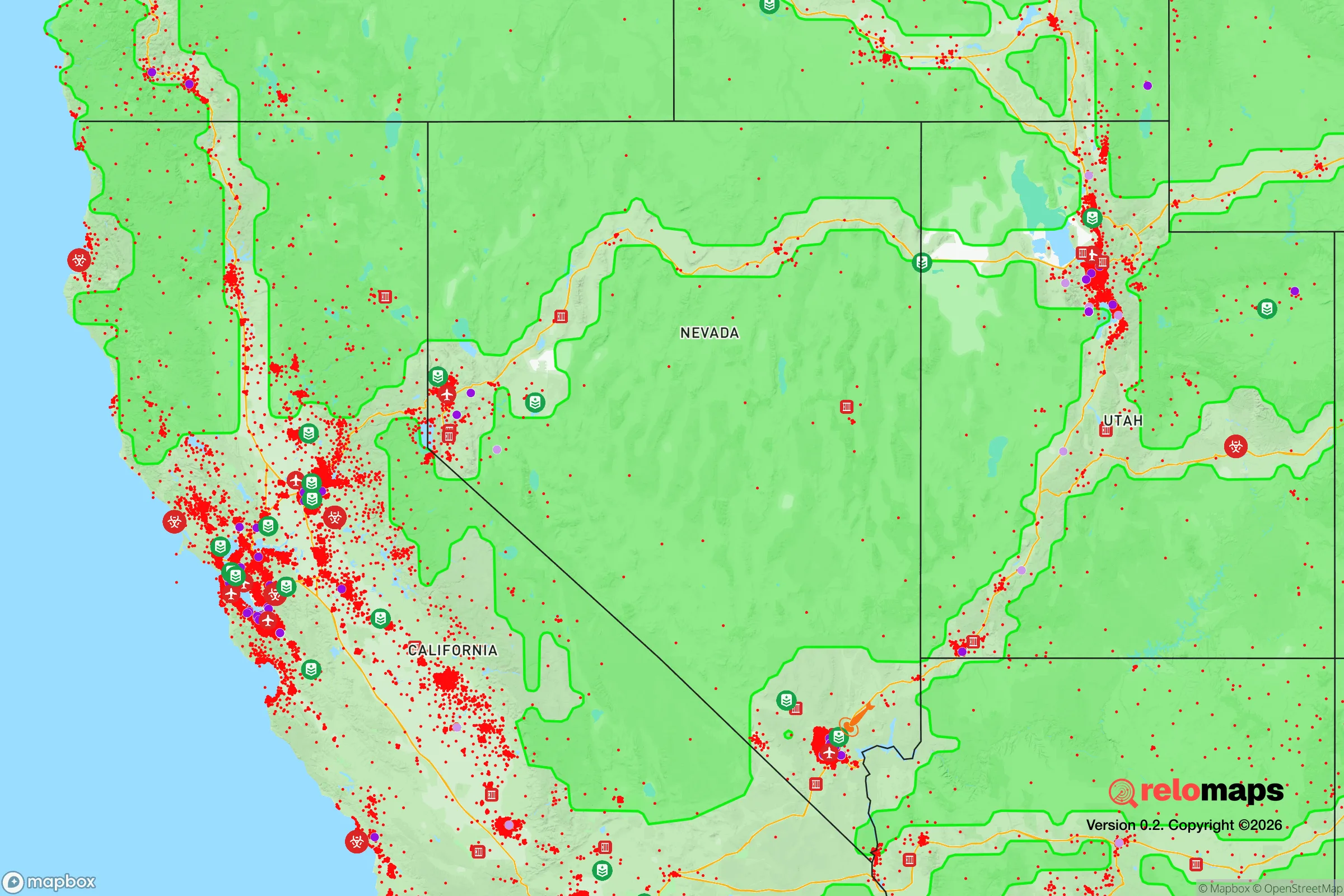
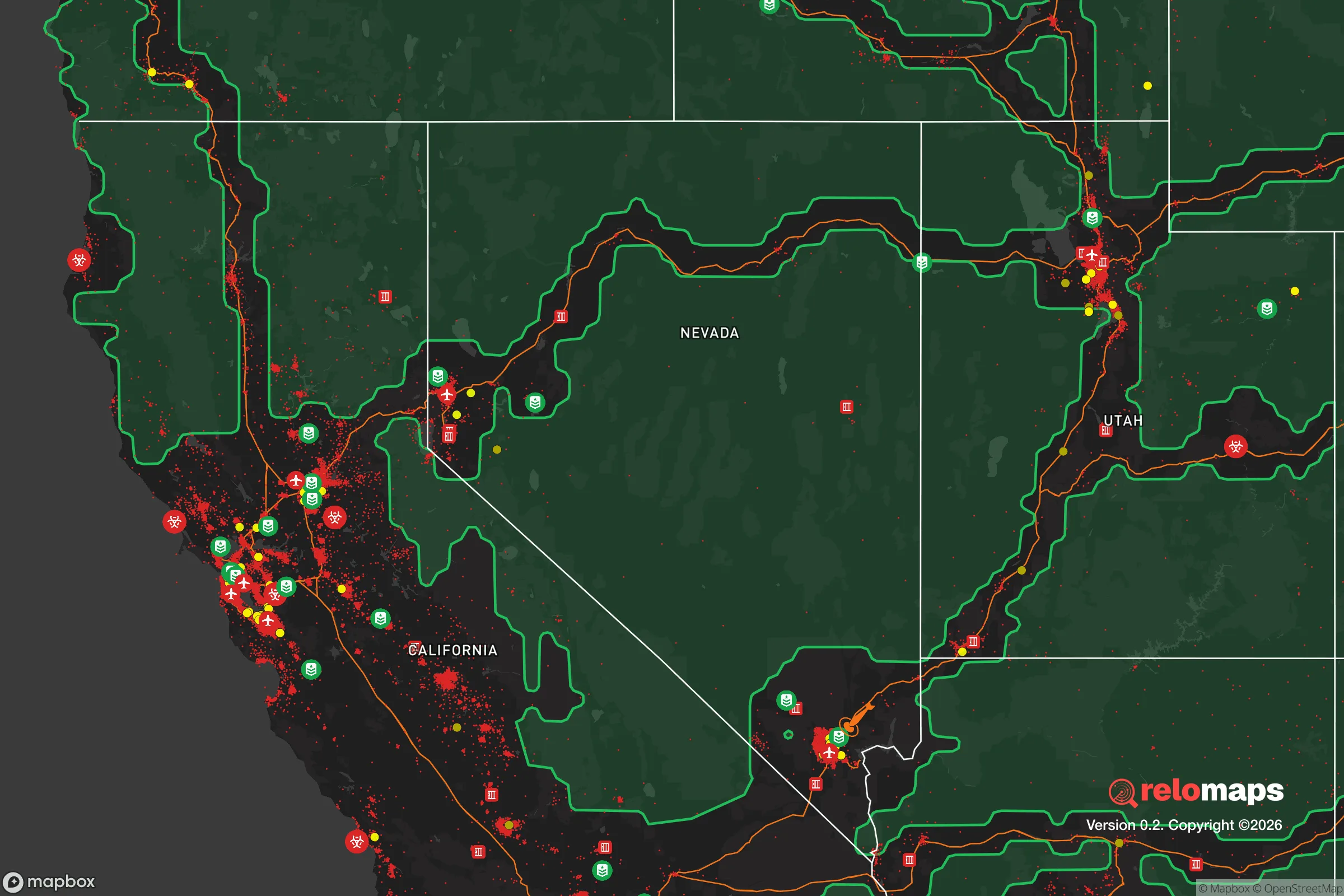


Important Note: For informational purposes only. This does not mean nothing bad ever happens in the green zones. Please use common sense. This is based on public data and modeled with AI. We tried to take a conservative approach but mistakes happen. We update this regularly as new information becomes available.
Solar Generator Recommendations
Backup power matters more here than in safer locations. We've picked three solar generators across budgets and capacity tiers — start with the budget unit if you only need a few essentials, or step up if you want to run a fridge and HVAC for days at a time.

Jackery Portable Power Station Explorer 300
Budget OptionPower on the Go: Weighing only 11 lbs, it's convenient to set up and store with book-sized foldable solar panels

BLUETTI Portable Power Station AC180
Designed for both indoor and outdoor scenarios, AC180 is highly capable as it has a robost capacity and continuous output power.

EF ECOFLOW DELTA Pro Ultra Power Station
Upgraded PickEcoFlow DELTA Pro Ultra is a whole-home energy system designed to grow with your family. Integrated with the Smart Home Panel 2, it scales to meet your evolving energy needs — keeping your home powered, intelligent, and secure through every stage of life.
We earn a commission, at no additional cost to you.
Strategic Assessment Analysis
Summerlin South, Nevada, presents a complex strategic picture for the conservative prepper or survivalist. Its primary advantage is its position on the western edge of the Las Vegas Valley, offering a buffer from the urban core while still being close enough to access critical resources. However, this proximity to a major metropolitan area—and the associated risks of civil unrest, supply chain collapse, and potential fallout from nearby military and industrial targets—means that any relocation here must be undertaken with a clear-eyed understanding of both the opportunities and the vulnerabilities. This analysis breaks down the area's resilience from a practical, preparedness-minded perspective.
Geographic position and natural advantages for a survivalist
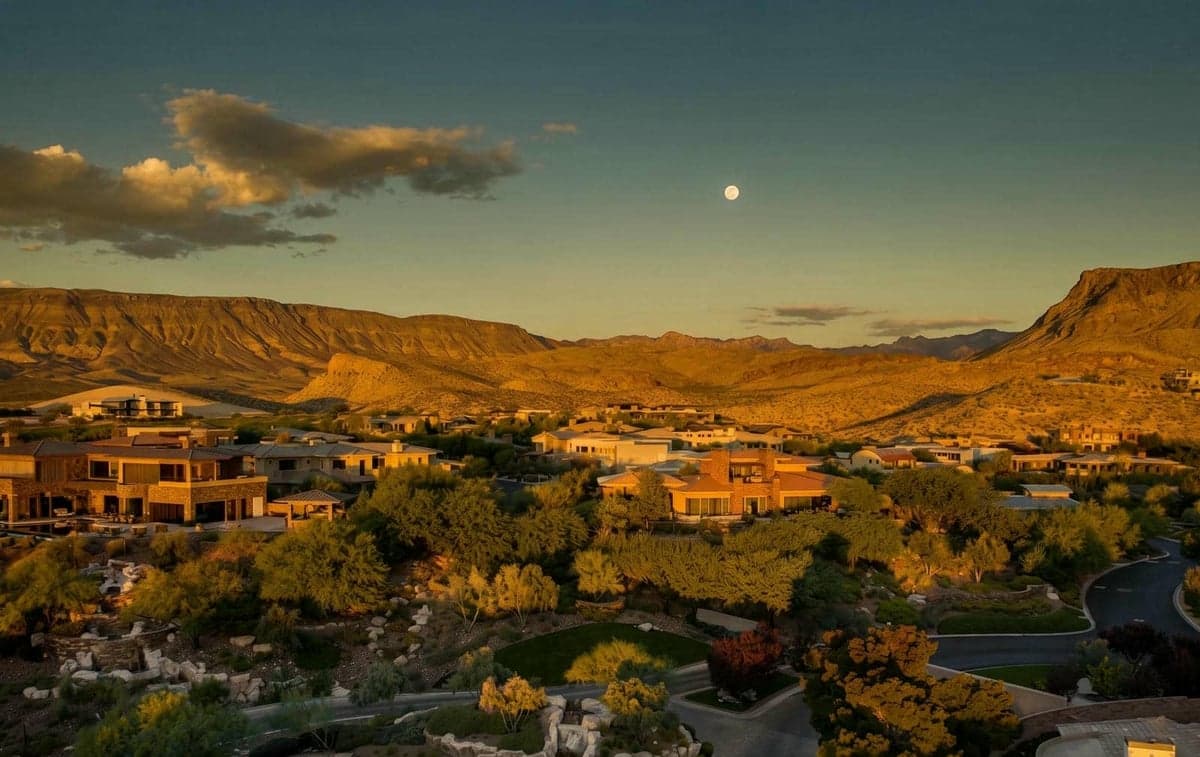
Summerlin South sits at the base of the Red Rock Canyon National Conservation Area, which is a significant natural asset. The elevation here—roughly 2,500 to 3,000 feet—provides slightly cooler temperatures than the valley floor, which matters for both comfort and for reducing water needs in a grid-down scenario. The immediate access to the Spring Mountains means a relocator has a viable retreat route into higher, more defensible terrain within a 30-minute drive. The area's layout is also notable: it's a master-planned community with limited entry points, which can be a double-edged sword. In a short-term crisis, these controlled access points can slow down opportunistic looters or rioters moving from the Strip or downtown Las Vegas. The natural desert surrounding the community provides a degree of isolation, though it's not impenetrable. The dry climate also reduces the risk of mold and rot in stored supplies, a practical advantage for long-term food and gear storage. For a prepper, the key takeaway is that Summerlin South offers a foothold on the edge of a major city, not a true wilderness retreat—but that foothill position is far better than being in the flat, exposed valley floor.
Risks, exposures, and proximity to fallout-relevant landmarks
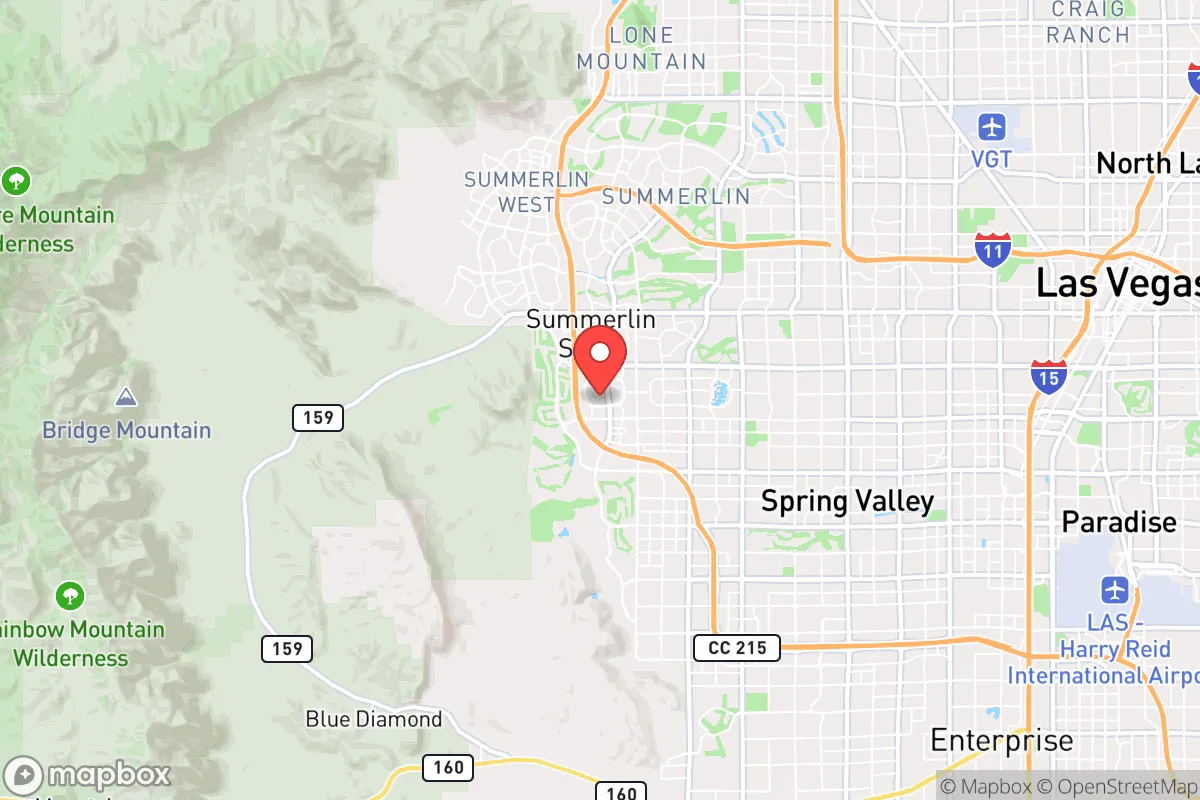
This is where the analysis gets serious. Summerlin South's biggest vulnerability is its location relative to Las Vegas's critical infrastructure. The Las Vegas Strip, McCarran International Airport (now Harry Reid International), and Nellis Air Force Base are all within a 15- to 25-mile radius. In a major conflict or terrorist event, these are high-value targets. Nellis, in particular, is a major Air Force installation with nuclear-capable aircraft and a massive weapons storage area. A conventional or nuclear strike on Nellis would produce significant fallout that could drift west toward Summerlin South depending on wind patterns. Additionally, the Hoover Dam, about 30 miles southeast, is a critical piece of national infrastructure that could be a target for sabotage or attack. A dam failure or attack would not directly flood Summerlin South (it's too high), but the resulting chaos in the valley would be catastrophic. The area is also in a seismically active region. While major earthquakes are rare, the potential for a quake damaging the dam or the city's water infrastructure is a real concern. For the survivalist, the proximity to these targets means that Summerlin South is not a "bug-out" location—it's a "bug-in" location that requires a robust plan for sheltering in place or a pre-planned evacuation route into the mountains. The risk of civil unrest following a disaster in Las Vegas is high, and the community's gated nature may become a liability if roads are blocked and escape routes are cut off.
Practical resilience for a relocator: food, water, energy, and defensibility
Let's get into the nuts and bolts of daily survival here. Water is the single biggest concern. The Las Vegas Valley relies almost entirely on the Colorado River via Lake Mead. A disruption to the water treatment or pumping infrastructure would leave Summerlin South dry within days. A prepper must have a minimum of two weeks of stored water per person, and ideally a plan for rainwater catchment or a well (though wells are rare in this master-planned community and subject to HOA restrictions). Food storage is more feasible due to the dry climate, but the area's reliance on trucked-in supplies means that a prolonged supply chain disruption would empty grocery shelves quickly. A six-month supply of non-perishable food is a baseline recommendation. Energy resilience is mixed. The grid is relatively stable, but summer heat waves cause rolling blackouts. Solar panels are a viable option here—the area gets over 300 days of sun per year—but HOAs in Summerlin South often have strict aesthetic rules that can limit panel placement. A backup generator with a fuel supply is a practical necessity. Defensibility is a trade-off. The gated entrances and neighborhood watch programs provide a layer of security against casual crime, but they also create a "fishbowl" effect. In a widespread crisis, these gates could become chokepoints where desperate people gather. The best defensive strategy is to live on a cul-de-sac or near a rear exit that leads to open desert or mountain trails. The community's proximity to Red Rock Canyon also means that a determined person could hike out to more remote areas if needed, but this requires physical fitness and knowledge of the terrain. For a family, the schools and community amenities are excellent, but the trade-off is that you are living in a highly regulated, densely populated suburb that is not designed for long-term self-sufficiency.
The overall strategic picture for Summerlin South is one of calculated risk. It offers a high quality of life in normal times, with good schools, low crime, and access to outdoor recreation. For the prepper who is not looking for a full-off-grid existence, it can work as a base of operations—provided you have a solid plan for water, power, and a bug-out route into the Spring Mountains. The proximity to Las Vegas's critical infrastructure and potential targets is a serious liability that cannot be ignored. If you are willing to invest in robust home preparations (water storage, solar, a generator, and a well-stocked pantry) and have a pre-planned evacuation route west toward Pahrump or into the mountains, Summerlin South can be a defensible, comfortable location. But if you are looking for a true retreat that is far from population centers and strategic targets, this is not it. It is a suburb with prepper potential, not a survivalist stronghold. The key is to treat it as a forward operating base, not a final redoubt. For the conservative relocator who values community and convenience but is serious about preparedness, Summerlin South requires a higher level of vigilance and planning than a more remote location, but it can be made to work with the right mindset and resources.

* Values derived from national, state, county, city and local statistics and may differ in a specific area. Last updated: 2026-04-29T01:40:24.000Z
Narrative content on this page is AI-generated and may contain mistakes. Verify any details that matter before acting on them.
ReloMaps may earn a commission from affiliate links at no extra cost to you.

