Political ClimatePolitical Climate in Summerlin South, NV
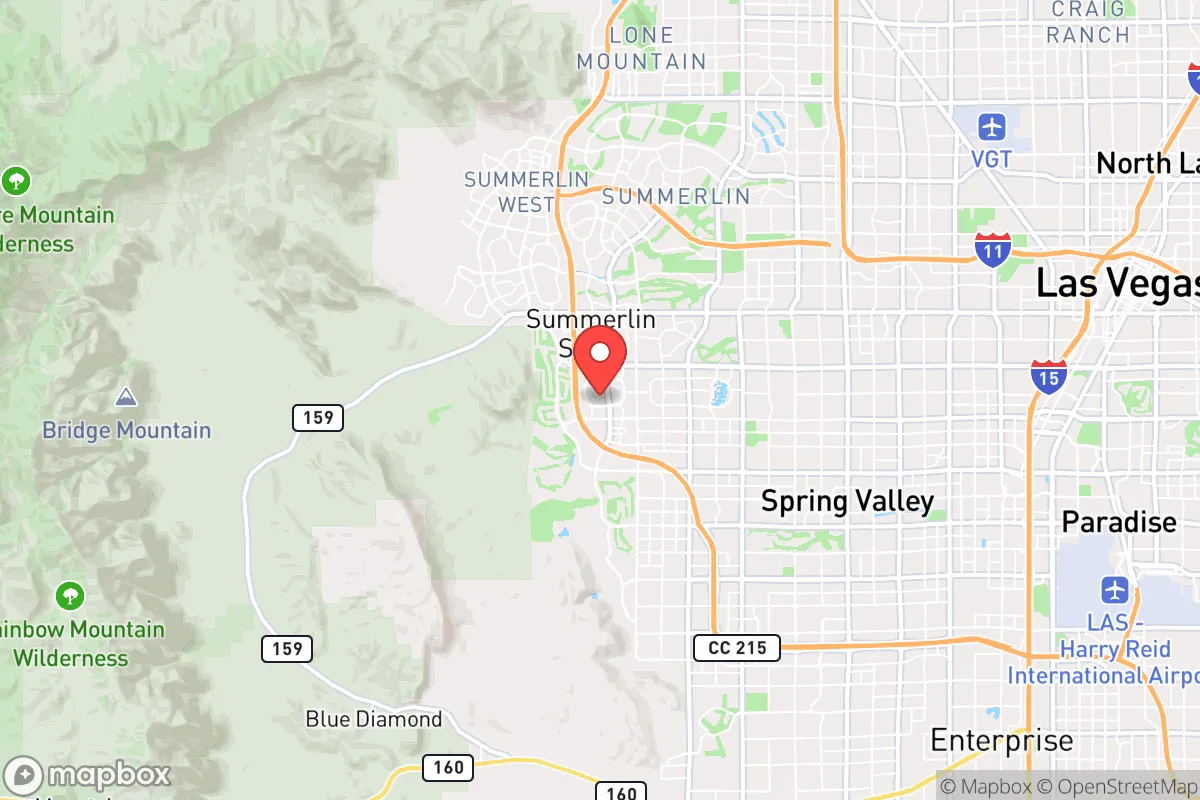
District shown is the primary district for this city’s centroid. Cities may span multiple districts.
Local Political AnalysisPolitical Analysis of Summerlin South, NV
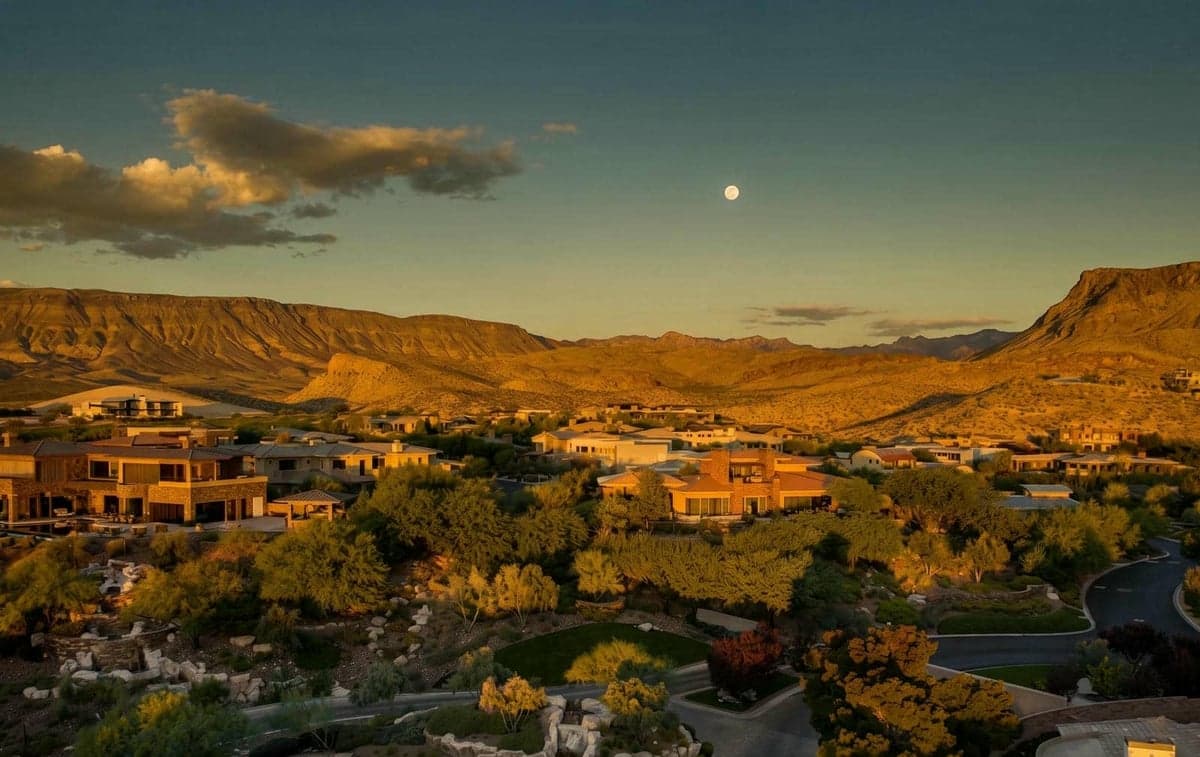
Summerlin South, Nevada, sits in a politically interesting spot. Its Cook PVI of D+1 tells you it's a true swing area, but that number doesn't capture the full story. For a long time, this part of the Las Vegas valley was reliably conservative—a place where folks valued low taxes, personal responsibility, and keeping government out of your backyard. Over the last decade or so, you've seen a slow but steady shift leftward, driven largely by an influx of new residents from California and other blue states. The area still has a strong conservative backbone, especially among longtime locals, but the political winds are definitely changing, and not everyone is happy about it.
How it compares
To understand Summerlin South, you have to look at its neighbors. Head a few miles east into downtown Las Vegas or the Arts District, and you're in deep blue territory—places where progressive policies on taxes, housing, and policing are the norm. Drive west toward Red Rock Canyon or up into the rural parts of Clark County, and you'll find communities that vote heavily Republican, with a strong libertarian streak. Summerlin South sits right in the middle, a kind of political buffer zone. It's more conservative than the urban core but noticeably less so than places like Mesquite or Pahrump, where conservative values are still the default. The difference is palpable: in Summerlin South, you'll see as many Harris-Walz yard signs as Trump-Vance ones during election season, something that would have been unthinkable 15 years ago.
What this means for residents
For a conservative-leaning resident, the biggest concern is the slow creep of government overreach. The county commission, which holds significant sway over land use and local ordinances, has tilted left in recent cycles. That means you're seeing more talk about density mandates, higher impact fees, and zoning changes that can feel like a direct attack on property rights. The school board has also become a battleground, with debates over curriculum transparency and parental rights heating up. On the plus side, the local homeowners' associations in Summerlin South remain some of the most effective in the valley at pushing back against county overreach—they're a powerful check on the kind of top-down planning that worries many residents. Still, the trend is clear: if you value limited government and local control, you have to stay engaged, because the political center of gravity is moving in a direction that feels increasingly intrusive.
The cultural and policy distinctions here are subtle but real. Summerlin South doesn't have the same "live and let live" vibe you find in the more rural parts of Nevada. Instead, it's a place where the tension between old-school Western independence and new urban progressivism plays out in everyday decisions—from how the parks are managed to which local taxes get raised. The long-term outlook depends heavily on who moves in next. If the influx of new residents continues to come from high-tax, high-regulation states, expect the political climate to keep shifting left. But if enough locals stay engaged and vote their values, Summerlin South could remain a rare pocket of balance in an increasingly polarized state. Either way, it's a place worth watching—and worth fighting for if you believe in keeping government small and personal freedoms large.

State Political ClimatePolitical Climate in Nevada
State Political AnalysisPolitical Environment in the State
Nevada has long been the ultimate political swing state, but over the past decade it’s shifted from a purple battleground to a precarious blue-leaning tilt, driven almost entirely by the explosive growth of Clark County (Las Vegas) and the influx of out-of-state transplants. While the state’s rural vastness remains deeply conservative, the population density in the Las Vegas metro—home to nearly three-quarters of all Nevadans—has allowed Democrats to control the governorship, both U.S. Senate seats, and the state legislature since 2018. The 2024 presidential race saw Nevada go blue by roughly 2.5 points, a far cry from the 2012 race where it was a true toss-up, and the trajectory is concerning for anyone who values limited government and traditional freedoms.
Urban vs. rural divide
The political map of Nevada is a tale of two worlds. Clark County (Las Vegas, Henderson, North Las Vegas) is the Democratic engine, delivering 70%+ margins in statewide races thanks to a coalition of unionized casino workers, service industry employees, and a growing Latino population. Washoe County (Reno) has become a classic suburban swing area—it voted for Biden in 2020 but flipped back to Trump in 2024 by a razor-thin margin, reflecting its mix of tech workers and ranching families. Meanwhile, the rest of the state is solidly red: Elko, Nye, and Lincoln counties routinely vote 70-80% Republican, with mining and ranching communities that feel completely disconnected from the Las Vegas political machine. The rural-urban divide is so stark that you can drive 30 minutes outside Reno and feel like you’re in a different country—one where property rights, gun ownership, and local control are still taken seriously.
Policy environment
Nevada’s policy landscape is a mixed bag that should give any freedom-minded person pause. The state has no personal income tax, which is a major draw, but it makes up for it with some of the highest sales tax rates in the West (8.25% in Clark County) and heavy reliance on gaming and tourism revenue. The regulatory environment is business-friendly in theory, but the state’s occupational licensing requirements are among the most burdensome in the nation, particularly for trades like plumbing and electrical work. On education, Nevada consistently ranks near the bottom nationally in K-12 outcomes, and the state’s school choice options are limited—there’s no robust voucher program, and charter schools face heavy bureaucratic hurdles. Healthcare policy is dominated by the state’s Medicaid expansion under Obamacare, which has ballooned costs. Election laws have become a flashpoint: Nevada automatically mails ballots to all registered voters and allows same-day registration, a system that conservatives argue invites fraud and erodes ballot integrity. The 2020 and 2024 cycles saw multiple lawsuits over signature verification and ballot harvesting, with no major reforms passed.
Trajectory & freedom
The trajectory of personal freedom in Nevada is troubling. The state was once a libertarian haven—no income tax, 24-hour gambling, and a live-and-let-live attitude. But recent years have seen a steady creep of government overreach. In 2023, the legislature passed SB 171, which effectively banned the sale of semiautomatic rifles to anyone under 21, a direct infringement on Second Amendment rights. The same session saw AB 354, which created a “red flag” law allowing courts to temporarily seize firearms without due process. On parental rights, the state has moved aggressively in the opposite direction of Florida and Texas: AB 261 (2023) prohibits schools from notifying parents if a child changes their gender identity or pronouns, a clear violation of family autonomy. Medical freedom took a hit with the state’s strict COVID-19 mandates, which included some of the longest-lasting mask requirements in the West. Property rights are under pressure from the state’s housing crisis, with rent control measures being debated in the legislature. The overall trend is unmistakable: Nevada is becoming more like California with every legislative session.
Civil unrest & political movements
Nevada has seen its share of political flashpoints. The 2020 “Stop the Steal” rally in Carson City drew thousands of protesters to the state capitol, and the 2022 midterms saw intense battles over election integrity, with the Clark County Registrar’s office facing allegations of mismanagement. The state has a growing sanctuary policy debate: Las Vegas and Reno have both adopted “welcoming city” ordinances that limit cooperation with federal immigration enforcement, a major concern for conservatives who believe in the rule of law. On the left, the Culinary Union—one of the most powerful political forces in the state—has organized massive protests for higher wages and against right-to-work legislation. The rural counties have responded with their own movements: Nye County commissioners passed a resolution in 2023 declaring the county a “Second Amendment sanctuary,” and there’s been talk of a secessionist movement in northern Nevada, where residents feel completely ignored by the Las Vegas-dominated legislature. These tensions are visible in daily life—drive through rural Nevada and you’ll see “Don’t California My Nevada” bumper stickers everywhere.
Projection
Looking ahead 5-10 years, the demographic trends are not encouraging for conservatives. Nevada is growing faster than almost any other state, and the vast majority of new arrivals are moving to Clark County from California, bringing their progressive voting habits with them. The Latino population, which now makes up nearly 30% of the state, leans Democratic by about 2-to-1, and the state’s unionized workforce remains a reliable Democratic base. The rural counties will continue to vote red, but their political power is shrinking as the population concentrates in Las Vegas and Reno. The best-case scenario for conservatives is that the state’s libertarian streak—the “what happens in Vegas” ethos—might slow the leftward drift, particularly on economic issues like taxes and business regulation. But on social issues, the trajectory is clear: expect more gun control, more parental rights restrictions, and more government involvement in healthcare and housing. A new resident moving in today should expect to find a state that in 2035 will look much more like California than the Nevada of 2010.
For a conservative individual or family considering a move to Nevada, the bottom line is this: the state offers genuine advantages—no income tax, a booming economy, and stunning natural beauty—but the political climate is shifting in a direction that should give you pause. If you’re willing to fight for your values at the ballot box and in the legislature, Nevada can still be a good home, especially if you settle in a conservative stronghold like Elko, Mesquite, or the rural areas around Pahrump. But if you’re looking for a state that already protects your freedoms on guns, education, and parental rights, you’ll find more alignment in Idaho or Texas. Nevada is still a swing state, but the pendulum is swinging left, and it’s not showing signs of stopping.
* Values derived from national, state, county, city and local statistics and may differ in a specific area. Last updated: 2026-04-29T01:40:24.000Z
Narrative content on this page is AI-generated and may contain mistakes. Verify any details that matter before acting on them.
ReloMaps may earn a commission from affiliate links at no extra cost to you.

