Political ClimatePolitical Climate in St Anthony, ID
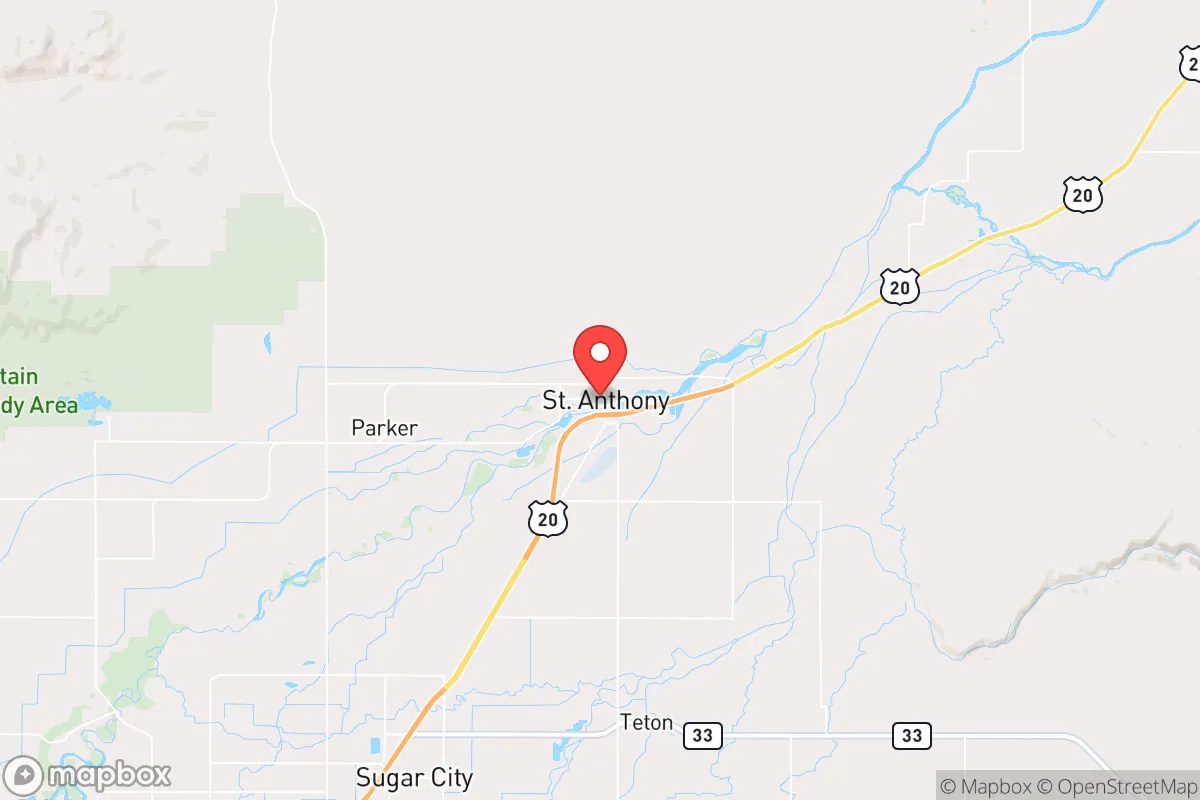
District shown is the primary district for this city’s centroid. Cities may span multiple districts.
Local Political AnalysisPolitical Analysis of St Anthony, ID
St. Anthony is about as solidly red as they come in Idaho, and it’s been that way for as long as anyone around here can remember. The Cook PVI of R+13 tells the story, but living it is different—you feel it in the way folks wave from their trucks, in the conversations at the feed store, and in the fact that local elections rarely see a contested primary because everyone’s on the same page. The political trajectory here isn’t shifting left; if anything, the community has doubled down on its conservative roots over the last decade, especially as newcomers from places like Boise or even Rexburg try to bring big-city ideas with them. That R+13 number isn’t just a statistic—it’s a reflection of a place that values personal responsibility, limited government, and the freedom to live without someone in a distant office telling you how to run your life.
How it compares
Drive 20 minutes south to Rexburg, and you’ll find a similar conservative vibe, but it’s a little more polished, a little more tied to BYU-Idaho and the church’s institutional presence. St. Anthony is grittier, more rural, and less willing to compromise on principle. Head west to Ashton or north to Island Park, and the politics stay red, but the issues shift—more focus on federal land management and forest access. The real contrast is if you go all the way to Boise or even Pocatello, where you start hearing talk about bike lanes, diversity initiatives, and zoning overlays that sound like government overreach dressed up as progress. St. Anthony doesn’t have that problem. People here still believe the best government is the one closest to home, and they’re suspicious of any policy that tries to solve a problem nobody asked about.
What this means for residents
For someone moving here, the political climate means you get to live with a lot less interference in your day-to-day. Property rights are taken seriously—you can build a shop, keep livestock, or run a small business out of your garage without needing a permit for every nail you drive. The county commission and city council are full of folks who’ve been here decades and remember when the biggest political fight was over whether to pave a road. That’s changing slowly, as more people from out of state arrive, but the local culture pushes back hard against any progressive drift. You won’t see mask mandates, critical race theory in schools, or heavy-handed land-use restrictions here. The trade-off is that services are minimal—don’t expect a lot of public transit or fancy parks—but most residents see that as a fair price for keeping the government out of their business.
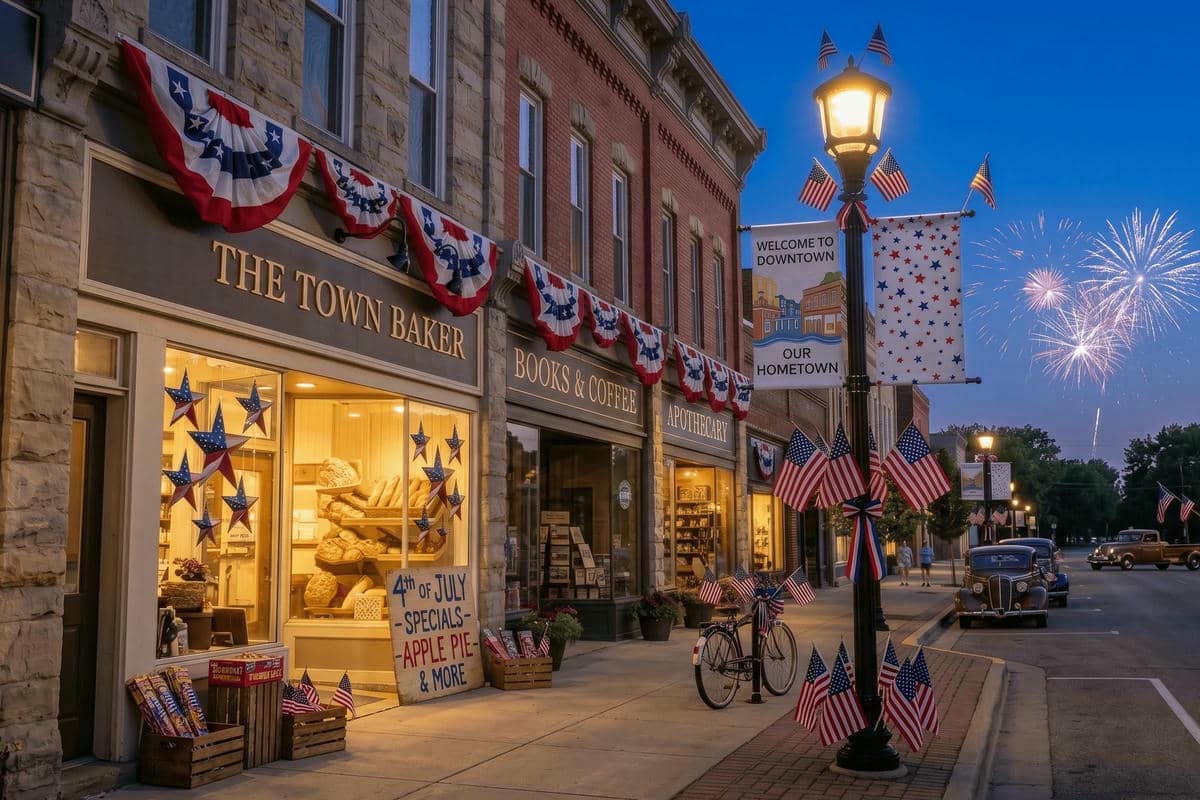
One thing that stands out culturally is the strong sense of self-reliance. Neighbors help neighbors, but nobody expects a handout or a program to fix their problems. The local schools teach traditional values, the churches are full on Sundays, and the annual Fourth of July parade is still about flags and veterans, not rainbow banners. If you’re looking for a place where you can raise a family without worrying about the latest social experiment from the coast, St. Anthony delivers. The long-term outlook is cautiously optimistic—as long as the community stays engaged and doesn’t let outside money or ideology dilute what makes it work, this corner of Idaho will remain a refuge for common sense and personal freedom.

State Political ClimatePolitical Climate in Idaho
State Political AnalysisPolitical Environment in the State
Idaho has long been one of the most reliably conservative states in the nation, with a Republican trifecta controlling the governorship, supermajorities in both legislative chambers, and a solidly red congressional delegation. Over the past 20 years, the state has shifted from a more libertarian-leaning, live-and-let-live Western conservatism toward a more assertive, culturally conservative posture, driven largely by an influx of out-of-state transplants from California, Washington, and Oregon. While the state remains deeply Republican — Donald Trump carried Idaho by 30 points in 2024 — the nature of that conservatism is evolving, with new tensions emerging between longtime residents and newcomers over growth, land use, and the pace of cultural change.
Urban vs. rural divide
The political map of Idaho is a study in contrasts. The Treasure Valley, anchored by Boise, Meridian, and Nampa, has become the state’s population engine and its most politically moderate region. Ada County (Boise) has trended purple over the last decade — it voted for Trump by only 8 points in 2024, down from 18 in 2016 — and local races there are increasingly competitive. Canyon County (Nampa, Caldwell) remains reliably red but is seeing similar demographic pressures. Meanwhile, the rural north and east are deeply conservative. Idaho Falls and Rexburg in the east, and Coeur d’Alene and Post Falls in the north, are Republican strongholds where Trump routinely wins by 40 points or more. The central and southern counties — like Blaine County (Sun Valley) — are the only blue outliers, driven by a wealthy, second-home population and a tourism economy. The urban-rural divide is real: Boise’s growth is bringing more moderate and even left-leaning voters, while the rest of the state is digging in culturally and politically.
Policy environment
Idaho’s policy environment is among the most conservative in the country. The state has a flat income tax of 5.8% (reduced from 6.5% in 2023), no corporate income tax on pass-through entities, and a property tax system that is relatively low by national standards. The legislature has passed multiple rounds of tax cuts since 2020, including a $600 million package in 2023. Education policy is a flashpoint: the state has a robust school choice movement, with a new education savings account (ESA) program passed in 2024 that allows parents to use public funds for private or homeschool expenses. The state also passed a “Parents’ Bill of Rights” in 2023, requiring schools to notify parents of any curriculum changes involving sexuality or gender identity. On election integrity, Idaho requires voter ID, has no same-day registration, and in 2024 passed a law banning ballot drop boxes except at county election offices. The state also has a near-total abortion ban (trigger law effective 2022) with no exceptions for rape or incest, only to save the mother’s life. Medical freedom advocates have pushed for vaccine choice legislation, but a 2023 bill banning employer vaccine mandates failed in committee.
Trajectory & freedom
Idaho is arguably becoming more free in several key areas, but the trajectory is uneven. On gun rights, the state passed constitutional carry in 2016 and in 2023 enacted a “Second Amendment Preservation Act” that prohibits state enforcement of any future federal gun bans or registration schemes. On parental rights, the 2023 Parents’ Bill of Rights and the 2024 ESA program represent significant expansions of family autonomy. On medical freedom, the state banned COVID-19 vaccine mandates for state employees and contractors in 2022, and a 2024 law prohibits discrimination based on vaccination status. However, property rights are under strain: the influx of new residents has driven up land prices and property taxes, and the legislature has been slow to pass meaningful property tax relief. Additionally, a 2023 law restricting transgender minors’ access to gender-affirming care has been praised by conservatives but is being challenged in court. The overall direction is toward more personal liberty in the traditional conservative sense — gun rights, school choice, medical autonomy — but with a growing tension between individual freedom and the state’s desire to enforce cultural norms.
Civil unrest & political movements
Idaho has seen relatively little civil unrest compared to coastal states, but there are visible political movements. The most prominent is the “North Idaho” secessionist sentiment, with a small but vocal group advocating for a separate “State of Liberty” or “North Idaho” that would break away from the more moderate Treasure Valley. This is mostly rhetorical, but it reflects a real cultural divide. The state has also been a hub for the “constitutional sheriff” movement, with several sheriffs publicly refusing to enforce federal gun laws. In 2020, Boise saw protests over police brutality, but they were small and largely peaceful compared to other cities. Immigration politics are relatively quiet — Idaho has no sanctuary cities, and the legislature passed a law in 2024 requiring local law enforcement to cooperate with ICE. Election integrity has been a hot topic: the 2020 and 2022 elections saw no major fraud cases, but the legislature has tightened voting laws anyway. The most visible flashpoint for a new resident would be the culture war over schools — school board meetings in Boise, Meridian, and Kuna have been packed with parents arguing over library books, curriculum, and transgender policies. It’s a sign that the political energy is local and intense.
Projection
Over the next 5-10 years, Idaho will likely remain deeply conservative, but the nature of that conservatism will continue to evolve. The Treasure Valley’s growth will make Ada County more competitive, possibly flipping it blue in presidential elections by 2032 if current trends hold. That will create a more polarized state: a purple urban core surrounded by a deep-red rural hinterland. The legislature will likely continue to pass tax cuts, school choice expansions, and cultural legislation on abortion, gender, and parental rights. The biggest wild card is housing and property taxes — if the cost of living continues to rise faster than wages, it could fuel a populist backlash against growth and newcomers. For a conservative moving in now, the state will feel familiar for the next decade, but the political center of gravity will shift toward the suburbs of Boise. The rural areas will hold firm, but the state’s overall identity will be increasingly shaped by the tension between the libertarian, live-and-let-live ethos of old Idaho and the more culturally assertive conservatism of the newcomers.
For a new resident, the bottom line is this: Idaho is a safe bet for conservatives who want low taxes, strong gun rights, school choice, and a culture that respects parental authority. But don’t expect a static environment — the state is changing fast, and the political battles of the next decade will be fought over growth, land, and the pace of cultural change. If you’re moving here, get involved locally, especially in school board and county commission races, because that’s where the real action is. The state is still free, but freedom requires vigilance.
* Values derived from national, state, county, city and local statistics and may differ in a specific area. Last updated: 2026-05-01T13:05:44.000Z
Narrative content on this page is AI-generated and may contain mistakes. Verify any details that matter before acting on them.
ReloMaps may earn a commission from affiliate links at no extra cost to you.

