 Popular
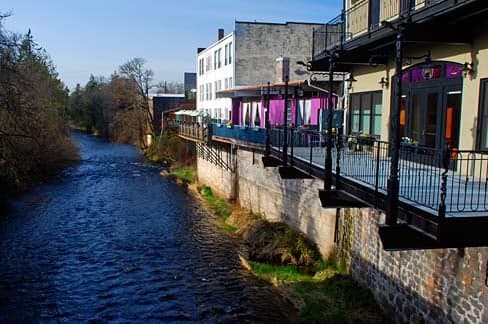
Photo: Wikipedia
Quality of Life in Silverton, OR
A high quality of life with strong walkability, manageable living costs, healthy neighborhood signals, and solid amenity access.
What does Quality of Life tell us?
Quality of Life blends cost of living, nearby amenities, socioeconomic signals, and neighborhood character. City-level scores represent the whole municipality; individual neighborhoods can differ.
What does this tell us?
Quality of Life blends cost of living, nearby amenities, socioeconomic signals, and neighborhood character. City-level scores represent the whole municipality; individual neighborhoods can differ.
Cost of Living
42% above national average
The Real Cost of Living in Silverton, OR for 2026
| Tier | Individual | Family (4) |
|---|---|---|
| Survival | $24k | $44k |
| Comfortable | $80k | $117k |
| Luxury | $117k+ | $181k+ |
| Elite (Top 5%) | $138k+ | $213k+ |
63%
The Area Signal
A metric tracking the socioeconomic signals of the area.
Hobbies
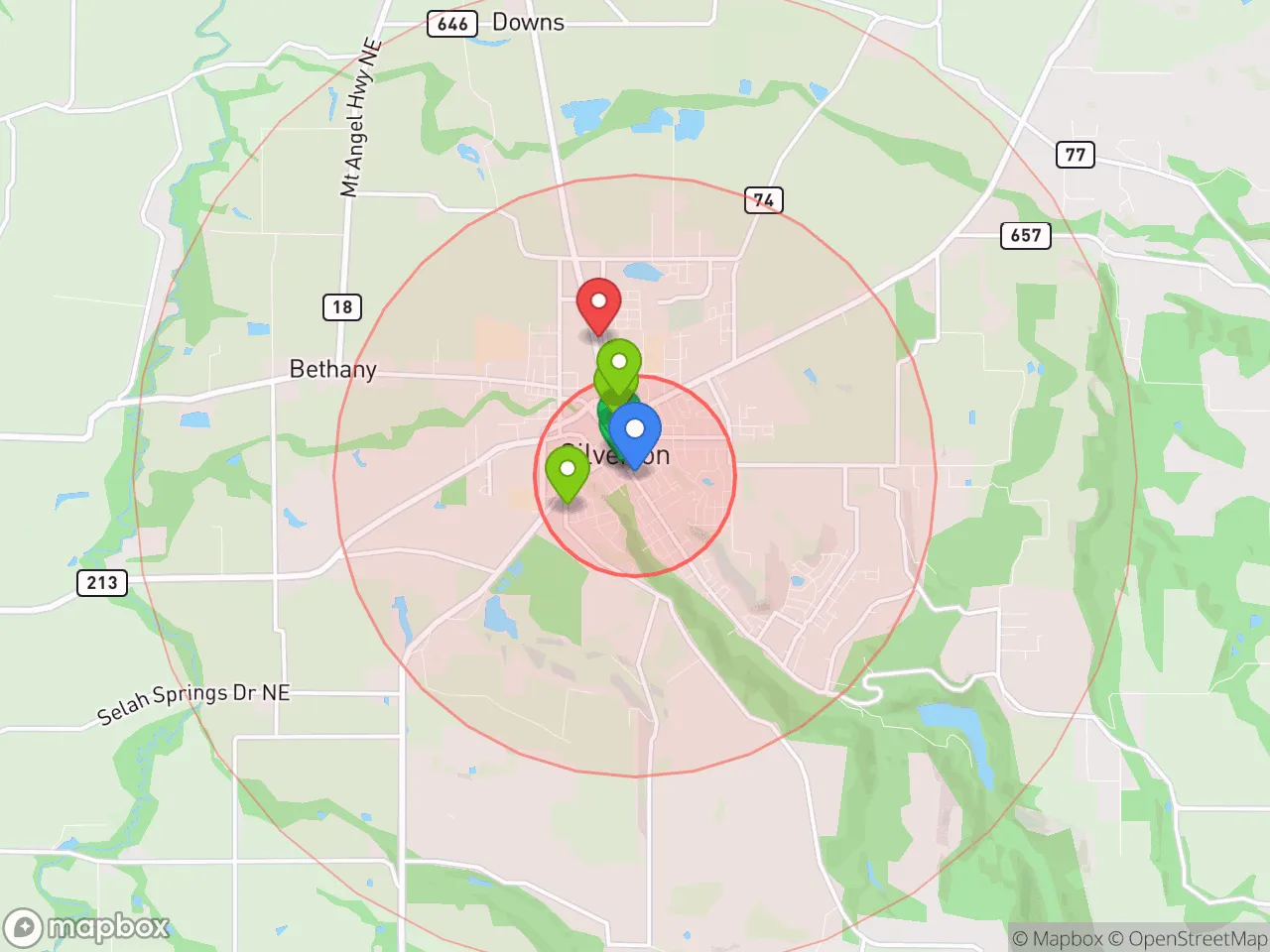
Explore the areaGroceries
1 within 10 miles
Gas
11 within 10 miles
Hospital
5 within 20 miles
Airport
PDX — Portland International
Post Office
USPS — Silverton, OR
Critical Amenities
Quality-of-Life Analysis
Silverton, Oregon, is an affluent small town with a cost of living index of 142 (42% above the U.S. average), attracting a mix of professionals, remote workers, and retirees who prioritize a tight-knit community and proximity to nature over urban affordability. The town’s population of roughly 10,000 leans older and more educated than the state average, with a median age near 40 and a high proportion of homeowners. This demographic profile shapes Silverton’s character as a quiet, family-oriented enclave where residents value stability, local traditions, and easy access to the Willamette Valley’s wine country and the Cascade foothills.
Cost of living, housing prices, and affordability compared to Salem and Portland
Silverton’s cost of living index of 142 is significantly higher than the national baseline, driven primarily by housing. The median home value of $461,800 is roughly 15% above the Salem metro median of $400,000 and about 25% below Portland’s median of $620,000, positioning Silverton as a premium but not exorbitant option within the region. Median rent of $1,479 is comparable to Salem’s average of $1,450 but notably lower than Portland’s $1,800. The average commute of 29.5 minutes is longer than Salem’s 22-minute average, reflecting the trade-off many residents make for larger lots and quieter streets. Property taxes in Marion County average about 1.1% of assessed value, slightly below the state median, which helps offset the higher purchase prices. For buyers, the market is competitive but not as frenzied as Portland’s; homes typically sell within 30–45 days, and inventory has increased modestly since 2023.
Local amenities, schools, and what daily life is like for families
Daily life in Silverton centers on the historic downtown, anchored by the Oregon Garden (a 80-acre botanical attraction) and a walkable main street with independent cafes, a brewery, and a weekly farmers market from May through October. The Silver Falls School District serves the area, with Silverton High School graduating about 200 students annually and offering strong programs in agriculture and the arts; the district’s graduation rate hovers around 88%, slightly above the state average. For families, the town’s recreation options include Silver Creek, which runs through the city, and the nearby Silver Falls State Park (15 minutes east), home to the Trail of Ten Falls. The lack of a major hospital or large retail mall means residents commute to Salem (20 minutes) for healthcare, shopping, and entertainment, but the trade-off is a low crime rate—violent crime is roughly half the national average, and property crime is below the Oregon median. The rhythm of life is slow and seasonal, with community events like the Silverton Fine Arts Festival and the annual Christmas parade drawing strong turnout.
Silverton is best suited for families, retirees, and remote workers who value a safe, walkable small town with strong schools and natural beauty, but who can absorb the above-average housing costs. Those seeking nightlife, diverse dining, or a short commute to a major job center will find the town limiting. The community’s affluence and insularity can feel exclusive to newcomers, but the active volunteer networks and low turnover among residents create a stable, neighborly atmosphere that many find worth the premium. For buyers priced out of Portland’s market but unwilling to sacrifice quality of life, Silverton offers a viable middle ground—provided the 30-minute commute to Salem or a remote-work arrangement is acceptable.

Crime in Silverton, OR
Crime rates similar to the national median for U.S. locations.
Violent CrimeViolent Crime Analysis
Property CrimeProperty Crime Analysis
Crime Analysis
Silverton, Oregon, presents a mixed safety profile for potential residents. The city’s violent crime rate of 311.9 per 100,000 residents is slightly below the national average, but its property crime rate of 2,137.9 per 100,000 is notably higher than both state and national benchmarks. As a small city within commuting distance of the Portland metro area, Silverton is subject to the broader regional crime trends and justice system policies that can influence local safety.
Crime in context
Silverton’s violent crime rate of 311.9 per 100,000 is roughly 11% lower than the U.S. average of about 350 per 100,000, placing it in a moderate range for Oregon communities. However, the property crime rate of 2,137.9 per 100,000 is significantly elevated — approximately 30% higher than the national average of 1,650 per 100,000 and well above Oregon’s statewide rate of around 1,900 per 100,000. This disparity is partly attributable to Silverton’s proximity to the Portland metropolitan area, where progressive district attorneys and judges have implemented policies that prioritize diversion and reduced incarceration for property offenses. These policies, while intended to reduce recidivism, have been linked to higher rates of repeat property crime as offenders face fewer consequences, directly impacting communities like Silverton that absorb spillover from the metro area.
What residents experience
For daily life in Silverton, the elevated property crime rate translates into tangible risks. Residents commonly report vehicle break-ins, package thefts, and burglaries, particularly in neighborhoods near Highway 213 and the downtown core. Larceny-theft accounts for the majority of property crimes, with many incidents occurring in commercial areas and near the Oregon Garden. Violent crime, while less frequent, is not absent — aggravated assault makes up the largest share, often tied to domestic disputes or alcohol-related incidents. The city’s police department maintains a visible presence, but staffing levels are modest, and response times can lag during peak hours. Residents should consider investing in home security systems, outdoor lighting, and neighborhood watch participation as practical deterrents.
Neighborhood-level variation
Safety in Silverton is not uniform across the city. The historic downtown district and areas along Water Street see higher concentrations of property crime, driven by foot traffic and transient populations. In contrast, the residential neighborhoods east of the Willamette River and near Silver Creek generally report lower incident rates, benefiting from stronger community cohesion and less through-traffic. The Silverton Hills area, with its larger lots and rural character, has the lowest crime density but also fewer police patrols. Newer subdivisions on the city’s south side, such as those near the high school, show moderate crime levels typical of suburban development. Prospective residents should review the Silverton Police Department’s annual crime report and consult with local real estate agents for block-level insights before choosing a specific area.
* Values derived from national, state, county, city and local statistics and may differ in a specific area. Last updated: 2026-07-30T14:11:48.000Z
Narrative content on this page is AI-generated and may contain mistakes. Verify any details that matter before acting on them.
ReloMaps may earn a commission from affiliate links at no extra cost to you.

