Political ClimatePolitical Climate in Ruidoso, NM
District shown is the primary district for this city’s centroid. Cities may span multiple districts.
Inherited from parent state — no local data available.
Local Political AnalysisPolitical Analysis of Ruidoso, NM
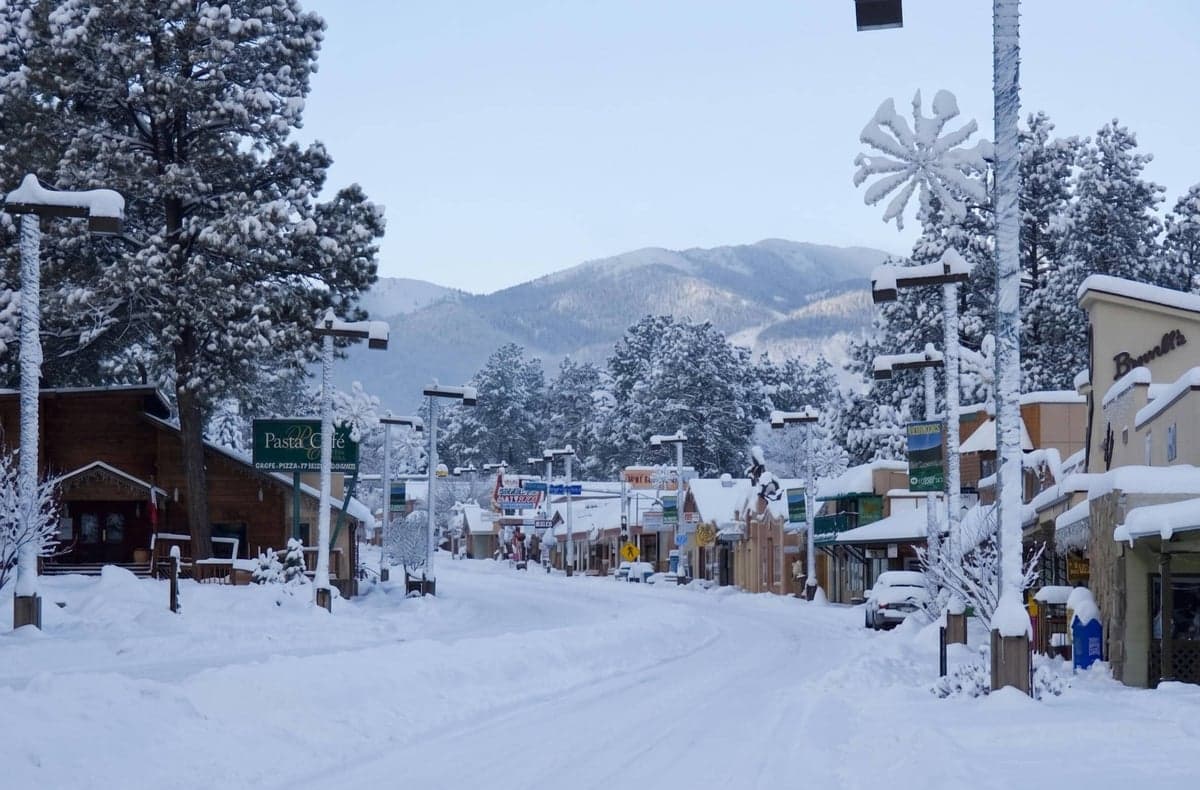
Ruidoso, New Mexico, has a Cook PVI of D+7, which means it leans reliably Democratic in federal elections, but that number doesn't tell the whole story for those of us who've lived here a while. The village itself has shifted noticeably left over the past decade, especially since the 2020 cycle, and the local government has increasingly embraced policies that feel like they're coming straight out of Santa Fe or even Washington. If you're looking for a place where personal freedoms and local control are still the priority, you'll want to pay close attention to what's happening on the ground here.
How it compares
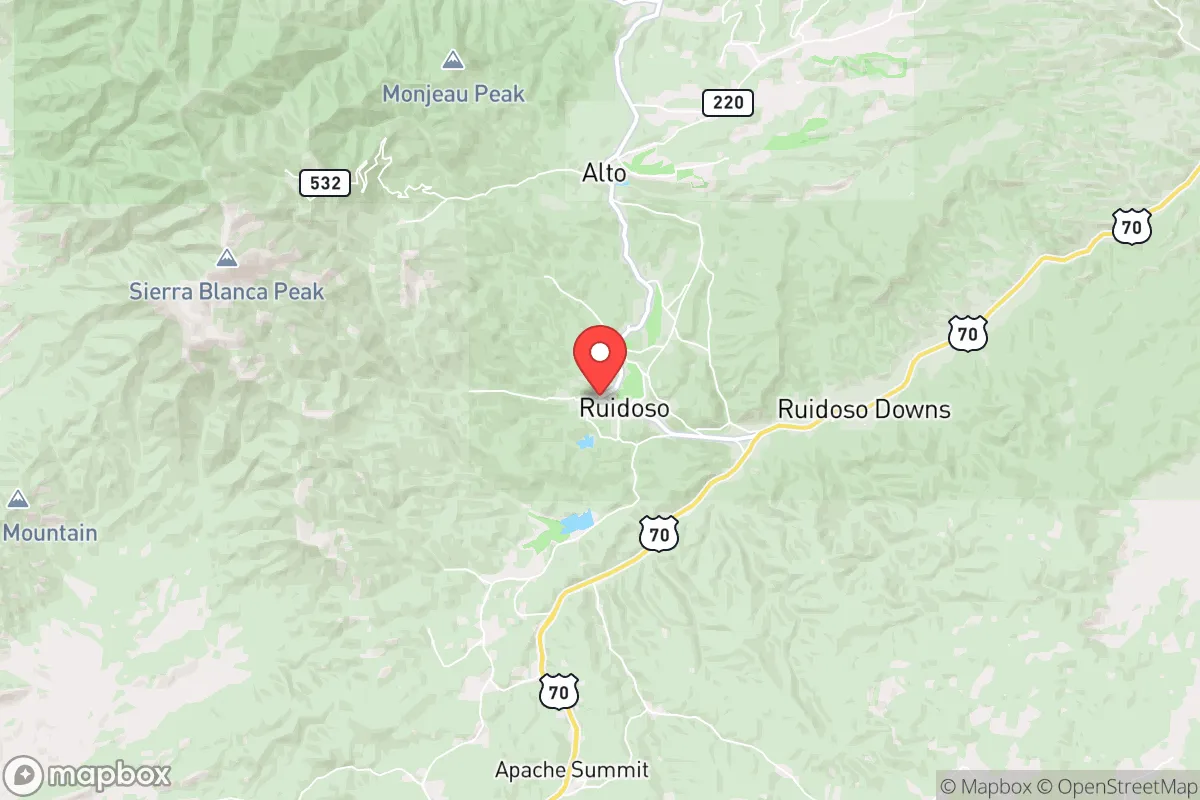
Drive just 30 minutes north to Capitan or an hour east to Roswell, and you'll find communities that vote much more conservatively, often by double-digit margins. Lincoln County as a whole is a mixed bag—rural areas outside Ruidoso tend to lean red, but the village itself is the blue dot in the county. That contrast is sharpest during local elections, where progressive candidates have won council seats and pushed through zoning changes and spending measures that many of us see as government overreach. The nearby town of Alamogordo, about 45 minutes south, is another example of a place that's held the line on conservative values, with a much more hands-off approach to business and property rights. Ruidoso's D+7 rating puts it in a different political universe from those neighbors, and the gap seems to be widening every election cycle.
What this means for residents
For those of us who value personal liberty, the trend is concerning. The village council has shown a willingness to impose new regulations on short-term rentals, restrict water usage with heavy-handed mandates, and entertain tax increases for programs that don't always have clear local support. These aren't just abstract political debates—they affect how you can use your own property and how much you pay to keep it. The school board has also moved in a more progressive direction, with curriculum changes that prioritize social-emotional learning over traditional academics, which has frustrated parents who want more control over their kids' education. If you're a small business owner or a retiree on a fixed income, the creeping expansion of government authority here is something you feel in your wallet and your daily life.
On the cultural side, Ruidoso still has a strong outdoorsy, independent streak—people hunt, fish, ride horses, and value self-reliance. But the political climate is becoming more divided, with newcomers from blue states driving much of the shift. The long-term trajectory, if it continues, points toward more regulation, higher taxes, and less local autonomy. For now, it's still a beautiful place to live, but you have to keep an eye on the ballot box and the council chambers if you want to keep it that way.

State Political ClimatePolitical Climate in New Mexico
State Political AnalysisPolitical Environment in the State
New Mexico has long been a reliably blue state in presidential elections, but the picture is more complicated than a simple partisan label. The state’s Democratic lean is driven by a coalition of Hispanic voters in the north and liberal transplants in Albuquerque and Santa Fe, while the eastern plains and southern oil patch lean heavily Republican. Over the past 20 years, the state has shifted leftward on cultural issues—especially after 2020—but a growing conservative backlash in rural areas and among oil-and-gas workers is creating a sharper urban-rural divide than ever before. For a conservative considering relocation, the key question is whether the state’s natural beauty and low cost of living outweigh a policy environment that has become increasingly progressive.
Urban vs. rural divide
The political map of New Mexico is a tale of two worlds. Santa Fe and Albuquerque are the Democratic strongholds, with Santa Fe County routinely delivering 70-80% of its vote to Democratic candidates. Albuquerque’s Bernalillo County is the state’s population center and reliably blue, though its eastern suburbs like Rio Rancho and Edgewood are more competitive. Meanwhile, the southeastern corner—Hobbs, Carlsbad, and Roswell—votes Republican by margins of 30-40 points, driven by the oil and gas industry and a strong ranching culture. The rural north, including Taos and Las Vegas, is culturally conservative but votes Democratic due to union ties and federal employment. The real battleground is the Las Cruces area in Doña Ana County, which has trended blue but still has a sizable conservative Hispanic population. In 2024, the state’s 5 electoral votes went to the Democratic candidate by about 11 points, but that margin hides a map where 28 of 33 counties voted red.
Policy environment
New Mexico’s tax structure is a mixed bag for conservatives. The state has a progressive income tax with rates from 1.7% to 5.9%, and a gross receipts tax (essentially a sales tax) that can exceed 9% in some cities. Property taxes are low—among the lowest in the nation—which is a plus for homeowners. But the regulatory posture has shifted leftward under Governor Michelle Lujan Grisham. In 2021, the state passed the Energy Transition Act, which mandates a 100% carbon-free electricity grid by 2045, putting pressure on the oil and gas industry that funds a third of the state budget. Education policy is a flashpoint: the state has a universal school lunch program and expanded pre-K, but school choice remains limited, and the state’s public schools consistently rank near the bottom nationally in math and reading. Healthcare is heavily regulated, with a state-run insurance exchange and Medicaid expansion under the Affordable Care Act. Election laws are relatively permissive—same-day voter registration, no-excuse absentee voting, and automatic voter registration at the DMV—which conservatives argue opens the door to fraud, though no major scandals have been proven.
Trajectory & freedom
On personal liberty, New Mexico is trending in a concerning direction for conservatives. The 2021 repeal of the state’s concealed carry permit requirement was a rare win for gun rights, but it was followed by the 2023 passage of a red-flag law (HB 129) that allows courts to temporarily seize firearms from individuals deemed a risk. Parental rights took a hit in 2023 when the state banned conversion therapy for minors and expanded access to gender-affirming care without parental consent for teens 14 and older. Medical autonomy is restricted: the state has strict abortion protections (codified in 2023) and a legal cannabis market, but vaccine mandates for healthcare workers remain in place. Property rights are under pressure from the state’s Land Use Act, which gives local governments more power over zoning and development. The most controversial recent law is the 2024 Clean Fuel Standard, which imposes a carbon intensity reduction on transportation fuels—a direct hit to the oil and gas industry. For a conservative, the trajectory is clear: the state is becoming less free on cultural and economic fronts, even as it loosens some criminal justice policies.
Civil unrest & political movements
New Mexico has seen its share of political flashpoints. In 2020, protests in Albuquerque over the murder of George Floyd turned violent, with businesses looted and a statue of Juan de Oñate removed by activists. The state’s sanctuary policies—which limit cooperation between local law enforcement and federal immigration authorities—have been a source of tension, especially in rural counties like Otero and Lea, where sheriffs have publicly refused to comply. The 2022 election saw a minor controversy when a Republican candidate for secretary of state alleged irregularities in ballot counting, but no court cases substantiated the claims. The most visible movement on the right is the “New Mexico Stands Up” coalition, which organizes around Second Amendment rights and school choice. On the left, the “Southeast New Mexico Democratic Socialists” have gained influence in Albuquerque and Santa Fe, pushing for rent control and defunding the police. A new resident would notice the stark contrast between the liberal activism in the cities and the quiet, gun-friendly culture of the rural areas.
Projection
Over the next 5-10 years, New Mexico is likely to become more polarized, not less. The demographic trends favor Democrats: the state’s Hispanic population (49% of the total) leans Democratic, and in-migration from California and Texas is bringing more progressive voters to Albuquerque and Santa Fe. However, the oil and gas industry—which supports tens of thousands of jobs in the southeast—is fighting back, and the 2024 election showed that rural turnout is increasing. The state’s budget is heavily dependent on oil revenue, so any national shift away from fossil fuels could trigger a fiscal crisis that forces policy changes. For a conservative moving in now, the practical takeaway is to choose your county carefully: Rio Rancho or Edgewood offer a more balanced political environment, while Hobbs or Carlsbad are deeply red. The state’s low property taxes and natural beauty are real draws, but the cultural and regulatory headwinds are real too.
Bottom line: New Mexico is a state where a conservative can live well if they pick the right community, but the state government is increasingly at odds with traditional values. If you value low taxes and wide-open spaces, you’ll find a home here. If you want a state that actively protects your rights to self-defense, parental authority, and economic freedom, you’ll need to stay engaged in local politics—or look elsewhere.
* Values derived from national, state, county, city and local statistics and may differ in a specific area. Last updated: 2026-04-19T07:04:39.000Z
Narrative content on this page is AI-generated and may contain mistakes. Verify any details that matter before acting on them.
ReloMaps may earn a commission from affiliate links at no extra cost to you.

