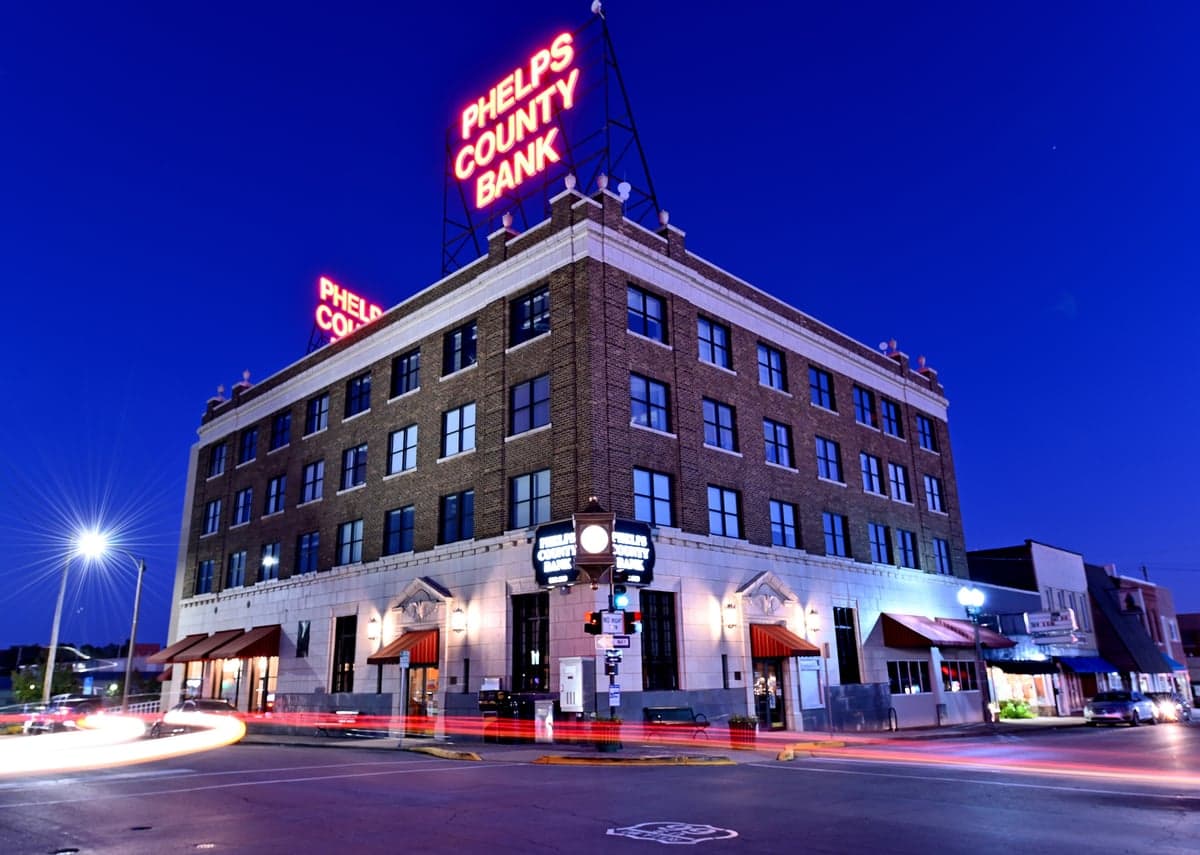
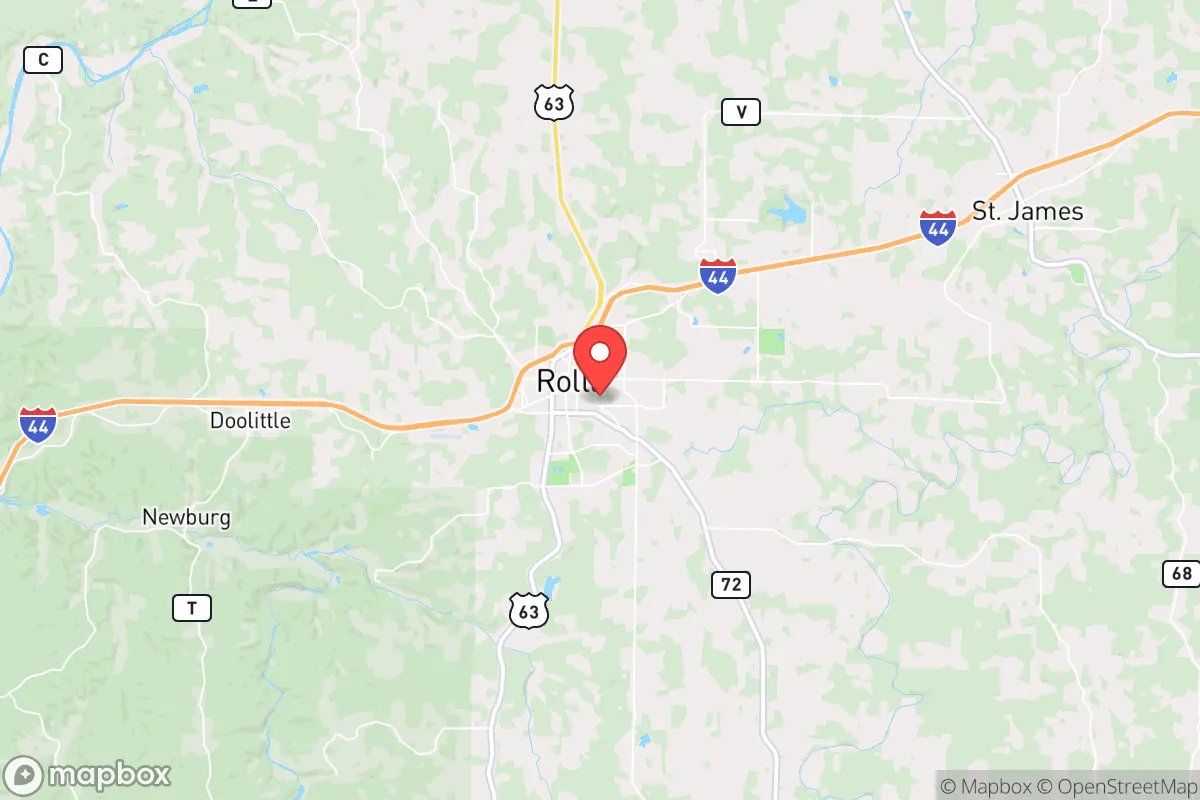
Photo: Wikipedia
Quality of Life in Rolla, MO
A high quality of life with strong walkability, manageable living costs, healthy neighborhood signals, and solid amenity access.
What does Quality of Life tell us?
Quality of Life blends cost of living, nearby amenities, socioeconomic signals, and neighborhood character. City-level scores represent the whole municipality; individual neighborhoods can differ.
What does this tell us?
Quality of Life blends cost of living, nearby amenities, socioeconomic signals, and neighborhood character. City-level scores represent the whole municipality; individual neighborhoods can differ.
Cost of Living
34% below national average
The Real Cost of Living in Rolla, MO for 2026
| Tier | Individual | Family (4) |
|---|---|---|
| Survival | $13k | $24k |
| Comfortable | $34k | $51k |
| Luxury | $77k+ | $119k+ |
| Elite (Top 5%) | $92k+ | $142k+ |
84%
The Area Signal
A metric tracking the socioeconomic signals of the area.
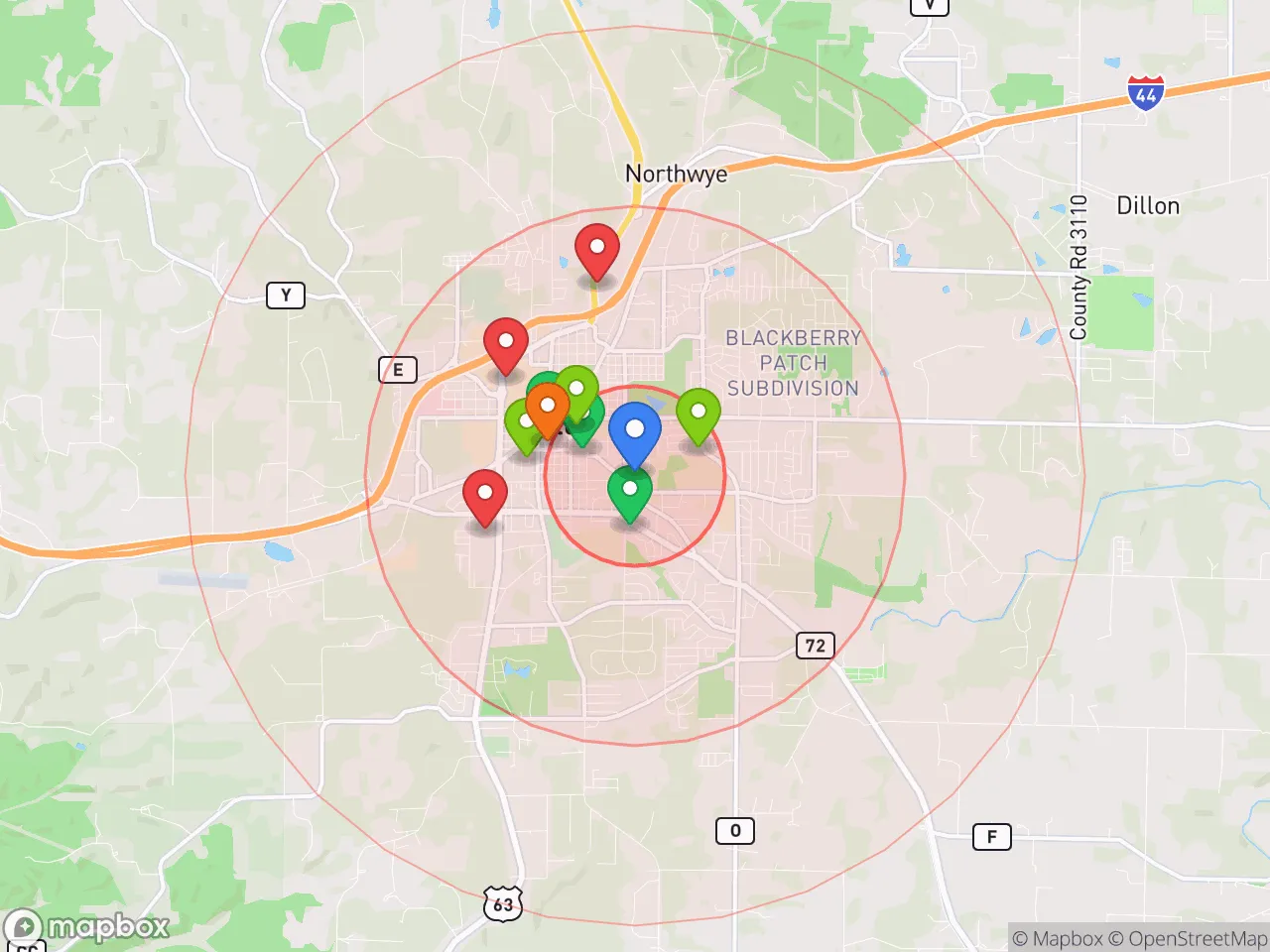
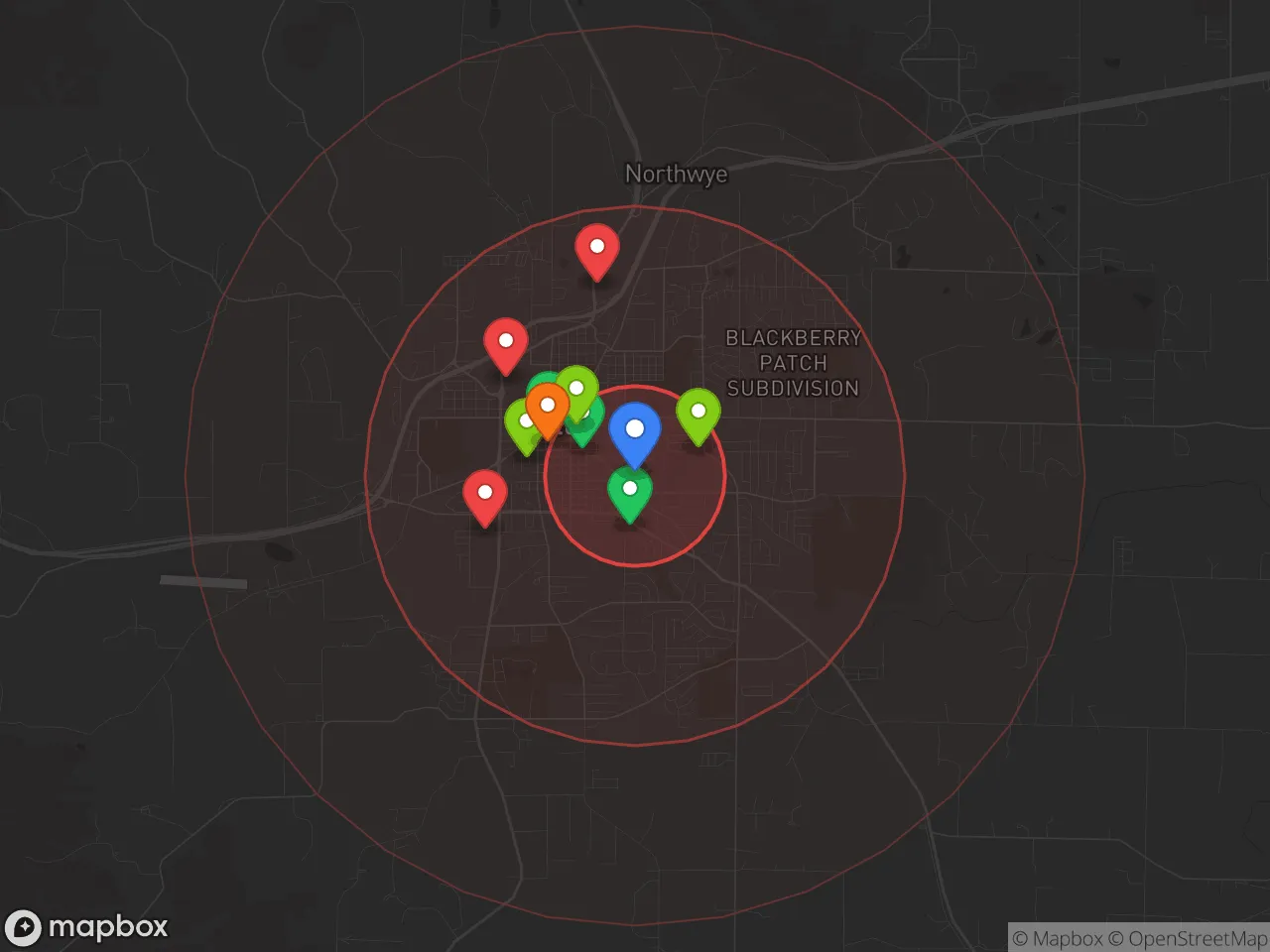
Hobbies
Explore the areaGroceries
2 within 10 miles
Gas
20 within 10 miles
Hospital
1 within 20 miles
Airport
MCI — Kansas City International
Post Office
USPS — Rolla, MO
Critical Amenities
Quality-of-Life Analysis
Rolla, Missouri, presents a notably affordable quality of life that attracts a mix of university-affiliated residents, engineering professionals, and families seeking a low-stress, small-town environment. With a cost of living index of 66—well below the national average of 100—the city offers a financial cushion that is rare in many parts of the country. The median home value of $177,400 and median rent of $790 make homeownership and renting equally accessible, drawing in both young professionals from Missouri University of Science and Technology (S&T) and retirees looking to stretch their savings further.
Cost of living and housing affordability compared to nearby cities
Rolla’s housing market is a standout feature, with a median home value roughly 40% below the national median. This affordability is even more pronounced when compared to larger Missouri metros like St. Louis (median home value ~$230,000) or Springfield (~$200,000). The median rent of $790 is similarly low, often undercutting comparable units in Columbia or Jefferson City by 15-20%. The average commute of just 14.2 minutes is among the shortest in the state, reducing transportation costs and freeing up time for daily life. Property taxes in Phelps County remain modest, typically around 0.8% of assessed value, further lowering the total cost of homeownership. For renters, the market is stable, with vacancy rates hovering near 3-4%, though demand can spike during the S&T academic year.
Local amenities, schools, and what daily life feels like
Daily life in Rolla revolves around a compact downtown core anchored by the university and a handful of local restaurants, coffee shops, and retail stores. The Rolla Public School District serves roughly 3,200 students and maintains above-average test scores, with Mark Twain Elementary and Rolla High School frequently cited for strong STEM programs—a natural fit given the city’s engineering culture. For outdoor recreation, the Mark Twain National Forest and the Ozark National Scenic Riverways are within a 30-minute drive, offering hiking, fishing, and camping. The city’s hospital, Phelps Health, is a regional medical center with a Level III trauma center, ensuring healthcare access without requiring a trip to St. Louis. Cultural amenities are limited but functional: the Leach Theatre hosts touring performances, and the Rolla Public Library offers community programming. The overall rhythm is quiet and predictable, with most commercial activity concentrated along Bishop Avenue and Highway 63.
Rolla is best suited for those who prioritize financial stability and a slower pace over urban excitement. University faculty and staff, remote workers, and families with school-age children will find the low cost of living and short commute particularly appealing. The city’s economy is anchored by S&T, which employs over 1,500 people, and by manufacturing firms like Brewer Science and the Rolla campus of the U.S. Geological Survey. However, those seeking nightlife, diverse dining, or a robust arts scene may find the options limited. For residents who value affordability, safety, and access to nature, Rolla offers a stable, low-friction lifestyle that is increasingly hard to find in larger metropolitan areas.

Crime in Rolla, MO
Generally safer than 63% of comparable U.S. locations.
Violent CrimeViolent Crime Analysis
Property CrimeProperty Crime Analysis
Crime Analysis
Rolla, Missouri, presents a mixed safety profile that demands careful consideration from potential residents. The city’s violent crime rate of 364.5 incidents per 100,000 people is notably higher than the national average, while its property crime rate of 2,215.9 per 100,000 significantly exceeds both state and national benchmarks. These figures place Rolla in a category where crime is a tangible concern, not an abstract statistic, particularly when compared to similarly sized communities in the region.
Crime in context
When measured against national data, Rolla’s violent crime rate is approximately 5% higher than the U.S. average, and its property crime rate is roughly 60% higher. Compared to the state of Missouri—which itself has a higher-than-average crime profile—Rolla’s violent crime rate is about 15% lower than the state average, but its property crime rate is nearly 30% higher. This means a resident is far more likely to experience theft, burglary, or vehicle break-ins than a violent confrontation. The elevated property crime figures are a consistent concern, often linked to transient populations and economic pressures in a college town environment.
What residents experience
Daily life in Rolla involves a heightened awareness of property security. Residents commonly report thefts from vehicles, package thefts, and occasional burglaries, particularly in areas near the Missouri University of Science and Technology campus and along major commercial corridors like Bishop Avenue. Violent crimes, while less frequent, do occur and are often concentrated in specific neighborhoods or tied to domestic situations. The local police department has implemented community policing initiatives, but the sheer volume of property crime can strain resources. For families and retirees, the practical impact means investing in home security systems, avoiding leaving valuables in cars, and being cautious after dark in less-trafficked areas.
Neighborhood-level variation is significant in Rolla. The area around the university and downtown tends to see higher rates of both property and violent crime, driven by a mix of student activity, bar-related incidents, and lower-cost housing. In contrast, the western and southern residential subdivisions—such as those near the Rolla Country Club or along Highway 63 south of town—generally report lower crime rates. Prospective residents should examine block-level data from the Rolla Police Department’s annual reports, as a street-by-street difference can be stark. Ultimately, while Rolla is not a high-danger city, its crime statistics warrant a cautious approach, especially for those prioritizing a low-crime environment.
* Values derived from national, state, county, city and local statistics and may differ in a specific area. Last updated: 2026-04-29T20:55:56.000Z
Narrative content on this page is AI-generated and may contain mistakes. Verify any details that matter before acting on them.
ReloMaps may earn a commission from affiliate links at no extra cost to you.

