Photo: Wikipedia
Quality of Life in Ranson, WV
A high quality of life with strong walkability, manageable living costs, healthy neighborhood signals, and solid amenity access.
What does Quality of Life tell us?
Quality of Life blends cost of living, nearby amenities, socioeconomic signals, and neighborhood character. City-level scores represent the whole municipality; individual neighborhoods can differ.
What does this tell us?
Quality of Life blends cost of living, nearby amenities, socioeconomic signals, and neighborhood character. City-level scores represent the whole municipality; individual neighborhoods can differ.
Cost of Living
10% above national average
The Real Cost of Living in Ranson, WV for 2026
| Tier | Individual | Family (4) |
|---|---|---|
| Survival | $24k | $46k |
| Comfortable | $43k | $63k |
| Luxury | $107k+ | $166k+ |
| Elite (Top 5%) | $126k+ | $195k+ |
137%
The Area Signal
A metric tracking the socioeconomic signals of the area.
Hobbies
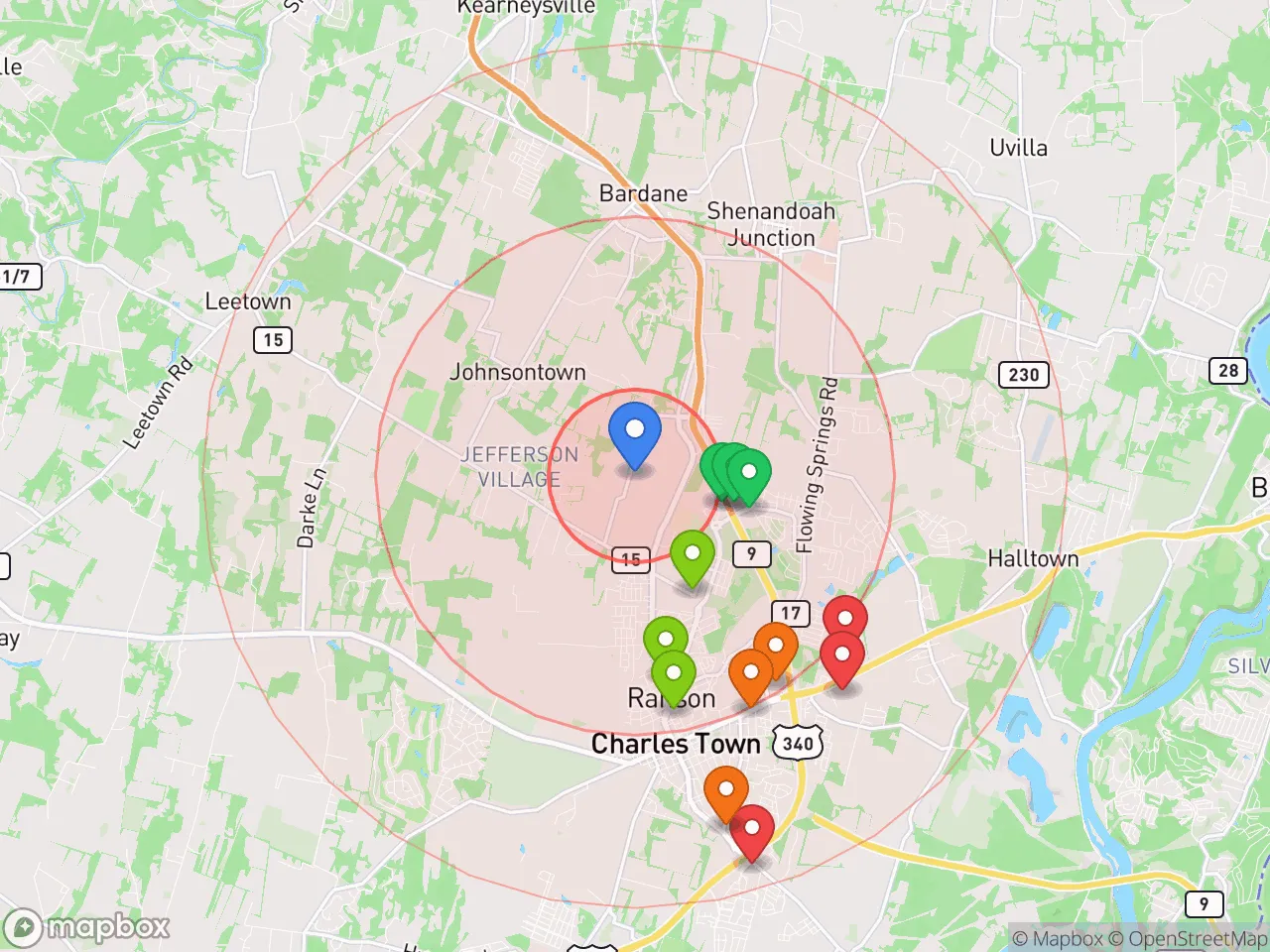
Explore the areaGroceries
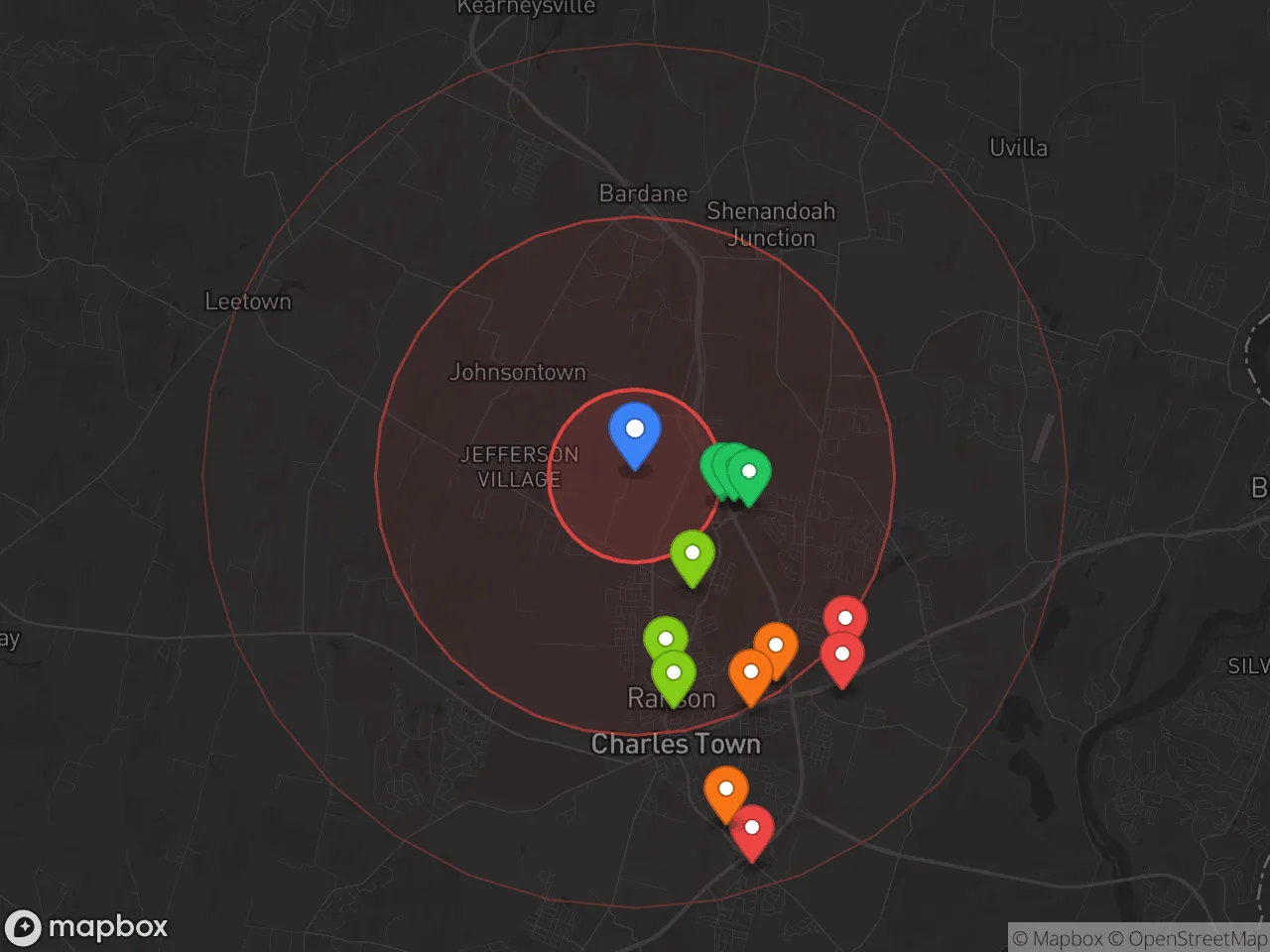
3 within 10 miles
Gas
20 within 10 miles
Hospital
7 within 20 miles
Airport
IAD — Washington Dulles International
Post Office
USPS — Ranson, WV
Critical Amenities
Quality-of-Life Analysis
Ranson, West Virginia, presents a quality-of-life profile that blends small-town affordability with proximity to the Washington, D.C., metro area, attracting a mix of commuters, young families, and retirees seeking lower housing costs without total isolation. The city’s cost of living index sits at 110 (100 = U.S. average), meaning everyday expenses run about 10% above the national norm, though this is still significantly cheaper than nearby D.C. suburbs like Leesburg, VA (index ~140) or Frederick, MD (index ~125). The median home value of $220,700 and median rent of $1,520 reflect a market that is more accessible than the broader D.C. region, yet higher than the West Virginia state median of roughly $150,000, indicating Ranson’s role as a bedroom community for higher-income workers.
Cost of living, housing, and affordability compared to nearby areas
Ranson’s housing costs are the primary driver of its above-average cost of living, but they remain a bargain relative to the D.C. metro. The median home value of $220,700 is roughly 60% lower than the D.C. metro median of $550,000, while the median rent of $1,520 is about 30% less than the D.C. area average of $2,200. This gap makes Ranson a practical choice for workers employed in Jefferson County or even in Northern Virginia, who can tolerate the average commute of 32.3 minutes—longer than the national average of 26 minutes but shorter than many outer-ring D.C. suburbs. Utility costs in Ranson run slightly above the national average due to West Virginia’s colder winters, while groceries and healthcare align closely with the U.S. norm. Property taxes in Jefferson County are low, averaging about 0.55% of home value annually, which further enhances affordability for homeowners compared to Maryland or Virginia.
Amenities, schools, and what daily life feels like for residents
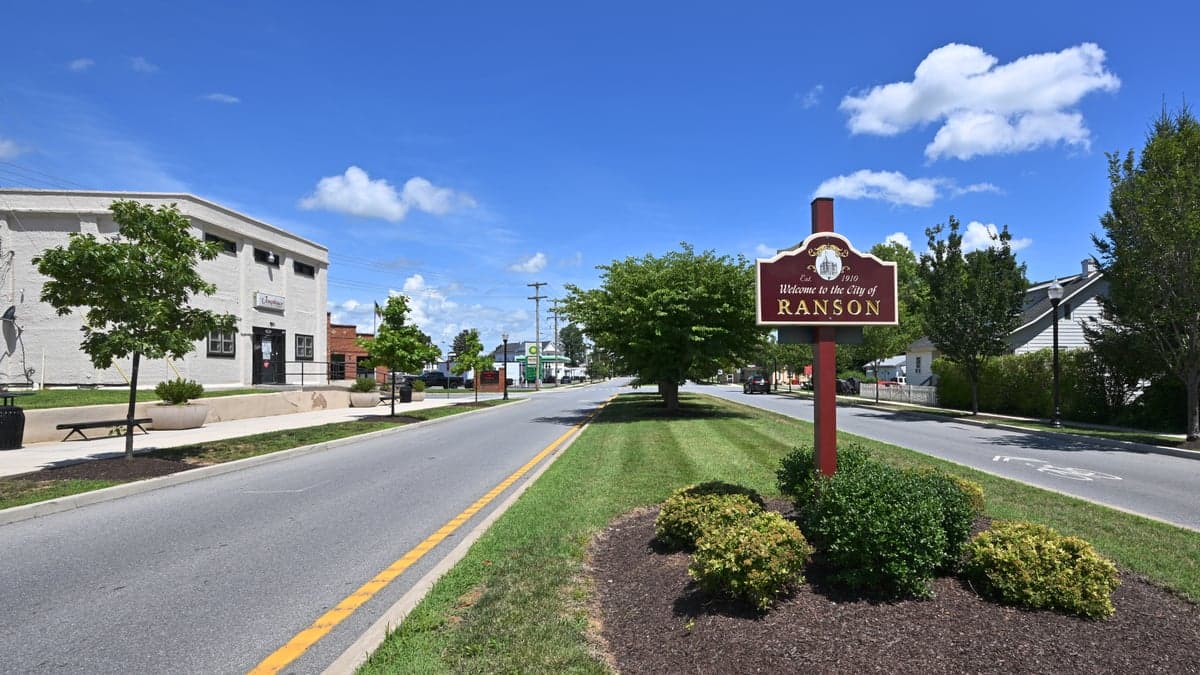
Daily life in Ranson centers on a compact, walkable downtown with local eateries like the Ranson Grill and the historic Jefferson County Courthouse area, but most residents rely on cars for errands and commuting. The Jefferson County School system serves Ranson, with Ranson Elementary School and Charles Town Middle School being the primary public options; high school students attend Washington High School in nearby Charles Town. For recreation, residents use the Ranson Civic Center for sports leagues and events, and the nearby Shenandoah River offers fishing and kayaking. The city lacks a major hospital—the closest is Jefferson Medical Center in Charles Town, about 5 minutes away—but has several urgent care clinics. Shopping is limited to basic groceries and pharmacies, with most retail and dining found along Route 9 in Charles Town or at the Hollywood Casino at Charles Town Races. The rhythm of life is quiet and suburban, with a notable population of telecommuters and shift workers who value the lower stress compared to D.C.’s urban core.
Ranson is best suited for people who prioritize housing affordability and a slower pace over urban amenities and short commutes. Commuters working in the D.C. metro area or at the FBI’s new headquarters in Winchester, VA will find the 30- to 45-minute drive manageable, while remote workers benefit from the lower cost of living. Families with school-age children will appreciate the low crime rate and community-oriented feel, though they should plan for limited extracurricular options. Retirees on fixed incomes may also thrive here, given the low property taxes and access to healthcare within a 10-minute drive. Those seeking vibrant nightlife, extensive public transit, or top-tier cultural institutions should look elsewhere, but for anyone wanting a stable, affordable base near the D.C. orbit, Ranson delivers a solid quality of life.

Crime in Ranson, WV
Lower crime rates than 86% of comparable U.S. locations.
Violent CrimeViolent Crime Analysis
Property CrimeProperty Crime Analysis
Crime Analysis
Ranson, West Virginia, presents a sharply divided safety profile: its violent crime rate is remarkably low at 48.5 incidents per 100,000 residents, but its property crime rate of 1,454.9 per 100,000 is significantly elevated. This contrast means that while the risk of a violent confrontation is minimal, residents face a notably higher chance of experiencing theft, burglary, or vandalism compared to national averages. The city’s proximity to the Washington, D.C. metro area introduces additional dynamics, including commuter traffic and regional crime patterns that can spill over into smaller communities.
Crime in context
Ranson’s violent crime rate of 48.5 per 100,000 is roughly one-sixth the national average of about 380 per 100,000, placing it among the safest small cities in the region for personal safety. However, its property crime rate of 1,454.9 per 100,000 is approximately 40% higher than the national average of roughly 1,000 per 100,000. This disparity is common in towns near larger metro areas, where transient populations and economic pressures from the nearby urban core can elevate property offenses. Compared to the rest of Jefferson County, Ranson’s property crime rate is elevated, while its violent crime rate is lower than the county average, suggesting a localized pattern of non-violent theft.
What residents experience
For daily life in Ranson, the practical impact is that residents are far more likely to deal with a stolen package, a broken car window, or a burglary than with a violent assault. The city’s low violent crime rate means that walking alone at night or frequenting local businesses generally carries little fear of physical harm. However, the high property crime rate demands vigilance: locking vehicles, securing outdoor equipment, and using home security systems are common-sense precautions. The proximity to the D.C. metro area also means that some property crime may be linked to regional theft rings or individuals traveling from areas with more lenient criminal justice policies. In jurisdictions with progressive district attorneys and judges—common in many large metro areas—offenders may face reduced consequences, potentially increasing recidivism and the flow of criminals into smaller, less policed towns like Ranson. This dynamic can create a situation where property crimes are under-prosecuted, leaving residents to absorb the financial and emotional costs of repeated theft.
Neighborhood-level variation in Ranson is not extensively documented, but anecdotal reports suggest that areas closer to the city’s commercial corridors and the Charles Town border experience higher property crime rates. Newer residential developments on the outskirts tend to report fewer incidents, while older, denser neighborhoods near the historic downtown core may see more frequent break-ins. Prospective residents should consult local police reports and talk to neighbors in specific subdivisions to gauge block-level safety, as the city’s overall statistics can mask significant differences between streets. Overall, Ranson offers a safe environment from violent crime but demands a proactive approach to property protection, especially given the regional context of metro-area crime spillover.
* Values derived from national, state, county, city and local statistics and may differ in a specific area. Last updated: 2026-04-23T06:07:43.000Z
Narrative content on this page is AI-generated and may contain mistakes. Verify any details that matter before acting on them.
ReloMaps may earn a commission from affiliate links at no extra cost to you.

