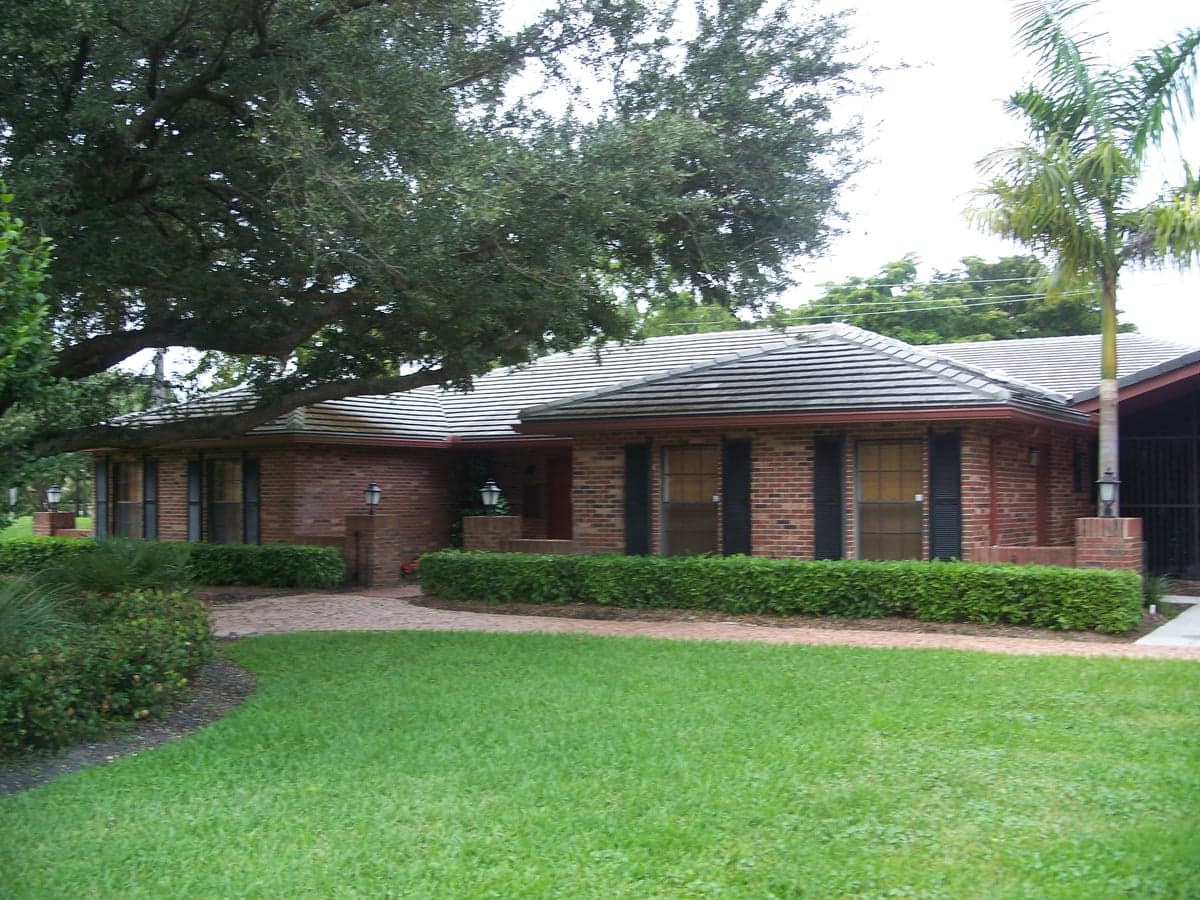
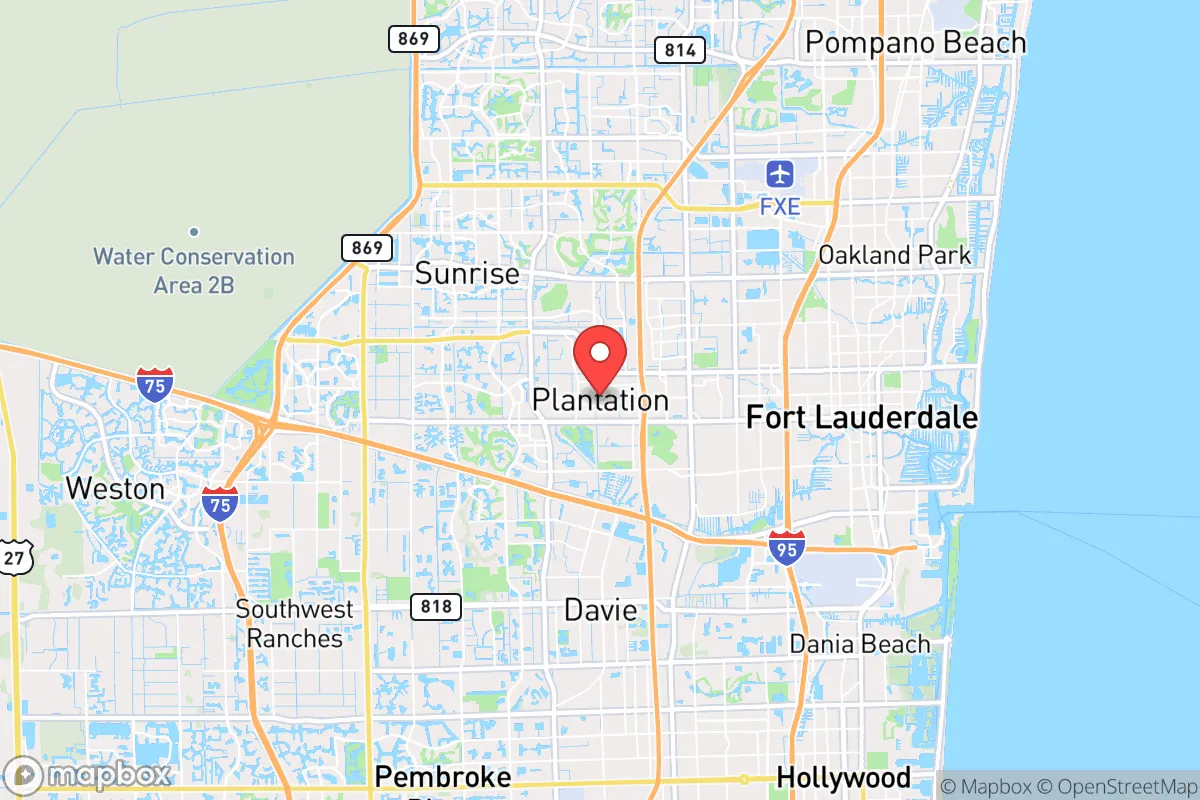
Photo: Wikipedia
Strategic Assessment of Plantation, FL
Multiple tactical vulnerabilities. Population density, target proximity, or disaster risk are likely compounding. A retreat property and exit planning is required.
What does the Strategic Assessment tell us?
Our Strategic Assessment grades tactical survivability of an area. Major population centers, military targets, fallout zones, natural disasters, and border exposure all drive risk — lower exposure means a more defensible position in a crisis.
This is heavily inspired by Joel Skousen's Strategic Relocation book. Highly recommended you checkout the book ($)What does this tell us?
Our Strategic Assessment grades tactical survivability of an area. Major population centers, military targets, fallout zones, natural disasters, and border exposure all drive risk — lower exposure means a more defensible position in a crisis.
This is heavily inspired by Joel Skousen's Strategic Relocation book. Highly recommended you checkout the book ($)Strategic Pillars

Key Distances
Regional Safe Places
Below is our recommended "safe zones" in Florida and the surrounding area based on our strategic heuristics. For most people, it's unrealistic to live in a “safe zone” full-time due to work, family or other personal reasons. They tend to be more rural. However, many of these areas are perfect for second homes and retreat properties that double as a vacation home or even a short-term rental.

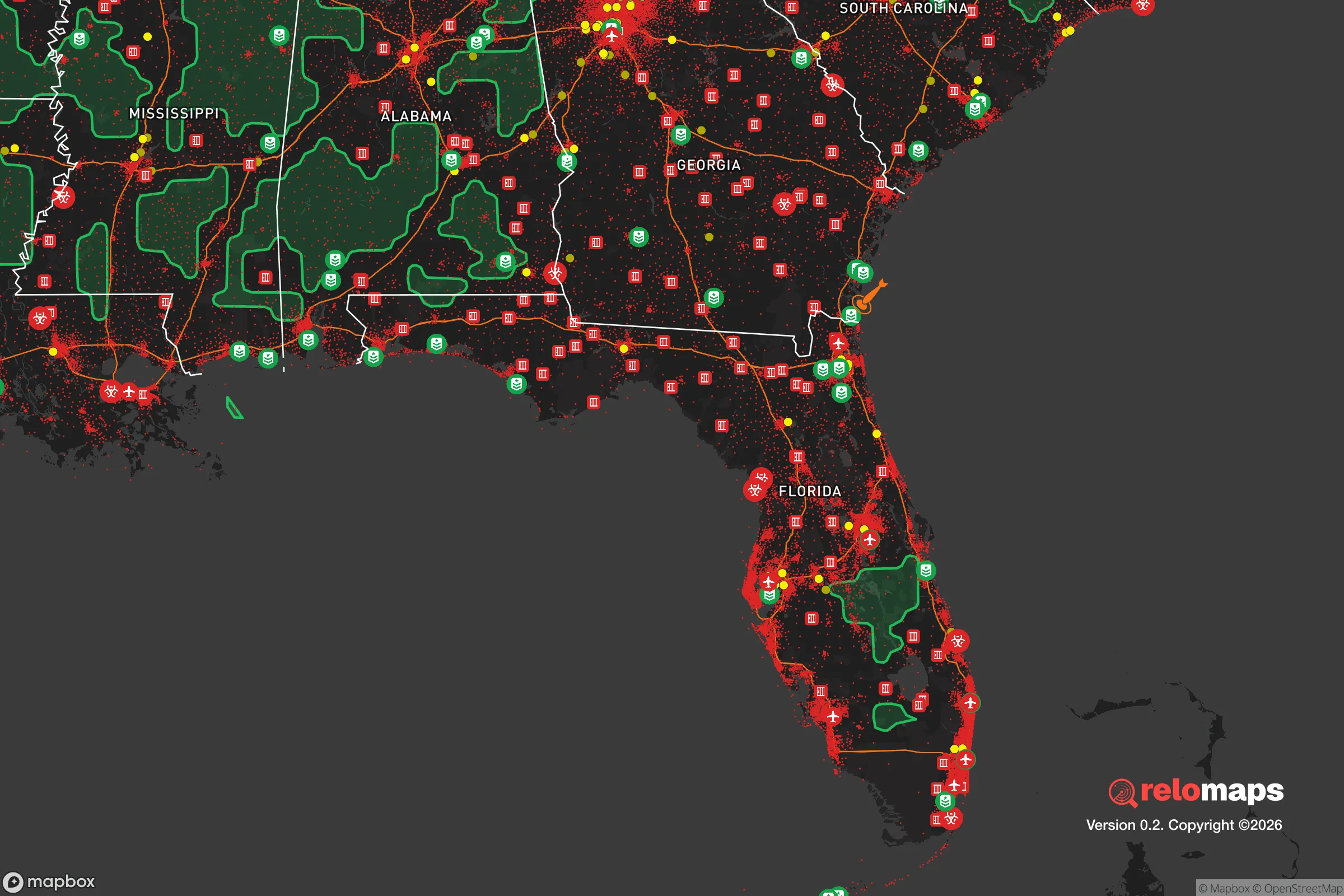


Important Note: For informational purposes only. This does not mean nothing bad ever happens in the green zones. Please use common sense. This is based on public data and modeled with AI. We tried to take a conservative approach but mistakes happen. We update this regularly as new information becomes available.
Solar Generator Recommendations
Backup power matters more here than in safer locations. We've picked three solar generators across budgets and capacity tiers — start with the budget unit if you only need a few essentials, or step up if you want to run a fridge and HVAC for days at a time.

Jackery Portable Power Station Explorer 300
Budget OptionPower on the Go: Weighing only 11 lbs, it's convenient to set up and store with book-sized foldable solar panels

BLUETTI Portable Power Station AC180
Designed for both indoor and outdoor scenarios, AC180 is highly capable as it has a robost capacity and continuous output power.

EF ECOFLOW DELTA Pro Ultra Power Station
Upgraded PickEcoFlow DELTA Pro Ultra is a whole-home energy system designed to grow with your family. Integrated with the Smart Home Panel 2, it scales to meet your evolving energy needs — keeping your home powered, intelligent, and secure through every stage of life.
We earn a commission, at no additional cost to you.
Strategic Assessment Analysis
Plantation, Florida, presents a complex strategic picture for the conservative prepper. On one hand, its location in the heart of Broward County offers robust infrastructure and economic resilience; on the other, it sits squarely in the bullseye of South Florida’s population density, vulnerability to natural disasters, and proximity to high-value geopolitical targets. For a relocator prioritizing long-term survivability and self-sufficiency, this suburb of Fort Lauderdale demands a sober, clear-eyed assessment of its trade-offs.
Geographic position and natural advantages for long-term stability
Plantation’s primary strategic asset is its position along the Florida East Coast Railway and its direct access to Interstate 595 and the Sawgrass Expressway, which provide redundant evacuation routes north and west. The city sits roughly 12 miles inland from the Atlantic coast, placing it outside the most severe storm-surge zones for Category 1 and 2 hurricanes. The area’s elevation averages around 9 feet above sea level, which is higher than much of coastal Broward, reducing—but not eliminating—flood risk. The New River and several canal systems run through the city, offering potential water sources for filtration, though they are heavily managed by the South Florida Water Management District. The subtropical climate allows for year-round gardening, with a growing season that can produce three harvests of staples like sweet potatoes, beans, and citrus if properly managed. For a prepper, the ability to grow food continuously is a genuine advantage, though the humidity and pest pressure require serious planning.
Risks, exposures, and proximity to fallout-relevant landmarks
The most glaring vulnerability is Plantation’s location within the Miami-Fort Lauderdale-Pompano Beach metropolitan area, home to over 6 million people. In a scenario of civil unrest, supply chain collapse, or mass casualty event, the city would be a chokepoint for human movement. Fort Lauderdale-Hollywood International Airport and Port Everglades—both less than 15 miles away—are high-probability targets for terrorism or logistical disruption. Port Everglades is one of the busiest cargo ports in the U.S., handling fuel, containerized goods, and cruise traffic. A disruption there would ripple through the entire region’s fuel and food supply within days. Additionally, the Broward County Governmental Center and the Plantation Police Department headquarters are potential focal points for protest or unrest, as seen in the 2020 demonstrations that reached the city’s main arteries. The Florida Power & Light grid serving Plantation is above-ground and vulnerable to both hurricanes and targeted sabotage. The city’s dense suburban layout—with many neighborhoods connected by narrow, tree-lined streets—makes it difficult to secure a perimeter or establish a defensible retreat. In a worst-case scenario, the sheer volume of people fleeing coastal areas would likely overwhelm the city’s roads and resources within hours.
Practical resilience for a relocator: food, water, energy, and defensibility
For a single individual or family serious about preparedness, Plantation offers a mixed bag. Water is the most critical concern. The city’s tap water comes from the Biscayne Aquifer, which is shallow and susceptible to saltwater intrusion during droughts and storm surges. A prepper would need a robust filtration system—reverse osmosis or a high-quality gravity filter like a Berkey—and a plan for storing at least 14 gallons per person. Food is more promising: the city has several large grocery chains (Publix, Walmart, Aldi) within a 10-minute drive, but in a collapse scenario, these would empty quickly. The Plantation Community Garden and nearby Markham Park offer space for small-scale cultivation, but the HOA-heavy neighborhoods in much of the city may restrict visible gardening or livestock. Energy is a weak point. The grid is unreliable during hurricane season, and solar panels are common but often tied to net metering, which fails during blackouts. A generator with a 50-amp inlet and a 100-gallon propane tank is a minimum investment. Defensibility is the hardest challenge. The city’s layout—grid-like streets with multiple access points—makes it difficult to secure a single home. A corner lot or a home with a fenced backyard and a safe room is preferable. The Broward Sheriff’s Office response times in Plantation average 8-12 minutes for priority calls, but during a widespread event, that drops to hours or never. The local gun culture is present but not dominant; concealed carry is legal with a permit, and the state’s Stand Your Ground law applies. However, the proximity to high-crime areas like parts of Lauderhill and Lauderdale Lakes means that property crime and home invasions are a real concern even in normal times.
The overall strategic picture for Plantation is one of calculated risk. It is not a bug-out location or a remote retreat. It is a suburban hub with strong economic fundamentals—the city’s median household income hovers around $80,000, and the unemployment rate is consistently below the national average—but it sits in a region that would be among the first to feel the effects of a major disaster or civil breakdown. For a prepper who can afford to harden a single-family home, maintain a year’s worth of supplies, and establish a network of like-minded neighbors, Plantation offers a decent base of operations. But for those seeking true strategic depth—low population density, defensible terrain, and independence from fragile infrastructure—the city falls short. The best use of Plantation for a conservative relocator is as a staging point: a place to build resources and connections while scouting a more remote property in the interior of the state, such as the Lake Okeechobee region or the Panhandle. In a crisis, the city’s advantages—proximity to ports, airports, and highways—become its greatest liabilities. Plan accordingly.

* Values derived from national, state, county, city and local statistics and may differ in a specific area. Last updated: 2026-09-21T19:02:07.000Z
Narrative content on this page is AI-generated and may contain mistakes. Verify any details that matter before acting on them.
ReloMaps may earn a commission from affiliate links at no extra cost to you.

