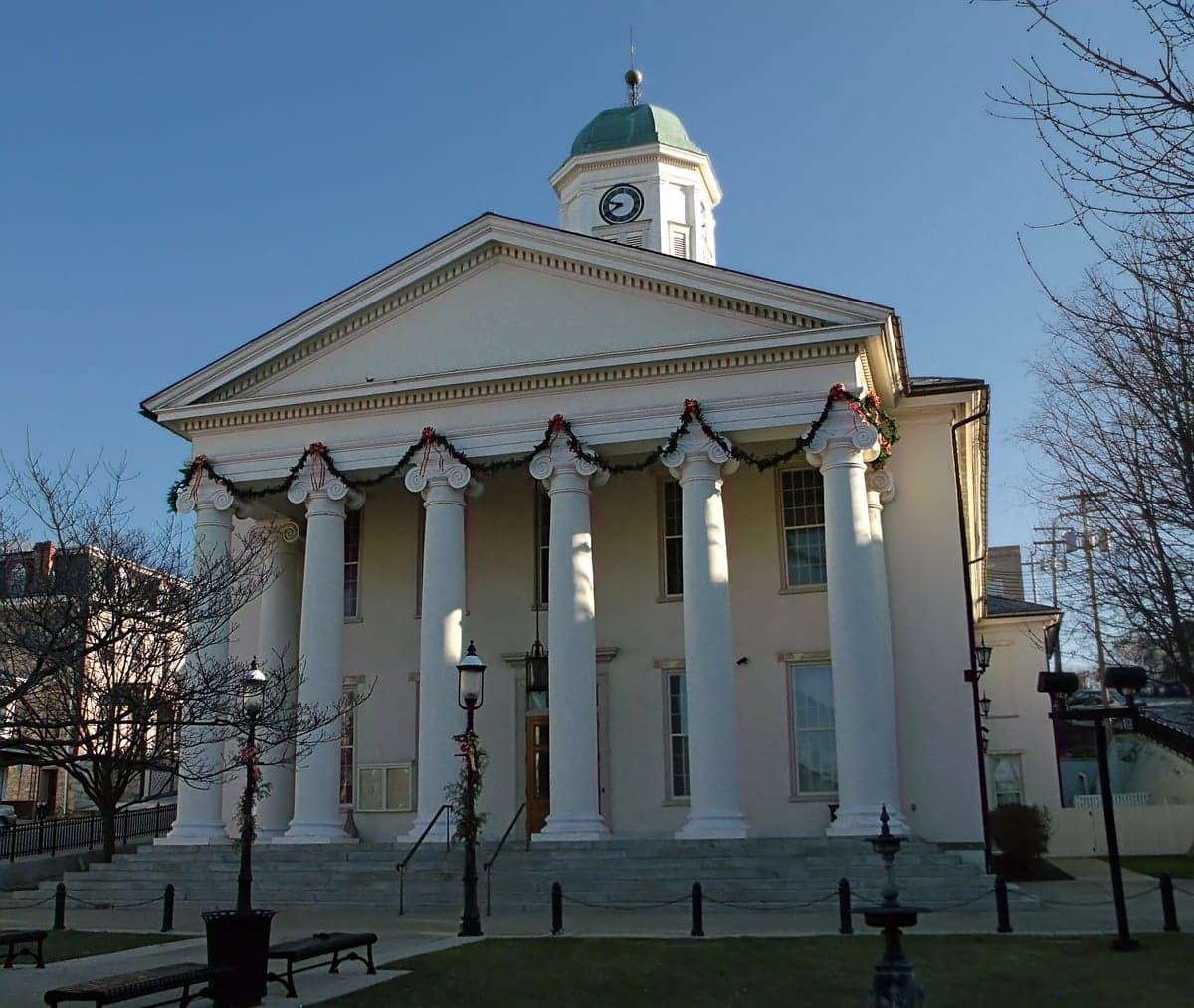
Photo: Wikipedia
Quality of Life in Centre County
A livable area that tracks near national norms for affordability, walkability, and neighborhood health.
What does Quality of Life tell us?
Quality of Life measures an area by evaluating factors like cost of living, nearby amenities, country club access, airport proximity, socioeconomic signals and neighborhood character. For large states, this is a general average — quality of life can vary dramatically between metro areas, suburbs, and rural communities within the same state.
What does this tell us?
Quality of Life measures an area by evaluating factors like cost of living, nearby amenities, country club access, airport proximity, socioeconomic signals and neighborhood character. For large states, this is a general average — quality of life can vary dramatically between metro areas, suburbs, and rural communities within the same state.
Cost of Living
5% above national average
83%
The Real Cost of Living in Centre County for 2026
| Tier | Individual | Family (4) |
|---|---|---|
| Survival | $19k | $35k |
| Comfortable | $60k | $88k |
| Luxury | $131k+ | $204k+ |
| Elite (Top 5%) | $162k+ | $251k+ |
Quality-of-Life Analysis
Centre County, Pennsylvania, offers a quality-of-life spectrum that ranges from the vibrant, walkable college town of State College to quiet, unincorporated hamlets like Lemont and rural crossroads such as Coburn. The county’s character is defined by this contrast: one part of the population is drawn to the energy of Penn State University and its surrounding amenities, while another seeks the slower pace, lower density, and agricultural landscapes found in the county’s smaller townships and valleys. With a cost-of-living index of 105 (just above the national average) and a median home value of $308,100, the county provides a range of housing options that reflect its geographic and cultural diversity.
Largest town(s) & population centers
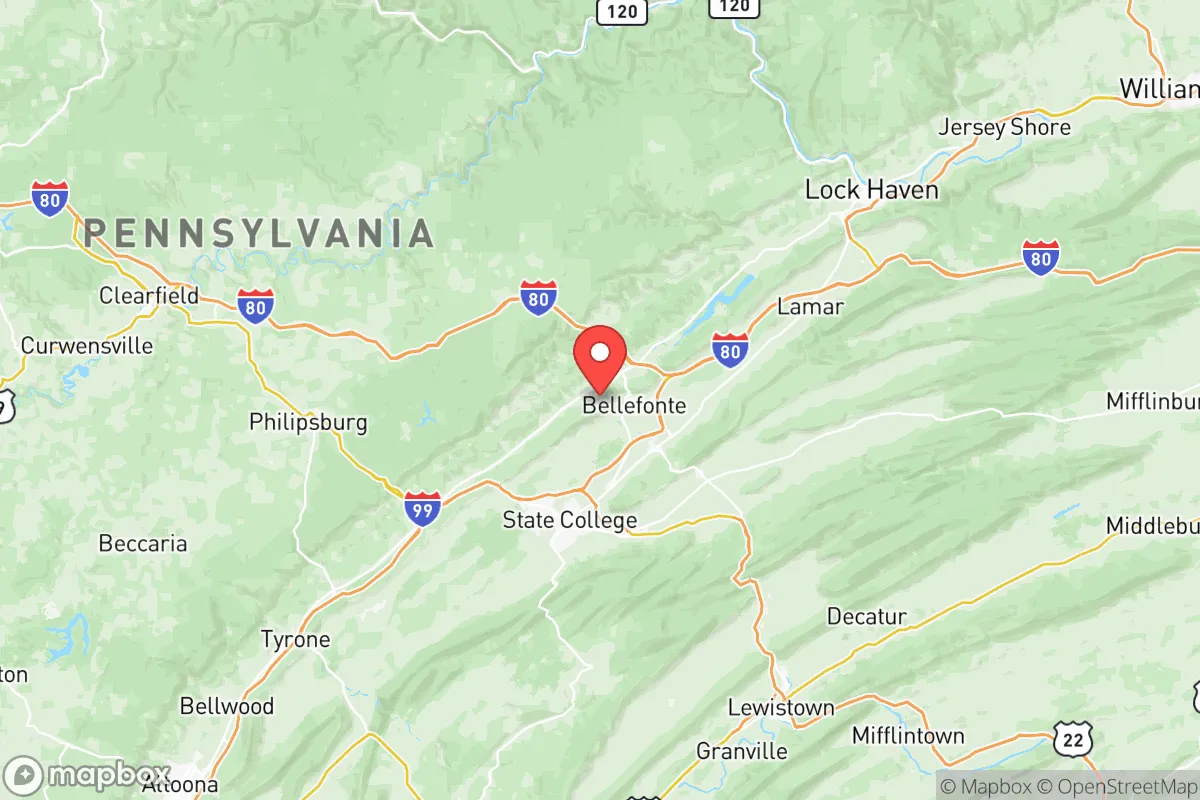
The undisputed population and economic hub is State College, home to Penn State’s main campus and roughly 40,000 residents. Daily life here is shaped by the university calendar: foot traffic along College Avenue, a robust bus system (Centre Area Transportation Authority), and a downtown filled with bookstores, coffee shops, and restaurants. The adjacent borough of Bellefonte, the county seat, offers a more historic, small-town feel with a Victorian-era downtown and a growing arts scene. Boalsburg, just southeast of State College, is a compact village known for its claim as the birthplace of Memorial Day and its concentration of antique shops. These population centers provide the county’s densest mix of employment, entertainment, and services, with average commute times hovering around 20 minutes — well below the national average of 26 minutes.
Smaller towns & rural pockets
Beyond the core towns, Centre County contains a network of smaller communities that offer a distinctly different lifestyle. Lemont, an unincorporated village along Spring Creek, is a quiet bedroom community with a historic district and direct access to the Spring Creek Canyon hiking trails. Pine Grove Mills, located at the base of Tussey Mountain, attracts outdoor enthusiasts with its proximity to Rothrock State Forest. Further east, Millheim and Coburn sit in the Penns Valley region, where agriculture and Amish communities define the landscape. Snow Shoe, in the county’s northern tier, is a small borough that serves as a gateway to the Moshannon State Forest. These areas lack the retail density of State College but offer lower housing costs, more land, and a stronger connection to the region’s natural environment.
Cost & lifestyle range
The cost of living varies noticeably across the county. At the higher end, State College and Boalsburg command median home values above the county average of $308,100, driven by demand from university faculty and staff. Rents in these areas average $1,181 per month, with downtown apartments often exceeding that figure. At the lower end, communities like Snow Shoe and Howard offer home values well below the county median, sometimes by 20–30%, reflecting their distance from the university core and limited local employment bases. The lifestyle trade-off is clear: living in or near State College means paying a premium for walkability, cultural events, and short commutes, while choosing a rural pocket like Millheim or Coburn means accepting longer drives to grocery stores and schools in exchange for lower housing costs and more privacy.
Centre County works best for people who value a mix of urban and rural options within a single county. University employees, graduate students, and professionals in education and healthcare tend to cluster in State College and its immediate suburbs. Retirees, remote workers, and families seeking more space often gravitate toward the smaller boroughs and unincorporated villages. The county’s short average commute of 20 minutes means that even residents in outlying areas can reach State College’s hospitals, shopping, and airport within a reasonable drive, making the entire county accessible without the congestion found in larger metro areas.

Crime in Centre County
Generally safer than 57% of comparable U.S. locations.
Violent CrimeViolent Crime Analysis
Property CrimeProperty Crime Analysis
Crime Analysis
Centre County, Pennsylvania, presents a mixed safety profile where the presence of Penn State University in State College drives a unique crime dynamic that differs markedly from the county's more rural townships. With a violent crime rate of 226.7 per 100,000 residents and a property crime rate of 1,347.3 per 100,000, the county sits below the national average for violent offenses but above the statewide property crime average, largely due to thefts and burglaries concentrated in the State College area. The county's overall safety picture is heavily influenced by the contrast between the bustling, transient population of the university hub and the quieter, more stable communities like Bellefonte, Philipsburg, and Boalsburg.
Crime in context
When compared to Pennsylvania's statewide violent crime rate of approximately 300 per 100,000, Centre County's rate of 226.7 is notably lower, placing it among the safer counties in the Commonwealth for violent offenses. However, the property crime rate of 1,347.3 per 100,000 exceeds the state average of roughly 1,200, a gap driven almost entirely by larceny and vehicle theft in and around State College. The county's crime statistics are skewed by the tens of thousands of students and visitors who pass through each year, creating a transient environment that property criminals exploit. In contrast, communities like Bellefonte and Philipsburg report significantly lower property crime rates, often falling below 800 per 100,000, reflecting their stable, year-round populations and tighter-knit neighborhoods.
What residents experience
For residents living outside the immediate State College area, Centre County feels very safe. Towns like Boalsburg, Pleasant Gap, and Port Matilda experience minimal violent crime, with many years passing without a single homicide or armed robbery. The most common safety complaints in these areas are theft from unlocked vehicles and occasional vandalism. In State College itself, the experience is different: property crime is a routine concern, particularly bicycle theft, package theft, and burglaries targeting student housing. The Centre County District Attorney's office, which operates under a traditional prosecutorial approach, has maintained a focus on property crime enforcement, but the sheer volume of transient offenders in the university district makes prevention difficult. Residents in the boroughs of Bellefonte and Milesburg report feeling secure walking at night, a sentiment echoed by those in the more rural townships of Haines and Walker.
Neighborhood-level variation
The most significant safety divide in Centre County is between State College and the rest of the county. State College accounts for roughly 60% of all reported property crimes despite housing only about 40% of the county's permanent population. Within State College, the downtown corridor and areas adjacent to the university campus see the highest concentration of thefts and alcohol-related incidents. Conversely, the borough of Bellefonte, the county seat, has a violent crime rate below 100 per 100,000, making it one of the safest small towns in Pennsylvania. Philipsburg, while economically challenged, also maintains low violent crime figures, though property crime there is slightly elevated compared to Bellefonte. For families and retirees seeking the safest environments, the townships surrounding State College—such as Ferguson, Patton, and College Townships—offer suburban-style security with crime rates comparable to the safest rural counties in the state. The presence of Penn State's own police force and the State College Police Department provides robust coverage in the university area, but the progressive social environment of the college town can sometimes lead to lenient handling of minor offenses, a factor that residents concerned about repeat property crime should weigh when choosing a neighborhood.
* Values derived from national, state, county, city and local statistics and may differ in a specific area. Last updated: 2026-08-09T14:23:24.000Z
Narrative content on this page is AI-generated and may contain mistakes. Verify any details that matter before acting on them.
ReloMaps may earn a commission from affiliate links at no extra cost to you.

