Political ClimatePolitical Climate in Orchid, FL
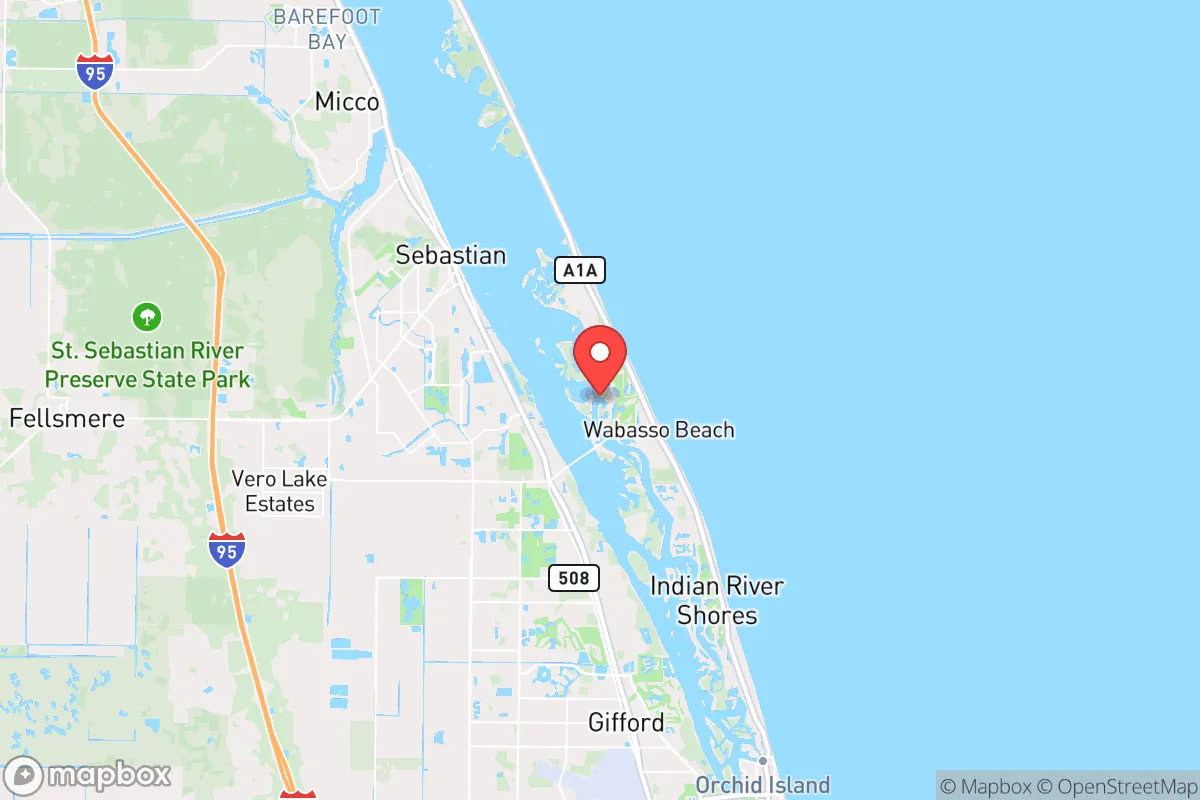
District shown is the primary district for this city’s centroid. Cities may span multiple districts.
Local Political AnalysisPolitical Analysis of Orchid, FL
Orchid, Florida, is about as solidly conservative as you’ll find on the Treasure Coast, and it’s been that way for decades. The Cook PVI here is R+11, which is a full six points more Republican than the state of Florida as a whole (R+5). That’s not just a number on a map—it reflects a community that has consistently voted for limited government, lower taxes, and a hands-off approach to personal freedoms. If you look at the voting patterns in Indian River County, Orchid sits right in the heart of that deep-red territory, and it’s not showing any signs of drifting leftward. The local elections, the school board races, even the county commission—they all tend to favor candidates who prioritize individual liberty over government expansion.
How it compares
When you compare Orchid to the rest of Florida, the difference is stark. The state overall has been trending purple in recent cycles, especially in places like Miami-Dade, Orange County, and the Tampa Bay area, where progressive policies on everything from property taxes to zoning have gained traction. Orchid, by contrast, feels like a holdout. Drive north to Vero Beach, and you’ll see a similar conservative vibe, but head south to Fort Pierce or Port St. Lucie, and the political mix gets noticeably more moderate—even liberal in some pockets. The contrast is most obvious in how local government operates here. In Orchid, there’s a strong resistance to overreach: no mask mandates that lasted longer than necessary, no heavy-handed business closures during the pandemic, and a general skepticism of state-level edicts that try to tell locals how to live. That’s a far cry from what you’d see in, say, Broward or Palm Beach County, where government intervention has become the norm.
What this means for residents
For someone moving here, the political climate means you can expect a community that values personal responsibility over government control. Property taxes are kept in check, zoning laws are minimal, and there’s a strong cultural pushback against any attempt to impose progressive social agendas—whether that’s in schools, local ordinances, or land-use policies. The downside? If you’re hoping for rapid infrastructure changes or big government-funded projects, you’ll be disappointed. The local ethos is “leave us alone,” and that extends to everything from beach access to building permits. For families, this translates to a school system that still emphasizes traditional values and parental rights, without the kind of curriculum overhauls you’re seeing in more liberal districts. It’s a place where the Second Amendment is respected, property rights are defended, and the idea of “government knows best” is met with a healthy dose of skepticism.
One thing that sets Orchid apart culturally is its quiet resistance to the kind of coastal gentrification that’s reshaped places like Palm Beach or Sarasota. You won’t find the same push for high-density development or the kind of “smart growth” policies that often come with progressive strings attached. The long-term trend here is stable—if anything, the political lean is hardening as more people move from blue states seeking exactly this kind of environment. But keep an eye on state-level shifts: if Florida’s R+5 rating starts to slip further toward purple, Orchid will likely become an even stronger red island, pushing back against any top-down mandates from Tallahassee or Washington. For now, it’s a place where you can still breathe easy, knowing your local government isn’t trying to run your life.

State Political ClimatePolitical Climate in Florida
State Political AnalysisPolitical Environment in the State
Florida is a solidly Republican state with a Cook PVI of R+5, but don’t let that single number fool you—it’s a battleground in miniature, a place where a 20-year rightward shift has been real but uneven. The state’s political DNA is a mix of conservative retirees, Cuban-American exiles, and a growing wave of domestic migrants from blue states, all layered over a historically Democratic South. The last decade has seen Florida lurch decisively right on cultural and economic issues, but the margins in Miami-Dade and Orange County tell a more complicated story. If you’re looking for a state that’s actively pushing back against federal overreach and progressive orthodoxy, Florida is the current heavyweight champion—but it’s not without its internal fractures.
Urban vs. rural divide
The political map of Florida is a study in contrasts. The rural Panhandle—places like Panama City and Pensacola—is deep red, with Republican margins often exceeding 30 points. These are the counties where gun rights are sacrosanct, church attendance is high, and the culture war is fought with conviction. The I-4 corridor, stretching from Tampa through Orlando to Daytona Beach, is the state’s true swing region, where elections are won and lost. Tampa’s Hillsborough County has been trending blue, but the surrounding suburbs like Lakeland and Ocala remain reliably red. The biggest story of the last decade has been the collapse of Democratic dominance in Miami-Dade County. Once a lock for Democrats, Miami-Dade has shifted sharply right, driven by Cuban-American and Venezuelan voters who see socialism as a lived nightmare, not an abstract theory. In 2024, Trump won Miami-Dade by double digits—a seismic shift that would have been unthinkable 20 years ago. Meanwhile, Broward County and Palm Beach County remain blue strongholds, but even there, the margins are shrinking as conservative retirees and families move in from the Northeast.
Policy environment
Florida’s policy environment is a masterclass in conservative governance. There is no state income tax, which is a massive draw for high-earners and business owners. The regulatory climate is business-friendly, with a right-to-work law and minimal red tape for new construction. On education, Governor Ron DeSantis has pushed through the Parental Rights in Education Act (HB 1557) and the Stop WOKE Act, which restrict classroom discussion of gender identity and critical race theory. School choice is robust, with the Family Empowerment Scholarship program allowing parents to use state funds for private or homeschool options. Healthcare is a mixed bag: Florida did not expand Medicaid, keeping the state’s budget lean, but it also has a high uninsured rate. Election integrity has been a focus, with laws tightening voter ID requirements, restricting ballot drop boxes, and banning ballot harvesting. The state also passed a 15-week abortion ban (HB 5) in 2023, with a six-week ban signed into law in 2024, reflecting a strong pro-life posture. For a conservative relocating, the policy environment is about as friendly as it gets in the continental US.
Trajectory & freedom
Florida is arguably becoming more free for those who value individual liberty, but the definition of “freedom” is contested. On gun rights, Florida enacted permitless carry (HB 543) in 2023, allowing law-abiding adults to carry concealed firearms without a permit—a major win for Second Amendment advocates. On parental rights, the state has been a national leader, with laws that give parents more control over their children’s education and medical decisions. Property rights have been strengthened with tort reform and limits on homeowners’ association overreach. However, there are areas where freedom has contracted. During COVID, DeSantis was a hero to many for keeping businesses open and schools running, but the state also imposed a controversial “anti-riot” law (HB 1) that some argue chills protest rights. Medical autonomy took a hit with the strict abortion ban, which limits personal choice. On balance, the trajectory is toward more economic and cultural freedom, with the state actively pushing back against federal mandates and corporate wokeness. The trend is clear: Florida is doubling down on its conservative identity, and new residents should expect that to continue.
Civil unrest & political movements
Florida has seen its share of political flashpoints, but they tend to be more organized and less chaotic than in other states. The most visible movement is the Moms for Liberty network, which has chapters across the state and has been instrumental in school board elections and book challenges. On the left, groups like the Dream Defenders have organized protests against racial injustice and police brutality, particularly in Tallahassee and Miami. Immigration politics are a constant undercurrent, especially in South Florida, where the state has bused migrants to sanctuary cities in the North as a protest against federal border policy. There is no sanctuary city movement in Florida—state law (SB 1718) actually bans local governments from adopting sanctuary policies and requires businesses with more than 25 employees to use E-Verify. Election integrity controversies have been minimal compared to other swing states, thanks to aggressive voter roll maintenance and signature matching. The most visible civil unrest in recent years was the 2020 George Floyd protests, which saw some looting in Miami and Orlando, but the state’s quick response and the “anti-riot” law have kept subsequent demonstrations small. A new resident would notice a general sense of order, with political activism mostly channeled through legal means and local government meetings.
Projection
Over the next 5-10 years, Florida is likely to become even more conservative, driven by two powerful forces: in-migration and demographic change. The state is adding roughly 1,000 new residents per day, many of them from high-tax, high-regulation states like New York, California, and Illinois. These migrants tend to be older, wealthier, and more conservative than the average American—they’re fleeing progressive policies, not embracing them. The Hispanic vote, particularly in South Florida, is shifting right as younger generations of Cuban-Americans and new arrivals from Venezuela and Nicaragua reject the Democratic Party’s leftward drift. The only countervailing trend is the growth of the Puerto Rican population in Orlando and Tampa, which leans more Democratic, but it’s not enough to offset the broader shift. Expect the state to continue passing laws that protect parental rights, expand school choice, and limit government overreach. The biggest wildcard is climate change and insurance costs—if property insurance becomes unaffordable, it could slow migration and strain the economy. But for now, the political trajectory is clear: Florida is solidifying its status as the conservative alternative to the rest of the country.
For a new resident, the bottom line is this: Florida offers a political environment where your tax dollars are respected, your children’s education is under your control, and your Second Amendment rights are protected. You’ll find a state that is actively fighting federal overreach and cultural Marxism, but you’ll also need to navigate a hot real estate market and rising insurance costs. If you’re a conservative looking for a place where your values are the norm, not the exception, Florida is the safest bet in the nation. Just be prepared for the humidity—and the occasional hurricane.
* Values derived from national, state, county, city and local statistics and may differ in a specific area. Last updated: 2026-05-14T02:09:15.000Z
Narrative content on this page is AI-generated and may contain mistakes. Verify any details that matter before acting on them.
ReloMaps may earn a commission from affiliate links at no extra cost to you.

