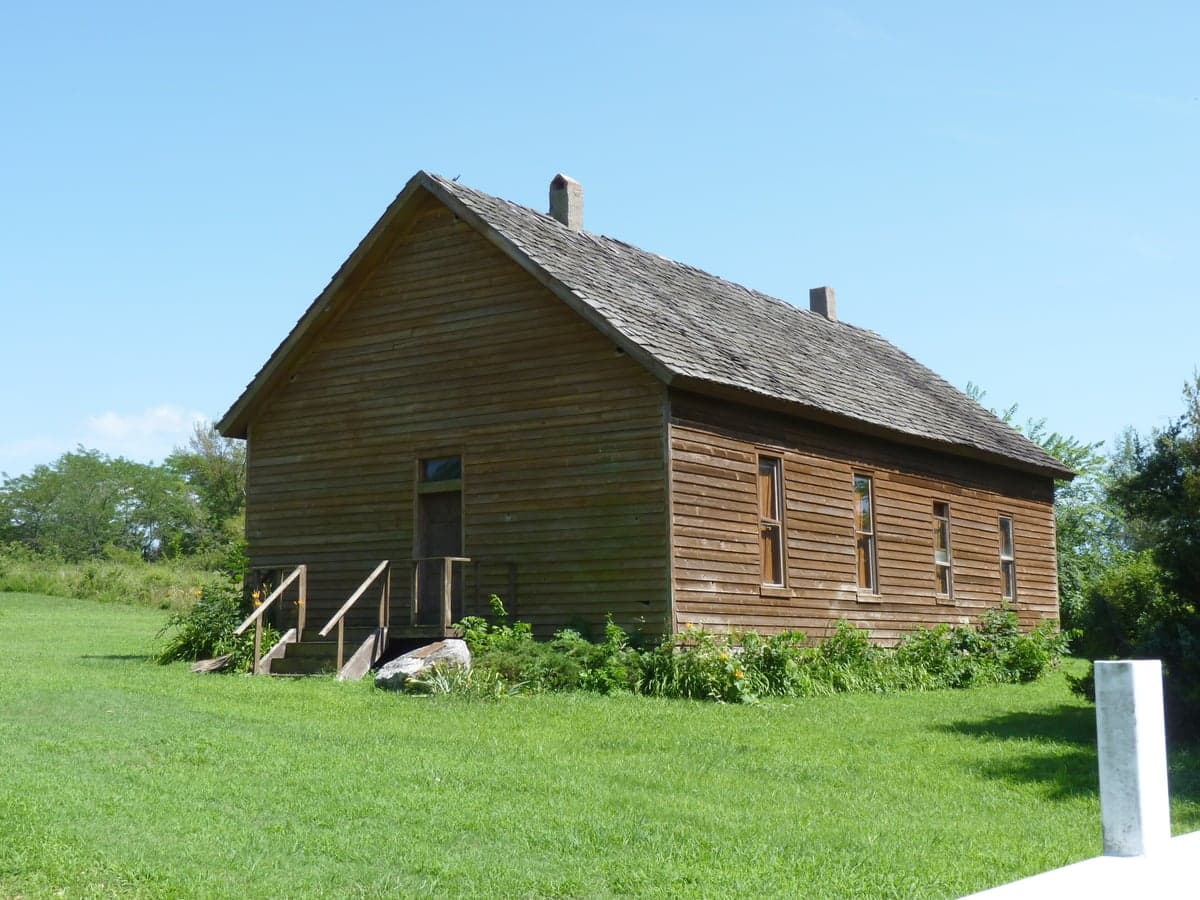
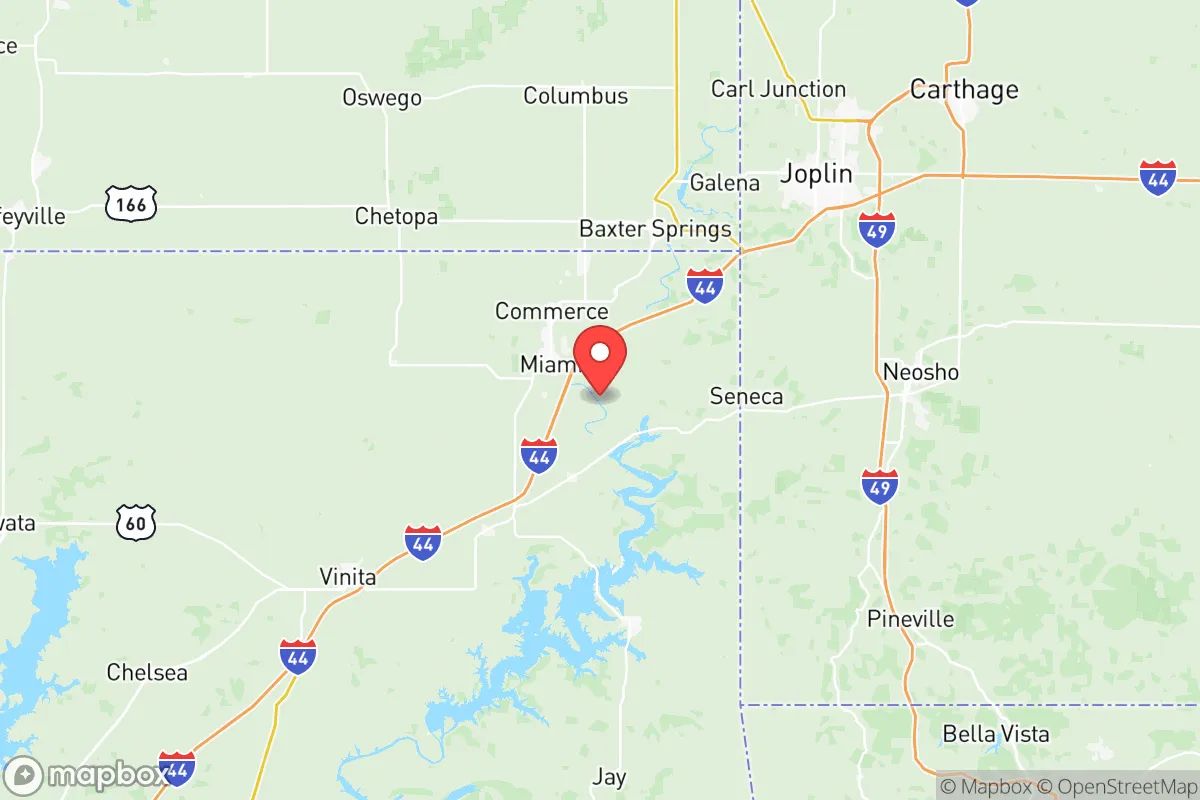
Photo: Wikipedia
Quality of Life in Ottawa County
A livable area that tracks near national norms for affordability, walkability, and neighborhood health.
What does Quality of Life tell us?
Quality of Life measures an area by evaluating factors like cost of living, nearby amenities, country club access, airport proximity, socioeconomic signals and neighborhood character. For large states, this is a general average — quality of life can vary dramatically between metro areas, suburbs, and rural communities within the same state.
What does this tell us?
Quality of Life measures an area by evaluating factors like cost of living, nearby amenities, country club access, airport proximity, socioeconomic signals and neighborhood character. For large states, this is a general average — quality of life can vary dramatically between metro areas, suburbs, and rural communities within the same state.
Cost of Living
44% below national average
149%
The Real Cost of Living in Ottawa County for 2026
| Tier | Individual | Family (4) |
|---|---|---|
| Survival | $12k | $23k |
| Comfortable | $22k | $33k |
| Luxury | $81k+ | $126k+ |
| Elite (Top 5%) | $95k+ | $148k+ |
Quality-of-Life Analysis
Ottawa County offers a quality-of-life spectrum that ranges from the historic riverfront bustle of Miami to the quiet agricultural solitude of unincorporated areas like Picher (now largely reclaimed) and rural stretches near the Missouri line. The county draws a mix of retirees seeking low property taxes, commuters working in Joplin or Tulsa, and families priced out of larger metro areas. With a cost-of-living index of 56 — nearly half the national average — and a median home value of $114,300, the county provides tangible financial breathing room, though the trade-off comes in fewer high-end retail and entertainment options outside the main population centers.
Largest town(s) & population centers
Miami is the county seat and the clear population anchor, home to roughly 13,000 residents. Daily life here centers around the historic Route 66 corridor (Main Street), Northeastern Oklahoma A&M College (NEO), and the nearby Peoria Tribal lands. The city offers the widest range of amenities in the county: Walmart, a regional hospital (Integris Baptist Medical Center), chain dining, and a modest downtown with local shops and the Coleman Theatre. Commute times average 20 minutes countywide, and in Miami most errands remain under a 10-minute drive. Grove, on Grand Lake O' the Cherokees, is the second-largest community (pop. ~6,600) and leans heavily on tourism and lake recreation — marinas, fishing tournaments, and seasonal lake homes dominate the economy and lifestyle. Both towns have school systems rated above many rural Oklahoma districts, with Miami's high school drawing students from outlying areas.
Smaller towns & rural pockets
Commerce (pop. ~2,600) sits just south of Miami and feels like a bedroom community, with older ranch-style homes and a small Main Street anchored by the Mickey Mantle birthplace site. Quapaw, home to the federally recognized Quapaw Nation tribal headquarters, has undergone economic revival thanks to the tribal casino and agricultural projects — the tribe operates a large buffalo ranch and has invested in water infrastructure. Wyandotte (pop. ~300) is a quiet village along the Neosho River, popular with anglers and seasonal residents. Fairland (pop. ~1,000) and Afton (pop. ~1,000) are classic rural crossroads towns, each with a small grocery store, a post office, and a volunteer fire department. Further east, the ghost-town legacy of Picher (Superfund site) means the area remains undeveloped and sparsely occupied, offering cheap land for those willing to live off the grid with few neighbors.
Cost & lifestyle range
At the low end, the median home value of $114,300 and median rent of $764 place housing well below national norms, but within the county prices vary sharply by location. In rural pockets south of Miami (around the Hockerville area), older manufactured homes on acreage can go for under $70,000, while lakefront property near Grove — especially on Gallery Road or near Sailboat Bridge — routinely exceeds $300,000. The cost-of-living index of 56 is a countywide average; actual expenses in Grove's lake communities are higher due to tourism-season pricing at local groceries and restaurants, whereas in Commerce or Fairland residents can still find $2 gas and $5 burger baskets. Amenity access follows the same gradient: Miami has a walking trail system, a public pool, and a small regional airport, while Fairland has one diner and a dollar store. Commuters to Joplin (20–30 minutes via US-69) enjoy the cost savings of Ottawa County while accessing Missouri's larger job base without the commute rising past the county's average of 20.2 minutes.
Families and retirees who prioritize low housing costs, quiet streets, and a slower pace adapt well to Ottawa County's smaller towns and rural pockets. Remote workers and artists have found affordable studio space in Miami's historic downtown, while lake enthusiasts and vacation-rental investors gravitate to Grove's waterfront. The county's political climate is reliably Republican — Ottawa County voted +52 points for Trump in 2024 — and social life often revolves around churches, high school sports, and tribal events rather than nightlife or cultural venues. For anyone comfortable with a 20-minute drive for groceries and a willingness to trade urban convenience for financial breathing room, Ottawa County delivers a quality of life that is both affordable and genuinely varied across its 470 square miles.

Crime in Ottawa County
Crime rates similar to the national median for U.S. locations.
Violent CrimeViolent Crime Analysis
Property CrimeProperty Crime Analysis
Crime Analysis
Ottawa County, Oklahoma, reports a violent crime rate of 409.6 incidents per 100,000 residents and a property crime rate of 1,833.1 per 100,000, placing the county's overall safety picture in a mixed position relative to national benchmarks. While property crime is slightly below the U.S. average of roughly 1,950 per 100,000, violent crime exceeds the national norm of about 380 per 100,000. Residents in communities such as Miami, Commerce, and Quapaw experience a crime landscape shaped by both rural poverty and the influence of nearby metro areas, with growing concern over how progressive prosecution policies affect recidivism.
Crime in context
Ottawa County’s violent crime rate of 409.6 per 100,000 is higher than the national average of roughly 380, but it falls below Oklahoma’s statewide rate of approximately 450 per 100,000. Property crime in the county, at 1,833.1 per 100,000, is lower than the national average of about 1,950 and well under Oklahoma’s state figure of 2,400. When compared to larger metro counties, Ottawa County’s numbers are moderate, yet the gap between its violent and property rates signals that serious offenses—particularly aggravated assault and theft—remain a persistent concern. In towns like Afton and Wyandotte, which are closer to the Kansas and Missouri borders, cross-border crime patterns can further complicate the local statistics.
What residents experience
Daily safety concerns in Ottawa County often center on property crime, including vehicle break-ins and residential burglaries, especially in the county seat of Miami and in Commerce near the former mining district. Violent incidents, while less frequent, tend to be concentrated in specific corridors like Highway 69A and around the casinos that draw regional traffic. A notable factor shaping public perception is the direction of the local justice system: the District 12 Attorney’s office, which covers Ottawa County, has adopted progressive policies that emphasize diversion and treatment over incarceration for nonviolent offenders. While intended to reduce prison overcrowding, such progressive approaches have drawn sharp criticism from law enforcement and residents who argue that lighter sentences allow repeat offenders to return to the streets quickly, eroding deterrence and victim confidence. In smaller communities like Quapaw and Fairland, where informal neighborhood watch networks are active, residents voice frustration that property crime suspects often cycle through the system without meaningful consequences.
Neighborhood-level variation in Ottawa County is substantial. The city of Miami, with its larger population and commercial district, sees the highest raw numbers of both violent and property crime, while rural unincorporated areas experience far fewer incidents. Quapaw and Wyandotte maintain relatively low crime rates, benefiting from tight-knit communities and proactive policing by the Ottawa County Sheriff’s Office. Conversely, the former mining towns of Picher and Cardin, now largely depopulated, still see occasional property crime tied to scavenging and trespassing. For residents evaluating safety, the county’s overall statistics mask a split: areas with progressive judicial influence and proximity to regional travel routes tend to report more crime, whereas isolated, conservative-leaning communities enjoy quieter conditions. Understanding which district attorney’s policies apply and how local law enforcement prioritizes enforcement is essential for anyone settling in Ottawa County.
* Values derived from national, state, county, city and local statistics and may differ in a specific area. Last updated: 2026-06-01T08:35:52.000Z
Narrative content on this page is AI-generated and may contain mistakes. Verify any details that matter before acting on them.
ReloMaps may earn a commission from affiliate links at no extra cost to you.

