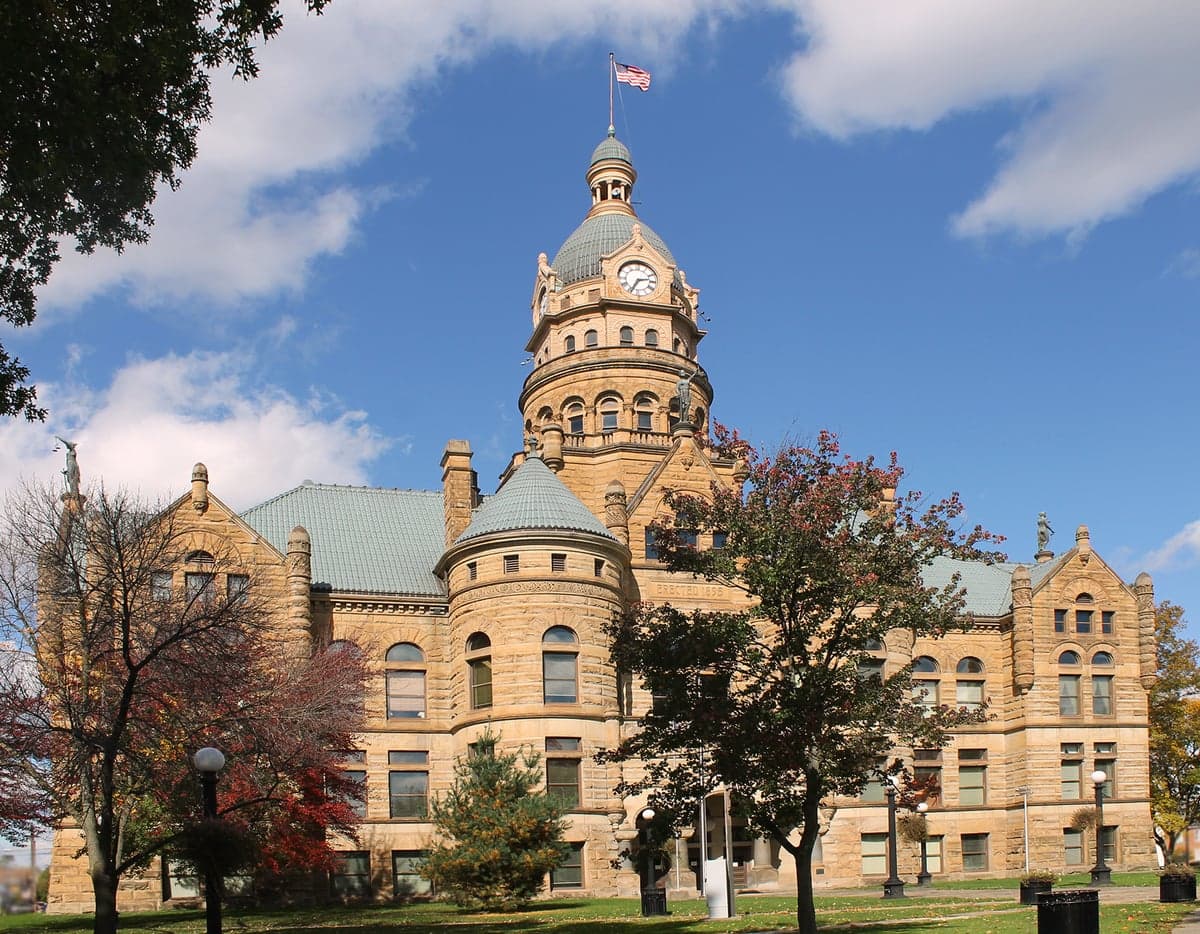
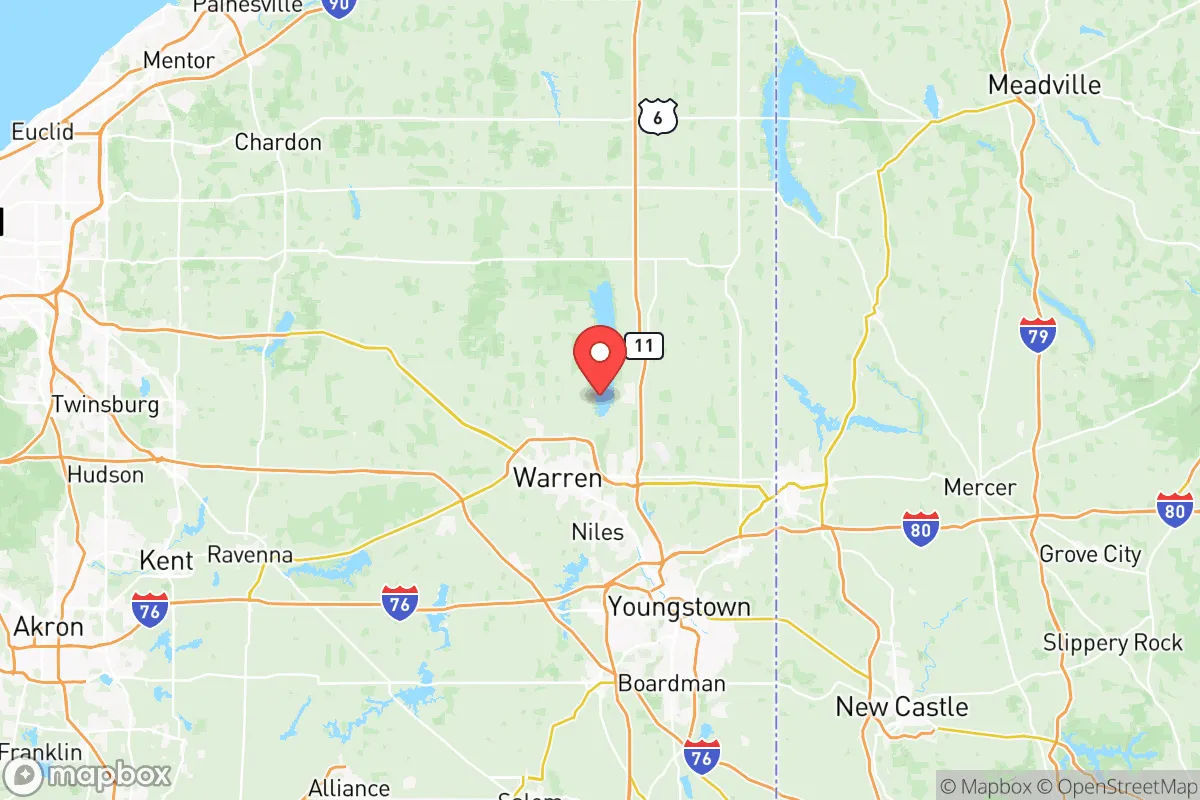
Photo: Wikipedia
Find The Best Places To Live in Trumbull County
PRO TIP! You can paste a Zillow or Redfin link to get info on that property.
Best Places to Live in Trumbull County
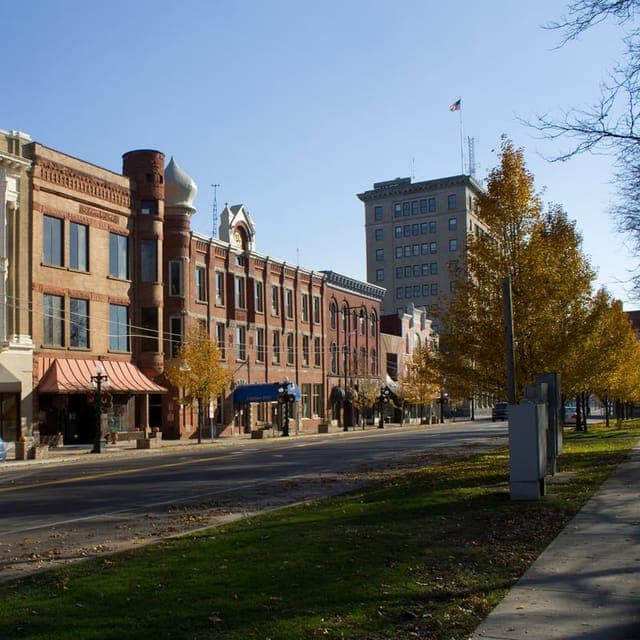
Cities & Towns in Trumbull County
Cities in Trumbull County
What It's Like Living in Trumbull County, OH
Living in Trumbull County, Ohio, feels like being part of a region that’s quietly reinventing itself. Stretching from the Mahoning River valley up to the rural farmlands near the Pennsylvania line, this is a place where the old industrial backbone of steel mills and auto plants has given way to a slower, more affordable way of life. You’ll find a mix of aging factory towns like Warren and Niles, alongside smaller communities like Cortland and Hubbard, each with its own distinct personality. For someone looking for a low-cost, low-hassle place to raise a family or start a small business, Trumbull County offers a genuine sense of community without the frantic pace of a big city.
Daily Rhythm: What People Actually Do
Weekdays in Trumbull County move at a deliberate pace. The average commute clocks in at just over 23 minutes, which means most people are home in time for dinner. In Warren, the county seat, you’ll see workers heading to major employers like the Trumbull Memorial Hospital or the sprawling Lordstown complex (now home to an electric-vehicle battery plant). In Niles, the local economy leans on healthcare and retail, with the Eastwood Mall drawing shoppers from across the region. For groceries, locals hit the Giant Eagle or Sparkle Market, and for a quick bite, the hot dog stands at Warren’s Hot Dog Shoppe are a genuine institution—cash only, no frills, and packed at lunch.
Weekends are often spent outdoors. The county’s park system is a hidden gem: Mosquito Lake State Park offers boating, fishing, and hiking trails that see steady use from spring through fall. Further south, the Mill Creek Park system (technically in Youngstown but a quick drive for southern Trumbull residents) provides miles of wooded paths and a historic dam. In winter, the rhythm shifts to high school basketball games and snow shoveling—lake-effect snow can dump a foot overnight, and locals take it in stride.
Sports, Community, and the Local Identity
High school sports are a big deal here, and they’re the closest thing to a unifying civic event. On Friday nights in the fall, you’ll find crowds at Warren G. Harding High School or Howland High School games, where the stands are full of parents, alumni, and neighbors. The rivalry between Harding and Niles McKinley is the kind of thing that gets talked about at barbershops and diners all week. For college sports, Youngstown State University (just south of the county line) draws a fair number of fans, but the real passion is for the local high school teams—they’re the heart of small-town identity.
Beyond sports, the county’s cultural quirks show up in its festivals. Warren’s Summer Festival of the Arts brings local painters and musicians to Courthouse Square, while Niles’s “4th of July Celebration” is a massive community event with a parade that shuts down Main Street. There’s also a strong blue-collar pride that surfaces in conversations about the area’s industrial past. People here remember when the steel mills were running full tilt, and there’s a quiet respect for the hard work that built the towns. That same pride shows up in the local diners—places like Elm Road Drive-In in Warren or Belleria Pizza in Niles, where the pizza is thick-crusted and the conversation is easy.
Pros and Cons of Living Here
The biggest draw is the cost of living. With a cost-of-living index of 59 (100 is the U.S. average), your dollar goes a long way. The median home value sits at $128,100, which means a family can buy a solid three-bedroom house in Cortland or Hubbard for well under $150,000. The median household income of $55,088 is below the national average, but because housing and utilities are so cheap, many residents find they have more disposable income than they would in a pricier city. The trade-off is a limited job market. While the Lordstown battery plant and healthcare sector provide some stability, many residents commute to Youngstown or even Cleveland (about an hour west) for higher-paying work. The college-educated population is just 20.3%, which reflects a workforce that’s more trade-oriented than white-collar—a good fit for mechanics, welders, and nurses, but less so for tech professionals.
On the downside, the violent crime rate of 257.1 per 100,000 is higher than the national average, and it’s concentrated in parts of Warren and Niles. Most suburban and rural areas feel very safe, but the city cores have struggled with property crime and occasional violent incidents. The median age of 43.8 also hints at a population that’s aging—young adults often leave for college and don’t return, which can make the social scene feel thin for singles in their 20s. The weather is another honest challenge: winters are long, gray, and snowy, and the lake-effect snow can make driving treacherous from December through March. But for those who value a quiet, affordable life with genuine neighbors and a slower pace, Trumbull County delivers. It’s not flashy, but it’s real.

* Values derived from national, state, county, city and local statistics and may differ in a specific area. Last updated: 2026-07-26T14:39:23.000Z
Narrative content on this page is AI-generated and may contain mistakes. Verify any details that matter before acting on them.
ReloMaps may earn a commission from affiliate links at no extra cost to you.

