Photo: Wikipedia
Find The Best Places To Live in Miami County
PRO TIP! You can paste a Zillow or Redfin link to get info on that property.
What It's Like Living in Miami County, OH
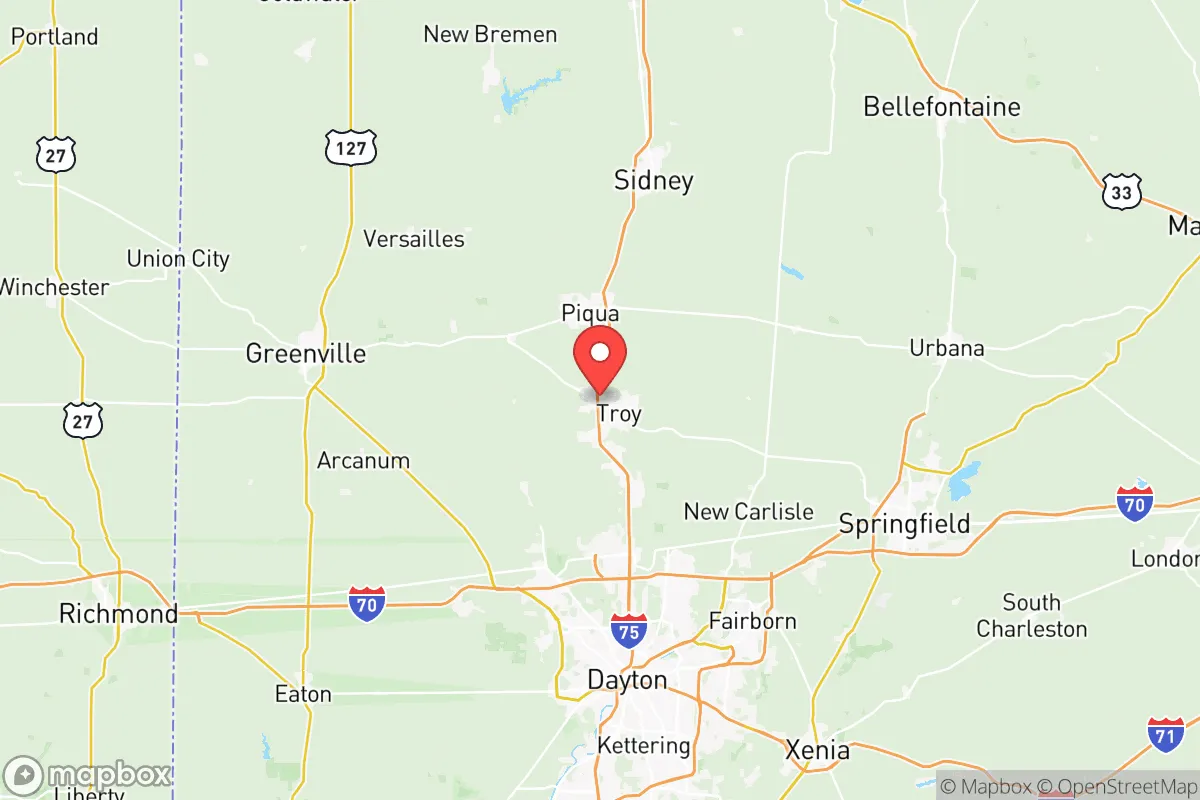
If you’re looking at Ohio and wondering where the line is between “close to the city” and “actually in the country,” Miami County is a pretty good answer. It’s a place where you can live on a quiet road outside Troy or Piqua, drive 20 minutes to work, and still make it to a Dayton Dragons game or a Cincinnati Bengals Sunday without much fuss. The county feels like a collection of distinct small cities and farm towns rather than one big blob, and that’s exactly what a lot of folks here like about it.
The Daily Rhythm: Work, Commute, and Where You Actually Run Errands
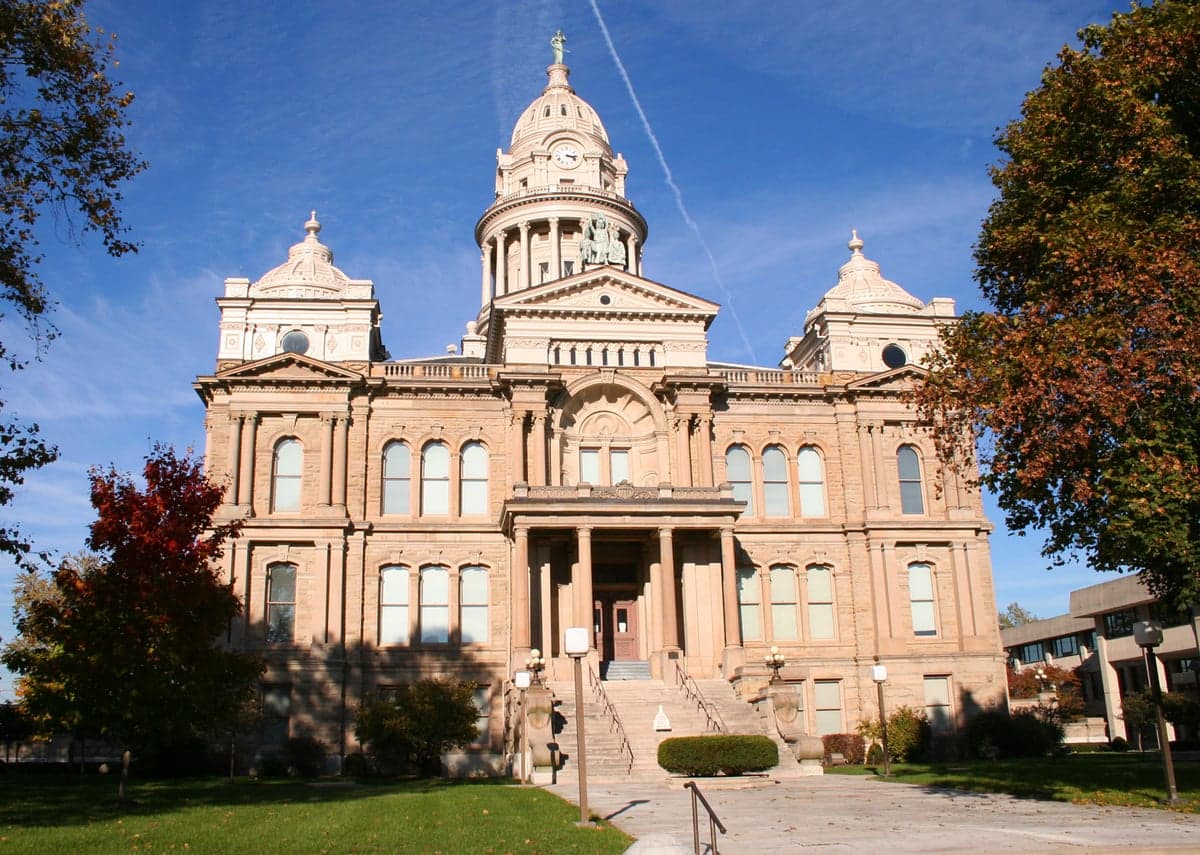
Life here revolves around a handful of hubs. Troy is the county seat and the most active downtown, with a beautiful square, the Miami County Courthouse, and a surprisingly solid lineup of local restaurants and shops. Piqua has its own historic downtown along the Great Miami River, plus the big-box retail stretch on Route 36 that pulls in shoppers from the smaller towns. Tipp City is the bedroom-community favorite, with a cute main street and quick access to I-75, which makes it popular with people who commute south to Dayton or north to Sidney and Lima.
The average commute here is about 21 minutes, and that tracks with reality. Most people work in the county itself — Hobart Brothers in Troy, the Upper Valley Medical Center, or the sprawling industrial parks in Piqua and West Milton — or they make the 25-to-30-minute drive down I-75 to Dayton for jobs at Wright-Patterson Air Force Base, Premier Health, or the defense contractors scattered around the region. The median household income sits at $74,175, which goes further here than in most places because the cost of living index is a remarkably low 78, well under the national average of 100.
Weekends are a mix of practical errands and outdoor time. The county has a strong network of paved bike trails, most notably the Great Miami River Recreation Trail, which connects Troy, Piqua, and Tipp City. You’ll see families on it year-round, plus kayakers and canoeists on the river when the weather cooperates. For groceries, it’s Kroger and Meijer in the bigger towns, and a handful of smaller markets like the Troy Farmers Market on Saturday mornings from spring through fall.
Sports, Schools, and the Community Fabric
If you move here, you need to understand one thing quickly: high school sports are a big deal. Troy High School football games on Friday nights in the fall are genuine community events, and the rivalry with Piqua — the “Battle of the Miami Valley” — draws thousands and has been going on for over a century. The schools themselves are a major reason families choose the county. Troy, Tipp City, and Milton-Union all have solid reputations, and the schools function as the social hub for parents in a way that’s less common in bigger metro areas.
For college sports, you’re close enough to catch University of Dayton Flyers basketball or Miami University football in Oxford, both about a 40-minute drive. Pro sports mean a trip to Cincinnati or Columbus, both roughly an hour to an hour-and-a-half away, so most residents are split between Bengals and Browns fans, with a healthy dose of Reds and Guardians mixed in. The Dayton Dragons, a Single-A baseball team, are a popular cheap night out and a great intro to the region’s sports culture.
What There Is to Do (and What There Isn’t)
Entertainment here is more about community events than big-ticket attractions. The Miami County Fair in Troy every August is a genuine highlight, with livestock shows, demolition derbies, and fair food that people plan their summers around. Piqua hosts the Great Outdoor Weekend and a popular summer concert series on the riverfront. Tipp City has its own charm with the Tippecanoe Arts Festival and a historic downtown that’s worth an afternoon of browsing antique shops and grabbing lunch at a local spot like the Winan’s candy shop, which has been around since the 1930s.
Outdoor recreation is the real strength. Charleston Falls Preserve near Tipp City has a beautiful waterfall and hiking trails, and Brukner Nature Center in Troy offers wildlife programs and wooded trails that feel far removed from suburbia. The county parks system is well-maintained and free or cheap, which fits the local mindset.
Now for the honest downsides. The median home value is $209,200, which is affordable, but the housing stock skews older — you’ll see plenty of 1950s and 1960s ranches and Cape Cods that need updating. The violent crime rate is 268 per 100,000, slightly above the national average, though most of it is concentrated in specific pockets of Piqua and Troy rather than spread across the county. Dining out is decent but not exciting; you’ll find solid Mexican, Italian, and American spots, but fine dining is limited, and most residents drive to Dayton or Cincinnati for a special-occasion meal.
The median age here is 41.1, and only about 24.9% of adults hold a college degree, so this isn’t a place full of young professionals or startup culture. It’s a county of tradespeople, nurses, teachers, and manufacturing workers — people who value practicality, church community, and knowing their neighbors. If that sounds like you, Miami County will feel like home quickly. If you’re looking for nightlife, walkable urban density, or cultural diversity, you’ll likely find it frustrating.

* Values derived from national, state, county, city and local statistics and may differ in a specific area. Last updated: 2026-08-19T02:46:19.000Z
Narrative content on this page is AI-generated and may contain mistakes. Verify any details that matter before acting on them.
ReloMaps may earn a commission from affiliate links at no extra cost to you.

