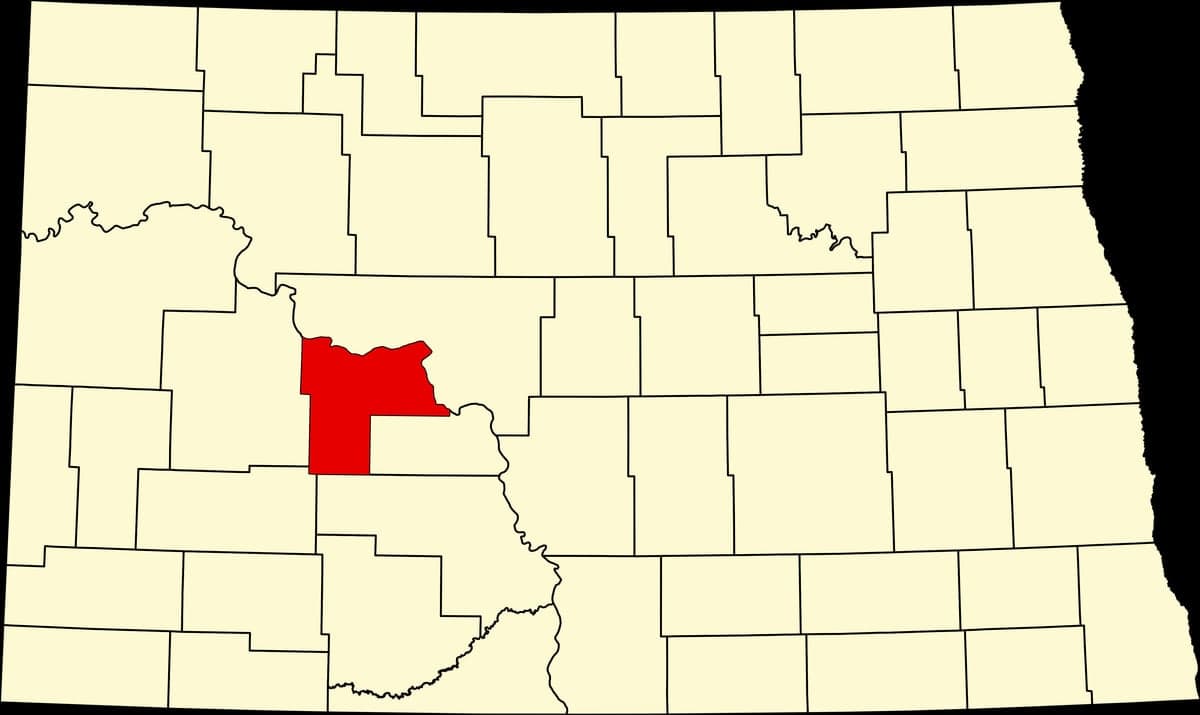
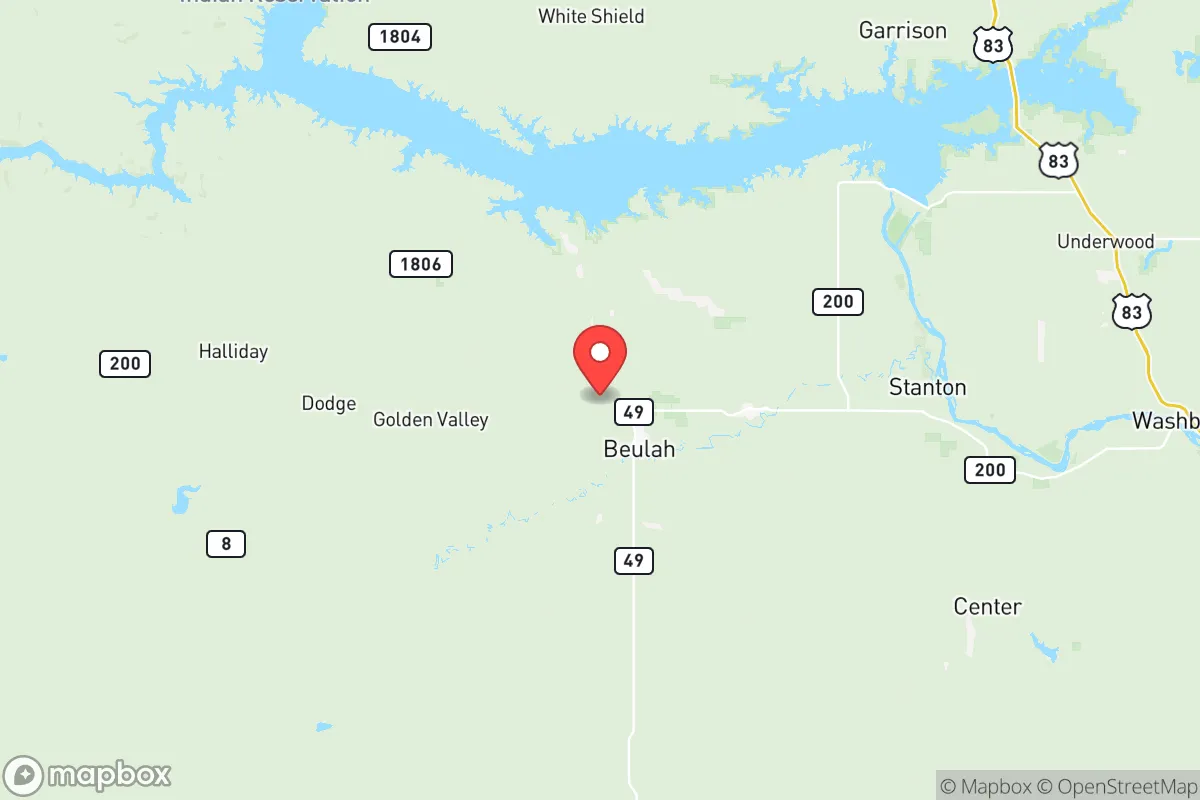
Photo: Wikipedia
Quality of Life in Mercer County
A livable area that tracks near national norms for affordability, walkability, and neighborhood health.
What does Quality of Life tell us?
Quality of Life measures an area by evaluating factors like cost of living, nearby amenities, country club access, airport proximity, socioeconomic signals and neighborhood character. For large states, this is a general average — quality of life can vary dramatically between metro areas, suburbs, and rural communities within the same state.
What does this tell us?
Quality of Life measures an area by evaluating factors like cost of living, nearby amenities, country club access, airport proximity, socioeconomic signals and neighborhood character. For large states, this is a general average — quality of life can vary dramatically between metro areas, suburbs, and rural communities within the same state.
Cost of Living
18% below national average
142%
The Real Cost of Living in Mercer County for 2026
| Tier | Individual | Family (4) |
|---|---|---|
| Survival | $17k | $31k |
| Comfortable | $38k | $56k |
| Luxury | $110k+ | $171k+ |
| Elite (Top 5%) | $130k+ | $201k+ |
Quality-of-Life Analysis
Mercer County, North Dakota offers a distinct quality-of-life spectrum that ranges from the modest amenities of its largest town, Beulah, to the quiet, wide-open spaces of its smaller communities and agricultural countryside. With a cost of living index of 82—well below the national average of 100—the county attracts a mix of energy sector workers, farming families, and retirees seeking affordability and a slower pace. The character of daily life shifts noticeably depending on whether one lives in the county's primary population center, a smaller town like Hazen, or on a farmstead near Stanton.
Largest town(s) & population centers
Beulah serves as Mercer County's largest community and primary commercial hub, with a population of roughly 3,000. Daily life here centers around the local school system, the Beulah Civic Center, and employment at nearby coal-fired power plants and the Freedom Mine—one of the largest lignite mines in the United States. The town offers essential services including a grocery store, hardware store, medical clinic, and several dining options, making it the most convenient base within the county. Housing in Beulah reflects the county's overall affordability, with a median home value of $196,200 and median rent of $1,043, though newer construction tied to energy sector demand can push prices higher. The average commute across the county is a short 18 minutes, meaning most residents in Beulah can reach work, school, and errands quickly.
Smaller towns & rural pockets
Hazen, located about 10 miles west of Beulah, is the county's second-largest community with a population near 2,400. It offers a quieter, more residential feel while still providing a K-12 school, a public library, and access to the Hazen Bay Recreation Area on Lake Sakakawea. Stanton, the county seat, is a smaller community of roughly 350 residents that anchors the eastern part of the county. Life in Stanton revolves around county government offices, the local school, and the nearby Knife River Indian Villages National Historic Site. Further west, Golden Valley (population around 180) and Pick City (population under 100) represent the county's most rural incorporated places, where residents live on larger lots and often commute to Beulah or Hazen for work and shopping. Unincorporated areas and farmsteads spread across the county's 1,112 square miles offer true isolation, with gravel roads and expansive views of the Missouri River Valley.
Cost & lifestyle range
The cost of living in Mercer County is consistently low across all areas, but the trade-offs between amenities and space are clear. At one end of the spectrum, Beulah offers the most services and shortest commutes, with rental options near the county median of $1,043 and home prices that can reach $250,000 for newer family homes. At the other end, Golden Valley and Pick City offer significantly lower housing costs—often under $150,000 for existing homes—but require a 15- to 25-minute drive for groceries, medical care, or dining. Stanton sits in the middle, with home values typically below the county median and a lifestyle defined by its role as the administrative center. For residents in the most remote rural pockets, the trade-off is minimal utility costs and property taxes, but limited access to high-speed internet and no walkable amenities. The county's overall cost of living index of 82 means that even the priciest homes in Beulah are affordable compared to state or national averages.
Mercer County is best suited for individuals and families who prioritize affordability, short commutes, and outdoor recreation—particularly fishing and boating on Lake Sakakawea—over urban entertainment and dining variety. Energy sector workers will find the most convenience in Beulah or Hazen, while those seeking maximum land and privacy may prefer the outskirts of Golden Valley or a farmstead near Stanton. Retirees on fixed incomes and young families looking to stretch a paycheck will find the county's low cost of living and strong sense of community appealing, provided they are comfortable with the limited retail and cultural options typical of rural North Dakota.

Crime in Mercer County
Generally safer than 66% of comparable U.S. locations.
Violent CrimeViolent Crime Analysis
Property CrimeProperty Crime Analysis
Crime Analysis
Mercer County, North Dakota, presents a mixed safety profile that is heavily shaped by its small-town, rural character and the economic influence of energy development. With a violent crime rate of 237.3 per 100,000 residents and a property crime rate of 1,475.6 per 100,000, the county sits above the safest rural benchmarks but below the most dangerous urban centers in the state. The most significant safety concerns are concentrated in the county's largest population center, Beulah, and along the Lake Sakakawea corridor, while smaller communities like Hazen and Stanton generally report fewer incidents.
Crime in context
Mercer County's violent crime rate of 237.3 per 100,000 is roughly 40% higher than the North Dakota state average of approximately 170 per 100,000, but still well below the national average of about 380 per 100,000. The property crime rate of 1,475.6 per 100,000 is similarly elevated compared to the state average of roughly 1,200 per 100,000, though it remains lower than the national figure of approximately 1,950 per 100,000. These numbers reflect the county's position as a regional hub for energy extraction — the Beulah-Hazen area supports coal mining, coal-fired power generation, and natural gas processing, which brings a transient workforce and associated property crime pressures. By contrast, the county seat of Stanton, with a population under 300, sees very few reported incidents, and the rural townships along the Knife River corridor are among the safest in the region.
What residents experience
For residents, the most tangible safety issue is property crime, particularly theft from vehicles and unoccupied seasonal homes near Lake Sakakawea. The lake's recreational draw brings a seasonal influx of visitors, and break-ins at cabins and boat storage facilities are a recurring complaint in areas like Pick City and Riverdale. Violent crime is rare but not absent — most incidents involve domestic disputes or alcohol-fueled altercations, and the county's small population means that even a handful of events can push the per-capita rate upward. Law enforcement is provided by the Mercer County Sheriff's Office, with municipal police departments in Beulah and Hazen. The judicial district covering Mercer County (South Central Judicial District) is not known for the progressive, soft-on-crime policies seen in larger, more liberal jurisdictions. Unlike counties in the Fargo or Grand Forks metro areas, where district attorneys and judges have sometimes been criticized for lenient sentencing and diversion programs that prioritize offender rehabilitation over public safety, Mercer County's courts generally take a more traditional, law-and-order approach. This means that repeat property offenders and violent criminals are more likely to face meaningful consequences, which helps keep the county's crime problems from spiraling despite the economic pressures of energy development.
Neighborhood-level variation is significant. Beulah, the county's largest town with roughly 3,000 residents, accounts for a disproportionate share of reported property crime, particularly in areas near the main highway corridor and the industrial zones around the Dakota Gasification Company plant. Hazen, with a population of about 2,400, has a somewhat lower incident rate but still sees periodic thefts and vandalism. The most desirable areas from a safety standpoint are the rural subdivisions and farmsteads outside these two towns, as well as the small community of Golden Valley, where crime is virtually nonexistent. For families and retirees seeking the safest possible environment, the western townships and the area around Lake Tschida offer the lowest risk, though they also lack the amenities and services found in Beulah and Hazen.
* Values derived from national, state, county, city and local statistics and may differ in a specific area. Last updated: 2026-08-24T21:35:47.000Z
Narrative content on this page is AI-generated and may contain mistakes. Verify any details that matter before acting on them.
ReloMaps may earn a commission from affiliate links at no extra cost to you.

