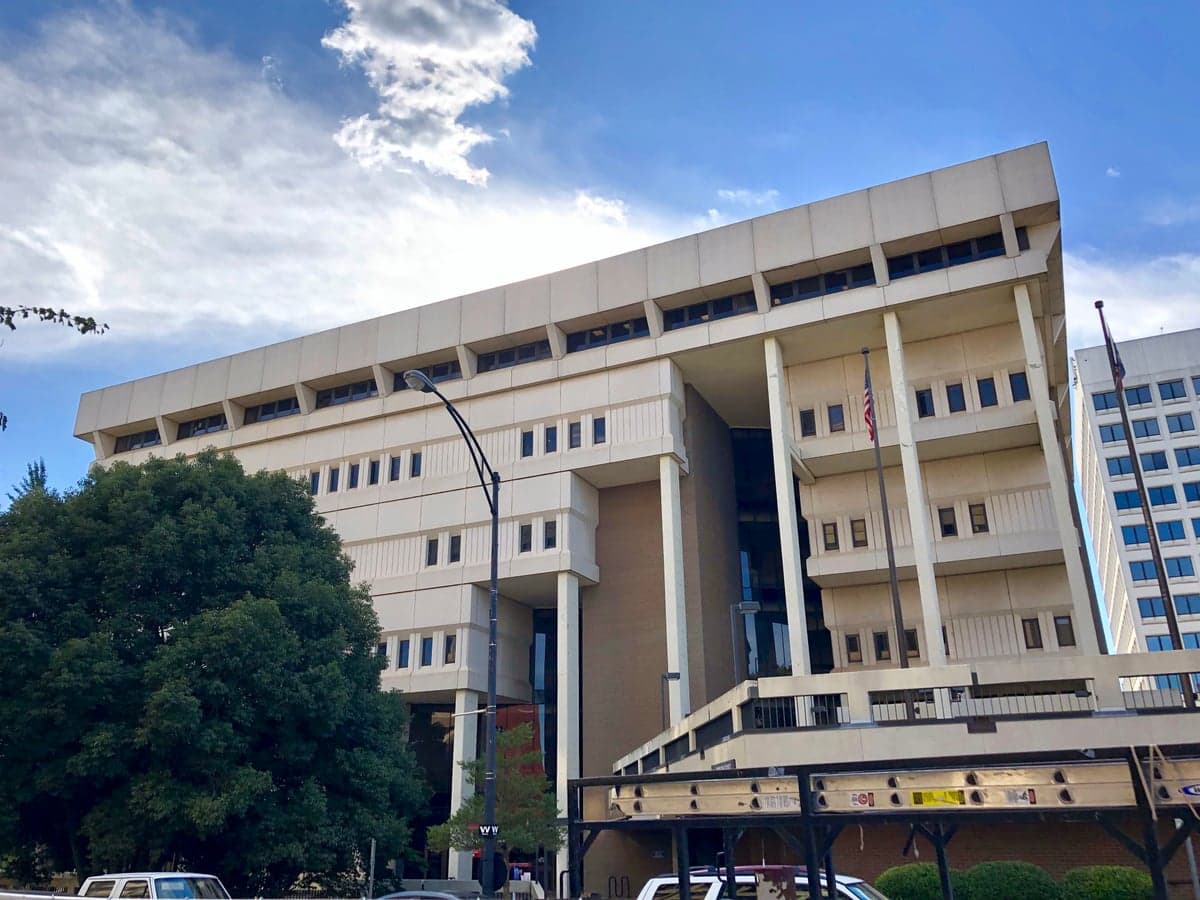
Photo: Wikipedia
Quality of Life in Forsyth County
A livable area that tracks near national norms for affordability, walkability, and neighborhood health.
What does Quality of Life tell us?
Quality of Life measures an area by evaluating factors like cost of living, nearby amenities, country club access, airport proximity, socioeconomic signals and neighborhood character. For large states, this is a general average — quality of life can vary dramatically between metro areas, suburbs, and rural communities within the same state.
What does this tell us?
Quality of Life measures an area by evaluating factors like cost of living, nearby amenities, country club access, airport proximity, socioeconomic signals and neighborhood character. For large states, this is a general average — quality of life can vary dramatically between metro areas, suburbs, and rural communities within the same state.
Cost of Living
14% below national average
101%
The Real Cost of Living in Forsyth County for 2026
| Tier | Individual | Family (4) |
|---|---|---|
| Survival | $17k | $31k |
| Comfortable | $44k | $65k |
| Luxury | $118k+ | $184k+ |
| Elite (Top 5%) | $149k+ | $231k+ |
Quality-of-Life Analysis
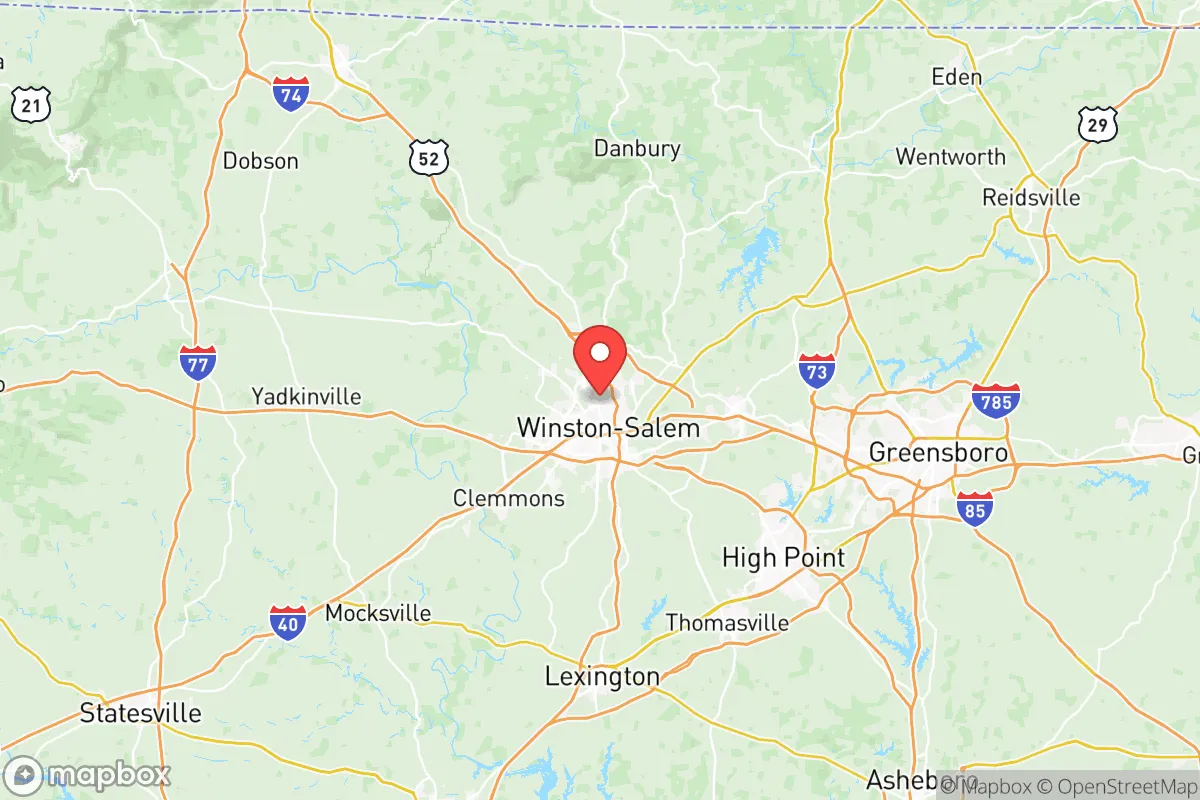
Forsyth County, North Carolina, offers a broad quality-of-life spectrum that ranges from the dense, amenity-rich urban core of Winston-Salem to quiet, unincorporated crossroads and rural farmland. The county’s character shifts noticeably within a 20-minute drive, attracting everyone from young professionals and university students seeking walkable neighborhoods to families and retirees looking for acreage and lower taxes. With a cost of living index of 86 (14% below the national average), a median home value of $227,800, and a median rent of $1,046, the county provides tangible financial breathing room compared to the Research Triangle or Charlotte metros.
Largest town(s) & population centers
Winston-Salem is the county seat and dominant population center, home to roughly 250,000 residents. Daily life here is defined by a mix of historic neighborhoods, a revitalized downtown, and major employment anchors like Wake Forest University, Atrium Health Wake Forest Baptist, and BB&T (now Truist) headquarters. The downtown Arts District and Innovation Quarter draw a creative and professional crowd, while neighborhoods like Ardmore, Buena Vista, and West End offer distinct housing stock from early 20th-century bungalows to stately historic homes. The city’s average commute of 22.9 minutes is notably shorter than the national average, making it feasible to live in a walkable urban core and still reach suburban jobs quickly. Kernersville, the county’s second-largest town with about 25,000 residents, functions as a more affordable, family-oriented alternative at the county’s eastern edge, with its own historic Main Street and easy access to both Winston-Salem and Greensboro via I-40.
Smaller towns & rural pockets
Beyond the two main towns, Forsyth County contains several smaller communities that offer a distinctly quieter pace. Lewisville (pop. ~13,000) and Clemmons (pop. ~21,000) are suburban villages along the county’s western and southern flanks, respectively, with strong school reputations and newer subdivisions mixed with older farmsteads. Rural Hall and Tobaccoville in the northern part of the county retain a small-town feel with limited commercial development, while Walkertown and Bethania (the latter a historic Moravian settlement founded in 1759) offer true rural living with large lots and agricultural zoning. Unincorporated areas like Piney Grove and Vienna consist primarily of farmland and scattered homes, with residents typically commuting into Winston-Salem or Kernersville for work and shopping. These pockets lack the retail density of the urban core but provide significantly more land per dollar and lower property tax burdens.
Cost & lifestyle range
The cost of living varies noticeably across the county. At the higher end, Buena Vista and Country Club Estates in Winston-Salem feature median home values well above $400,000, with historic mansions and golf-course frontage. Clemmons and Lewisville also command premiums for newer construction and top-rated schools, with typical homes in the $300,000–$450,000 range. At the lower end, neighborhoods in east Winston-Salem and parts of Rural Hall offer median home values closer to $150,000–$180,000, and rental options near downtown can be found for under $1,000 per month. The county’s overall median home value of $227,800 and median rent of $1,046 reflect this wide spread. Lifestyle options shift accordingly: urban residents walk to coffee shops and breweries, suburban families rely on strip malls and school sports, and rural dwellers enjoy privacy and space but drive 15–25 minutes for groceries or dining.
Forsyth County works best for people who want the cultural and employment assets of a mid-sized city without the premium price tag of Raleigh or Charlotte. Families who prioritize school quality often gravitate to Clemmons or Lewisville, while young professionals and empty-nesters favor Winston-Salem’s historic districts. Rural-minded buyers find value in Bethania or Tobaccoville, where land is still affordable and commute times remain manageable. The county’s mix of urban, suburban, and rural options within a compact geography makes it a practical choice for a wide range of budgets and lifestyle preferences.

Crime in Forsyth County
Crime rates similar to the national median for U.S. locations.
Violent CrimeViolent Crime Analysis
Property CrimeProperty Crime Analysis
Crime Analysis
Forsyth County, anchored by the city of Winston-Salem, presents a mixed safety profile that demands careful attention from potential residents. The county’s violent crime rate of 309.4 incidents per 100,000 residents and property crime rate of 1,689.6 per 100,000 place it above national averages, with specific neighborhoods and jurisdictions showing significant variation. Understanding where these crimes concentrate—and how local justice policies influence them—is critical for anyone evaluating relocation to the Winston-Salem metropolitan area.
Crime in context
Forsyth County’s violent crime rate is roughly 15% higher than the national average of approximately 270 per 100,000, while its property crime rate exceeds the national figure by about 10%. Compared to North Carolina’s statewide averages, Forsyth’s numbers are elevated but not extreme—the state’s violent crime rate hovers around 290 per 100,000, meaning Forsyth is slightly above that benchmark. However, these aggregate figures mask stark internal disparities. The city of Winston-Salem itself drives the county’s crime totals, with downtown and eastern corridors like the East Winston neighborhood reporting higher incident densities. In contrast, suburban towns such as Lewisville and Clemmons consistently record crime rates well below the county average, often by 40-50%. The county’s property crime rate, while elevated, is heavily influenced by vehicle break-ins and package thefts in denser areas, rather than widespread burglary in residential subdivisions.
What residents experience
Daily life in Forsyth County varies dramatically by location. In Winston-Salem’s central districts, residents frequently report concerns about theft from vehicles and porch piracy, particularly around the Wake Forest University campus and the downtown arts district. Violent crime, while less common in daily experience, is concentrated in specific corridors—notably along Martin Luther King Jr. Drive and Liberty Street in the eastern part of the city. The county’s judicial environment adds another layer of concern. Forsyth County’s District Attorney’s office, operating under a progressive prosecutorial philosophy, has implemented policies that emphasize diversion programs and reduced sentencing for non-violent offenders. Critics argue this approach has contributed to a revolving-door effect for property crime offenders, with repeat arrests common in areas like Kernersville and Rural Hall. Residents in these communities report frustration with the justice system’s leniency, noting that stolen property cases often result in probation rather than incarceration. The county’s recidivism rate for property crimes is estimated at 35-40%, higher than the state average of 28%, a statistic that directly impacts neighborhood safety perceptions.
Neighborhood-level variation is pronounced and predictable. The safest residential pockets include the Bermuda Run area near the Davie County line and the Polo Ridge subdivision in Clemmons, where violent crime is virtually nonexistent and property crime rates are below 500 per 100,000. Conversely, the Waughtown and Southside neighborhoods in Winston-Salem experience violent crime rates exceeding 600 per 100,000, driven largely by gang-related disputes and drug trafficking. For families and professionals, the choice between urban convenience and suburban safety is stark: moving to Lewisville or Clemmons typically means a 15-20 minute commute to Winston-Salem but a 60-70% reduction in crime risk. The county’s progressive judicial policies, while well-intentioned, have created a two-tier safety landscape where property crime offenders are quickly returned to the streets in urban areas, while suburban jurisdictions maintain stricter enforcement through local police partnerships. Prospective residents should prioritize visiting specific neighborhoods at different times of day and reviewing the Forsyth County Sheriff’s Office crime mapping tool to identify block-level patterns before committing to a lease or purchase.
* Values derived from national, state, county, city and local statistics and may differ in a specific area. Last updated: 2026-06-12T18:23:59.000Z
Narrative content on this page is AI-generated and may contain mistakes. Verify any details that matter before acting on them.
ReloMaps may earn a commission from affiliate links at no extra cost to you.

