 Popular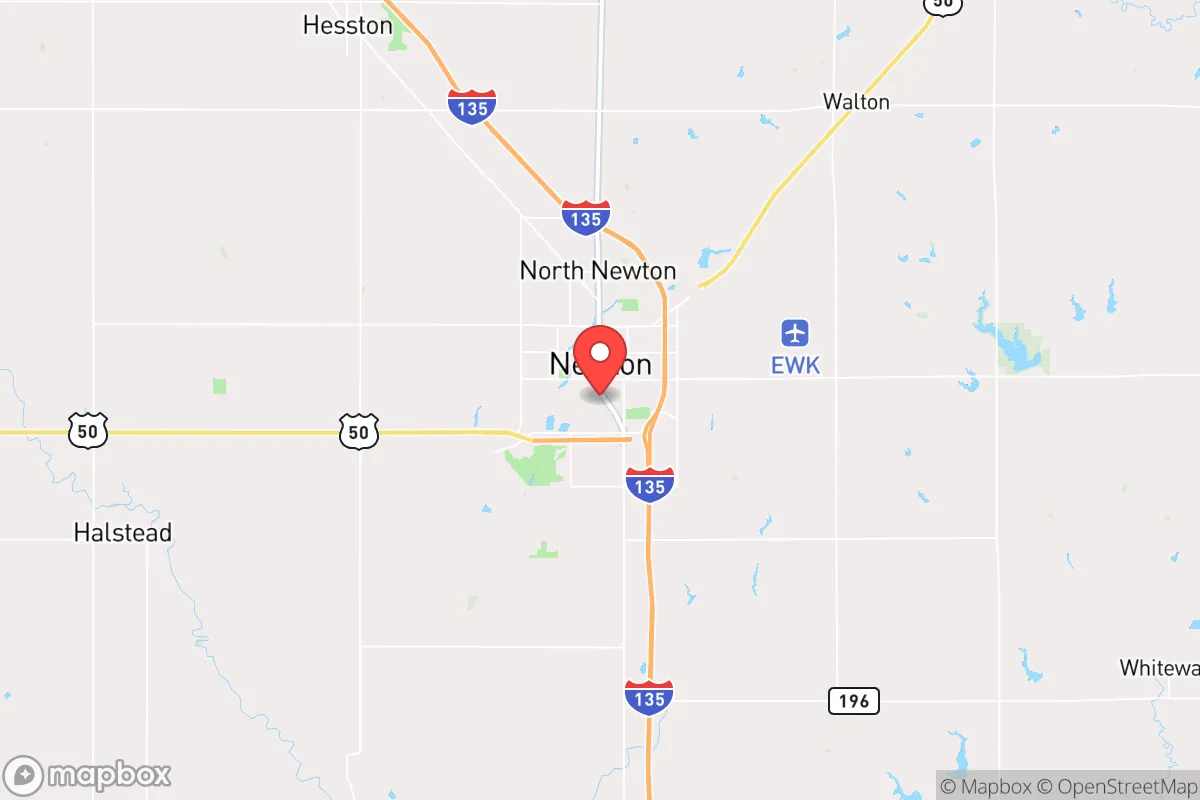
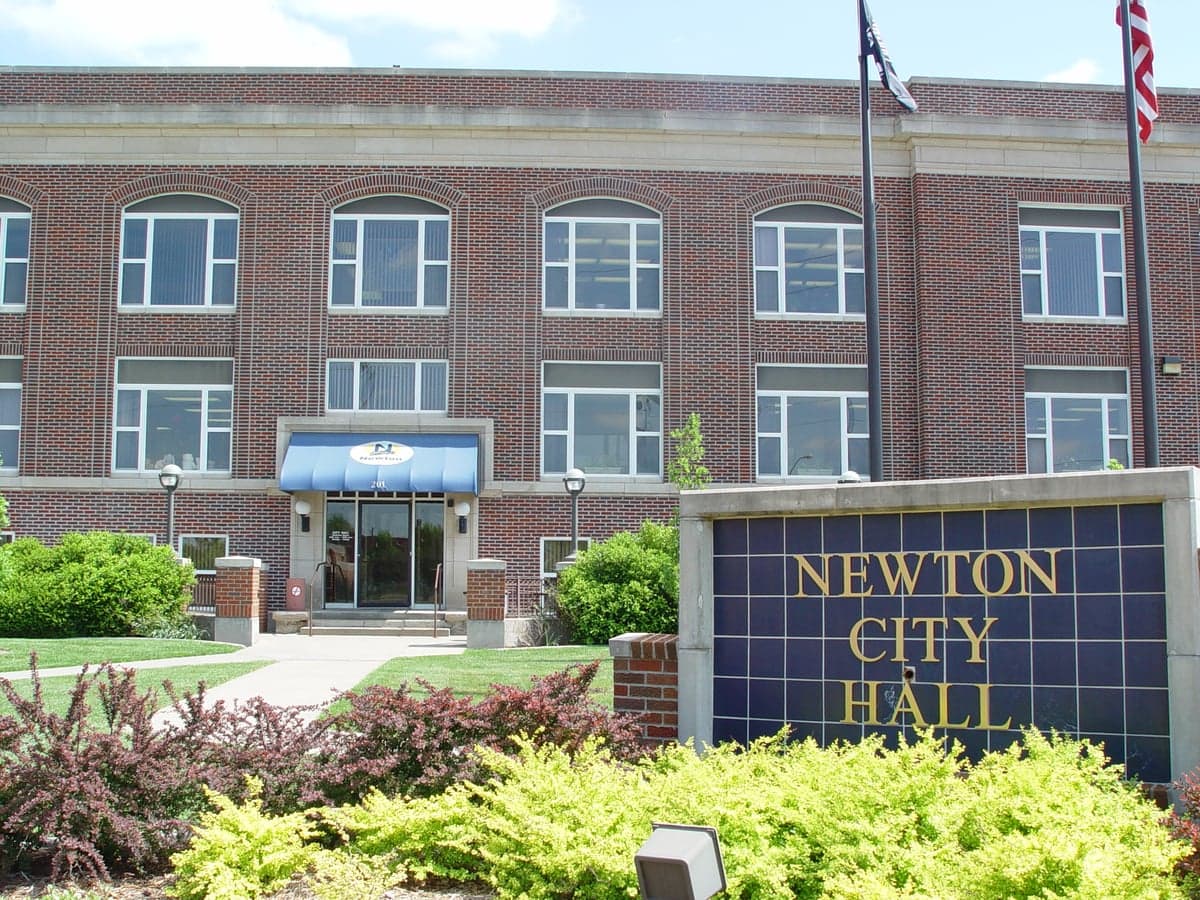
Photo: Wikipedia
Political ClimatePolitical Climate in Newton, KS
District shown is the primary district for this city’s centroid. Cities may span multiple districts.
Local Political AnalysisPolitical Analysis of Newton, KS
Newton, Kansas, sits in a reliably conservative pocket of the state, with a Cook PVI of R+12 that reflects a deep-rooted Republican lean. For as long as I can remember, this town has been a place where folks value self-reliance and want the government to stay out of their business. That said, you can feel a subtle shift in the air—some of the younger crowd and new transplants from places like Wichita are starting to push for more progressive ideas, especially around local ordinances and school policies. It’s not a full-blown wave yet, but it’s enough to make a long-time resident pay attention.
How it compares
Compared to Wichita, which is about 25 miles east and leans more moderate-to-liberal in its urban core, Newton feels like a different world politically. Wichita has seen more visible activism on issues like zoning for affordable housing and diversity initiatives, while Newton’s city council and county commission have largely held the line on traditional values. Surrounding towns like Hesston and North Newton are even more conservative, with a strong Mennonite influence that emphasizes community over government programs. The contrast is sharpest when you look at school board races—Newton’s have stayed focused on local control and parental rights, while Wichita’s have become battlegrounds over curriculum and library books. If you’re worried about government overreach creeping into daily life, Newton still offers a buffer, but the pressure from the east is real.
What this means for residents
For someone who values personal freedoms and limited government, Newton is still a solid bet, but you can’t afford to be complacent. The biggest red flag I see is the slow creep of progressive ideology into local planning and school policies—things like pushing for more centralized control over land use or introducing DEI training in the school district. These might sound harmless, but they’re often the first steps toward bigger government involvement in your life. On the flip side, property taxes here are relatively low compared to Johnson County, and there’s no city income tax, which keeps more money in your pocket. The real test will come in the next few election cycles—if the county commission and school board stay conservative, Newton will remain a place where you can live without constant government interference. If not, you might see more regulations on everything from short-term rentals to what kids can read in the library.
Culturally, Newton still holds onto its agricultural roots and a strong sense of community self-help. There’s a noticeable distrust of state-level mandates, whether it’s mask requirements during the pandemic or new energy regulations. The local gun culture is alive and well, with most folks seeing the Second Amendment as non-negotiable. One policy distinction that stands out is the city’s approach to economic development—Newton has been more willing to offer tax incentives to attract businesses than to impose new fees or zoning restrictions. That’s the kind of common-sense, hands-off approach that keeps the town feeling free. But if you’re looking for a place where the government stays out of your backyard and your wallet, keep an eye on those school board meetings and city council votes. The direction is still up for grabs, and it’s worth staying involved.

State Political ClimatePolitical Climate in Kansas
State Political AnalysisPolitical Environment in the State
Kansas has long been a reliably red state in presidential elections, voting Republican by double digits in every cycle since 2000, but the picture is more complicated than that simple fact suggests. The state’s political center of gravity is a coalition of rural conservatives and suburban moderates, but that coalition has frayed in recent years as the Kansas City suburbs—places like Johnson County’s Overland Park and Olathe—have drifted leftward, while the rest of the state has hardened to the right. Over the past 20 years, the GOP’s dominance has held, but the margin has narrowed from a 30-point blowout in 2004 to a still-comfortable 12-point win in 2024, driven largely by suburban shifts and a growing urban core in Wichita.
Urban vs. rural divide
The political map of Kansas is a textbook case of the urban-rural split. The eastern third of the state, anchored by the Kansas City metro, is where the action is. Johnson County, the state’s wealthiest and most populous county, was once a GOP stronghold but has become a battleground—it voted for Joe Biden in 2020 and narrowly for Donald Trump in 2024, a sign of its suburban moderation. Overland Park and Olathe are full of educated professionals who lean center-right on economics but are socially moderate, especially on issues like abortion and education. Meanwhile, Wichita, the largest city, is a mixed bag: Sedgwick County is a swing county that went for Trump by just 3 points in 2024, with the city itself trending blue while the surrounding rural areas stay deep red. The rest of the state—places like Garden City, Dodge City, and the vast farmlands of western Kansas—is solidly Republican, often voting 70-80% for the GOP. The rural vote is driven by agriculture, oil and gas, and a strong cultural conservatism that prizes gun rights, low taxes, and limited government. The divide is stark: drive 20 minutes outside any city, and you’re in a different political universe.
Policy environment
Kansas has a policy environment that leans heavily conservative, but with some notable wrinkles. The state income tax is a flat 5.7% after the infamous “Brownback tax cuts” were partially rolled back in 2017, but the overall tax burden is still low compared to neighboring Missouri. There’s no state property tax on real estate, and sales taxes are moderate, though local options can push them higher in cities like Lawrence. The regulatory posture is business-friendly, with right-to-work laws in place and a relatively light touch on occupational licensing. Education policy is a hot-button issue: the state has a robust school choice program, including tax-credit scholarships for private schools, and in 2024 expanded open enrollment across district lines. On healthcare, Kansas did not expand Medicaid under the Affordable Care Act, a decision that remains controversial but aligns with the state’s limited-government ethos. Election laws are among the stricter in the nation—voter ID is required, and the state has purged inactive voters from rolls, a practice that has drawn lawsuits but remains in place. The legislature is firmly GOP-controlled, with a supermajority in both chambers, meaning conservative priorities usually pass without much drama.
Trajectory & freedom
On the freedom front, Kansas has been a mixed bag over the past decade. The good news for conservatives: gun rights are strong, with permitless carry enacted in 2015 and no red-flag law on the books. Parental rights got a boost in 2023 with a law requiring schools to notify parents of any changes in a student’s “emotional or mental health,” a direct response to transgender policies in other states. Property rights are solid, with no statewide rent control and limited eminent domain abuse. But there are warning signs. The 2019 expansion of the state’s nondiscrimination law to include sexual orientation and gender identity was a blow to religious liberty advocates, and the state Supreme Court has repeatedly blocked abortion restrictions, citing a state constitutional right to abortion in 2019. That ruling has made Kansas a regional haven for abortion access, with clinics in Overland Park and Wichita seeing patients from Texas and Oklahoma. On taxation, the partial rollback of the Brownback cuts in 2017 was a setback for fiscal conservatives, though the flat tax structure remains. The trajectory is toward more cultural battles, especially in the suburbs, where progressive activists are pushing for more LGBTQ+ protections and diversity initiatives in schools.
Civil unrest & political movements
Kansas has seen its share of political flashpoints, though nothing on the scale of coastal states. The most visible movement in recent years has been the anti-abortion side, which has organized large rallies at the Statehouse in Topeka, especially after the 2022 vote that rejected a constitutional amendment to ban abortion. That vote was a shock to the conservative establishment—the amendment failed by 18 points, driven by suburban women in Johnson County. On the left, the Kansas City area has seen Black Lives Matter protests, mostly in Kansas City, Kansas, and Lawrence, but they were smaller and less violent than in other states. Immigration politics are a live wire in western Kansas, where meatpacking plants in Garden City and Dodge City employ large numbers of immigrants, both legal and undocumented. The state has no sanctuary city policies, and local law enforcement cooperates with ICE, but the tension is real—some rural communities have seen population declines while immigrant populations grow. Election integrity has been a recurring theme, with the GOP-led legislature passing a 2021 law that tightened voter ID rules and limited drop boxes, a move that critics say suppresses turnout but supporters argue is necessary for security. There’s no serious secession talk, but there is a palpable cultural divide between the urban east and the rural west that sometimes feels like two different states.
Projection
Looking ahead 5-10 years, Kansas is likely to remain a red state, but the margin will continue to narrow. The key demographic shift is the growth of Johnson County, which is becoming more diverse and more educated, trends that typically push voters toward the center-left. If the GOP continues to lose ground in the suburbs, the state could become a toss-up in presidential elections by the early 2030s, similar to what happened in Arizona and Georgia. In-migration is modest—Kansas isn’t a boom state like Texas or Florida—but the people moving in tend to be retirees from the Midwest and young professionals drawn to the low cost of living in places like Manhattan and Lawrence. The rural areas will keep shrinking, both in population and political influence, which means the legislature may become more aggressive in passing conservative laws to counter the urban drift. Expect more battles over school curriculum, transgender rights, and abortion access, with the state Supreme Court remaining a liberal bulwark. For a conservative moving in now, the next decade will feel like a holding action: the state is still friendly to traditional values, but the cultural winds are shifting, especially in the suburbs.
For a new resident, the bottom line is this: Kansas is a good place to live if you want low taxes, strong gun rights, and a government that mostly stays out of your business, but you’ll need to pick your location carefully. Stick to the rural areas or the outer suburbs of Wichita and you’ll find a community that shares your values. Move to Overland Park or Lawrence, and you’ll be in a more progressive environment where the local politics are increasingly at odds with the state’s conservative bent. The state is still a safe bet for conservatives, but it’s not immune to the national trends—keep an eye on the suburbs, because that’s where the future of Kansas politics will be decided.
* Values derived from national, state, county, city and local statistics and may differ in a specific area. Last updated: 2026-04-30T13:17:12.000Z
Narrative content on this page is AI-generated and may contain mistakes. Verify any details that matter before acting on them.
ReloMaps may earn a commission from affiliate links at no extra cost to you.

