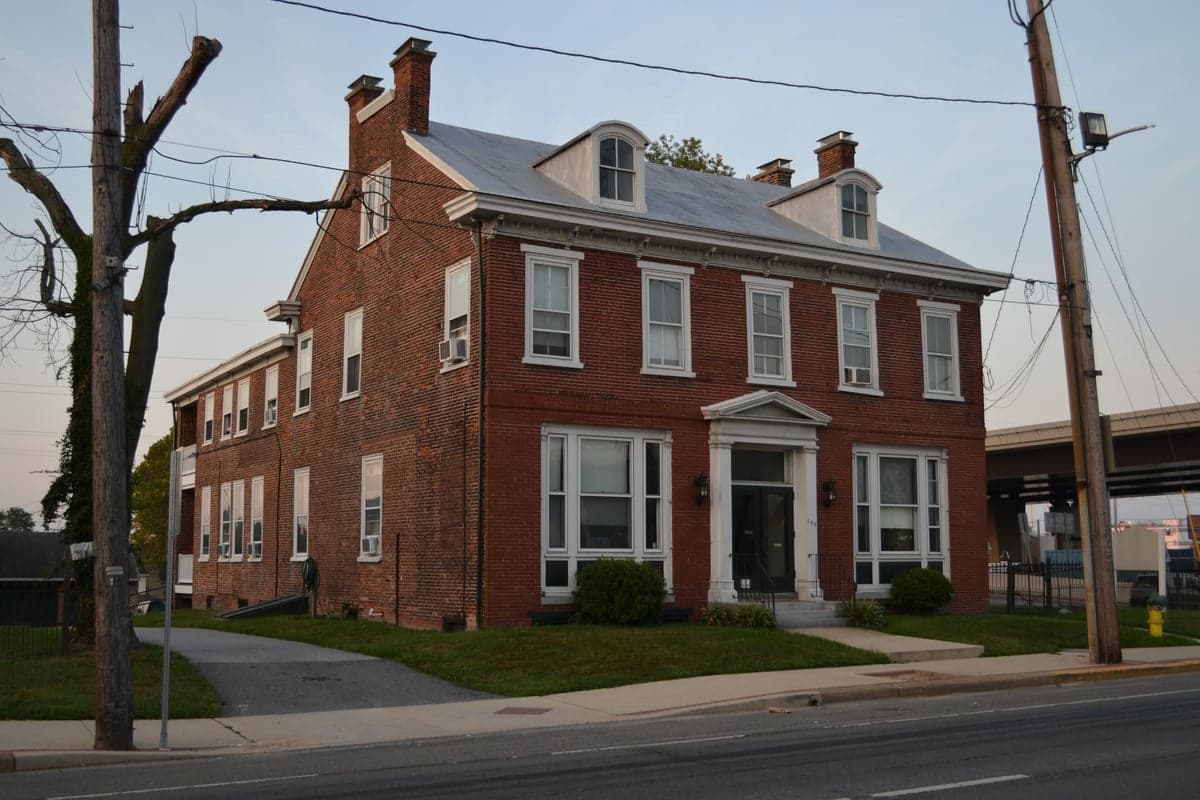
Photo: Wikipedia
Strategic Assessment of Newport, DE
Multiple tactical vulnerabilities. Population density, target proximity, or disaster risk are likely compounding. A retreat property and exit planning is required.
What does the Strategic Assessment tell us?
Our Strategic Assessment grades tactical survivability of an area. Major population centers, military targets, fallout zones, natural disasters, and border exposure all drive risk — lower exposure means a more defensible position in a crisis.
This is heavily inspired by Joel Skousen's Strategic Relocation book. Highly recommended you checkout the book ($)What does this tell us?
Our Strategic Assessment grades tactical survivability of an area. Major population centers, military targets, fallout zones, natural disasters, and border exposure all drive risk — lower exposure means a more defensible position in a crisis.
This is heavily inspired by Joel Skousen's Strategic Relocation book. Highly recommended you checkout the book ($)Strategic Pillars

Key Distances
Regional Safe Places
Below is our recommended "safe zones" in Delaware and the surrounding area based on our strategic heuristics. For most people, it's unrealistic to live in a “safe zone” full-time due to work, family or other personal reasons. They tend to be more rural. However, many of these areas are perfect for second homes and retreat properties that double as a vacation home or even a short-term rental.
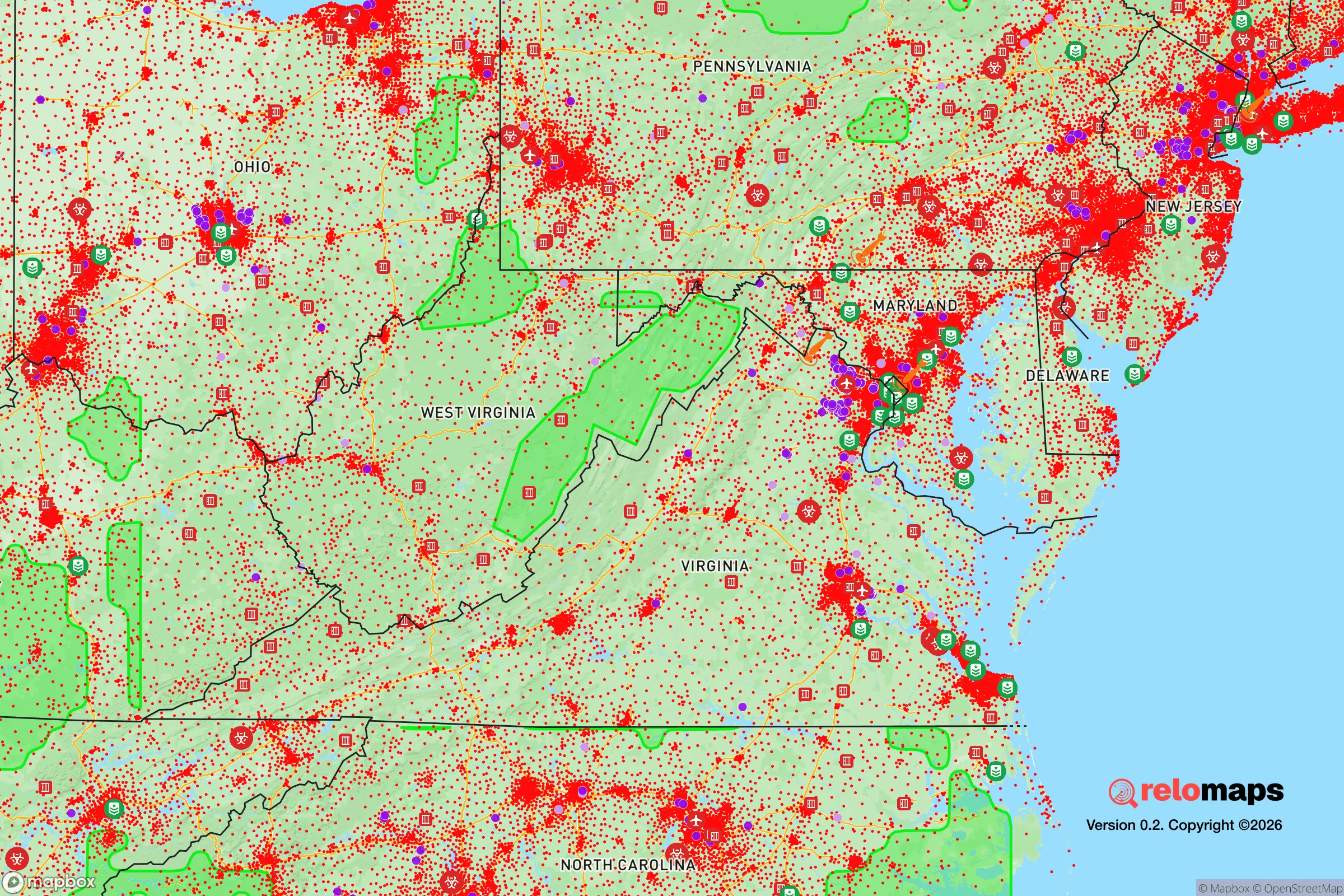
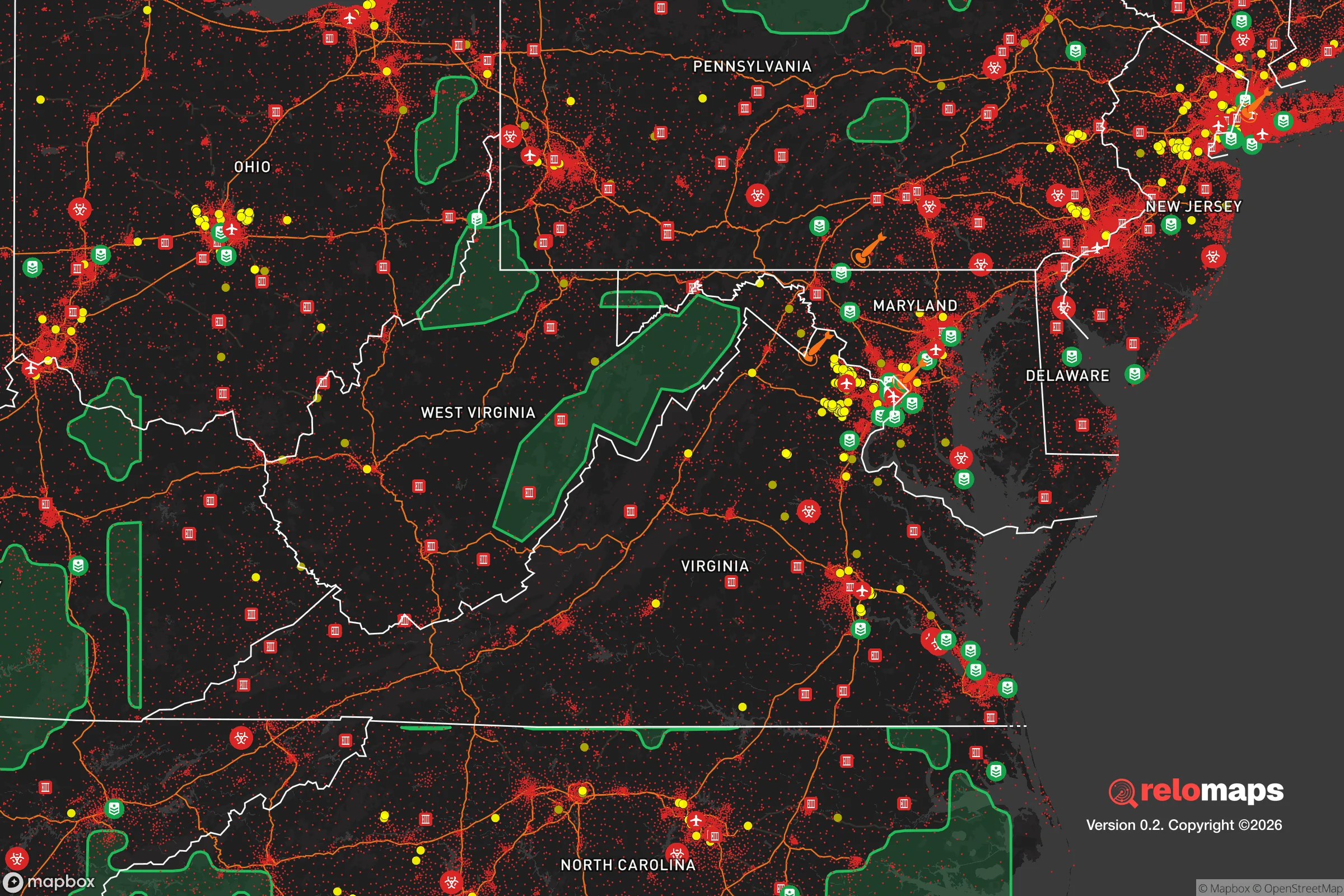


Important Note: For informational purposes only. This does not mean nothing bad ever happens in the green zones. Please use common sense. This is based on public data and modeled with AI. We tried to take a conservative approach but mistakes happen. We update this regularly as new information becomes available.
Solar Generator Recommendations
Backup power matters more here than in safer locations. We've picked three solar generators across budgets and capacity tiers — start with the budget unit if you only need a few essentials, or step up if you want to run a fridge and HVAC for days at a time.

Jackery Portable Power Station Explorer 300
Budget OptionPower on the Go: Weighing only 11 lbs, it's convenient to set up and store with book-sized foldable solar panels

BLUETTI Portable Power Station AC180
Designed for both indoor and outdoor scenarios, AC180 is highly capable as it has a robost capacity and continuous output power.

EF ECOFLOW DELTA Pro Ultra Power Station
Upgraded PickEcoFlow DELTA Pro Ultra is a whole-home energy system designed to grow with your family. Integrated with the Smart Home Panel 2, it scales to meet your evolving energy needs — keeping your home powered, intelligent, and secure through every stage of life.
We earn a commission, at no additional cost to you.
Strategic Assessment Analysis
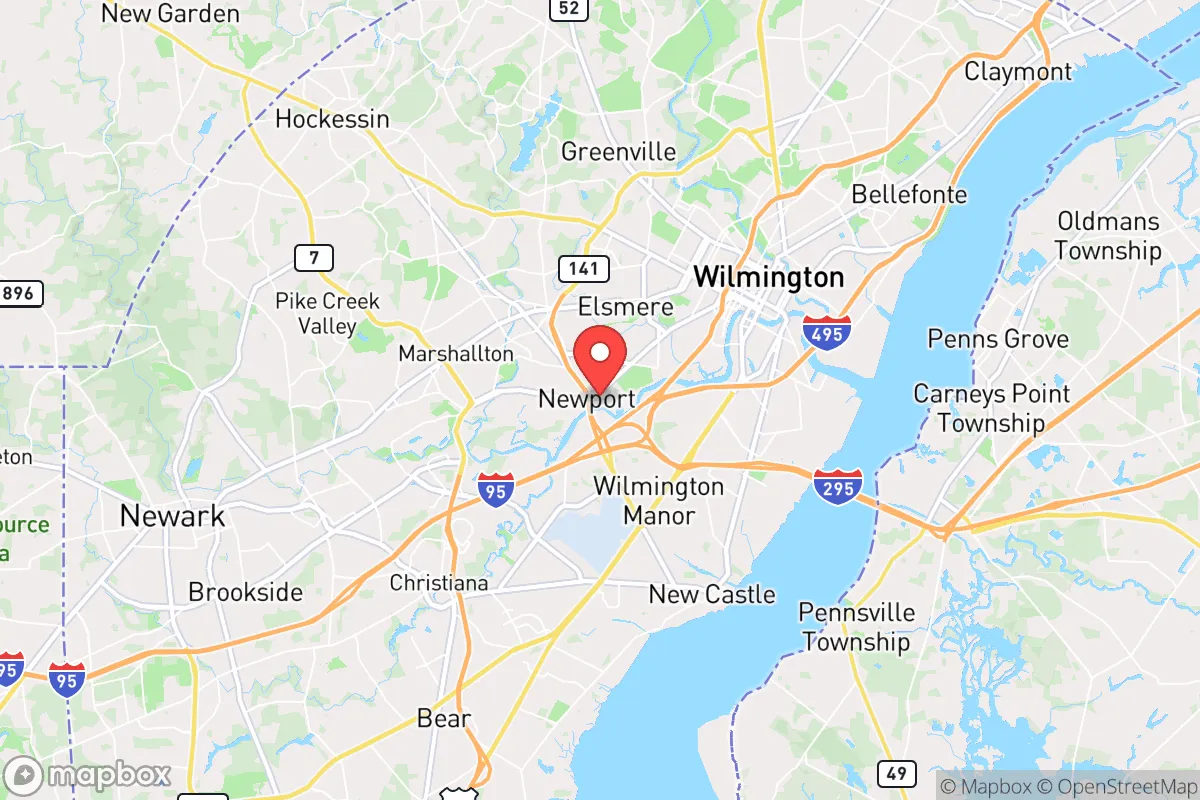
Newport, Delaware, sits in a precarious strategic position that demands a clear-eyed assessment for anyone serious about long-term preparedness. While its location along the I-95 corridor offers immediate logistical advantages for supply runs and potential evacuation, the same proximity to Wilmington, Philadelphia, and the broader Northeast megalopolis introduces severe vulnerabilities that cannot be ignored. For the conservative prepper or survivalist, Newport represents a mixed bag: a potential staging ground with decent infrastructure, but one that sits squarely in the shadow of major population centers that would become chaotic during any widespread disruption.
Geographic position and natural advantages for a prepper
Newport's geography is defined by its position on the Christina River, a tributary of the Delaware River, placing it within a network of waterways that could serve as both a resource and a liability. The area is relatively flat and low-lying, part of the Atlantic Coastal Plain, which means natural defensible high ground is scarce. However, the surrounding region of New Castle County offers a mix of suburban development and agricultural land, with pockets of woodland that could provide limited cover and foraging opportunities. The proximity to the Delaware Bay and Atlantic Ocean, roughly 30-40 miles away, opens up potential maritime escape routes or supply lines if overland travel becomes compromised. The climate is temperate, with four distinct seasons, which allows for year-round gardening and livestock management, though the humid summers can complicate long-term food storage without proper infrastructure. The real natural advantage here is the access to the Delaware River watershed, which, if uncontaminated, could provide a reliable freshwater source, but this is heavily contingent on upstream industrial and municipal activity remaining stable.
Risks, exposures, and proximity to fallout-relevant landmarks
The most glaring risk for Newport is its proximity to major population and industrial targets. Wilmington, just 5 miles to the north, is a significant economic and transportation hub with chemical plants, refineries, and a port. Philadelphia, 30 miles north, is a Tier 1 metropolitan area that would become a humanitarian disaster zone within hours of any major event, sending waves of refugees south along I-95 directly through Newport. The Salem Nuclear Generating Station, located roughly 15 miles southwest in New Jersey, is a critical concern. A containment failure or targeted attack at this facility would place Newport within the potential fallout plume, depending on wind direction. Additionally, the Delaware City Refinery, about 10 miles south, is a high-value industrial target that could release toxic clouds or become a secondary disaster site. The I-95 corridor itself is a double-edged sword: it provides rapid transit but also funnels all traffic from the Northeast through a narrow chokepoint that would gridlock instantly during an evacuation. The nearby Wilmington-Newark metropolitan area, with over 700,000 people, would collapse into resource competition, making any attempt to bug in or bug out from Newport a high-risk proposition.
Practical resilience for a relocator: food, water, energy, and defensibility
For a relocator considering Newport as a base, the practical resilience picture is challenging but not hopeless. Food security is a major concern: the area is not a major agricultural producer, and most food is trucked in via the I-95 supply chain. Local soil is generally fertile, but suburban lot sizes are small, limiting large-scale gardening. Community gardens exist but are vulnerable to looting. Water access is the strongest point—the Christina River and local groundwater wells could be tapped, but surface water would require heavy filtration due to upstream industrial runoff and potential contamination from any disaster. Municipal water treatment plants are a single-point-of-failure risk. Energy independence is a weak spot: the grid is heavily interconnected with the PJM Interconnection, and a regional blackout would leave Newport without power for extended periods. Solar panel installation is feasible but requires upfront investment and south-facing roof space, which many homes lack. Defensibility is poor. Newport is a dense, older suburban town with narrow streets and limited natural barriers. Homes are close together, making perimeter security difficult. The best defensive strategy would be to fortify a single-family home with a basement and reinforced entry points, but the lack of standoff distance from neighbors means any civil unrest would quickly become a neighborhood-level threat. The local police force is small, and during a major event, state and county resources would be overwhelmed by Wilmington and Philadelphia. Medical resilience is a bright spot: ChristianaCare, one of the region's top hospital systems, is based in Newark, about 10 minutes away. However, this hospital would be a primary target for those seeking care, making it a dangerous place to be during a mass casualty event.
The overall strategic picture for Newport is one of calculated risk with a low ceiling for long-term sustainability. It is not a retreat location; it is a forward operating base with decent short-term infrastructure but severe exposure to the cascading failures of the Northeast corridor. For the conservative prepper who values community and local resources, Newport offers a chance to build a network of like-minded individuals in a region that, while vulnerable, has not yet been fully saturated by the political and social trends driving many to relocate. The key is to treat Newport as a temporary hub—a place to stockpile supplies, establish relationships, and monitor the situation before executing a planned relocation to a more defensible rural property in central or southern Delaware, or even further west into Pennsylvania or Maryland. If you are committed to staying, invest heavily in water filtration, off-grid power, and a robust community watch. If you are looking for a true long-term survival location, Newport is a stepping stone, not a destination.

* Values derived from national, state, county, city and local statistics and may differ in a specific area. Last updated: 2026-04-22T10:36:30.000Z
Narrative content on this page is AI-generated and may contain mistakes. Verify any details that matter before acting on them.
ReloMaps may earn a commission from affiliate links at no extra cost to you.

