 Popular
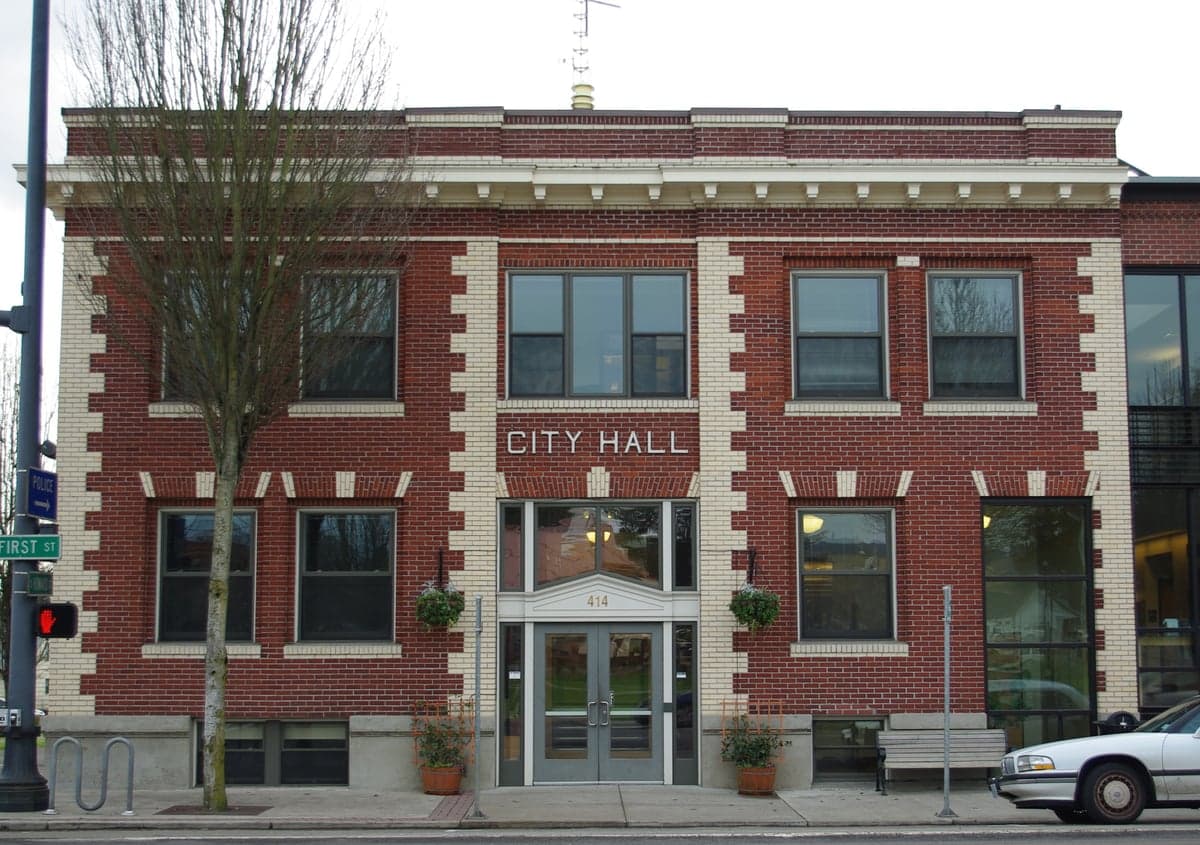
Photo: Wikipedia
Quality of Life in Newberg, OR
A high quality of life with strong walkability, manageable living costs, healthy neighborhood signals, and solid amenity access.
What does Quality of Life tell us?
Quality of Life blends cost of living, nearby amenities, socioeconomic signals, and neighborhood character. City-level scores represent the whole municipality; individual neighborhoods can differ.
What does this tell us?
Quality of Life blends cost of living, nearby amenities, socioeconomic signals, and neighborhood character. City-level scores represent the whole municipality; individual neighborhoods can differ.
Cost of Living
45% above national average
The Real Cost of Living in Newberg, OR for 2026
| Tier | Individual | Family (4) |
|---|---|---|
| Survival | $25k | $47k |
| Comfortable | $85k | $125k |
| Luxury | $125k+ | $193k+ |
| Elite (Top 5%) | $147k+ | $227k+ |
73%
The Area Signal
A metric tracking the socioeconomic signals of the area.
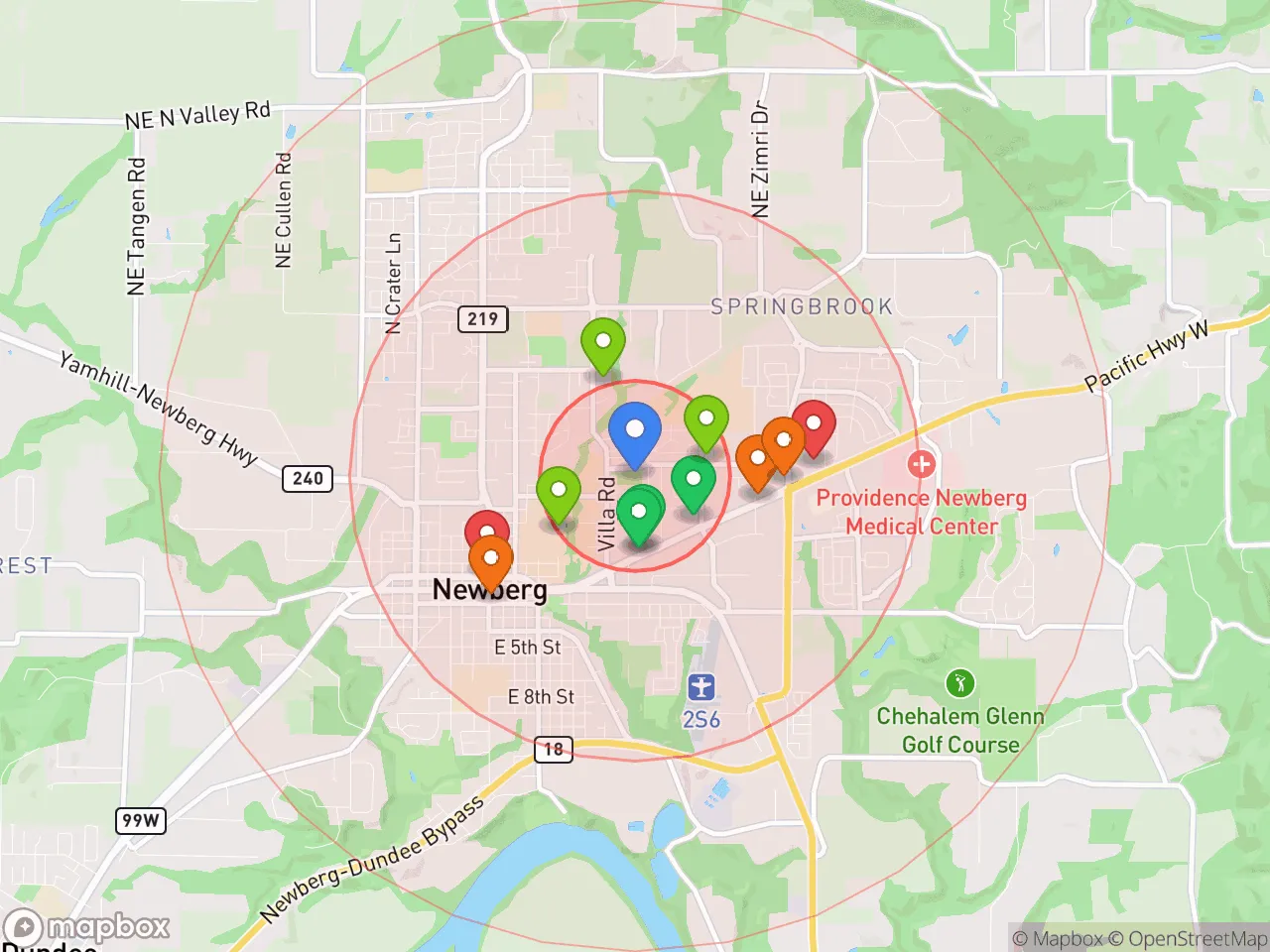
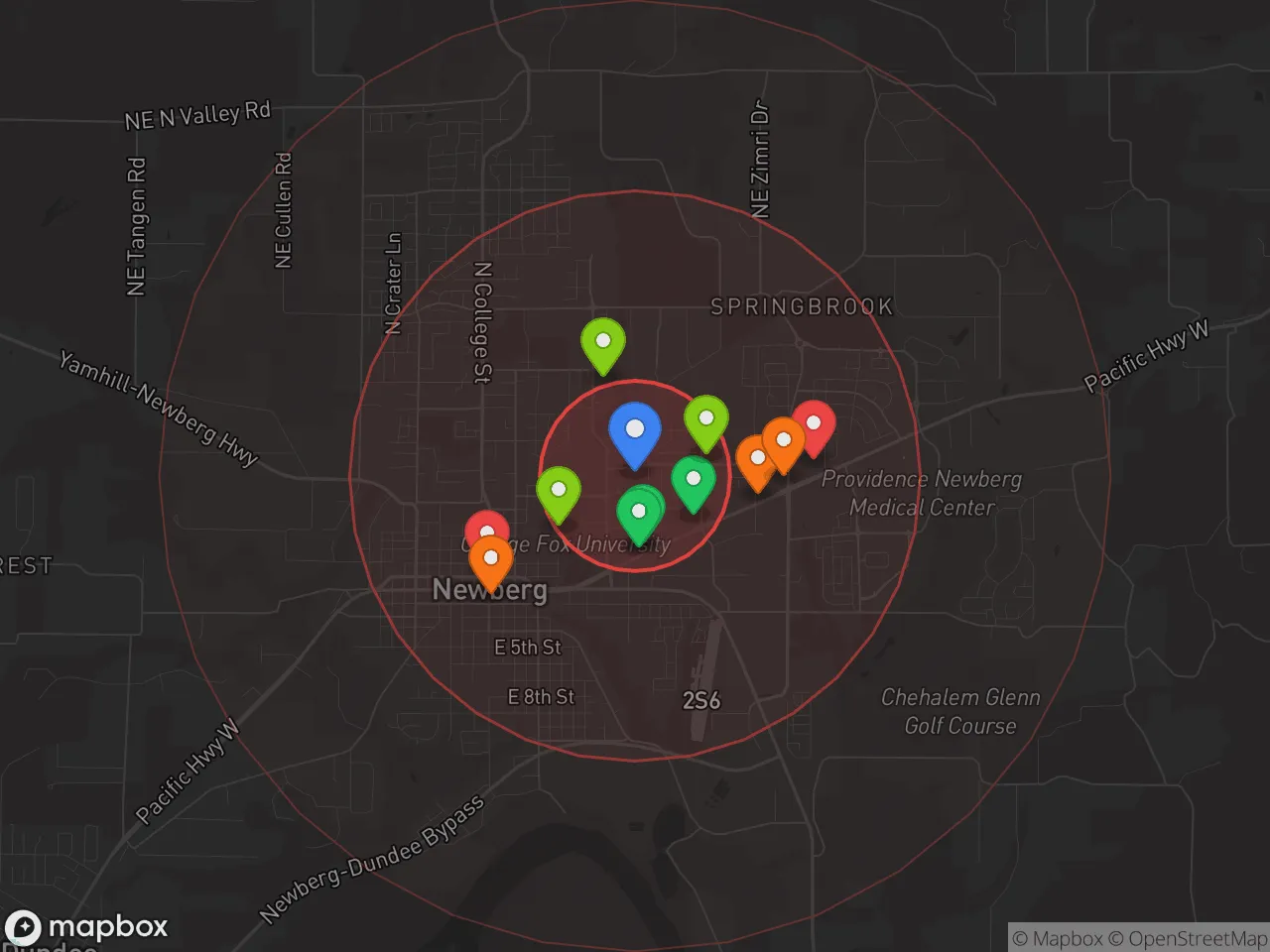
Hobbies
Explore the areaGroceries
6 within 10 miles
Gas
20 within 10 miles
Hospital
16 within 20 miles
Airport
PDX — Portland International
Post Office
USPS — Newberg, OR
Critical Amenities
Quality-of-Life Analysis
Newberg, Oregon, presents a quality of life defined by small-town character and relative affluence, attracting a mix of families, wine-country professionals, and George Fox University faculty. With a cost of living index of 145 (45% above the U.S. average), the city sits at a premium compared to the national norm but remains notably more affordable than Portland’s core suburbs. The population skews toward college-educated homeowners and retirees drawn to the quieter pace of Yamhill County’s wine country, though the presence of the university injects a steady stream of younger residents and cultural events.
Cost of living, housing, and affordability compared to Portland and McMinnville
Newberg’s cost of living is driven primarily by housing, with a median home value of $453,700 — roughly 30% below Portland’s metro median but about 15% higher than nearby McMinnville. Renters face a median rent of $1,562, which is competitive for the region but still 20% above the national average. The city’s housing stock leans toward single-family homes on larger lots, with limited apartment supply, pushing ownership costs upward. For comparison, a similar home in Dundee or Sherwood would cost $50,000–$80,000 more, making Newberg a relative value for those working in the Willamette Valley’s wine industry or commuting to Tualatin. However, the average commute of 27.8 minutes — longer than the national average of 26 minutes — reflects the trade-off: many residents drive to Portland or Hillsboro for higher-paying jobs, absorbing fuel and vehicle costs that further strain budgets. Property taxes in Yamhill County hover around 1.1% of assessed value, slightly below the state average, but income taxes (Oregon’s 9.9% top rate) add a significant layer for higher earners.
What daily life is like for families: schools, amenities, and local rhythm
Daily life in Newberg centers on a walkable downtown anchored by the Chehalem Valley, with a handful of independent restaurants, a farmers market, and the historic Hoover-Minthorn House museum. The Newberg School District serves roughly 5,000 students, with Newberg High School earning a 7/10 on GreatSchools and a strong Advanced Placement program, though district budget constraints have led to larger class sizes in elementary grades. Families rely heavily on the Chehalem Aquatic Center and the extensive network of parks along the Willamette River, including the popular Ewing Young Park. For groceries and errands, most residents drive to the Safeway or Fred Meyer on the south end of town, while specialty shopping requires a 20-minute trip to Tigard. The city’s rhythm is noticeably slower than Portland’s — restaurants close by 9 p.m., and the main street sees little traffic after dark. George Fox University, a private Christian university with 4,000 students, shapes the local calendar with concerts, lectures, and Division III athletics, providing cultural amenities that a town of 24,000 would otherwise lack.
Newberg is best suited for families and professionals who prioritize a safe, tight-knit community over urban nightlife or career density. The city works well for remote workers in tech or creative fields who can absorb the commute trade-off, as well as for wine-industry employees who want to live close to the vineyards of the Chehalem Mountains AVA. Retirees will find the pace comfortable and the medical facilities adequate, with Providence Newberg Hospital handling most routine care. Those seeking a more affordable entry point into Oregon’s wine country, or a quieter alternative to McMinnville’s college-town bustle, will find Newberg a practical fit — provided they can manage the premium housing costs and the 28-minute drive to the nearest major employment hub.

Crime in Newberg, OR
Lower crime rates than 88% of comparable U.S. locations.
Violent CrimeViolent Crime Analysis
Property CrimeProperty Crime Analysis
Crime Analysis
Newberg, Oregon, presents a mixed safety profile that demands careful consideration for potential residents. With a violent crime rate of 306.9 incidents per 100,000 residents and a property crime rate of 2,110.8 per 100,000, the city's overall crime index is higher than the national average. These figures are particularly concerning given Newberg's location within the Portland metropolitan area, where progressive judicial policies in surrounding counties have been linked to reduced incarceration rates and increased recidivism, directly impacting public safety for law-abiding residents.
Crime in context
Newberg's violent crime rate is notably higher than the national median of roughly 250 per 100,000, while its property crime rate significantly exceeds the U.S. average of approximately 1,950 per 100,000. When compared to other Oregon communities of similar size, Newberg falls in the middle tier for violent offenses but ranks higher for property crimes like theft and burglary. The city's proximity to Portland means it is subject to the same regional criminal justice trends, including district attorneys in Multnomah and Washington counties who have implemented progressive prosecution policies—such as declining to charge certain low-level offenses and reducing bail requirements—that critics argue embolden repeat offenders and undermine deterrence. This judicial environment creates a spillover effect, as criminals from the broader metro area may target smaller, less policed communities like Newberg.
What residents experience
For daily life in Newberg, the elevated property crime rate is the most tangible concern. Residents frequently report vehicle break-ins, package thefts from porches, and burglaries of unoccupied homes, particularly in areas near Highway 99W and the downtown core. Violent crime, while less common, includes aggravated assaults and occasional robberies that often involve individuals known to one another rather than random attacks on the public. The progressive legal framework in the region means that even when suspects are arrested, they are often released quickly on reduced bail or diverted into treatment programs rather than facing meaningful jail time. This cycle frustrates victims and leaves neighborhoods feeling vulnerable, as the same individuals may commit multiple offenses before facing any lasting consequences.
Neighborhood-level variation in Newberg is modest but worth noting. The historic district and areas west of Highway 99W tend to see fewer incidents, while the eastern corridor near the Chehalem Valley and apartment complexes along Portland Road report higher concentrations of property crime. Gated communities and newer subdivisions on the city's outskirts generally experience lower crime rates. However, given the regional justice system's leniency, no neighborhood is entirely insulated from the broader safety challenges facing the community. Prospective residents should factor these realities into their relocation decision, particularly if they prioritize a secure environment for their families.
* Values derived from national, state, county, city and local statistics and may differ in a specific area. Last updated: 2026-05-04T23:07:19.000Z
Narrative content on this page is AI-generated and may contain mistakes. Verify any details that matter before acting on them.
ReloMaps may earn a commission from affiliate links at no extra cost to you.

