Photo: Wikipedia
Quality of Life in New York County
A livable area that tracks near national norms for affordability, walkability, and neighborhood health.
What does Quality of Life tell us?
Quality of Life measures an area by evaluating factors like cost of living, nearby amenities, country club access, airport proximity, socioeconomic signals and neighborhood character. For large states, this is a general average — quality of life can vary dramatically between metro areas, suburbs, and rural communities within the same state.
What does this tell us?
Quality of Life measures an area by evaluating factors like cost of living, nearby amenities, country club access, airport proximity, socioeconomic signals and neighborhood character. For large states, this is a general average — quality of life can vary dramatically between metro areas, suburbs, and rural communities within the same state.
Cost of Living
167% above national average
33%
The Real Cost of Living in New York County for 2026
| Tier | Individual | Family (4) |
|---|---|---|
| Survival | $34k | $64k |
| Comfortable | $215k | $317k |
| Luxury | $224k+ | $347k+ |
| Elite (Top 5%) | $386k+ | $598k+ |
Quality-of-Life Analysis
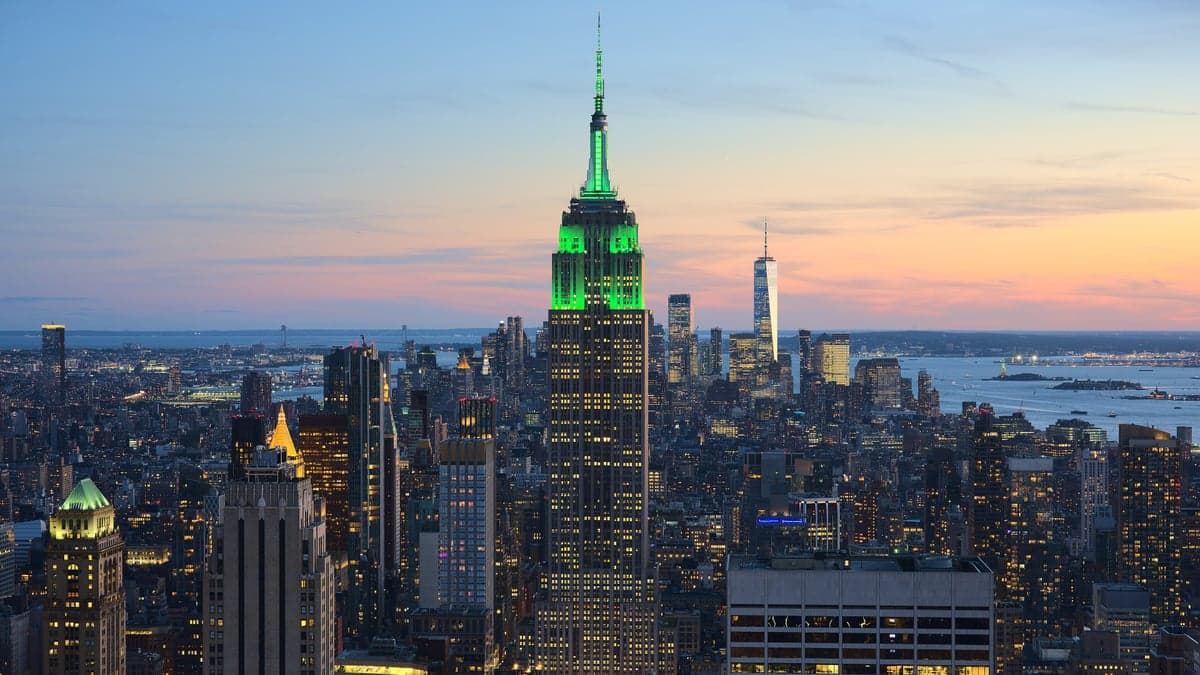
New York County is Manhattan, the densely urban core of New York City, and its quality-of-life options span a spectrum defined not by town size or rural character but by neighborhood density, housing stock, and cultural intensity. The county draws everyone from finance professionals in Midtown towers to artists in East Village walk-ups and families in quieter Upper West Side prewar buildings. While the county contains no rural areas or separate towns, its distinct neighborhoods function as micro-communities with vastly different daily rhythms, costs, and amenities.
Largest town(s) & population centers
Manhattan itself is the sole municipality in New York County, but its population centers are best understood as major neighborhood clusters. Midtown Manhattan, home to corporate headquarters like those at Rockefeller Center and the United Nations, sees the highest daytime density and a constant flow of commuters and tourists. Daily life here is fast-paced, with subway access at nearly every block, but residential options are limited to luxury high-rises and a few older tenement pockets. Lower Manhattan, including the Financial District and Battery Park City, has transformed into a 24/7 residential hub with modern condos, waterfront parks, and easy access to ferries. The average commute across the county is 31.4 minutes, among the shortest in the metro area, thanks to dense subway coverage and walkable block grids. Upper East Side and Upper West Side offer classic prewar apartments, tree-lined streets, and proximity to Central Park and Museum Mile, attracting professionals and families who prioritize cultural institutions and good public schools like P.S. 6 and P.S. 87.
Smaller towns & rural pockets
Manhattan has no rural areas, but several enclaves provide a quieter, more village-like atmosphere. Inwood, at the northern tip of the island, features low-rise housing, Fort Tryon Park, and the Cloisters museum, with a Dominican and Irish community feel distinct from the rest of the borough. Marble Hill, the only part of Manhattan physically connected to the mainland, is a small residential neighborhood of single-family homes and small apartment buildings, often overlooked by newcomers. Battery Park City, built on landfill, functions as a planned community with wide pedestrian paths, parks, and schools like P.S. 89, offering a suburban-like calm within walking distance of Wall Street. Stuyvesant Town and Peter Cooper Village are massive middle-income housing complexes on the East Side, with private courtyards and a strong sense of community, though they are not separate towns.
Cost & lifestyle range
The cost of living index in New York County is 267 (100 = U.S. average), and the median home value is $1,108,900 with median rent at $2,132. However, these averages mask extreme variation. At the high end, neighborhoods like TriBeCa, SoHo, and Central Park South command median home prices above $3 million, with luxury condos, high-end boutiques, and Michelin-starred restaurants. Daily life there involves private gyms, doormen, and proximity to elite private schools. At the more affordable end, Harlem (especially east of Lenox Avenue) and Washington Heights offer median home values closer to $500,000–$700,000, with a vibrant mix of Dominican and African American culture, local bodegas, and access to express subway lines. East Harlem (El Barrio) remains one of the least expensive areas, with older housing stock and a strong community identity. Rent-stabilized apartments in older buildings across the borough keep some units below market rate, but vacancy rates are extremely low. Lifestyle ranges from the 24/7 energy of Times Square to the relative quiet of Murray Hill’s mid-century doorman buildings or the brownstone-lined streets of Greenwich Village.
New York County is best suited for those who thrive on density, public transit, and cultural access, and who can navigate a high cost of living. Families willing to trade space for proximity to world-class schools and parks find stability on the Upper West Side or in Battery Park City. Young professionals and creatives gravitate to the East Village, Williamsburg (just across the river in Brooklyn), or Washington Heights for lower rents and nightlife. Retirees often choose the quiet residential corridors of the Upper East Side or Lenox Hill. The county offers no rural escape, but its neighborhood diversity provides a genuine spectrum of urban living options within a single, intensely compact borough.

Crime in New York County
WARNING: The crime statistics are unreliable for this jurisdiction. Local authorities have either not reported or under reported their data to the FBI. This could be due to bad intentions, incompetence or technical issues. Regardless, we suggest skepticism.
Higher crime rates than 65% of comparable U.S. locations.
Violent CrimeViolent Crime Analysis
Property CrimeProperty Crime Analysis
Crime Analysis
New York County (Manhattan) presents a mixed safety picture, with a violent crime rate of 363.5 per 100,000 residents and a property crime rate of 1,547.4 per 100,000, though neighborhood-level outcomes vary widely and are increasingly shaped by the progressive policies of District Attorney Alvin Bragg. While Manhattan is not among the most dangerous large U.S. counties, its justice system's emphasis on decriminalization and reduced prosecution has produced tangible consequences for public safety that residents and prospective movers should weigh carefully.
Crime in context
* Values derived from national, state, county, city and local statistics and may differ in a specific area. Last updated: 2026-10-12T10:37:03.000Z
Narrative content on this page is AI-generated and may contain mistakes. Verify any details that matter before acting on them.
ReloMaps may earn a commission from affiliate links at no extra cost to you.

