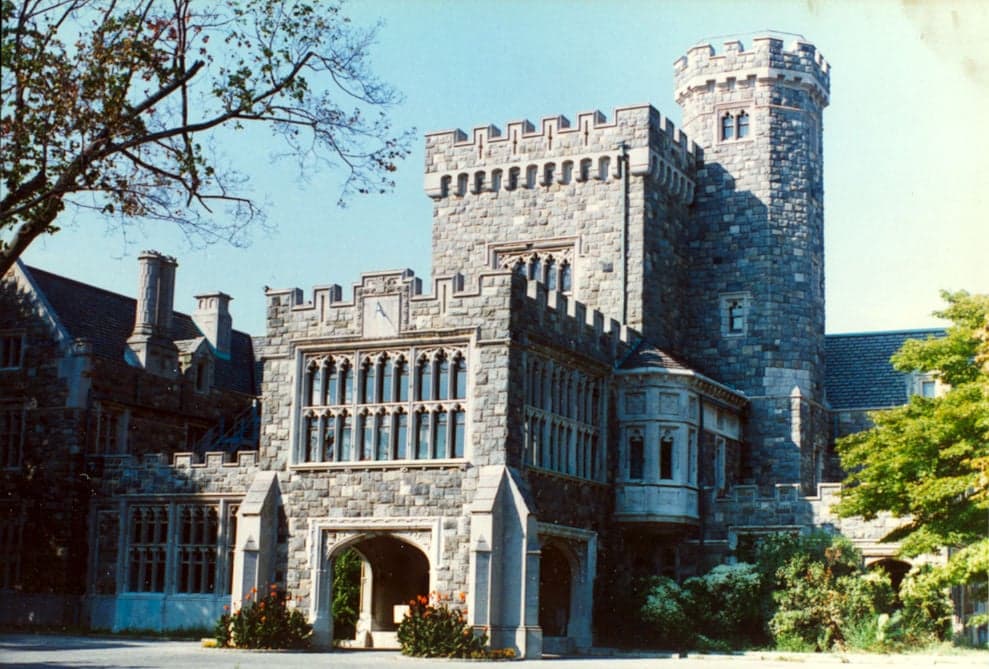
Photo: Wikipedia
Quality of Life in Nassau County
A livable area that tracks near national norms for affordability, walkability, and neighborhood health.
What does Quality of Life tell us?
Quality of Life measures an area by evaluating factors like cost of living, nearby amenities, country club access, airport proximity, socioeconomic signals and neighborhood character. For large states, this is a general average — quality of life can vary dramatically between metro areas, suburbs, and rural communities within the same state.
What does this tell us?
Quality of Life measures an area by evaluating factors like cost of living, nearby amenities, country club access, airport proximity, socioeconomic signals and neighborhood character. For large states, this is a general average — quality of life can vary dramatically between metro areas, suburbs, and rural communities within the same state.
Cost of Living
107% above national average
76%
The Real Cost of Living in Nassau County for 2026
| Tier | Individual | Family (4) |
|---|---|---|
| Survival | $35k | $66k |
| Comfortable | $128k | $188k |
| Luxury | $251k+ | $389k+ |
| Elite (Top 5%) | $295k+ | $457k+ |
Quality-of-Life Analysis
Nassau County, New York, presents a broad spectrum of quality-of-life options, ranging from dense, transit-oriented population centers to quiet, semi-rural enclaves, all within the shadow of New York City. With a cost of living index of 207 (more than double the national average) and a median home value of $658,700, the county primarily attracts professionals and families who prioritize strong public schools, low crime rates, and proximity to Manhattan over affordability. The character of daily life shifts dramatically depending on whether one lives in a walkable downtown hub, a suburban subdivision, or a horse-farm community, making the county a study in contrasts within its 287 square miles.
Largest town(s) & population centers
The county's largest population centers are the towns of Hempstead, North Hempstead, and Oyster Bay, each containing dozens of incorporated villages and hamlets. Hempstead Town, with over 770,000 residents, includes the bustling downtowns of Long Beach (a barrier-island city with a boardwalk and beach culture) and the Village of Hempstead (a diverse, transit-connected hub). Daily life here is defined by walkable commercial strips, frequent Long Island Rail Road service to Penn Station, and a mix of pre-war housing stock and newer apartment complexes. North Hempstead's anchor, Manhasset, is known for the upscale "Miracle Mile" shopping district and some of the county's highest property values, while Great Neck offers a dense, walkable downtown with a large immigrant community and direct express trains to Manhattan. Oyster Bay Town, the largest by land area, contains the historic village of Oyster Bay itself (a waterfront hamlet with a working harbor) and the bustling Hicksville, a major transit and commercial hub with a median commute of roughly 36 minutes. These centers share a common thread: residents trade high housing costs for short commutes (the county average is 36 minutes) and access to top-tier public schools like those in Jericho, Syosset, and Great Neck.
Smaller towns & rural pockets
Despite its suburban reputation, Nassau retains genuine rural pockets, particularly in the eastern reaches of Oyster Bay Town and the North Shore's "Gold Coast." The hamlet of Old Brookville, for example, is a sparsely populated area of large estates and horse farms, with no downtown and a density of fewer than 200 people per square mile. Nearby Muttontown and Upper Brookville are similarly rural, featuring winding roads, wooded lots, and zoning that prohibits sidewalks and streetlights. On the South Shore, the unincorporated hamlet of Merrick offers a quieter, family-oriented beach community with canals and waterfront homes, while the Five Towns area (Lawrence, Cedarhurst, Woodmere, Hewlett, Inwood) provides a tight-knit, walkable village feel with a strong Orthodox Jewish community. These smaller towns lack the commercial density of Hempstead or Hicksville but offer residents larger lots, lower traffic volumes, and a sense of seclusion that is rare within 30 miles of Manhattan. The median rent of $2,195 can still be found in older garden apartments in these areas, though single-family homes in the rural pockets typically exceed the county median of $658,700.
Cost & lifestyle range
The cost and lifestyle spread across Nassau County is stark. At the high end, the North Shore villages of Brookville, Old Westbury, and Kings Point feature median home values well above $1.5 million, with large estates, private schools, and country clubs like the Creek Club and Piping Rock Club. These areas offer a semi-rural, gated lifestyle with minimal commercial activity and a reliance on cars. At the more affordable end, communities like Roosevelt, Uniondale, and parts of Hempstead Village have median home values closer to $400,000–$500,000, with higher rental availability and more diverse housing stock, including multi-family homes and apartment complexes. The lifestyle in these areas is more urban: denser, more walkable to bus lines and train stations, and with a higher proportion of renters (the countywide median rent is $2,195). The commute from Roosevelt to Penn Station averages 35 minutes, while from Old Westbury it can exceed 45 minutes due to limited transit options. The county's cost of living index of 207 reflects this range: a family in a $400,000 home in Roosevelt pays significantly less in property taxes than one in a $1.5 million estate in Brookville, but both face the same high county sales tax (8.625%) and utility costs.
Nassau County is best suited for professionals and families who prioritize school quality, commute speed, and safety above all else, and who have the income to support a cost of living double the national average. Those seeking a dense, transit-oriented lifestyle will find it in the downtowns of Long Beach, Great Neck, and Hicksville, while those desiring space, privacy, and a rural feel can find it in the horse-country hamlets of the North Shore. The county's strength is its variety: a resident can live on a working farm in Muttontown and be at a Broadway show in under an hour, or live in a walk-up in Hempstead Village and have a beach day in Jones Beach State Park in 15 minutes. The trade-off is cost, and the county's median home value of $658,700 and rent of $2,195 ensure that only upper-middle-class and wealthy households can comfortably access its full range of options.

Crime in Nassau County
WARNING: The crime statistics are unreliable for this jurisdiction. Local authorities have either not reported or under reported their data to the FBI. This could be due to bad intentions, incompetence or technical issues. Regardless, we suggest skepticism.
Higher crime rates than 62% of comparable U.S. locations.
Violent CrimeViolent Crime Analysis
Property CrimeProperty Crime Analysis
Crime Analysis
Nassau County, New York, presents a mixed safety profile that is heavily influenced by its proximity to New York City and the policies of its local justice system. With a violent crime rate of 331.5 per 100,000 residents and a property crime rate of 1,323.4 per 100,000, the county is safer than many urban cores but faces challenges that are exacerbated by progressive criminal justice reforms. Residents in communities like Garden City and Manhasset generally experience lower crime rates, while areas such as Hempstead and Uniondale see higher incident concentrations, particularly in property and gang-related offenses.
Crime in context
Nassau County’s violent crime rate of 331.5 per 100,000 is notably lower than New York State’s average of 380 per 100,000 and well below the national rate of 380 per 100,000 (2023 FBI data). However, the county’s property crime rate of 1,323.4 per 100,000 sits slightly above the state average of 1,200 per 100,000, driven largely by theft and burglary in transit-adjacent towns. The Nassau County Police Department (NCPD) has a strong presence, but recent shifts toward bail reform and reduced prosecution for non-violent offenses have raised concerns about recidivism. Towns like Long Beach and Freeport report higher property crime rates due to their dense populations and easy access to the Long Island Rail Road, which facilitates quick getaways. In contrast, Oyster Bay and Jericho consistently rank among the safest areas, with violent crime rates below 200 per 100,000.
What residents experience
Daily life in Nassau County is generally safe, but residents express growing unease about property crimes like package theft, car break-ins, and retail theft, particularly in shopping corridors like Roosevelt Field in Garden City and Sunrise Mall in Massapequa. The county’s progressive district attorney, Anne Donnelly (elected in 2021), has faced criticism for a lenient approach to repeat offenders, with Hempstead Village seeing a 15% increase in larceny cases since 2022. Violent crime, while less common, is concentrated in specific neighborhoods: Hempstead and Uniondale account for roughly 30% of the county’s aggravated assaults and robberies, often linked to gang activity. Residents in these areas report feeling less secure after dark, while those in Port Washington and Great Neck describe a more suburban, low-crime environment. The NCPD’s response times average 8 minutes in affluent areas but stretch to 15 minutes in higher-crime zones, a disparity that fuels frustration.
Neighborhood-level variation is stark. In Hempstead, the violent crime rate exceeds 500 per 100,000, driven by poverty and dense housing, while Garden City and Manhasset hover around 150 per 100,000. Property crime follows a similar pattern: Freeport and Long Beach report rates above 1,500 per 100,000, whereas Jericho and Oyster Bay stay below 900 per 100,000. The progressive judicial philosophy in Nassau County—emphasizing diversion programs and reduced incarceration—has been linked to higher recidivism in areas like Hempstead, where 40% of property crime arrests are repeat offenders. For families and professionals considering relocation, Garden City, Manhasset, and Jericho offer the strongest safety records, while Hempstead and Uniondale require careful vetting of specific blocks and school zones. Overall, Nassau County remains a relatively safe suburban choice, but its progressive justice policies create pockets of risk that demand attention.
* Values derived from national, state, county, city and local statistics and may differ in a specific area. Last updated: 2026-05-12T07:33:07.000Z
Narrative content on this page is AI-generated and may contain mistakes. Verify any details that matter before acting on them.
ReloMaps may earn a commission from affiliate links at no extra cost to you.

