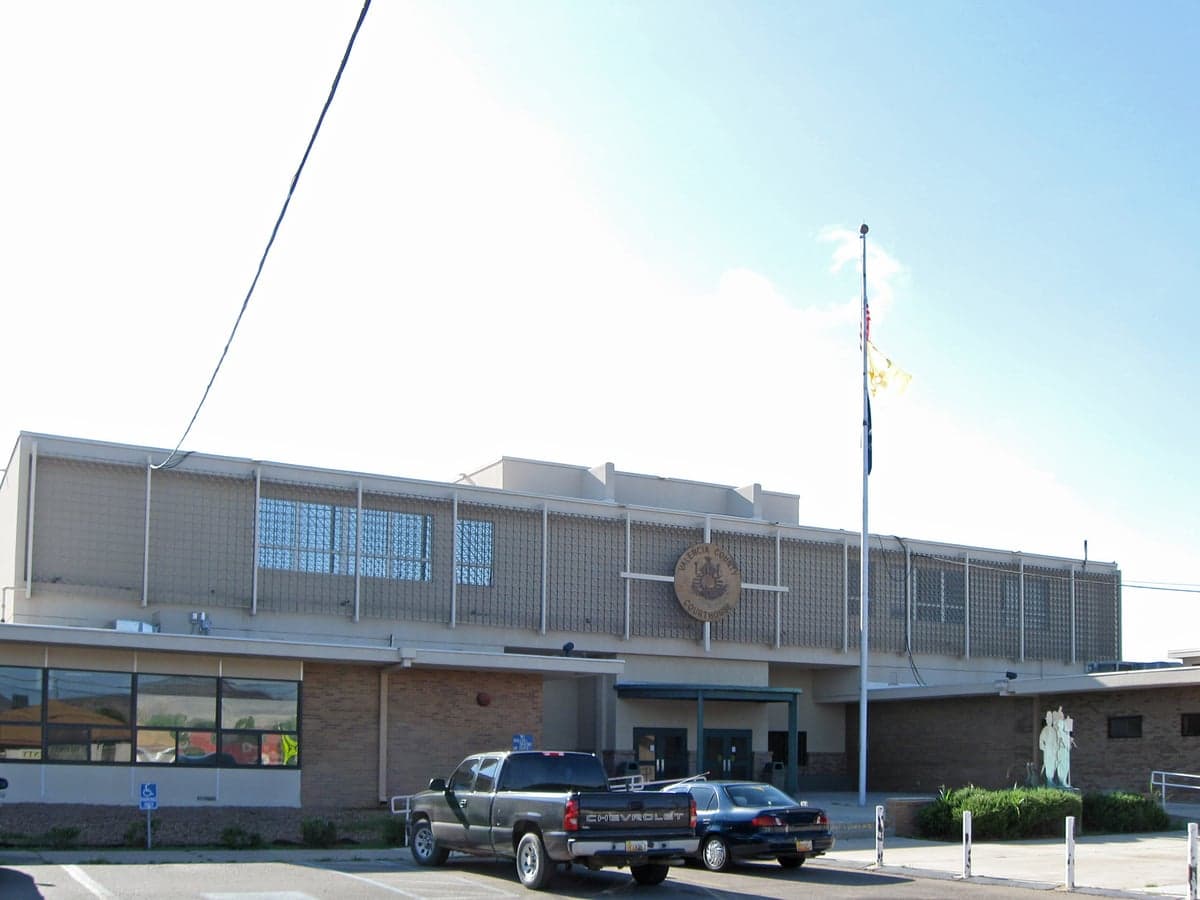
Photo: Wikipedia
Strategic Assessment of Valencia County
Meaningful friction. Expect exposure to either population pressure, blast zones, or natural disaster risk. Consider buying a retreat property.
What does the Strategic Assessment tell us?
Our Strategic Assessment grades tactical survivability of an area. Major population centers, military targets, fallout zones, natural disasters, and border exposure all drive risk — lower exposure means a more defensible position in a crisis.
This is heavily inspired by Joel Skousen's Strategic Relocation book. Highly recommended you checkout the book ($)What does this tell us?
Our Strategic Assessment grades tactical survivability of an area. Major population centers, military targets, fallout zones, natural disasters, and border exposure all drive risk — lower exposure means a more defensible position in a crisis.
This is heavily inspired by Joel Skousen's Strategic Relocation book. Highly recommended you checkout the book ($)Strategic Pillars

Key Distances
Strategic Assessment Analysis
Valencia County, New Mexico, sits in a strategic sweet spot that resilience-minded relocators rarely find: close enough to Albuquerque for logistics and medical access, yet far enough to avoid the chaos of a major urban collapse. The county’s position along the Rio Grande and Interstate 25 gives it a natural corridor for movement and resources, while its low population density—roughly 77,000 people spread across 1,068 square miles—means you’re not packed in with millions when things go sideways. For a conservative-leaning individual or family looking to weather civic unrest, supply chain disruptions, or larger disasters, this area offers a blend of isolation and connectivity that’s hard to beat in the Southwest.
Geographic position and natural advantages for long-term stability
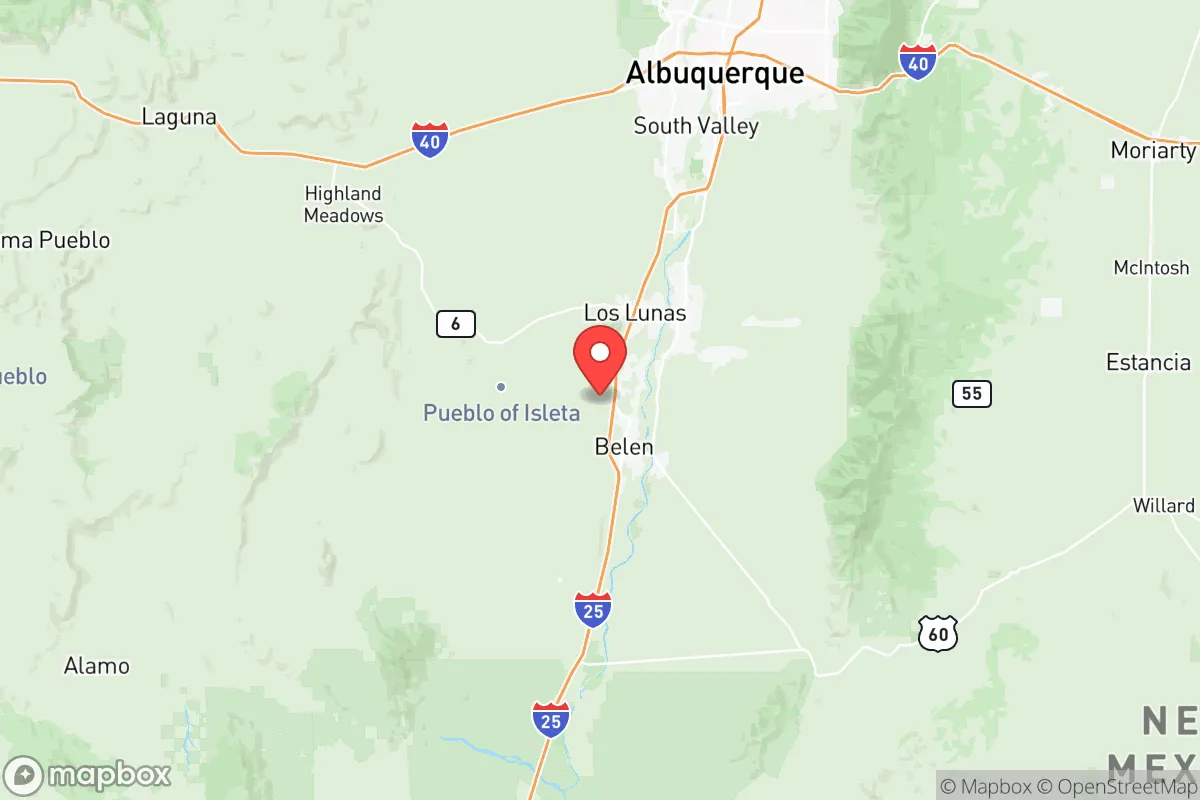
Valencia County sits about 30 miles south of Albuquerque, with the Manzano Mountains rising to the east and the Rio Grande cutting through its heart. The county seat, Los Lunas, and the larger town of Belen form the population core, but most of the land is open desert, farmland, and ranch country. This geography provides several hard advantages. The Rio Grande gives a reliable surface water source—critical in a region where drought is the norm—and the surrounding acequias (irrigation ditches) have been used for centuries to sustain crops. The elevation, around 4,800 feet, keeps summers hot but dry, and winters cold but manageable, meaning you’re not dealing with the extreme heat of Phoenix or the humidity of the Gulf Coast. The Manzanos offer timber, game, and defensible high ground if you need to bug out from the valley floor. For a prepper, the ability to grow food, access water, and retreat to higher terrain is a baseline requirement, and Valencia County delivers on all three.
Risks, exposures, and proximity to fallout-relevant landmarks
No place is a fortress, and Valencia County has its share of vulnerabilities. The biggest risk is its proximity to Albuquerque’s Sandia National Laboratories and Kirtland Air Force Base, both about 40 miles north. These are high-value targets in any major conflict or terrorist scenario—Sandia handles nuclear weapons research, and Kirtland hosts the Air Force’s nuclear weapons storage. A direct hit on either would send fallout drifting south with prevailing winds, potentially contaminating the Rio Grande valley. The county also sits near the Interstate 25 corridor, which runs straight to the Texas border and on to El Paso, a major military hub with Fort Bliss. In a national emergency, that highway becomes a chokepoint for refugees and military convoys, not a friendly route. Closer to home, the Belen rail yard is a major freight hub for the Southwest, meaning it could be a target for sabotage or a magnet for looters during supply chain breakdowns. The county’s oil and gas infrastructure—pipelines and storage tanks near the Rio Grande—adds another layer of risk: a rupture or attack could contaminate water supplies for miles. For a relocator, these are not deal-breakers, but they demand planning. You want to be east of the river, closer to the mountains, and far from the rail yard and main highways if things go hot.
Practical resilience for a relocator: food, water, energy, and defensibility
Valencia County’s practical resilience comes down to three things: water, land, and community. The Rio Grande and its associated groundwater provide a year-round supply, but you’ll need your own well or a legal water right—municipal systems are fragile in a grid-down scenario. The county’s agricultural history means there are working farms and ranches, particularly around Belen and the smaller community of Bosque Farms, where you can buy produce, livestock, and seeds locally. The acequia system is a centuries-old model of cooperative water management, and joining a local acequia association gives you a built-in network of neighbors who understand self-reliance. For energy, the high desert sun is a gift: solar panels work well here, and the county has no zoning restrictions that would prevent you from going off-grid. Wind is less reliable, but supplemental. Defensibility is mixed. The valley floor is open and exposed, but the Manzano foothills offer terrain that’s hard to approach without being seen. A property with a well, solar, and a view of the valley gives you early warning of anyone coming up the I-25 corridor. The local population skews older and more conservative, with a strong Hispanic and Native American heritage that values land and family over government dependency. That’s the kind of community that pulls together in a crisis, not one that panics and flees.
The overall strategic picture for Valencia County is one of calculated trade-offs. You’re not in a remote mountain redoubt—you’re within an hour of a major city and its associated risks. But you’re also within an hour of open country, water, and a community that knows how to live without a grocery store. For a conservative relocator who wants to be prepared for the worst while still having access to a hospital, a hardware store, and a school district, this county is a solid bet. The key is to buy east of the river, get your own water and power sorted, and build relationships with the locals before you need them. Valencia County won’t save you from a direct nuclear strike on Albuquerque, but it will give you a fighting chance at everything else—and in the world we’re looking at, that’s more than most places can offer.

* Values derived from national, state, county, city and local statistics and may differ in a specific area. Last updated: 2026-05-12T01:14:09.000Z
Narrative content on this page is AI-generated and may contain mistakes. Verify any details that matter before acting on them.
ReloMaps may earn a commission from affiliate links at no extra cost to you.

