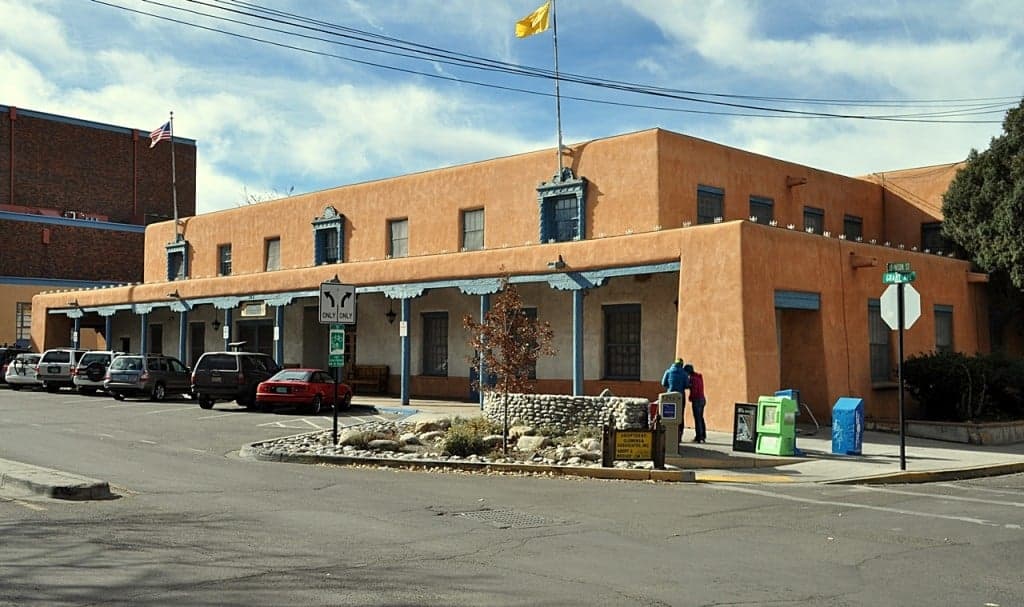
Photo: Wikipedia
Quality of Life in Santa Fe County
A livable area that tracks near national norms for affordability, walkability, and neighborhood health.
What does Quality of Life tell us?
Quality of Life measures an area by evaluating factors like cost of living, nearby amenities, country club access, airport proximity, socioeconomic signals and neighborhood character. For large states, this is a general average — quality of life can vary dramatically between metro areas, suburbs, and rural communities within the same state.
What does this tell us?
Quality of Life measures an area by evaluating factors like cost of living, nearby amenities, country club access, airport proximity, socioeconomic signals and neighborhood character. For large states, this is a general average — quality of life can vary dramatically between metro areas, suburbs, and rural communities within the same state.
Cost of Living
27% above national average
63%
The Real Cost of Living in Santa Fe County for 2026
| Tier | Individual | Family (4) |
|---|---|---|
| Survival | $21k | $40k |
| Comfortable | $81k | $119k |
| Luxury | $135k+ | $209k+ |
| Elite (Top 5%) | $178k+ | $275k+ |
Quality-of-Life Analysis
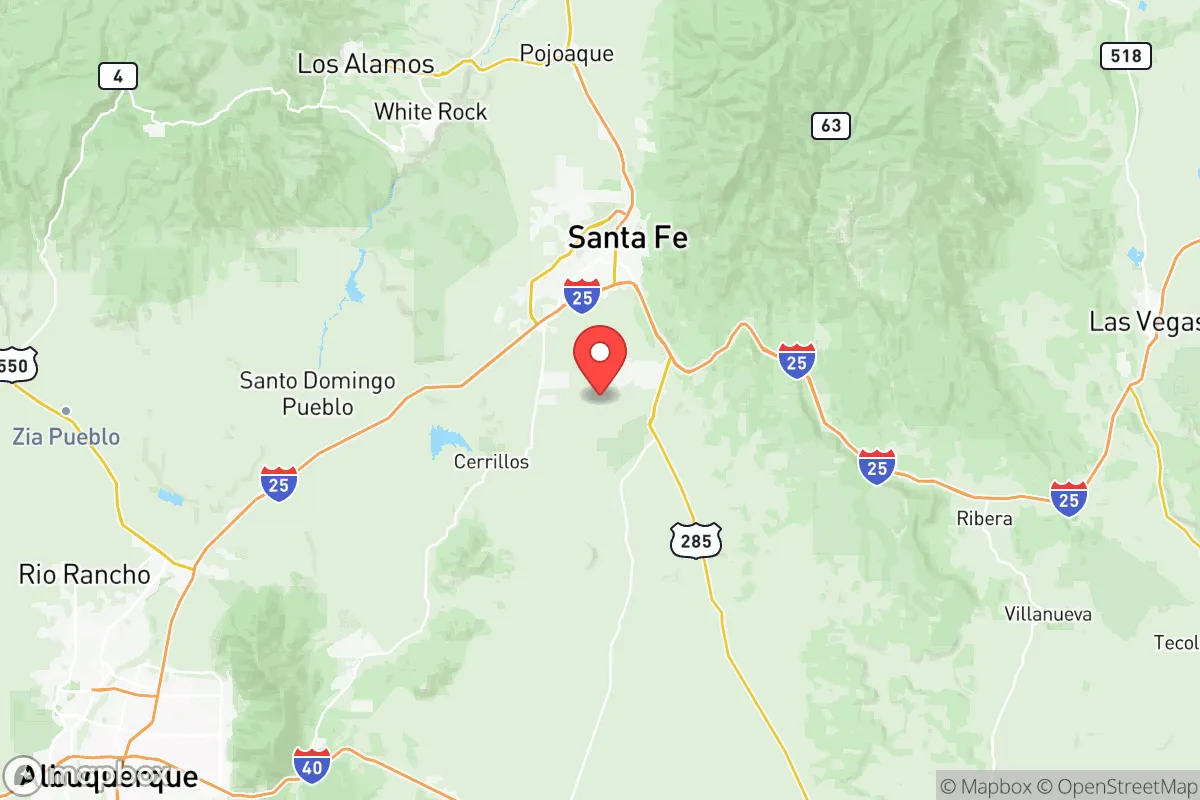
Santa Fe County offers a lifestyle spectrum that ranges from the vibrant, culturally packed city of Santa Fe to quiet historic villages and sprawling rural homesteads. The county's character shifts markedly with location: the central corridor around the state capital is dense, arts-driven, and tourism-oriented, while the outlying pockets like Madrid, Edgewood, and the Galisteo Basin appeal to those seeking space, privacy, or small-town authenticity. The county's cost of living index sits at 127 (27% above the U.S. average), with a median home value of $416,900 and median rent of $1,318, figures that reflect the premium placed on the Santa Fe metro area while leaving some room for lower-cost alternatives farther out.
Largest town(s) & population centers
The undisputed center of gravity is the city of Santa Fe, the county seat and state capital, home to roughly 87,000 residents. Daily life here revolves around a dense mix of state government offices, art galleries, museums, and a thriving culinary scene centered on the historic Plaza and Canyon Road. The commute average for the county is 23.3 minutes, a figure pulled down by short trips within the city; many workers live in the urban core or nearby suburbs like Eldorado at Santa Fe, an unincorporated master-planned community of about 6,000 people that functions as a bedroom suburb with direct access to hiking trails and schools. Other population clusters include the Pojoaque Pueblo area (with its casino-hotel complex and shopping center) and Edgewood, a town of roughly 4,000 straddling the county’s eastern border near Interstate 40, which serves as a lower-cost alternative for commuters heading to Santa Fe or Albuquerque.
Smaller towns & rural pockets
Beyond the city and its immediate suburbs, Santa Fe County holds an array of distinctive small communities. Madrid, a former coal-mining town turned artist enclave, has fewer than 200 year-round residents and is known for its restored storefronts, galleries, and seasonal events like the Madrid Christmas Lights. Nearby Los Cerrillos, also a mining ghost town reborn as a tourist stop, offers a handful of historic buildings and a quiet, rural pace. On the southeastern side, Galisteo is a tiny village of historic adobes and ranch lands that attracts artists and second-home owners. Lamy, the county’s Amtrak stop, is another unincorporated community with a small post office and a handful of homes. Glorieta, just east of Santa Fe, mixes suburban subdivisions with open rangeland and hosts the Glorieta Adventure Camps campus. These areas lack comprehensive shopping and services beyond a general store or café, so residents typically drive 15–30 minutes into Santa Fe for groceries, healthcare, and employment.
Cost & lifestyle range
The county’s cost of living varies most sharply with distance from Santa Fe city limits. Inside the city and its immediate edge, a median home commands $416,900 and rents average $1,318, and properties in historic neighborhoods or with mountain views easily exceed $700,000. Moving east toward Edgewood and the county line, home prices drop 10–20% relative to the city, while still remaining above state averages. The most affordable pocket within the county is generally the Edgewood–Stanley area, where older ranch-style homes and manufactured housing can be found in the mid-$200,000s, though inventory is limited. At the high end, luxury estates in the Bishop’s Lodge area north of the Plaza and large acreage parcels along the Turquoise Trail (Highway 14 between Santa Fe and Madrid) routinely sell for over $1 million. Outdoor amenities like the Sangre de Cristo mountains, the Santa Fe National Forest, and the Galisteo Basin are accessible from every part of the county, but access to employment, restaurants, and entertainment expands dramatically within Santa Fe’s city limits.
Santa Fe County attracts those who can work with the elevated cost of living—particularly remote professionals, state employees, retirees, and second-home buyers—in exchange for a setting that blends creative culture with high-desert landscapes. The county works best for people who either live and work in the city (where wages are often above national averages) or who can carry a remote salary into a quieter rural property. Families seeking strong public schools and lower housing costs often look to Edgewood or Pojoaque, while artists and solitude seekers are drawn to Madrid, Galisteo, or the remote properties along the Turquoise Trail. The county offers a distinct choice: the urban amenities of a historic capital or the rural quiet of a high-desert village—and shifts seamlessly between the two along a 20-minute drive.

Crime in Santa Fe County
Higher crime rates than 67% of comparable U.S. locations.
Violent CrimeViolent Crime Analysis
Property CrimeProperty Crime Analysis
Crime Analysis
Santa Fe County presents a mixed safety landscape, where crime rates significantly exceed national averages but remain slightly below the elevated statewide figures that define New Mexico. The county recorded a violent crime rate of 603.2 per 100,000 residents and a property crime rate of 2,191.9 per 100,000 in the most recent reporting period, placing it roughly in the middle tier of New Mexico’s 33 counties. These numbers reflect a community grappling with the same systemic issues—poverty, substance abuse, and a strained justice system—that drive crime across the region, but they also mask sharp differences between the urban core of Santa Fe city and its outlying communities.
Crime in context
Compared to the United States as a whole, Santa Fe County’s violent crime rate is nearly 60 percent higher than the national average of roughly 380 per 100,000, while its property crime rate sits about 12 percent above the U.S. figure. Against New Mexico’s statewide violent crime rate of approximately 780 per 100,000 and property crime rate near 2,500 per 100,000, the county fares somewhat better—softer than hotspots like Bernalillo County (Albuquerque) or McKinley County, but notably higher than safer pockets such as Los Alamos County, which borders Santa Fe to the north. The county’s crime profile is shaped by its role as a regional hub for tourism, government, and the arts, which draws both visitors and opportunistic theft, while the opioid and methamphetamine crises drive much of the property and drug-related offenses. A key variable is the local justice philosophy: Santa Fe County is served by the First Judicial District, overseen by an elected District Attorney who has emphasized progressive, reform-oriented policies such as pretrial diversion and reduced incarceration for nonviolent offenders. While intended to lower recidivism and address root causes, critics argue these liberal-leaning prosecution strategies contribute to a revolving-door effect, emboldening repeat property criminals and leaving victims feeling underserved by the system.
What residents experience
Property crime is the most tangible daily concern for residents and businesses alike. Larceny-theft, motor vehicle theft, and burglary dominate the incident logs, with the city of Santa Fe itself accounting for the bulk of reports—particularly in the downtown Plaza area, the Railyard district, and along Cerrillos Road, where transient populations and commercial density intersect. Car break-ins and catalytic converter thefts are common complaints, often targeting tourist-heavy parking lots and apartment complexes. Violent crime, while statistically less frequent than property offenses, carries real weight: aggravated assault makes up the majority of violent incidents, with a smaller but notable number of robberies and a handful of homicides each year. The county’s domestic violence rate is also elevated, reflecting a statewide pattern. For daily life, these numbers mean that residents in the urban core regularly take precautions—locking vehicles, installing security cameras, and avoiding isolated areas after dark—while those in outlying suburbs experience a different, quieter reality. The presence of a liberal DA who has publicly opposed mandatory minimums and backed pre-prosecution intervention programs is a point of contention; supporters cite fairness and reduced jail populations, but detractors point to repeat property offenders cycling through the system without meaningful consequences.
Neighborhood-level variation within Santa Fe County is pronounced and well-documented. Eldorado, an unincorporated community of roughly 6,000 south of the city, consistently records far lower violent and property crime rates than the county average, buoyed by higher median incomes and strong neighborhood watch participation. Edgewood, straddling the Santa Fe/Bernalillo county line, similarly enjoys below-average crime figures, appealing to commuters who work in Albuquerque but want a more rural feel. Conversely, areas immediately north of the city—such as Pojoaque and Chimayó—experience elevated property crime tied to poverty and isolation, though violent crime there remains sporadic. The village of Pecos, east of Santa Fe, sees seasonal fluctuations driven by tourism to the Pecos National Historical Park and the adjacent national forest, with property crime peaking during summer months. For anyone relocating to Santa Fe County, choosing a community east or south of the city limits—especially in Eldorado or Edgewood—dramatically reduces exposure to the county’s highest-crime zones, while living in central Santa Fe requires vigilance and awareness of the justice system’s limitations under a reform-oriented District Attorney.
* Values derived from national, state, county, city and local statistics and may differ in a specific area. Last updated: 2026-05-28T04:57:34.000Z
Narrative content on this page is AI-generated and may contain mistakes. Verify any details that matter before acting on them.
ReloMaps may earn a commission from affiliate links at no extra cost to you.

