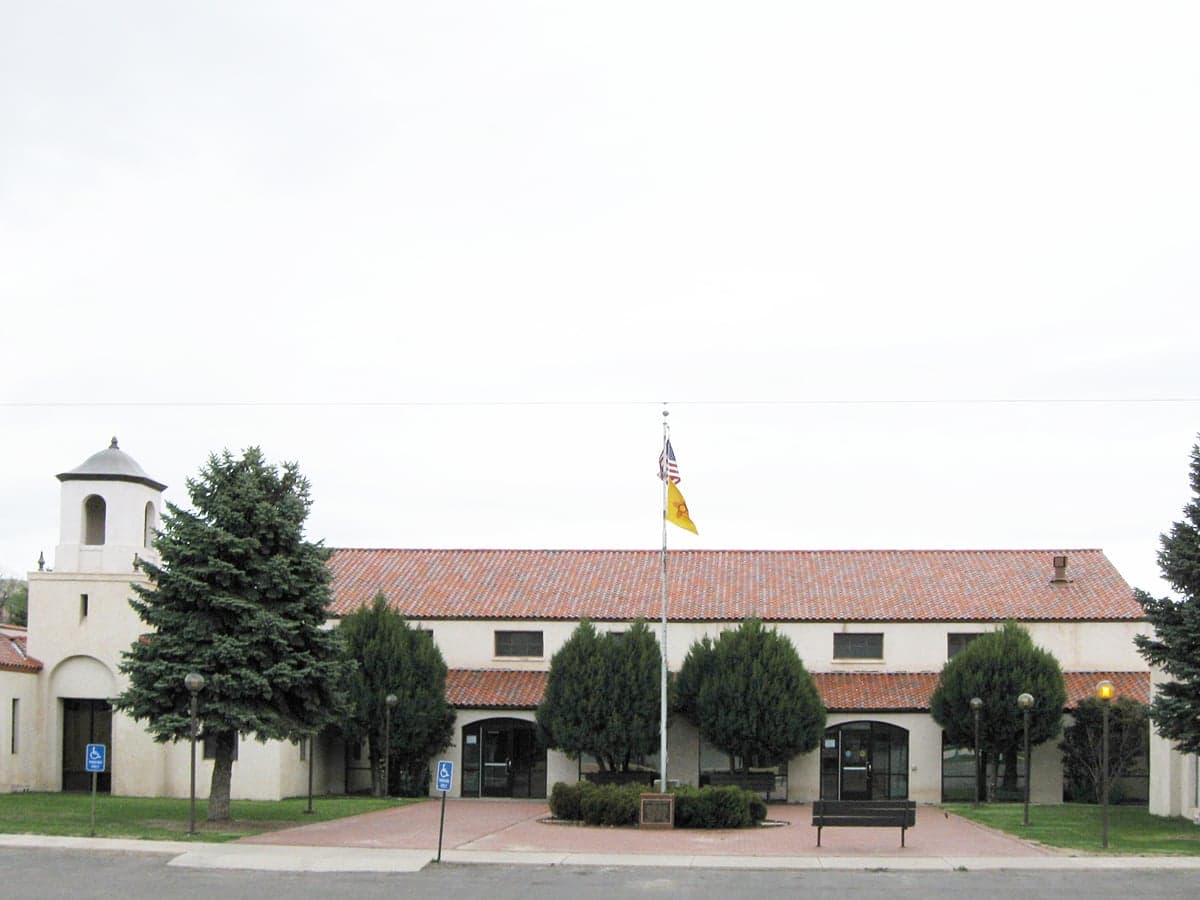
Photo: Wikipedia
Quality of Life in Cibola County
A livable area that tracks near national norms for affordability, walkability, and neighborhood health.
What does Quality of Life tell us?
Quality of Life measures an area by evaluating factors like cost of living, nearby amenities, country club access, airport proximity, socioeconomic signals and neighborhood character. For large states, this is a general average — quality of life can vary dramatically between metro areas, suburbs, and rural communities within the same state.
What does this tell us?
Quality of Life measures an area by evaluating factors like cost of living, nearby amenities, country club access, airport proximity, socioeconomic signals and neighborhood character. For large states, this is a general average — quality of life can vary dramatically between metro areas, suburbs, and rural communities within the same state.
Cost of Living
46% below national average
151%
The Real Cost of Living in Cibola County for 2026
| Tier | Individual | Family (4) |
|---|---|---|
| Survival | $12k | $22k |
| Comfortable | $23k | $34k |
| Luxury | $90k+ | $139k+ |
| Elite (Top 5%) | $105k+ | $163k+ |
Quality-of-Life Analysis
Cibola County offers one of New Mexico’s widest quality-of-life spectrums, from the modest commercial hub of Grants to remote, unincorporated communities like Pie Town and Fence Lake. The county’s overall cost of living index is 54 — roughly half the national average — while median home values sit at $120,000 and median rent at $724. This dramatic affordability, combined with an average commute of just 22.9 minutes even in far-flung areas, attracts a mix of retirees, remote workers, Pueblo community members, and outdoor enthusiasts who prioritize space and solitude over urban amenities.
Largest town(s) & population centers
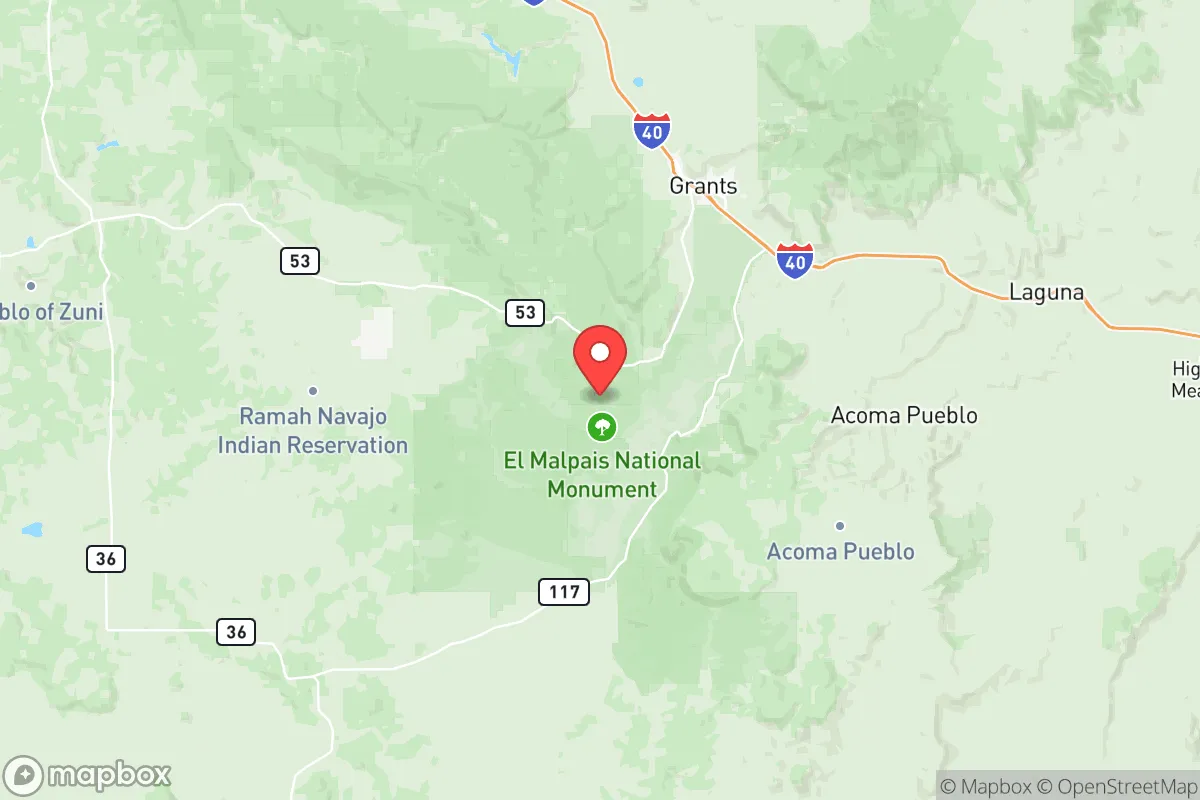
Grants is the county’s primary population center, with roughly 9,000 residents and the most concentrated set of services in the region. Daily life in Grants revolves around a small downtown with grocery stores, a Walmart, a hospital (Cibola General Hospital), and a handful of locally owned restaurants and cafes. The town sits near the base of Mount Taylor and functions as a gateway for hiking, hunting, and skiing. Neighboring Milan, just north of Grants, is a more residential extension with slightly lower home prices and a quieter feel; together the two towns account for the majority of the county’s retail, health care, and school options. The nearby Laguna and Acoma Pueblos add cultural depth — events, tribal governance, and a growing tourism draw around Sky City — but the day-to-day pace remains unhurried. Residents here appreciate the cost advantages: a median home in Grants can be purchased for well under $130,000, and two-bedroom rentals consistently fall below $750.
Smaller towns & rural pockets
Outside the Grants-Milan corridor, Cibola County’s smaller communities define a radically different lifestyle. Ramah, on the county’s western edge near the Arizona border, is a tiny unincorporated community (population under 200) surrounded by national forest and the Ramah Navajo Chapter. Pie Town, famous for its annual Pie Festival and a stop on the Continental Divide Trail, has fewer than 100 year-round residents; amenities consist of a post office, a gas station, and two pie shops. Quemado (population ~250) and Fence Lake (population ~40) are even more isolated, offering no grocery stores or medical clinics — residents drive 40–60 minutes to Grants or Springerville, Arizona, for supplies. These pockets attract homesteaders, off-gridders, and artists who value extreme quiet, dark skies, and minimal regulation. The trade-off is real: emergency services response times can exceed 30 minutes, and broadband internet remains limited to satellite or fixed wireless.
Cost & lifestyle range
The cost-of-living spread within Cibola County is narrow compared to metro areas, but the trade-offs in amenities are stark. At the affordable end, Milan and rural subdivisions like Bluewater Village (near Bluewater Lake State Park) offer median home values around $95,000–$110,000, with many properties sitting on one to five acres. These areas still have paved roads and municipal water, but residents often lack natural gas or curbside recycling. At the higher end within the county, Grants’ newer subdivisions and a handful of custom homes around Mount Taylor reach $180,000–$220,000, still well below the national median of $350,000. Renters face the same modest spread: a one-bedroom in Grants averages roughly $600, while a comparable rural property might rent for $450–$550 but require a 30-minute gravel road commute. Utility costs are lower than the national average due to mild winters and cheap natural gas, though heating large manufactured homes or older adobe structures in winter can still add $150–$200 monthly. Property taxes are among the lowest in the nation — typically 0.5%–0.7% of assessed value — making homeownership exceptionally cheap to sustain.
This county is best suited for people who can provide their own daily conveniences or are content with long, scenic drives for groceries and medical care. Families often cluster in Grants or Milan for schools and activities, while retirees, remote workers, and those pursuing a self-sufficient lifestyle gravitate to the rural pockets where land is cheap and neighbors are few. With its extreme affordability, Pueblo cultural presence, and access to national forest and wilderness areas, Cibola County rewards residents who value space and independence over urban walkability and immediate service access.

Crime in Cibola County
Higher crime rates than 67% of comparable U.S. locations.
Violent CrimeViolent Crime Analysis
Property CrimeProperty Crime Analysis
Crime Analysis
Cibola County, New Mexico, reports a violent crime rate of 603.2 per 100,000 residents and a property crime rate of 2,191.9 per 100,000, placing it among the more dangerous rural counties in the state. The data signals that both personal safety and property security are serious concerns, especially in the county’s population center of Grants and the adjacent community of Milan. While remote areas such as the pueblos of Laguna and Acomita experience fewer incidents, overall risk is elevated compared to small towns in neighboring counties.
Crime in context
Cibola County’s violent crime rate is roughly 1.6 times the New Mexico state average and about 1.7 times the national rural average, according to 2024 Uniform Crime Reporting data. Property crime in the county runs 25% higher than the state rural median, driven largely by theft and burglary in Grants and along the I-40 corridor. By contrast, Bernalillo County (Albuquerque), with its progressive district attorney’s office, posts even higher violent numbers—but Cibola’s rates are notably high for an area of its size, suggesting that local law enforcement and prosecutorial strategies deserve scrutiny. Voters should examine whether the Cibola County District Attorney’s office emphasizes incarceration and victim restitution, or follows lenient alternatives that can increase recidivism.
What residents experience
Daily life in Cibola County is shaped by a palpable awareness of theft and occasional violent encounters. Residents in Grants report frequent vehicle break-ins and package thefts, while businesses in the historic downtown face higher shoplifting rates than in neighboring San Fidel or Cubero. Violent incidents, though less common, include aggravated assaults and domestic violence calls that often involve alcohol. The presence of state police in Grants and tribal police on pueblo lands provides a patchwork of coverage, but response times in outlying areas can exceed 20 minutes. The judicial philosophy of local judges matters: progressive sentencing that prioritizes rehabilitation over accountability has been linked to repeat offenses in other New Mexico counties, and residents should monitor whether Cibola’s courts hold offenders responsible.
Neighborhood variation is modest but real. The highest crime concentrations are along the Santa Fe Avenue strip in Grants and the apartment complexes near the old uranium mining district. In contrast, the El Morro area and the scattered rural subdivisions around Pescado see very few incidents. Homebuyers and renters should research block-level crime maps for Grants and drive potential neighborhoods at night, as lighting and occupancy patterns vary sharply. Overall, Cibola County demands a defensive mindset: secure property, stay
* Values derived from national, state, county, city and local statistics and may differ in a specific area. Last updated: 2026-05-20T23:33:32.000Z
Narrative content on this page is AI-generated and may contain mistakes. Verify any details that matter before acting on them.
ReloMaps may earn a commission from affiliate links at no extra cost to you.

