
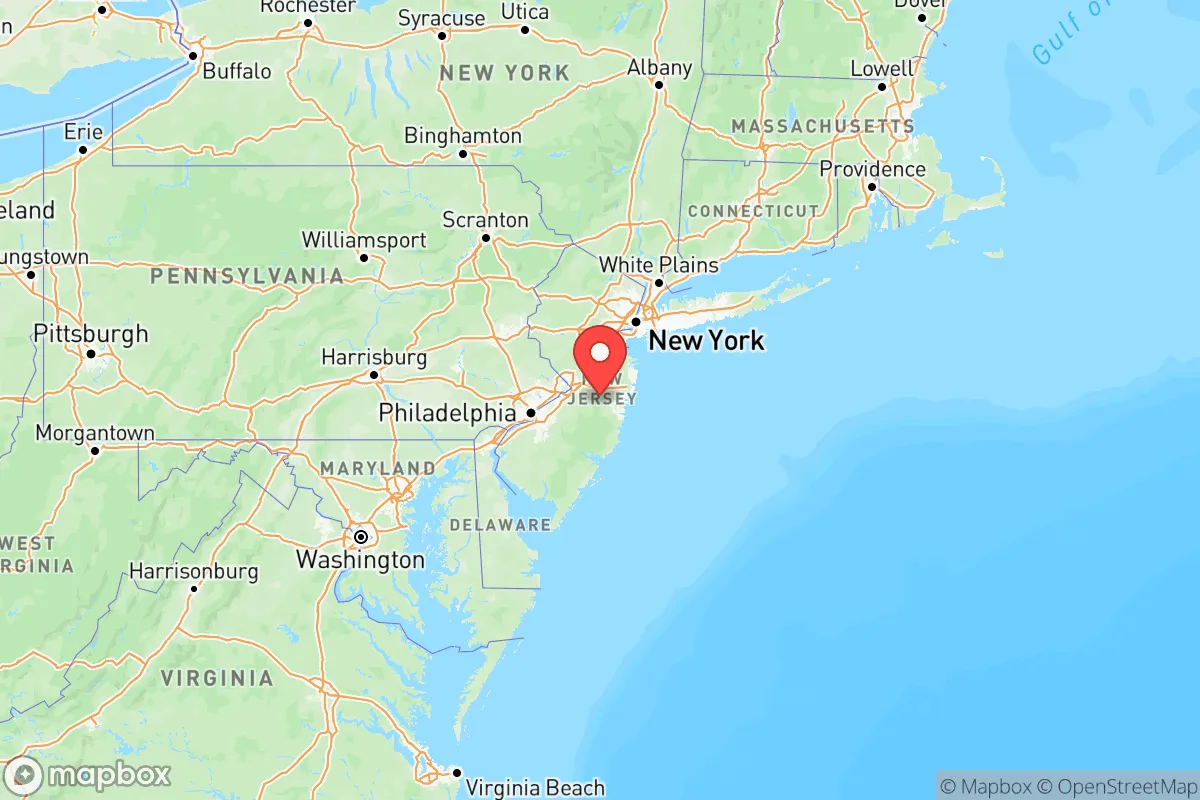
Photo: Wikipedia
Strategic Assessment of New Jersey
High tactical risk. This location is likely close to major population centers, strategic targets, or sits in a high-disaster corridor. A retreat property and careful exit planning is required.
What does the Strategic Assessment tell us?
Our Strategic Assessment grades tactical survivability of an area. Major population centers, military targets, fallout zones, natural disasters, and border exposure all drive risk — lower exposure means a more defensible position in a crisis.
This is heavily inspired by Joel Skousen's Strategic Relocation book. Highly recommended you checkout the book ($)What does this tell us?
Our Strategic Assessment grades tactical survivability of an area. Major population centers, military targets, fallout zones, natural disasters, and border exposure all drive risk — lower exposure means a more defensible position in a crisis.
This is heavily inspired by Joel Skousen's Strategic Relocation book. Highly recommended you checkout the book ($)Regional Safe Places
Below is our recommended "safe zones" in New Jersey and the surrounding area based on our strategic heuristics. For most people, it's unrealistic to live in a “safe zone” full-time due to work, family or other personal reasons. They tend to be more rural. However, many of these areas are perfect for second homes and retreat properties that double as a vacation home or even a short-term rental.
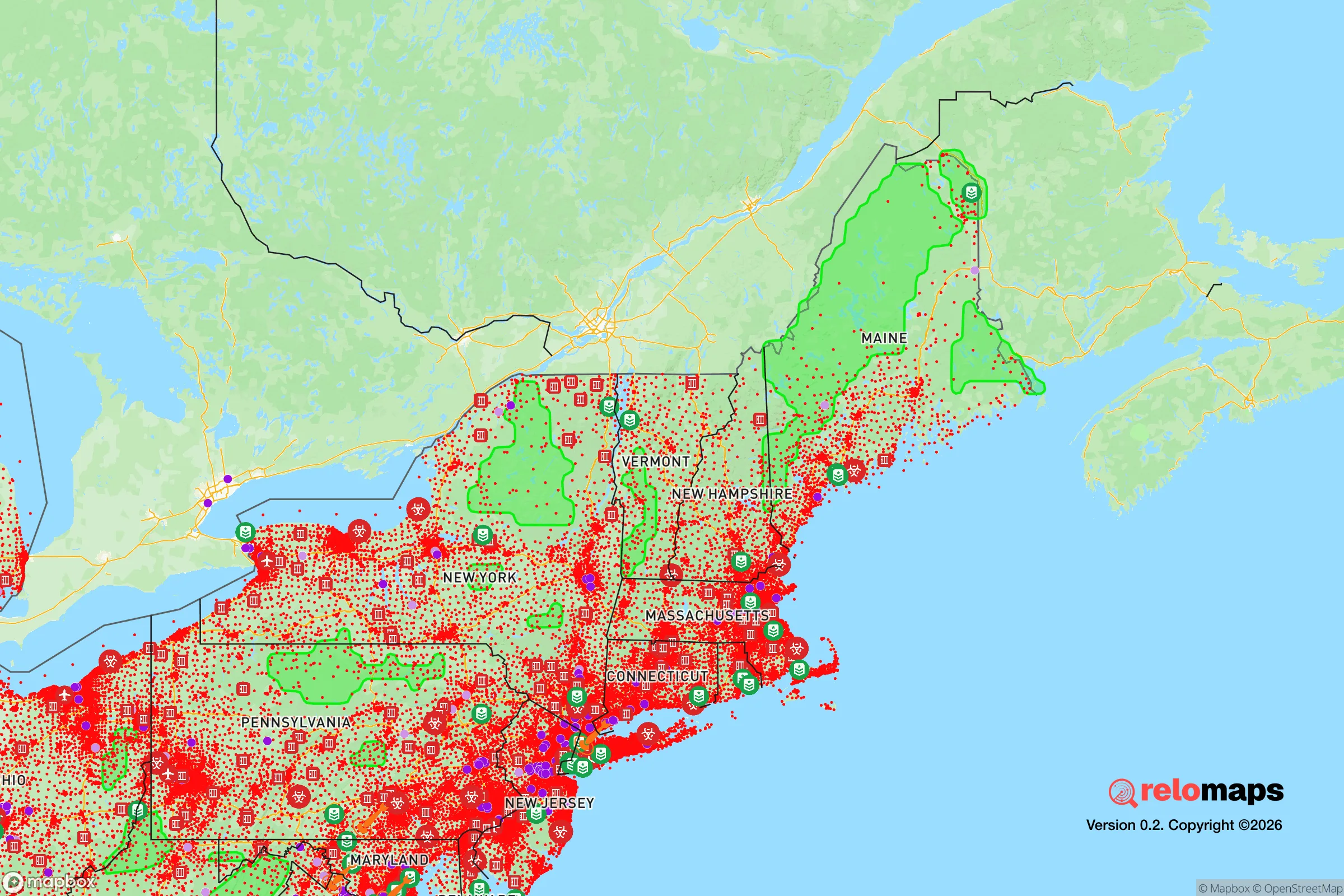
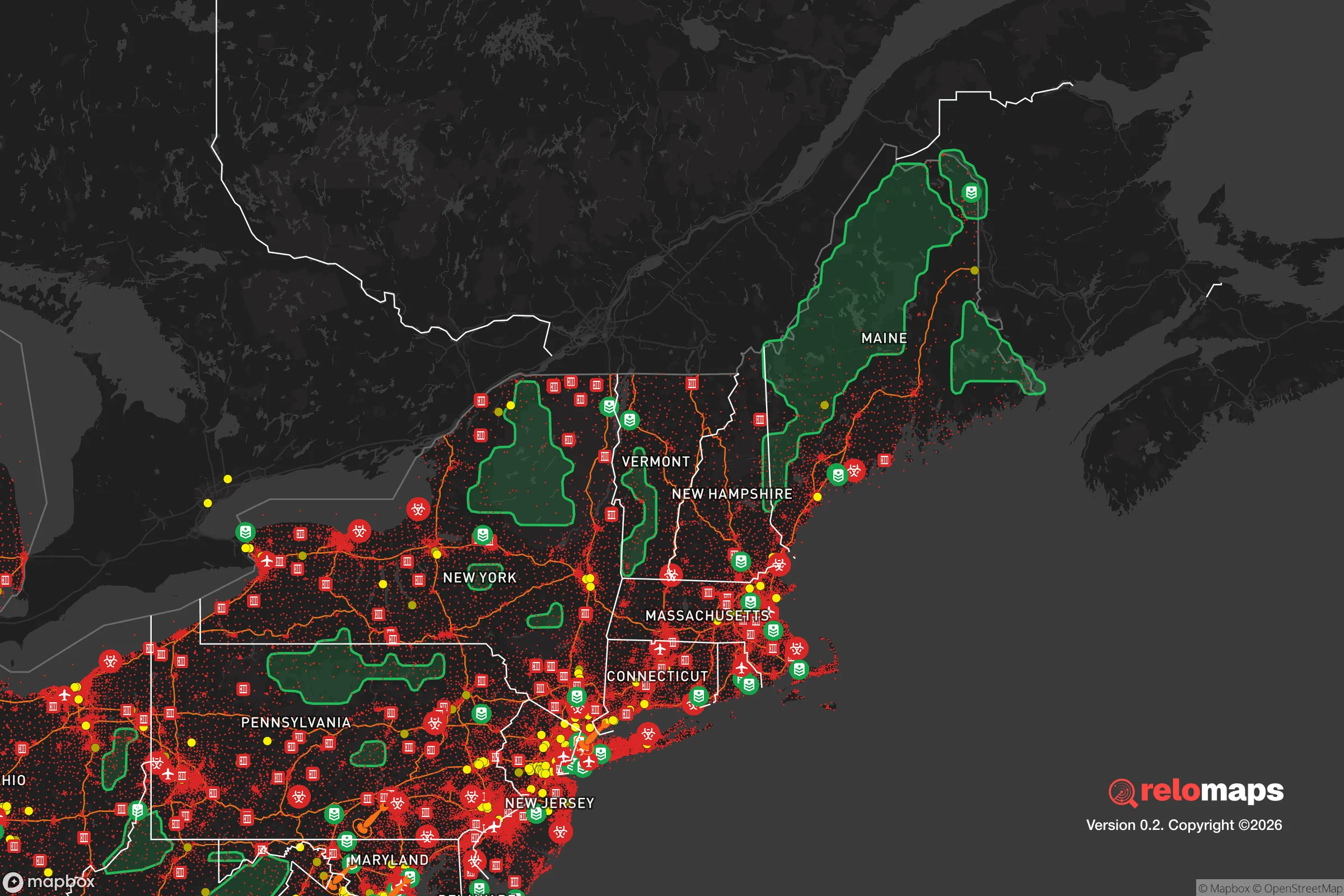


Important Note: For informational purposes only. This does not mean nothing bad ever happens in the green zones. Please use common sense. This is based on public data and modeled with AI. We tried to take a conservative approach but mistakes happen. We update this regularly as new information becomes available.
Solar Generator Recommendations
Backup power matters more here than in safer locations. We've picked three solar generators across budgets and capacity tiers — start with the budget unit if you only need a few essentials, or step up if you want to run a fridge and HVAC for days at a time.

Jackery Portable Power Station Explorer 300
Budget OptionPower on the Go: Weighing only 11 lbs, it's convenient to set up and store with book-sized foldable solar panels

BLUETTI Portable Power Station AC180
Designed for both indoor and outdoor scenarios, AC180 is highly capable as it has a robost capacity and continuous output power.

EF ECOFLOW DELTA Pro Ultra Power Station
Upgraded PickEcoFlow DELTA Pro Ultra is a whole-home energy system designed to grow with your family. Integrated with the Smart Home Panel 2, it scales to meet your evolving energy needs — keeping your home powered, intelligent, and secure through every stage of life.
We earn a commission, at no additional cost to you.
Strategic Assessment Analysis
New Jersey offers a paradox for the strategic relocator: it’s one of the most densely populated and economically vital states in the Union, yet its very density and infrastructure create a unique set of vulnerabilities and opportunities for those thinking about resilience. From a prepper’s perspective, the Garden State is a high-risk, high-reward proposition—its location between New York City and Philadelphia means you’re never far from the blast radius of a major event, but its coastal access, industrial backbone, and agricultural pockets provide resources that many inland states lack. The key is understanding that New Jersey’s resilience isn’t about isolation; it’s about leveraging its position while mitigating the fallout from its proximity to major population centers and critical infrastructure.
Geographic position and natural advantages for long-term survival
New Jersey’s geography is a double-edged sword. On one hand, it’s a narrow peninsula wedged between the Atlantic Ocean and the Delaware River, giving it over 130 miles of coastline and direct access to major shipping lanes. This means that in a collapse scenario, you’re positioned near ports like Port Newark-Elizabeth—one of the busiest on the East Coast—which could become a chokepoint for trade or a target for disruption. On the other hand, the state’s interior offers surprising advantages. The Pine Barrens in southern New Jersey cover over 1.1 million acres of forested, sparsely populated land with a massive aquifer underneath—one of the largest freshwater reserves on the Eastern Seaboard. For a relocator, this is a goldmine: you’ve got water, timber, and isolation within an hour of major cities. The Delaware Water Gap in the northwest provides rugged terrain and natural barriers, while the Raritan Bay and Barnegat Bay offer sheltered waterways for fishing and transport. The state’s moderate climate means you’re less likely to face the extreme cold of New England or the hurricane risks of the Deep South, though nor’easters and coastal flooding are real threats. For a conservative-leaning prepper, the key takeaway is that New Jersey’s natural advantages are real but require you to be south of Interstate 195—the Pine Barrens and the rural counties like Salem, Cumberland, and Cape May offer the best balance of resources and distance from the urban core.
Risks, exposures, and proximity to fallout-relevant landmarks
This is where New Jersey gets dicey. The state is a target-rich environment for anyone thinking about civil unrest, mass casualty events, or infrastructure collapse. Newark Liberty International Airport and Port Newark are critical national logistics hubs—any major disruption there would ripple across the entire Northeast. The Bayway Refinery in Linden and the Paulsboro Refinery along the Delaware River are major petroleum processing sites; a fire, sabotage, or accident at either could create a toxic plume affecting hundreds of thousands. Then there’s the Salem Nuclear Generating Station in Lower Alloways Creek—one of the oldest nuclear plants in the country, located on the Delaware Bay. A containment failure or targeted attack there would render large swaths of southern New Jersey uninhabitable for decades. On the military side, Joint Base McGuire-Dix-Lakehurst in central Jersey is a massive tri-service installation that could become a staging ground for federal response—or a target. Proximity to New York City (12 miles from Newark) and Philadelphia (across the river from Camden) means that any major event in those cities—riots, disease outbreak, EMP—would send millions of refugees flooding into New Jersey’s highways. The New Jersey Turnpike and Garden State Parkway would become parking lots or kill zones. For a strategic relocator, the calculus is simple: avoid the I-95 corridor and the northeastern counties (Bergen, Essex, Hudson, Union) entirely. The fallout risk from urban proximity and industrial targets is too high. Focus on the southwest and southeast corners—Cape May County or Salem County—where population density drops and you’re farther from the most obvious targets.
Practical resilience for a relocator: food, water, energy, and defensibility
If you’re willing to work around the risks, New Jersey offers some practical advantages for a self-sufficient setup. Water is abundant—the Pine Barrens aquifer is one of the purest in the country, and many rural homes have private wells. The Mullica River and Rancocas Creek provide surface water for filtration, though you’ll want to test for agricultural runoff. Food production is viable: New Jersey is called the Garden State for a reason, with over 9,000 farms producing everything from tomatoes and corn to blueberries and cranberries. Counties like Hunterdon and Burlington have rich soil and a strong farming culture. For energy, solar is a no-brainer—New Jersey has net metering laws and plenty of sun, though grid dependence is a concern. Wood heat is practical in the Pine Barrens, where firewood is plentiful, but be aware that many rural areas have restrictions on outdoor burning. Defensibility is the weak point: New Jersey is small and crisscrossed by roads, so true isolation is hard to find. The Kittatinny Mountains in the northwest offer some rugged terrain, but you’re still within a day’s walk of a major highway. The best bet is a property with limited road access—a dead-end road in the Pine Barrens or a farm with a long driveway in Salem County. Community resilience is mixed: rural New Jersey tends to be more conservative and self-reliant, with strong hunting and fishing traditions, but the state’s overall political climate leans left, and local governments can be hostile to off-grid setups or firearms ownership. You’ll need to network with local gun clubs and farm bureaus to find like-minded people. Stockpiling is straightforward—proximity to major ports means you can source supplies from Costco in Deptford or BJs in Vineland, but don’t rely on just-in-time logistics after a crisis.
The overall strategic picture for New Jersey is one of calculated risk. It’s not a bug-out destination for someone seeking total isolation—you’ll never get that in a state with 9 million people. But for a relocator who wants to stay within striking distance of the Northeast’s economic and logistical assets while maintaining a credible self-sufficiency setup, the southern half of the state offers a viable option. The Pine Barrens give you water and cover, the Delaware Bay gives you seafood and trade routes, and the rural counties give you space to breathe. The downsides are real: proximity to nuclear plants, refineries, and urban centers means you need a solid evacuation plan and a willingness to leave if things go sideways. If you’re a conservative prepper looking for a base that balances access with resilience, New Jersey is a high-maintenance ally—but one that can work if you pick your ground carefully and stay alert. Just don’t expect to ride out a major event in Bergen County. Head south, get off the grid, and keep your head down.

Top 10 Cities by Strategic Assessment in New Jersey
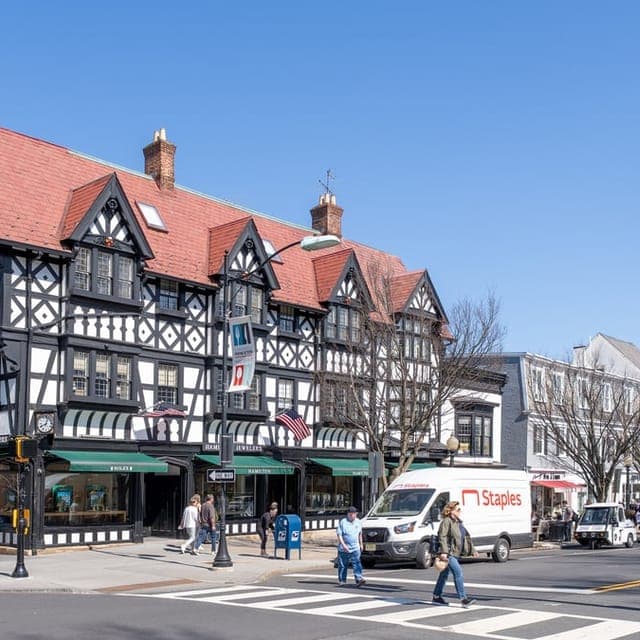
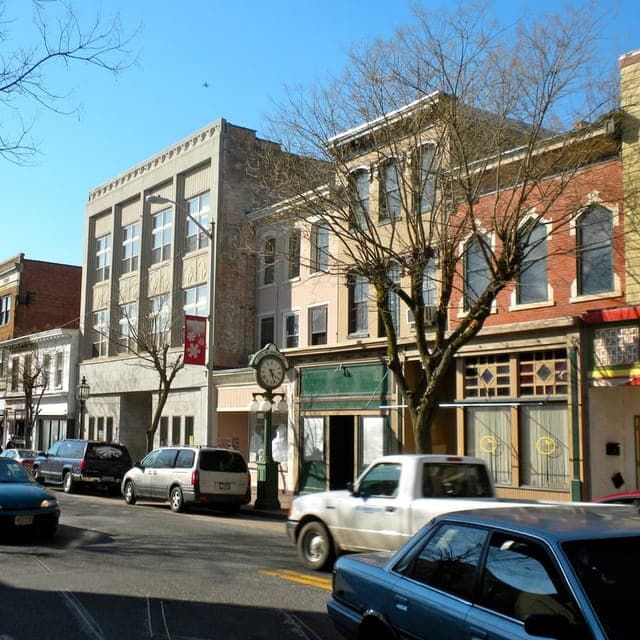

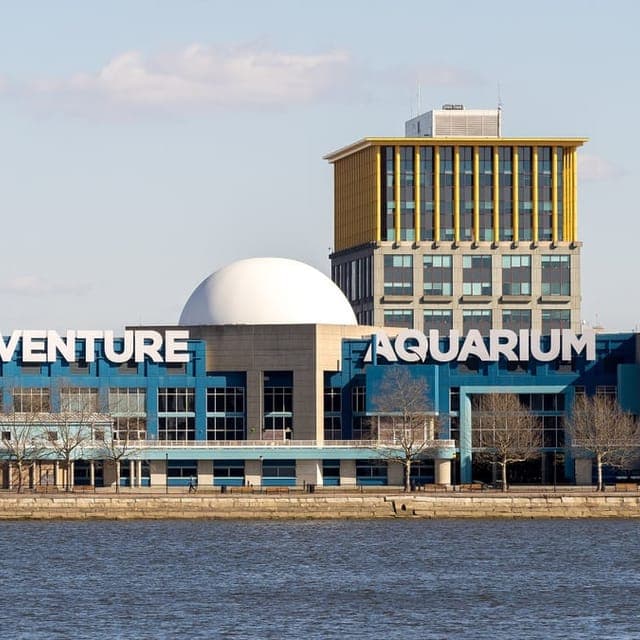


* Values derived from national, state, county, city and local statistics and may differ in a specific area. Last updated: 2026-04-18T23:43:52.000Z
Narrative content on this page is AI-generated and may contain mistakes. Verify any details that matter before acting on them.
ReloMaps may earn a commission from affiliate links at no extra cost to you.

