Photo: Wikipedia
Political ClimatePolitical Climate in Nevada
Political Environment in the State
Nevada is a true battleground state with a Cook PVI of R+1, meaning it leans just slightly Republican but remains highly competitive. Over the past 10-20 years, the state has shifted from a reliably blue stronghold—thanks to union-heavy Las Vegas—to a purple state where rural and exurban growth have nearly balanced the Clark County machine. The 2024 presidential race saw the state flip back to the GOP after narrowly backing Biden in 2020, reflecting a broader trend of working-class and Hispanic voters drifting rightward. For a conservative considering relocation, Nevada offers a mixed bag: low taxes and a libertarian streak in the north, but a powerful progressive apparatus in the south that keeps the state perpetually contested.
Urban vs. rural divide
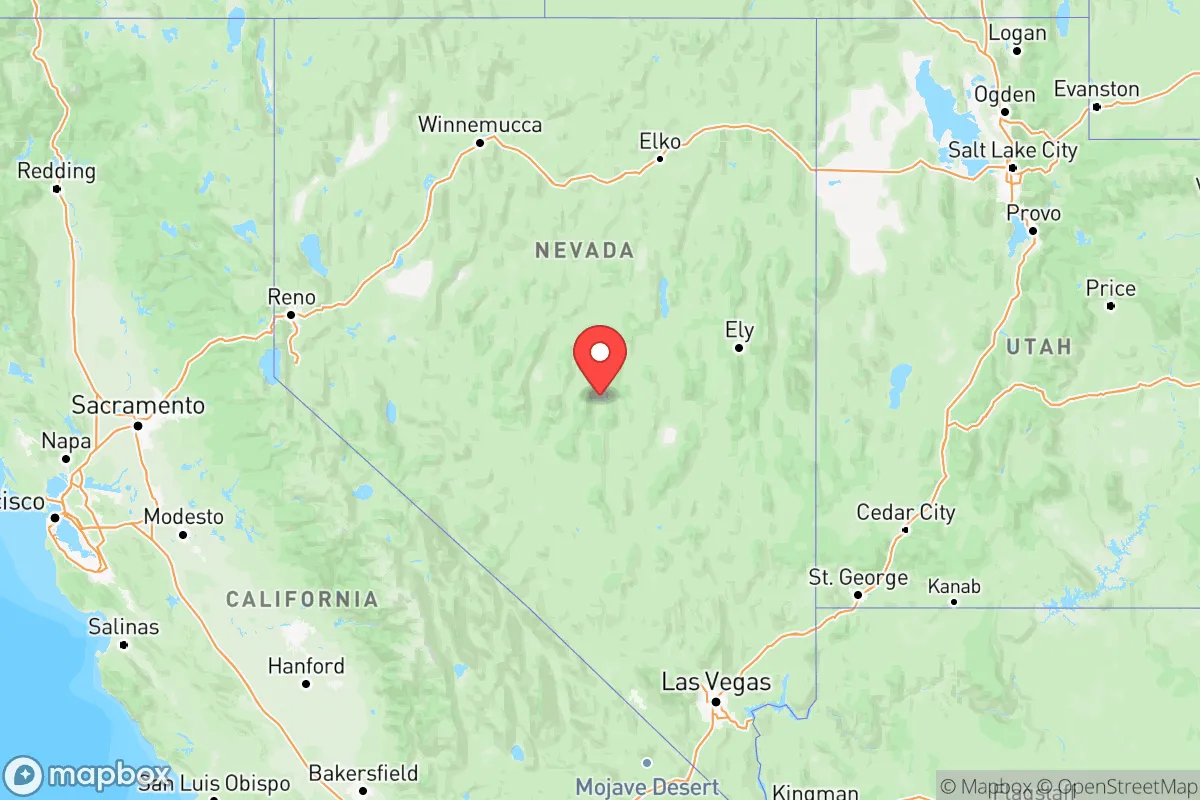
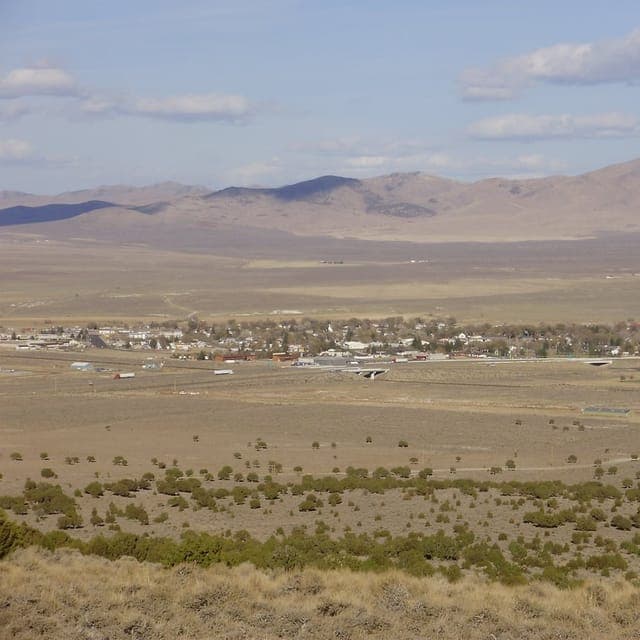
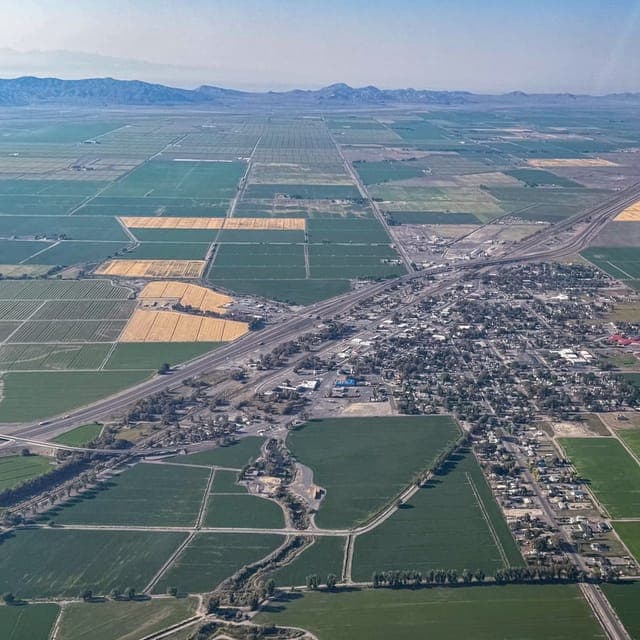
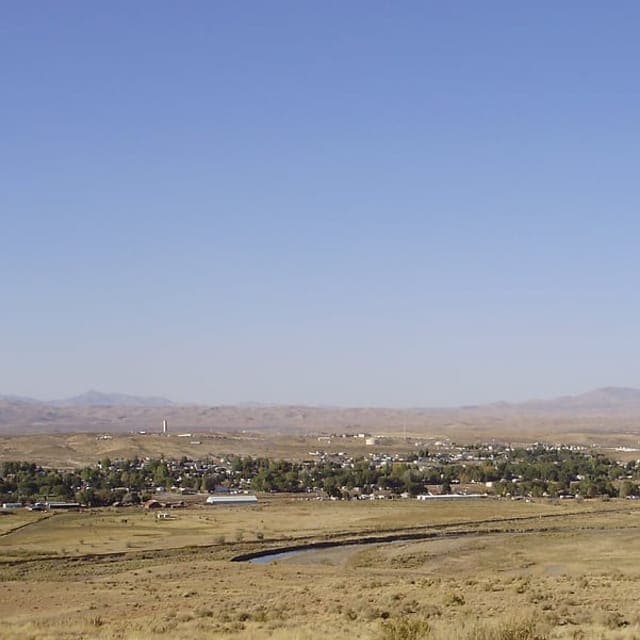
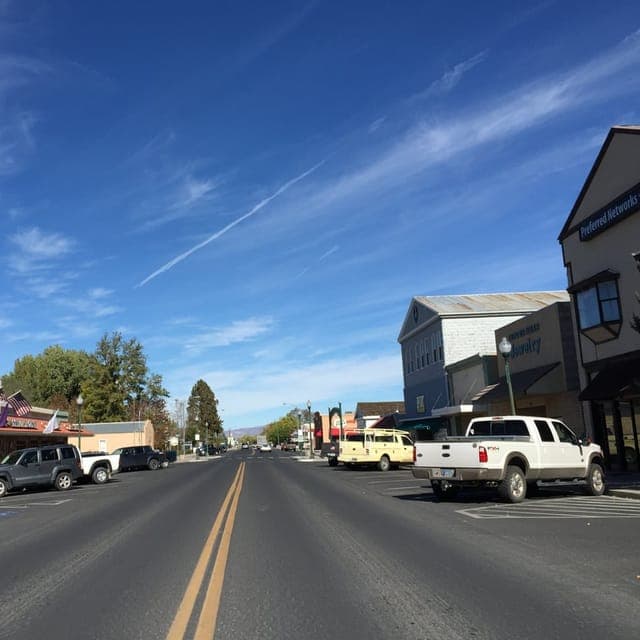
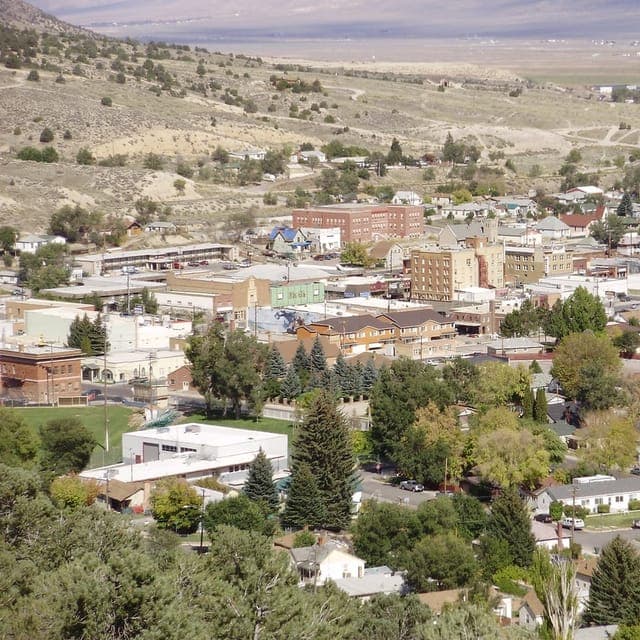
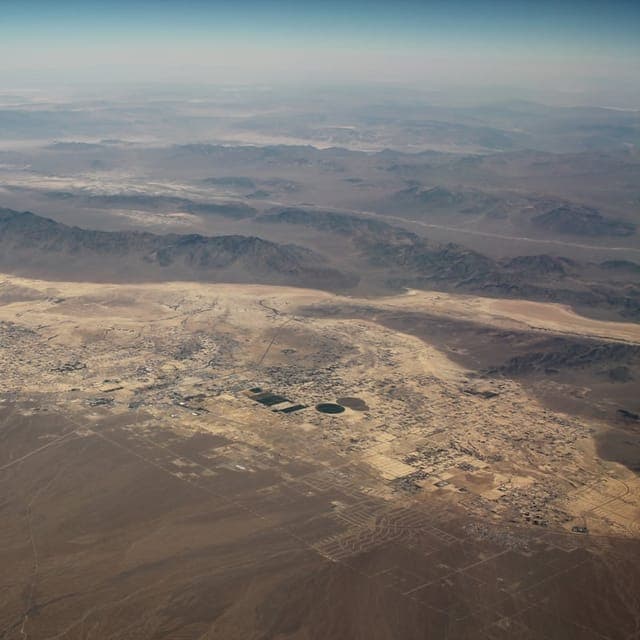
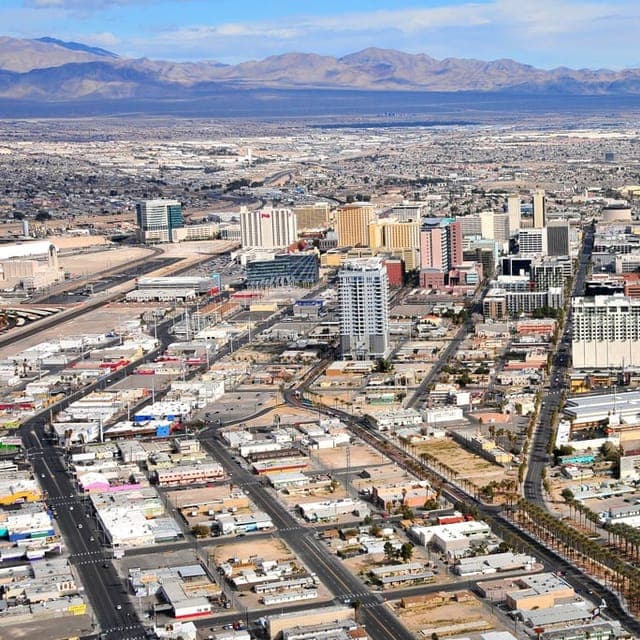
The political map of Nevada is a tale of two worlds. Clark County (Las Vegas) is the Democratic engine, home to 73% of the state’s population and dominated by unionized casino workers, service industry employees, and a growing Hispanic electorate that still leans left, though less reliably than a decade ago. Washoe County (Reno) is the true swing county—once reliably red, it has trended purple as California transplants and tech workers from Tesla’s Gigafactory have moved in. The 2024 election saw Washoe County vote for Trump by a slim margin, a reversal from 2020. The rural counties—Elko, Nye, White Pine, and Lander—are deeply red, often voting 70-80% Republican. Elko, the heart of gold mining country, is a conservative stronghold where Second Amendment and property rights are non-negotiable. Pahrump (Nye County) is a libertarian-leaning exurb where many retirees and gun owners fled California’s overreach. The divide is stark: drive 30 minutes outside Las Vegas or Reno, and you’re in a completely different political universe.
Policy environment
Nevada’s policy landscape is a study in contradictions. On the plus side for conservatives: no state income tax, low property taxes (capped by a 2005 law), and a business-friendly regulatory climate that attracts companies like Tesla and Google. The state also has constitutional carry (permitless concealed carry since 2023), a major win for gun rights. However, the legislature in Carson City has been increasingly progressive. In 2023, Democrats passed AB 116, which eliminated the requirement for a background check on private firearm sales—wait, that’s a good thing. Actually, the concern is SB 163, which banned firearms at polling places and legislative buildings, and AB 354, which raised the age to purchase semi-automatic rifles from 18 to 21. On education, Nevada’s school choice options are weak—no voucher program, and charter schools face heavy regulation. The state’s election laws are a flashpoint: automatic voter registration, no-excuse mail-in ballots (made permanent after COVID), and same-day registration. These policies, while convenient, raise integrity concerns among conservatives. Healthcare policy is mixed—Medicaid expansion was accepted, but the state has resisted a state-run public option so far.
Trajectory & freedom
Nevada’s trajectory on personal freedom is a tug-of-war. The state has expanded liberty in some areas: constitutional carry (2023) and no state income tax remain bedrock freedoms. But the trend in Carson City is concerning. AB 116 (2023) actually strengthened gun rights, but the same session saw SB 163 create new gun-free zones. On parental rights, AB 261 (2023) requires schools to adopt policies that “affirm” a student’s gender identity without parental notification—a direct assault on family sovereignty. The Nevada Equal Rights Commission has aggressively pursued complaints against businesses for “discrimination” based on sexual orientation or gender identity, effectively chilling religious liberty. Property rights are under pressure from SB 448 (2021), which limited short-term rentals in Clark County, and from the Southern Nevada Water Authority’s push to restrict groundwater pumping in rural areas. The state’s tax structure remains a bright spot, but the Commerce Tax (a gross receipts tax on businesses) and a push for a margin tax (defeated twice by voters) show the progressive appetite for new revenue. Overall, Nevada is becoming less free on cultural and regulatory fronts, even as it maintains fiscal liberty.
Civil unrest & political movements
Nevada has seen its share of political flashpoints. The 2020 election integrity controversy was intense here—Clark County’s mail-in ballot processing was scrutinized, and the state GOP launched multiple lawsuits. The “Stop the Steal” rally in Carson City in January 2021 drew thousands. On the left, Las Vegas saw large BLM protests in 2020, with some turning violent near the Strip. The Nevada Democratic Party is dominated by the Culinary Union, which wields immense power over state policy. Immigration is a hot-button issue: Nevada is a sanctuary state (SB 223, 2019 prohibits state and local law enforcement from cooperating with ICE in most cases). This has led to tensions in rural counties like Nye and Elko, where sheriffs have publicly resisted. The “Rural Nevada” secession movement has gained traction—in 2024, several counties passed resolutions calling for a “State of Jefferson” or simply more autonomy from Clark County. The Nevada Assembly’s 2023 session saw a bill to create a state-run health insurance option, which was defeated after heavy lobbying from the mining and casino industries. These movements show a state deeply divided, with rural conservatives feeling increasingly alienated from the Las Vegas-dominated legislature.
Projection
Over the next 5-10 years, Nevada will likely remain a purple state, but the trend lines favor conservatives in the long run. In-migration from California is a double-edged sword: many newcomers are fleeing high taxes and regulation, bringing conservative or libertarian values, but others bring progressive voting habits. The Hispanic electorate, now 20% of voters, is shifting right—Trump improved his share among Nevada Hispanics by 10 points from 2020 to 2024. The rural counties are growing slowly but steadily, while Clark County’s growth is slowing. The 2025 redistricting could give Republicans a chance to flip the state Assembly or Senate. However, the Democratic machine in Clark County is entrenched, and the Culinary Union remains powerful. The biggest wildcard is election integrity: if Nevada’s mail-in ballot system remains unchanged, Democrats will have a structural advantage. A conservative moving in now should expect a state that is fiscally conservative but culturally contested—you’ll have low taxes and gun rights, but you’ll need to fight for school choice and parental rights at the ballot box.
Bottom line for a new resident: Nevada is a great place to keep more of your money and exercise your Second Amendment rights, but don’t expect a red-state policy environment. You’ll need to be politically engaged to protect those freedoms. If you’re moving to Elko, Pahrump, or rural Nye County, you’ll find a conservative community that shares your values. If you’re headed to Las Vegas or Reno, be prepared for a blue-leaning local government that will test your patience. The state’s trajectory is uncertain, but its low-tax, low-regulation foundation gives conservatives a fighting chance—if they show up to vote.

Most Conservative Cities in Nevada
Most Liberal Cities in Nevada
* Values derived from national, state, county, city and local statistics and may differ in a specific area. Last updated: 2026-04-16T01:51:34.000Z
Narrative content on this page is AI-generated and may contain mistakes. Verify any details that matter before acting on them.
ReloMaps may earn a commission from affiliate links at no extra cost to you.

