Photo: Wikipedia
Personal Sovereignty in Nevada
Viable for self-reliance. Generally workable, though some barriers may limit total independence.
What does Personal Sovereignty tell us?
Personal Sovereignty measures your capacity for self-reliance and independence with minimal government friction. Higher scores mean fewer barriers between you and the way you want to live... but it assumes you have the space you need and good neighbors.
What does this tell us?
Personal Sovereignty measures your capacity for self-reliance and independence with minimal government friction. Higher scores mean fewer barriers between you and the way you want to live... but it assumes you have the space you need and good neighbors.
State Policy
Energy independence: Importer (15% of energy produced in-state)
Personal Liberty
Homesteading

Personal Liberty Analysis
Nevada stands as one of the last true bastions of personal sovereignty in the American West, offering a legal and cultural environment where individual autonomy is not just tolerated but structurally protected. The state’s absence of a personal income tax, its broad preemption of local gun control, and its permissive land-use laws create a framework where a person can live largely free from government intrusion—provided they choose the right location. From the remote stretches of Esmeralda County to the high desert of Elko, Nevada’s ethos remains rooted in frontier self-reliance, though the urban corridors of Clark County (Las Vegas) and Washoe County (Reno) present a more regulated, collectivist counterpoint that serious relocators must navigate carefully.
Tax burden and regulatory posture: how Nevada compares to surrounding states
Nevada’s tax structure is arguably the most sovereignty-friendly in the region, anchored by zero state personal income tax and a relatively low corporate income tax rate of 0.75% on gross revenue over $4 million. This alone eliminates the single largest tool governments use to fund expansive programs that erode personal choice. Property taxes are capped at a maximum of 3% annual increase under the state’s abatement program, and the effective rate hovers around 0.6% of assessed value—roughly half the national average. Sales tax varies by county, from 6.85% in rural Esmeralda County to 8.375% in Clark County, but the absence of an income tax means a family earning $100,000 keeps roughly $8,000 more per year than they would in California or Oregon. Regulatory posture is similarly light: Nevada has no state-level occupational licensing for 60+ professions that other states require, and its right-to-work status (Article 15, Section 4 of the state constitution) ensures no one is forced to join a union as a condition of employment. However, the regulatory divide between rural and urban counties is stark. Lyon County and Churchill County actively court small manufacturers and homesteaders with streamlined permitting, while Clark County’s building codes and business licensing can rival California’s bureaucracy. For the sovereignty-minded, the rule is simple: avoid the Las Vegas valley and the Reno-Sparks corridor if you want minimal government friction.
Self-defense and gun law specifics: constitutional carry and castle doctrine
Nevada is a constitutional carry state as of 2023, meaning any law-abiding adult 18 or older can carry a concealed firearm without a permit. This is a direct expression of personal sovereignty—the state trusts the individual to exercise their right to self-defense without bureaucratic pre-approval. The castle doctrine is codified in NRS 200.120, removing any duty to retreat in one’s home, vehicle, or place of business. Stand-your-ground protections extend to any place where a person has a legal right to be, though the law is slightly less expansive than Texas’s version. Magazine capacity is unrestricted, and there is no state-level assault weapons ban. However, local preemption is weak: Clark County and Washoe County have passed ordinances restricting firearms in county parks and government buildings, and the city of Reno requires reporting lost or stolen firearms within 48 hours. For maximum legal clarity, relocate to Nye County or White Pine County, where local sheriffs have publicly declared they will not enforce federal overreach on firearms, and where the county commissions have passed Second Amendment sanctuary resolutions. The state’s background check system is point-of-sale only (private transfers are unregulated), and there is no waiting period for long guns. For the prepper, Nevada’s gun laws are among the top 10 nationally, but the urban-rural split means you must choose your county carefully to avoid creeping local restrictions.
Self-reliance and homesteading viability: lot sizes, zoning, and off-grid feasibility
Nevada’s vast public lands and permissive rural zoning make it one of the most viable states for off-grid living and homesteading, but water access is the critical bottleneck. Esmeralda County and Lincoln County offer 5-acre minimum lot sizes in unincorporated areas with no building permit requirements for structures under 200 square feet, and no county-level inspections for owner-built homes. Off-grid solar is legal statewide, and net metering is available through NV Energy, though rural residents often bypass the grid entirely. Rainwater collection is unrestricted (NRS 534.020), and greywater systems are permitted without a permit for residential use. The catch is water rights: most groundwater in Nevada is already allocated, and new wells require a permit from the State Engineer, which can take 6-12 months. Humboldt County and Pershing County have the most available groundwater for new appropriations, but drilling costs run $15,000-$30,000 for a 300-foot well. Zoning is generally favorable: agricultural zoning in Lander County allows livestock, crop production, and even small-scale manufacturing by right. The state’s “Right to Farm” law (NRS 561.110) protects agricultural operations from nuisance lawsuits, a critical protection for homesteaders raising animals. For the serious prepper, the best strategy is to buy land with existing water rights in a county with no building department—Eureka County is a prime example, where the county commission has explicitly stated they will not enforce building codes on owner-occupied rural properties.
Personal liberties: parental rights, medical autonomy, speech, and property
Nevada’s record on personal liberties is mixed—strong on property rights and speech, but increasingly problematic on parental rights and medical autonomy. Property rights are robust: the state has no statewide rent control (though Clark County has a 5% cap on annual rent increases for existing tenants), and eminent domain is limited to public use projects under NRS 37.010. The state’s “Private Property Rights Protection Act” (NRS 278.0188) requires compensation for regulatory takings that reduce property value by more than 20%. On speech, Nevada is a strong First Amendment state with no hate speech laws and no state-level restrictions on political speech. However, parental rights have eroded: Nevada passed AB 195 in 2023, which prohibits schools from notifying parents if a child changes their gender identity or pronouns, overriding parental authority in favor of state-defined “safety.” Medical autonomy is similarly compromised: the state has a vaccine mandate for school attendance (though philosophical exemptions are available), and the governor’s emergency powers during COVID allowed for business closures and mask mandates that were not challenged in court. For the sovereignty-minded parent, Storey County and Douglas County offer school districts with more conservative school boards that have resisted these overreaches, and homeschooling is lightly regulated (no notification required, no curriculum approval). The state’s medical freedom is best exercised by avoiding the urban centers and choosing a rural county where local officials are hostile to state-level mandates.
Overall, Nevada offers a sovereignty profile that ranks in the top 10 nationally for tax freedom and gun rights, but falls to the middle of the pack on parental rights and medical autonomy due to recent legislative overreach. The state’s greatest strength is its geographic and political diversity: a relocator can choose a county like Elko or White Pine where local governance aligns with individual liberty, or they can be trapped in Clark County’s increasingly collectivist regulatory environment. For the prepper or survivalist, the optimal strategy is to buy land in a rural county with no building codes, secure water rights, and a sheriff who prioritizes the Second Amendment over federal compliance. Nevada is not a perfect sovereign state—no state is—but it remains one of the few places in the West where a determined individual can still live largely outside the government’s shadow, provided they choose their ground carefully.

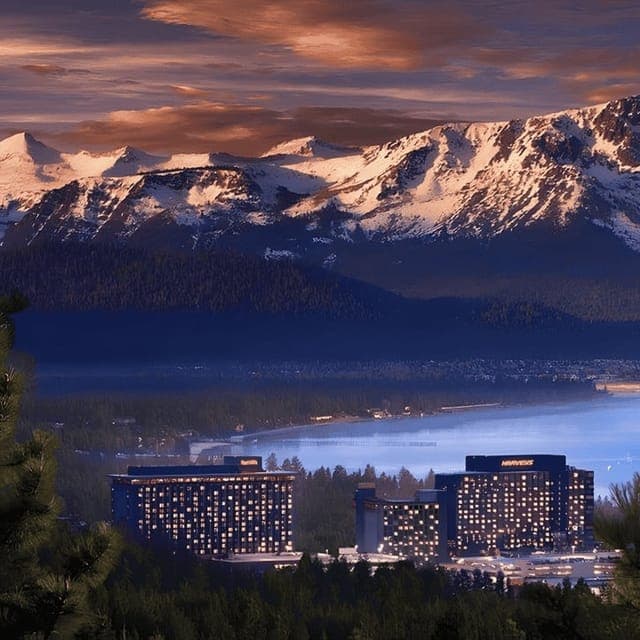
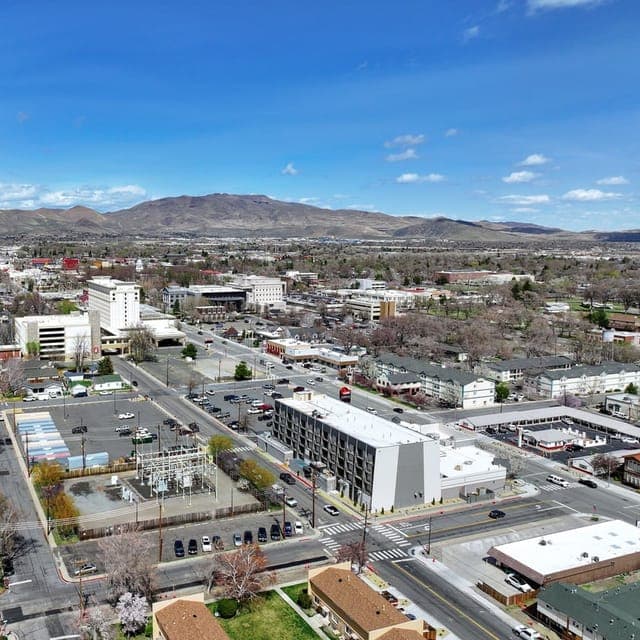
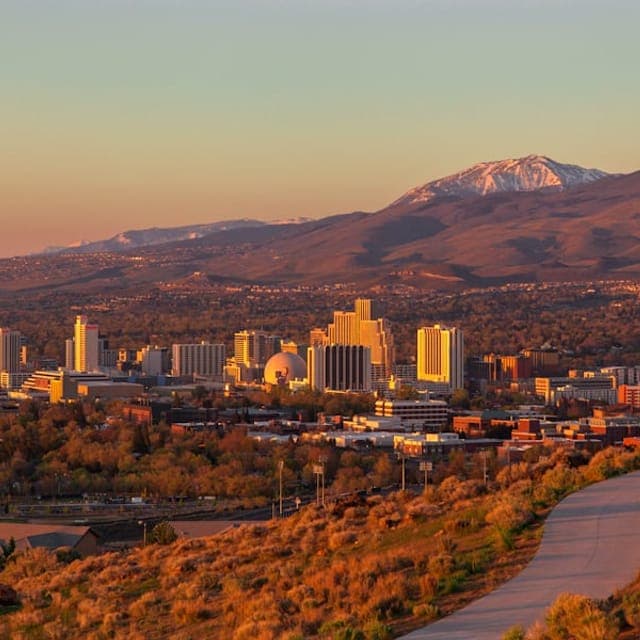
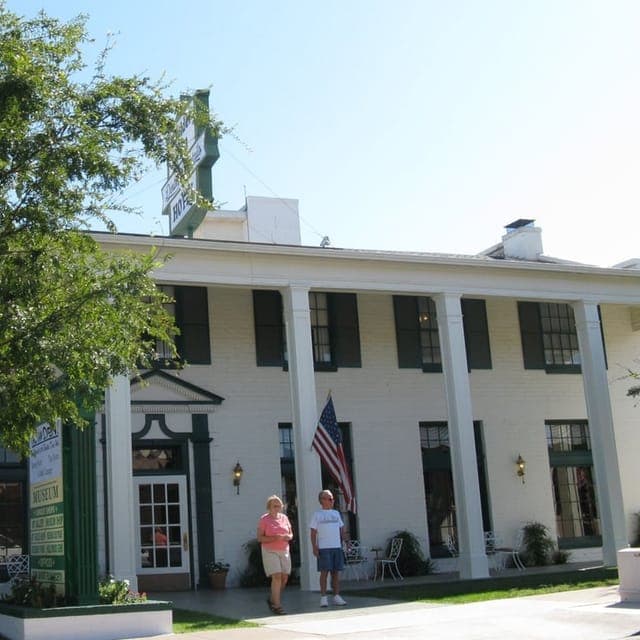
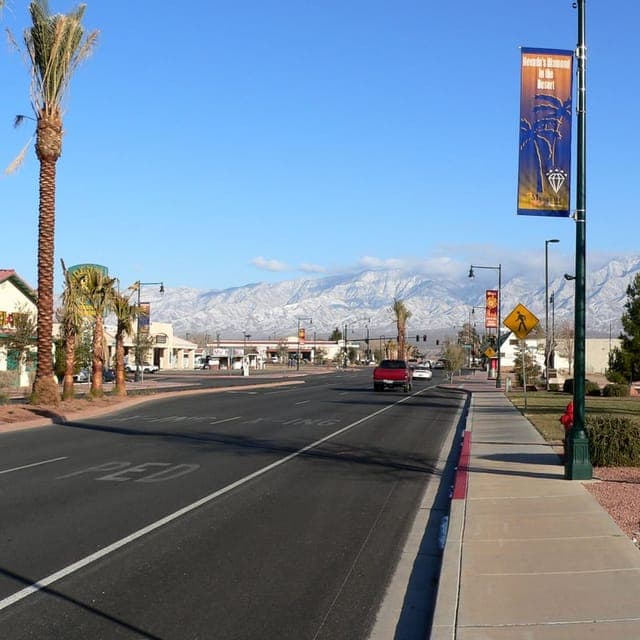
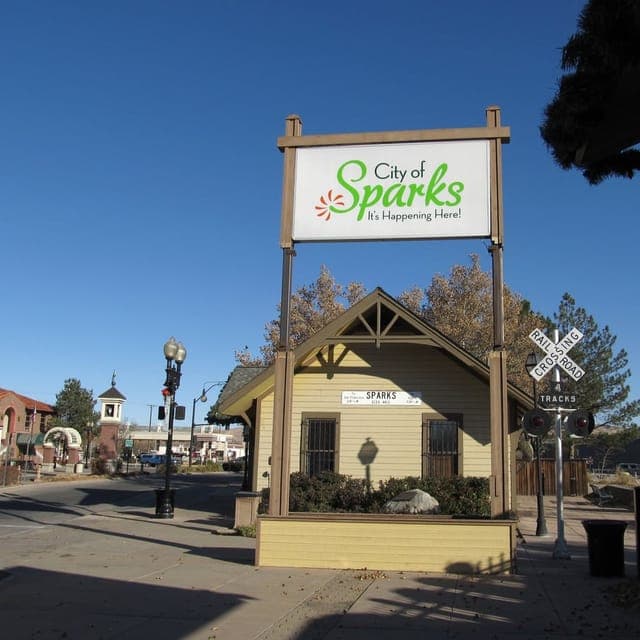
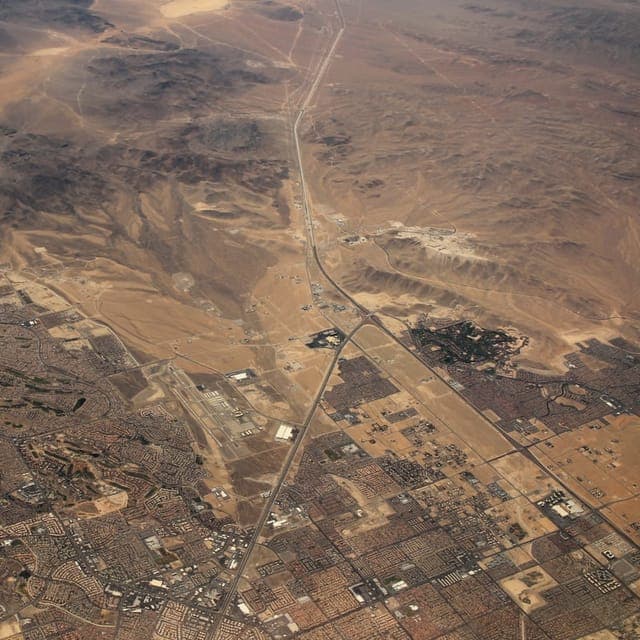
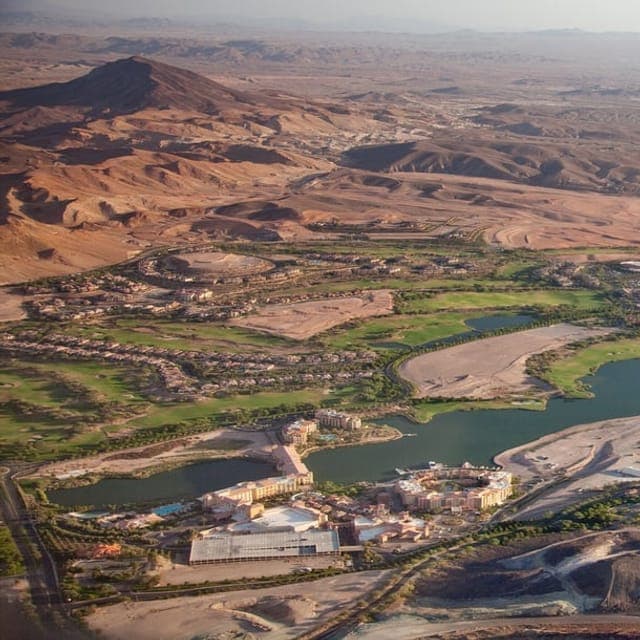
Top Cities for Personal Sovereignty in Nevada

* Values derived from national, state, county, city and local statistics and may differ in a specific area. Last updated: 2026-04-16T01:51:34.000Z
Narrative content on this page is AI-generated and may contain mistakes. Verify any details that matter before acting on them.
ReloMaps may earn a commission from affiliate links at no extra cost to you.

