Photo: Wikipedia
Personal Sovereignty in Pershing County
Viable for self-reliance. Generally workable, though some barriers may limit total independence.
What does Personal Sovereignty tell us?
Personal Sovereignty measures your capacity for self-reliance and independence with minimal government friction. Higher scores mean fewer barriers between you and the way you want to live... but it assumes you have the space you need and good neighbors.
What does this tell us?
Personal Sovereignty measures your capacity for self-reliance and independence with minimal government friction. Higher scores mean fewer barriers between you and the way you want to live... but it assumes you have the space you need and good neighbors.
State Policy
Energy independence: Importer (15% of energy produced in-state)
Personal Liberty
Homesteading

Personal Liberty Analysis
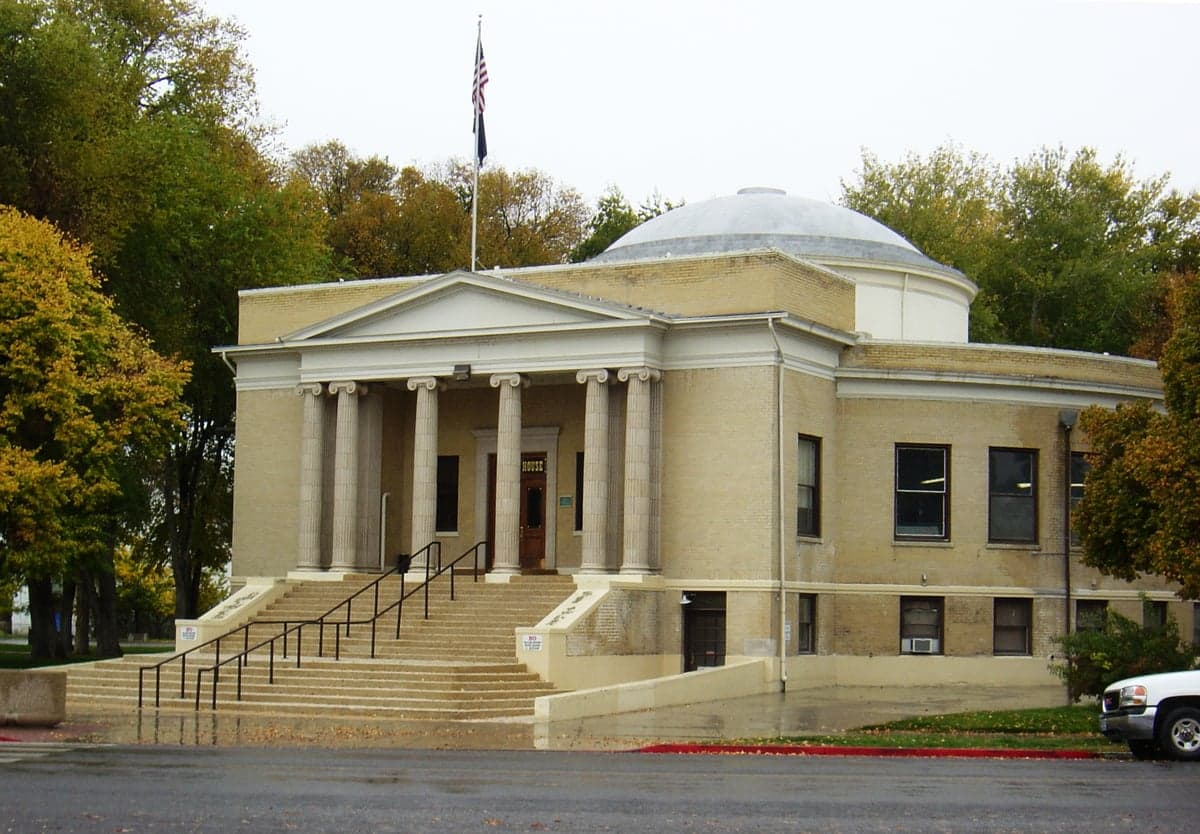
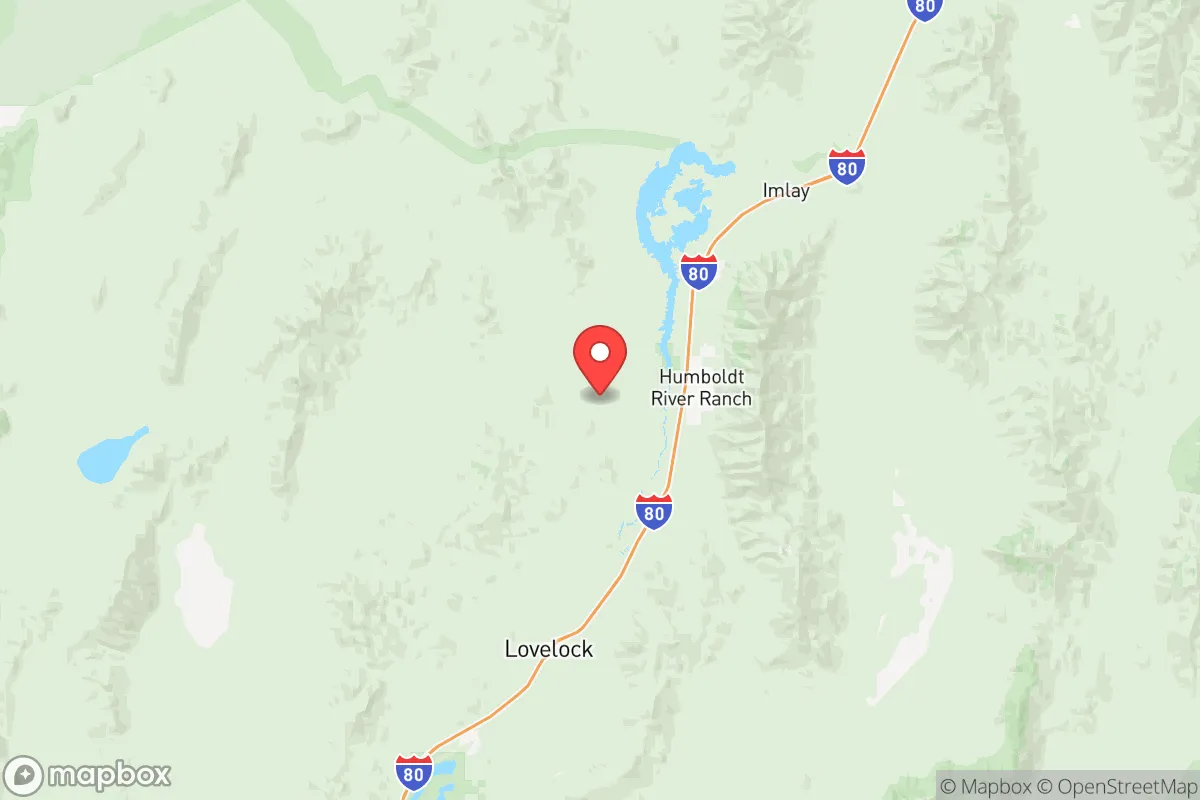
Pershing County, Nevada, offers one of the most uncompromising environments for personal sovereignty in the Great Basin, a place where the state’s constitutional framework and the county’s sparse population combine to create a de facto buffer against government overreach. With fewer than 7,000 residents spread across over 6,000 square miles, the practical reality is that local governance is minimal, and the expectation of self-reliance is baked into the landscape. For those looking to escape the creeping regulatory state found in Reno or Las Vegas, this county—anchored by the small town of Lovelock and the unincorporated communities of Imlay, Unionville, and Mill City—represents a strategic relocation option where personal autonomy isn’t just tolerated; it’s the default operating system.
Tax burden and regulatory posture: How Pershing County compares to Nevada’s urban centers
Nevada’s lack of a state income tax is the headline, but the real sovereignty story in Pershing County is the absence of the kind of regulatory creep that chokes freedom in Clark County or Washoe County. The county’s property tax rate is among the lowest in the state, typically hovering around 0.6% of assessed value, and there are no local sales tax add-ons beyond the state’s 6.85% base. More importantly, the county commission in Lovelock has historically taken a hands-off approach to land use and business licensing. You won’t find the kind of zoning battles or permitting delays that plague urban areas. For example, in Lovelock proper, starting a home-based business or running a small workshop requires little more than a basic business license, while in Imlay or Mill City, the county essentially leaves you alone as long as you’re not creating a public nuisance. The regulatory posture here is one of benign neglect—a feature, not a bug, for those who view government as a necessary evil at best.
Self-defense and gun law specifics: What the Second Sanctuary status means for residents
Pershing County is a Second Amendment Sanctuary, a formal resolution passed by the county commission that signals local law enforcement will not enforce federal gun laws deemed unconstitutional. This isn’t just symbolic; it means the sheriff’s office in Lovelock has a stated policy of non-cooperation with federal overreach on firearms. Nevada state law already allows permitless concealed carry for residents 18 and older, and open carry is unrestricted. But the sanctuary status adds a layer of local protection against potential federal bans or registration schemes. In practice, this means you can buy, sell, and transfer firearms between private parties in Unionville or Lovelock without any state or federal paperwork, as long as you’re not a prohibited person. The county also has no local ordinances restricting magazine capacity, firearm types, or storage requirements. For the survivalist mindset, this is a critical buffer: the legal infrastructure to resist federal overreach is already in place at the county level, and the local culture strongly supports armed self-defense as a fundamental right.
Self-reliance and homesteading viability: Lot sizes, zoning, and off-grid feasibility in Pershing County
This is where Pershing County truly shines for the prepper or homesteader. The county’s zoning code is remarkably permissive. Outside of the Lovelock town limits, there are virtually no minimum lot size requirements for residential use on unincorporated land. You can purchase a 5-acre parcel near Imlay or a 40-acre spread near Unionville and build without the kind of bureaucratic hurdles found in more populated areas. Off-grid living is not just feasible; it’s the norm. There are no county mandates requiring connection to municipal water or power grids. Solar panels, rainwater catchment, and composting toilets are all legal and common. The county does require a basic septic system permit for any dwelling with plumbing, but the process is straightforward and inexpensive compared to urban areas. For those looking to drill a well, the Nevada Division of Water Resources requires a permit, but in Pershing County, groundwater is generally accessible at reasonable depths, especially in the Humboldt River Valley near Lovelock and Mill City. The county also has no restrictions on keeping livestock, including chickens, goats, or even larger animals, on residential parcels outside town limits. For the self-reliant individual, this is as close to a blank slate as you’ll find in the lower 48.
Personal liberties: Parental rights, medical autonomy, speech, and property protections
Pershing County’s small population means that community standards, not government edicts, govern daily life. Parental rights are strongly protected by default: there are no local ordinances that override state law on educational choice, and homeschooling is straightforward under Nevada’s relatively light-touch regulations. Medical autonomy is another area where the county’s isolation works in your favor. There is no county-level health department imposing vaccine mandates or business closures; the local hospital in Lovelock is a critical access facility that largely respects patient choice. For those interested in alternative medicine or supplement-based health strategies, there are no local restrictions beyond state-level licensing for practitioners. Free speech is protected by the county’s lack of any noise or public assembly ordinances that could be weaponized against political expression. Property rights are the bedrock here: the county has no rent control, no inclusionary zoning, and no historic preservation overlays that could restrict what you do with your land. In Unionville, a historic mining ghost town with a handful of year-round residents, you can buy a cabin and modify it without any design review. In Imlay, you can set up a workshop or storage facility on your property without a special use permit. The message is clear: your land is yours to manage.
Overall, Pershing County offers a level of personal sovereignty that is increasingly rare in the United States. Compared to the regulatory thickets of California, Oregon, or even Nevada’s own urban counties, this area provides a practical sanctuary for those who value self-defense, self-reliance, and minimal government interference. The trade-off is isolation—Lovelock is a two-hour drive from Reno, and the nearest major airport is in Sparks—but for the strategic relocator with a survivalist or prepper mindset, that isolation is the point. The county’s combination of low taxes, permissive zoning, strong gun rights, and a culture of non-interference makes it one of the most sovereignty-friendly jurisdictions in the Intermountain West. If you’re looking to opt out of the system without leaving the country, Pershing County is a serious contender.

* Values derived from national, state, county, city and local statistics and may differ in a specific area. Last updated: 2026-05-12T09:53:24.000Z
Narrative content on this page is AI-generated and may contain mistakes. Verify any details that matter before acting on them.
ReloMaps may earn a commission from affiliate links at no extra cost to you.

