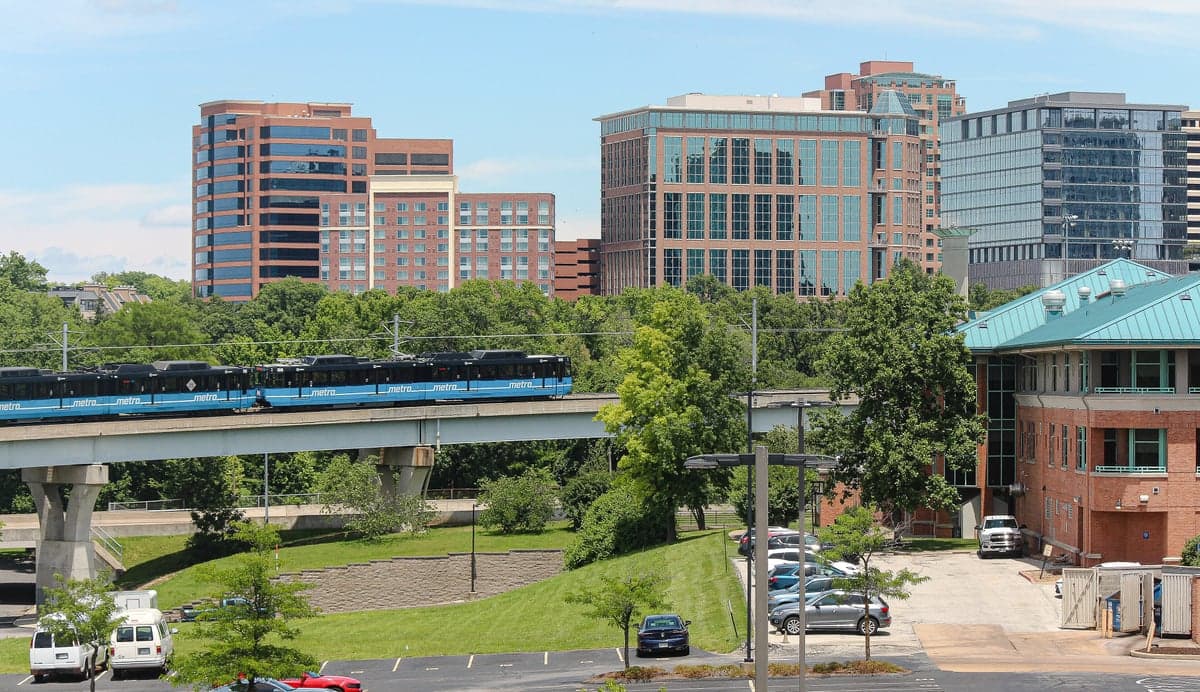
Photo: Wikipedia
Quality of Life in St Louis County
A livable area that tracks near national norms for affordability, walkability, and neighborhood health.
What does Quality of Life tell us?
Quality of Life measures an area by evaluating factors like cost of living, nearby amenities, country club access, airport proximity, socioeconomic signals and neighborhood character. For large states, this is a general average — quality of life can vary dramatically between metro areas, suburbs, and rural communities within the same state.
What does this tell us?
Quality of Life measures an area by evaluating factors like cost of living, nearby amenities, country club access, airport proximity, socioeconomic signals and neighborhood character. For large states, this is a general average — quality of life can vary dramatically between metro areas, suburbs, and rural communities within the same state.
Cost of Living
3% below national average
109%
The Real Cost of Living in St Louis County for 2026
| Tier | Individual | Family (4) |
|---|---|---|
| Survival | $19k | $35k |
| Comfortable | $51k | $74k |
| Luxury | $147k+ | $228k+ |
| Elite (Top 5%) | $209k+ | $324k+ |
Quality-of-Life Analysis
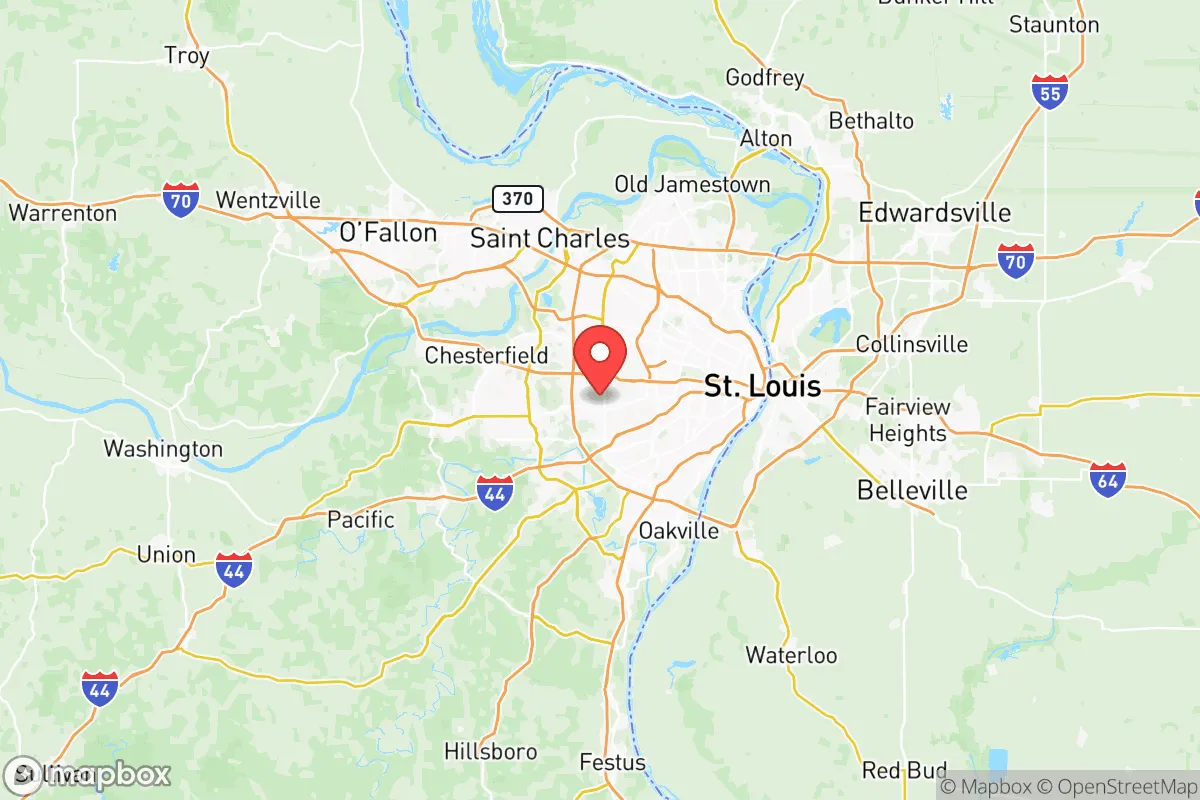
St. Louis County, Missouri, offers a remarkably broad quality-of-life spectrum, from dense, amenity-rich inner-ring suburbs to quiet, semi-rural townships, all within a single county. The county’s character shifts noticeably as you move outward from the City of St. Louis border, attracting young professionals and families seeking walkable urbanism in places like Clayton and University City, while drawing those who want more land and lower taxes to communities like Eureka and unincorporated areas near the Meramec River. With a cost of living index of 97 (below the national average of 100), a median home value of $260,700, and a median rent of $1,164, the county provides a financially accessible entry point to a major metro area, though the experience of daily life varies dramatically depending on which of the county’s 88 municipalities you choose.
Largest town(s) & population centers
The county’s largest population centers are not a single city but a constellation of distinct municipalities. Clayton, the county seat, functions as the region’s legal and financial hub, with a dense, walkable downtown of high-rise offices, upscale restaurants, and the St. Louis County Courthouse. Daily life here is urban and fast-paced, with a median home value well above the county average and a commute that often involves walking or a short drive. Florissant, the county’s most populous city (over 50,000 residents), offers a starkly different experience: a sprawling, car-dependent suburb with large subdivisions, big-box retail, and a strong sense of family-oriented community. University City (the “U. City”) provides a more eclectic, progressive vibe, anchored by the Delmar Loop entertainment district and a mix of historic homes and student rentals near Washington University. Chesterfield, in the western part of the county, is a major employment center with corporate campuses and the Chesterfield Valley retail corridor, appealing to professionals who prioritize modern amenities and top-rated schools. The average commute across the county is 23.3 minutes, a figure that masks the 15-minute drives common in Clayton versus the 30+ minute commutes from far-west suburbs like Wildwood.
Smaller towns & rural pockets
Beyond the major centers, St. Louis County contains genuine small-town and rural pockets that feel disconnected from the metro area’s sprawl. Eureka, in the far southwest, is a classic small town with a historic Main Street, the Six Flags St. Louis amusement park, and direct access to the Meramec River and Route 66 State Park. Its population of roughly 12,000 belies a semi-rural character, with many homes on acreage. Pacific, straddling the county line, retains a working-class, railroad-town feel. West Alton, near the confluence of the Missouri and Mississippi Rivers, is a tiny, unincorporated farming community with fewer than 500 residents, offering a lifestyle defined by floodplains, open fields, and extreme quiet. Glencoe and Franklin County border areas like Grover are unincorporated zones where horse farms and wooded lots are common, and residents often commute 35-40 minutes to jobs in Clayton or Chesterfield. These areas lack municipal services like public water or sewer, but offer lower property taxes and a pace of life that is distinctly non-suburban.
Cost & lifestyle range
The cost of living and lifestyle options span a wide range within the county. At the high end, Ladue and Frontenac are among the wealthiest enclaves in Missouri, with median home values exceeding $800,000, large estates, and exclusive private schools. Clayton also commands a premium, with a median home value near $500,000 and a walkable urban lifestyle. At the affordable end, Jennings and Wellston have median home values below $100,000, offering entry-level homeownership but also facing challenges with aging infrastructure and higher crime rates. Overland and St. Ann provide modest, post-war ranch homes in the $150,000–$200,000 range, appealing to first-time buyers and retirees. The county’s overall median rent of $1,164 is significantly lower than the national median, making it possible to rent a two-bedroom apartment in areas like Bridgeton or Hazelwood for under $1,000. Amenities also vary: Ladue residents have country clubs and boutique shopping, while rural Eureka residents have the Meramec River for kayaking and hiking, and inner-ring suburbs like Maplewood offer a hip, walkable main street with local breweries and vintage shops.
St. Louis County is best suited for people who want the economic and cultural opportunities of a major metro area—Fortune 500 employers, world-class medical care, professional sports—without the high cost of coastal cities. It works well for families who prioritize school districts (Clayton, Ladue, Parkway, Rockwood are top-rated), for young professionals who want a walkable urban core in Clayton or U. City, and for those who crave rural acreage within commuting distance of a downtown. The county’s diversity of municipalities means that a buyer or renter can find a home that matches their budget and lifestyle, from a $90,000 fixer-upper in Jennings to a $1.2 million estate in Ladue, all within a 30-minute drive of each other. The trade-off is that the county’s fragmented governance—88 separate cities and towns—can mean uneven services, from excellent police and snow removal in wealthier suburbs to strained resources in older, poorer ones. For those who understand this patchwork, St. Louis County offers a uniquely flexible and affordable quality of life.

Crime in St Louis County
Higher crime rates than 57% of comparable U.S. locations.
Violent CrimeViolent Crime Analysis
Property CrimeProperty Crime Analysis
Crime Analysis
St Louis County, Missouri, presents a mixed safety picture: its overall violent crime rate of 413.1 per 100,000 residents is substantially higher than the national average, while property crime at 1,644.4 per 100,000 also exceeds typical U.S. figures. The county’s 88 municipalities and unincorporated areas create stark contrasts, with crime concentrated in certain inner-ring suburbs and along major corridors, while outer-ring communities remain comparatively safer. Residents and prospective movers should understand that the county’s justice system, influenced by progressive prosecutorial policies in St Louis City and some county districts, has contributed to recidivism and a perception of leniency that directly impacts public safety.
Crime in context
St Louis County’s violent crime rate of 413.1 per 100,000 is roughly 18% higher than the Missouri state average (about 350 per 100,000) and nearly double the national rate of approximately 380 per 100,000. Property crime at 1,644.4 per 100,000 is significantly elevated compared to the national average of around 1,950 per 100,000, though it aligns closely with Missouri’s statewide property crime rate. These figures place St Louis County among the higher-crime jurisdictions in the Midwest, though the data masks wide internal variation. For context, the city of St Louis itself reports violent crime rates exceeding 1,800 per 100,000, which skews regional perceptions, but county-level numbers remain concerning for families and businesses evaluating relocation.
What residents experience
Daily life in St Louis County varies dramatically by location. In communities like University City, Jennings, and Pine Lawn, residents report frequent property crimes—burglaries, vehicle break-ins, and thefts—along with periodic violent incidents including aggravated assaults and robberies. These areas, often with higher poverty rates and less robust police presence, see crime spillover from adjacent St Louis City. Conversely, suburbs such as Clayton, Chesterfield, and Wildwood maintain violent crime rates well below the county average, often under 150 per 100,000, thanks to higher property values, better-funded police departments, and more conservative local governance. The county’s prosecutorial environment is a key concern: the St Louis County Prosecuting Attorney’s office, under progressive leadership, has implemented diversion programs and reduced bail requirements for nonviolent offenders, which critics argue has led to repeat property crimes and a revolving-door justice system that prioritizes offender rehabilitation over victim protection. Residents in affected areas frequently express frustration that car thefts and home burglaries are treated as low-priority, emboldening criminals.
Neighborhood-level variation is extreme. The county’s north-south divide is pronounced: northern suburbs like Ferguson and Spanish Lake experience violent crime rates exceeding 600 per 100,000, while southern and western suburbs like Kirkwood and Ballwin report rates below 200 per 100,000. Property crime follows a similar pattern, with high-density, lower-income areas near interstates and commercial corridors suffering disproportionately. For those considering relocation, focusing on specific municipalities rather than the county as a whole is essential. Safer enclaves typically have their own police forces, stricter code enforcement, and less tolerance for progressive criminal justice experiments. The county’s overall safety trajectory depends heavily on whether future prosecutorial policies shift toward accountability for repeat offenders, which would directly reduce the number of criminals on the street and improve outcomes for victims and the general public.
* Values derived from national, state, county, city and local statistics and may differ in a specific area. Last updated: 2026-05-12T04:38:01.000Z
Narrative content on this page is AI-generated and may contain mistakes. Verify any details that matter before acting on them.
ReloMaps may earn a commission from affiliate links at no extra cost to you.

