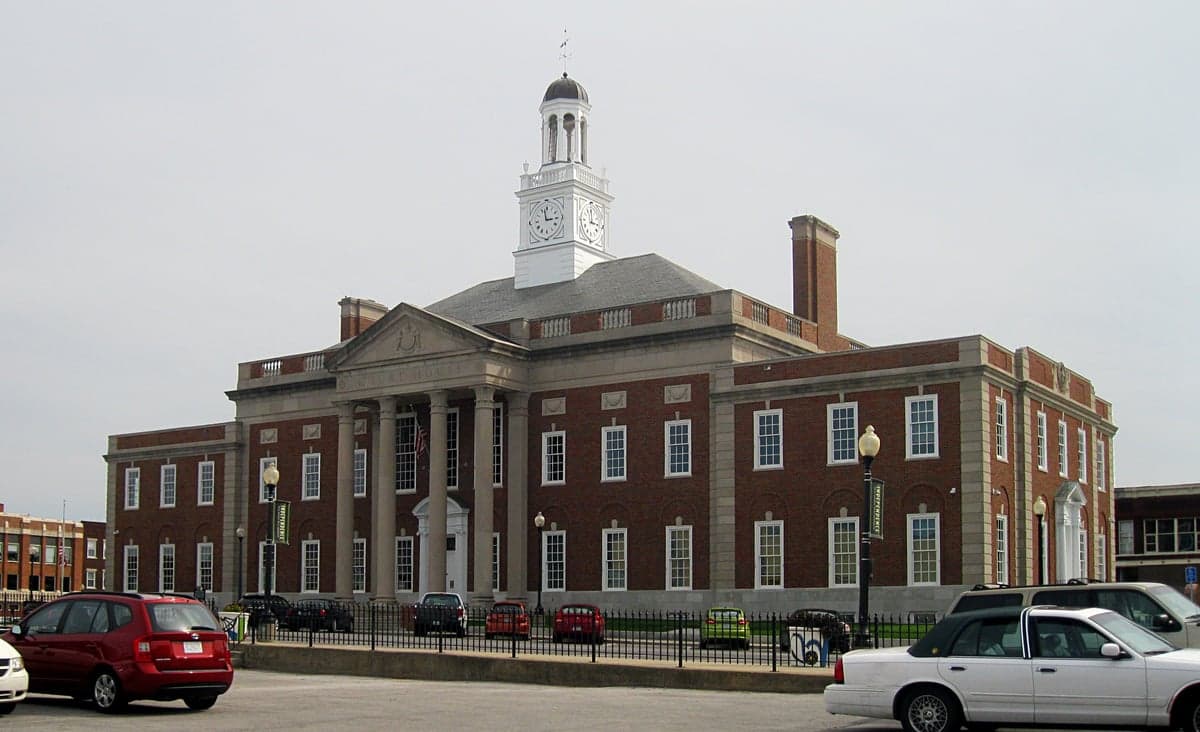
Photo: Wikipedia
Quality of Life in Jackson County
A livable area that tracks near national norms for affordability, walkability, and neighborhood health.
What does Quality of Life tell us?
Quality of Life measures an area by evaluating factors like cost of living, nearby amenities, country club access, airport proximity, socioeconomic signals and neighborhood character. For large states, this is a general average — quality of life can vary dramatically between metro areas, suburbs, and rural communities within the same state.
What does this tell us?
Quality of Life measures an area by evaluating factors like cost of living, nearby amenities, country club access, airport proximity, socioeconomic signals and neighborhood character. For large states, this is a general average — quality of life can vary dramatically between metro areas, suburbs, and rural communities within the same state.
Cost of Living
10% below national average
110%
The Real Cost of Living in Jackson County for 2026
| Tier | Individual | Family (4) |
|---|---|---|
| Survival | $18k | $35k |
| Comfortable | $41k | $61k |
| Luxury | $121k+ | $188k+ |
| Elite (Top 5%) | $142k+ | $221k+ |
Quality-of-Life Analysis
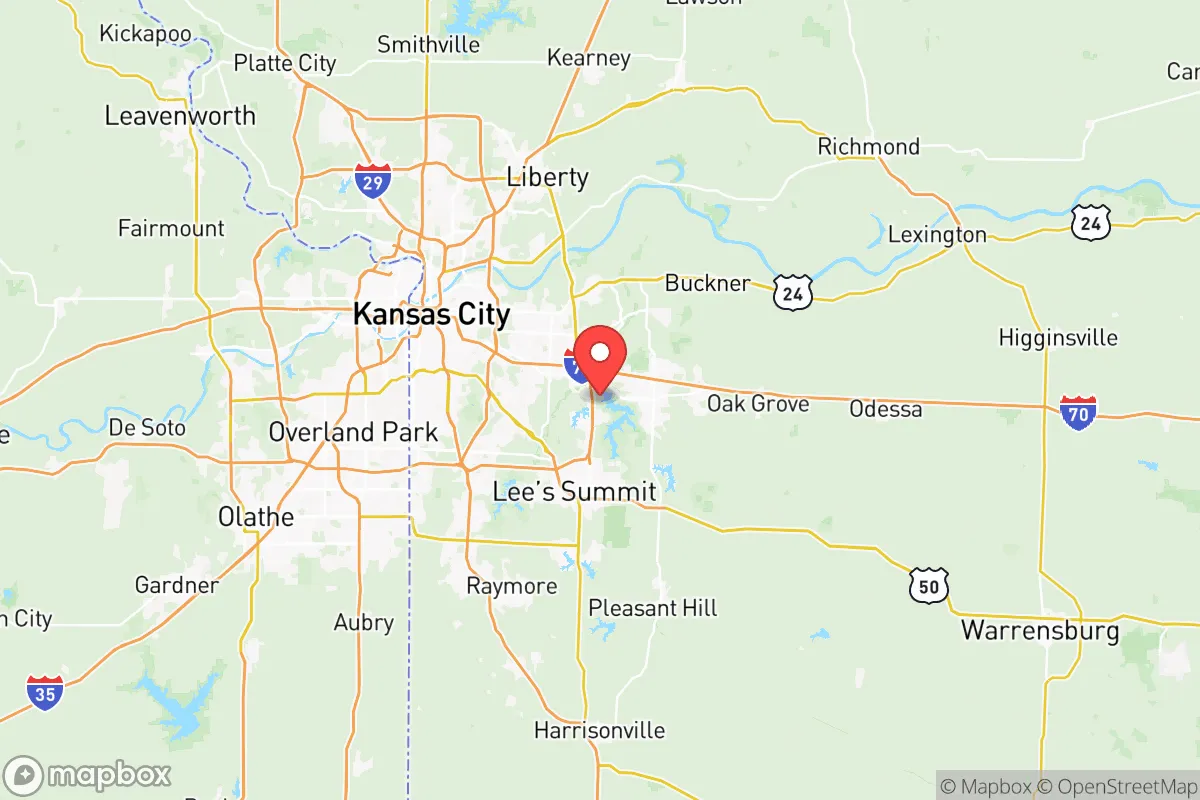
Jackson County, Missouri, offers a broad quality-of-life spectrum that ranges from the dense, amenity-rich urban core of Kansas City to quiet, unincorporated rural stretches near the county line. This diversity draws a wide mix of residents: young professionals and creatives gravitate toward the walkable neighborhoods and nightlife of the city’s east side, while families and retirees often seek out the slower pace and lower housing costs of smaller towns like Grain Valley or Oak Grove. The county’s overall cost of living index sits at 90 (100 is the U.S. average), with a median home value of $213,300 and median rent of $1,151, making it more affordable than the national norm while still offering distinct lifestyle tiers.
Largest town(s) & population centers
The dominant population center is Kansas City, which occupies the western half of the county and is home to roughly 475,000 residents within Jackson County’s borders. Daily life here is defined by a dense mix of employment hubs, cultural institutions, and entertainment districts. The Country Club Plaza and the Crossroads Arts District offer high-end shopping, galleries, and dining, while the historic 18th & Vine district anchors jazz heritage and the Negro Leagues Baseball Museum. Commute times average 23.4 minutes countywide, but residents in central Kansas City often enjoy shorter trips to downtown offices, hospitals (like Truman Medical Center), and the University of Missouri–Kansas City. Independence, the county’s second-largest city with about 120,000 residents, offers a more suburban feel with a strong historic identity tied to the Truman Presidential Library and the Santa Fe Trail. Its housing stock is older and more affordable than Kansas City’s core, with many mid-century ranch homes and tree-lined streets. Lee’s Summit (pop. ~100,000) rounds out the major centers, known for its highly rated public schools, large corporate employers like Cerner, and a growing downtown with breweries and a farmer’s market. These three cities form the county’s economic and social backbone, each catering to a slightly different lifestyle: urban energy in Kansas City, historic suburbia in Independence, and modern family-oriented growth in Lee’s Summit.
Smaller towns & rural pockets
Outside the major cities, Jackson County contains several smaller communities that offer a markedly different pace. Grain Valley (pop. ~15,000) sits along I-70 east of Independence and has seen rapid residential development, but retains a small-town feel with its annual Grain Valley Fair and local sports leagues. Oak Grove (pop. ~8,000) is farther east, closer to the Lafayette County line, and feels distinctly rural—many residents live on acreage, and the town’s main street has a handful of family-owned diners and hardware stores. Buckner (pop. ~3,000) and Sibley (unincorporated, pop. ~350) are even smaller, with Buckner offering a quiet bedroom-community vibe and Sibley serving as a gateway to the Missouri River bottoms and the Fort Osage historic site. These areas lack the retail density of Lee’s Summit or Kansas City, but they provide lower home prices (often under $200,000) and direct access to farmland, hunting land, and the Missouri River. For residents who want a rural address within 30 minutes of downtown Kansas City, these pockets are the primary draw.
Cost & lifestyle range
The cost-of-life spread across Jackson County is significant. At the high end, Lee’s Summit and the Brookside/Waldo neighborhoods of Kansas City command median home values above $300,000, with newer subdivisions and renovated bungalows driving prices. Rent in these areas often exceeds $1,400 for a two-bedroom. At the low end, Independence’s older eastern neighborhoods and Grain Valley’s entry-level subdivisions offer median home values near $180,000, while Buckner and Oak Grove can see homes under $150,000. Renters in these cheaper areas typically pay $900–$1,000 for a two-bedroom. Amenities follow the same gradient: Lee’s Summit has a full-service hospital, multiple grocery chains, and a performing arts center; Oak Grove has a single grocery store and a volunteer fire department. Commute times also vary—residents in Buckner or Sibley often face 30–40 minute drives to downtown Kansas City, while those in central Kansas City may commute under 15 minutes.
Jackson County works best for people who value choice and trade-offs. Urbanites who want walkable nightlife and cultural density will find it in Kansas City’s core. Families who prioritize schools and newer housing will lean toward Lee’s Summit or Grain Valley. Those seeking the lowest cost of entry and a rural lifestyle will settle in Oak Grove or Buckner. The county’s 23-minute average commute and below-average cost of living make it feasible to live in a small town while working in a big city—a balance that few metro areas offer so cleanly.

Crime in Jackson County
Higher crime rates than 57% of comparable U.S. locations.
Violent CrimeViolent Crime Analysis
Property CrimeProperty Crime Analysis
Crime Analysis
Jackson County, Missouri, reports a violent crime rate of 415.5 per 100,000 residents and a property crime rate of 1,652.3 per 100,000, placing it above both the Missouri state average and national benchmarks. The county's safety picture is heavily shaped by the contrast between its urban core—Kansas City—and its more suburban and rural communities like Lee's Summit, Blue Springs, and Independence. While property crime is the more prevalent concern across the county, violent crime is concentrated in specific neighborhoods and is influenced by local prosecutorial policies that prioritize progressive reform over public safety.
Crime in context
Jackson County's violent crime rate of 415.5 per 100,000 is roughly 20% higher than the national average of approximately 380 per 100,000, though it sits below the Missouri state average of 540 per 100,000. Property crime at 1,652.3 per 100,000 is significantly elevated—about 40% above the national rate of 1,180 per 100,000—and is a persistent concern for residents and businesses alike. These figures are heavily weighted by Kansas City, which accounts for the majority of the county's population and crime incidents. By contrast, Lee's Summit and Blue Springs report violent crime rates roughly half the county average, while Independence falls closer to the county mean but still above national norms. The county's overall numbers obscure these sharp internal disparities, making it essential to evaluate crime at the city or neighborhood level.
What residents experience
Residents in Jackson County face a two-tiered safety reality. In Kansas City, property crimes like vehicle theft and burglary are common, with many neighborhoods experiencing break-ins and stolen vehicles as a routine hazard. The city's progressive prosecutor, Jean Peters Baker, has implemented policies such as declining to prosecute certain low-level property offenses and reducing cash bail, which critics argue has led to repeat offenders cycling back onto the streets without accountability. This approach, while intended to reduce incarceration, has frustrated victims and business owners who see the same individuals committing crimes repeatedly. In contrast, Lee's Summit and Blue Springs maintain more traditional law enforcement and prosecutorial practices, resulting in lower recidivism and a stronger sense of public safety. Independence, with its own police department and municipal court, occupies a middle ground—property crime is a concern, but violent crime is less pervasive than in Kansas City's urban core.
Neighborhood-level variation
The safest areas within Jackson County are the suburban cities of Lee's Summit and Blue Springs, where violent crime rates fall below 200 per 100,000 and property crime is roughly half the county average. These communities benefit from well-funded police departments, active neighborhood watch programs, and local prosecutors who prioritize victim rights and public safety. Independence sees moderate crime levels, with property crime as the primary issue, particularly in areas near I-70 and the historic square. The highest crime concentrations are in Kansas City's urban core, especially east of Troost Avenue and in the neighborhoods around 18th and Vine, where violent crime rates can exceed 1,000 per 100,000. Raytown and Grandview also report elevated property crime rates, though violent crime remains lower than in Kansas City. For those considering relocation, choosing a suburban jurisdiction with a conservative or moderate prosecutorial philosophy is a key factor in ensuring a safer daily experience.
* Values derived from national, state, county, city and local statistics and may differ in a specific area. Last updated: 2026-05-28T12:11:10.000Z
Narrative content on this page is AI-generated and may contain mistakes. Verify any details that matter before acting on them.
ReloMaps may earn a commission from affiliate links at no extra cost to you.

