
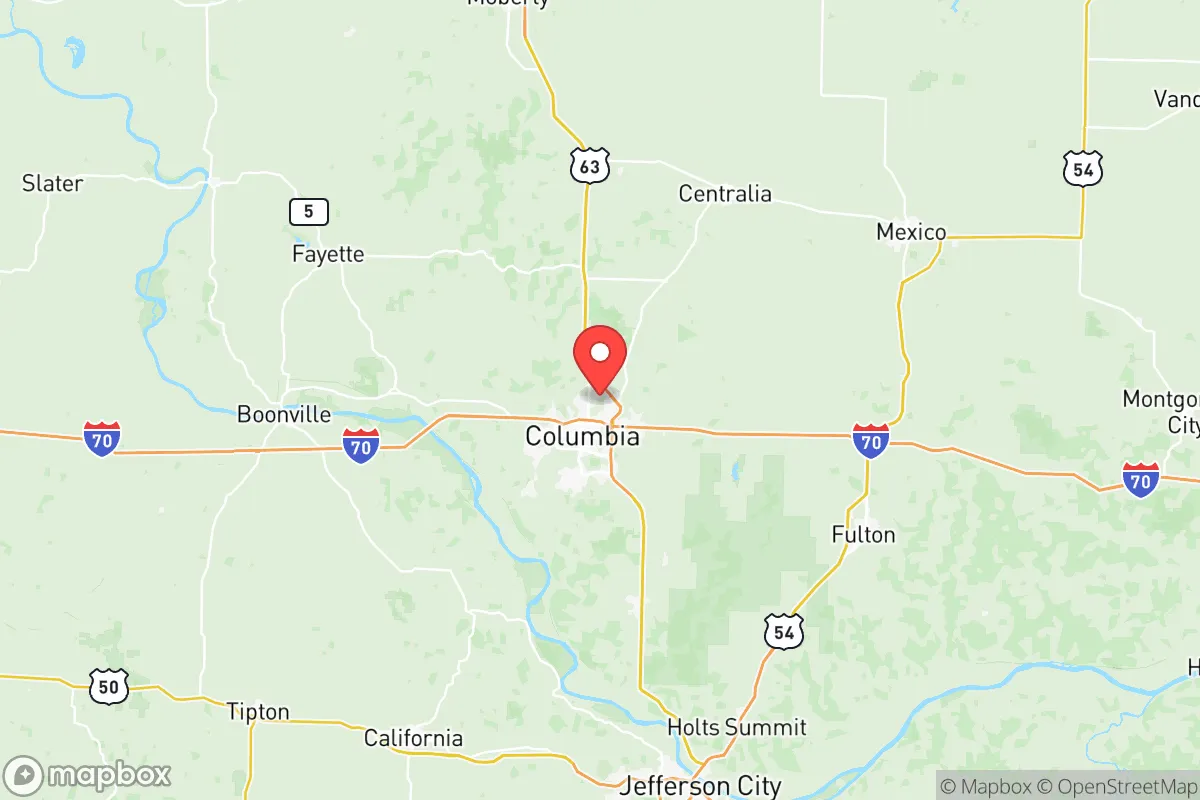
Photo: Wikipedia
Quality of Life in Boone County
A livable area that tracks near national norms for affordability, walkability, and neighborhood health.
What does Quality of Life tell us?
Quality of Life measures an area by evaluating factors like cost of living, nearby amenities, country club access, airport proximity, socioeconomic signals and neighborhood character. For large states, this is a general average — quality of life can vary dramatically between metro areas, suburbs, and rural communities within the same state.
What does this tell us?
Quality of Life measures an area by evaluating factors like cost of living, nearby amenities, country club access, airport proximity, socioeconomic signals and neighborhood character. For large states, this is a general average — quality of life can vary dramatically between metro areas, suburbs, and rural communities within the same state.
Cost of Living
9% below national average
96%
The Real Cost of Living in Boone County for 2026
| Tier | Individual | Family (4) |
|---|---|---|
| Survival | $17k | $32k |
| Comfortable | $49k | $73k |
| Luxury | $126k+ | $196k+ |
| Elite (Top 5%) | $155k+ | $241k+ |
Quality-of-Life Analysis
Boone County, Missouri offers a broad quality-of-life spectrum that ranges from the college-town energy and urban amenities of Columbia to the quiet, rural rhythms of communities like Hallsville and Sturgeon. With a cost of living index of 91 (well below the national average of 100), the county attracts a diverse mix of University of Missouri students and faculty, remote workers seeking affordable housing, and families looking for small-town schools with big-city proximity. The county’s character shifts noticeably as you move from its central population hub outward, creating distinct lifestyle options within a 20-minute drive.
Largest town(s) & population centers
Columbia is Boone County’s undisputed anchor, home to roughly 130,000 residents and the University of Missouri. Daily life here revolves around a walkable downtown with local restaurants, live music venues, and the sprawling MU campus. The city offers robust public transit, a strong job market anchored by education and healthcare (including MU Health Care and Boone Hospital), and a median home value of $254,100 that is notably affordable compared to other college towns like Iowa City or Lawrence. The median rent of $1,060 reinforces Columbia’s appeal to students and young professionals. The average commute of just under 19 minutes is a standout advantage, allowing residents to live in quieter neighborhoods like the Benton-Stephens or East Campus areas while still reaching work or school quickly. Columbia’s cultural amenities—from the Missouri Theatre to the annual Roots N Blues Festival—make it the county’s primary draw for those seeking an active, walkable urban lifestyle.
Smaller towns & rural pockets
Outside Columbia, Boone County’s smaller communities offer a markedly different pace. Ashland (population ~4,500) sits along I-70 and has grown as a commuter town, with new subdivisions and a historic Main Street. Hallsville (population ~1,200) is a classic rural crossroads with a strong school district and a tight-knit community feel, popular with families who want land without being isolated. Sturgeon (population ~900) retains a quiet, agricultural character with a grain elevator and a handful of local businesses. Harrisburg (population ~300) and Rocheport (population ~250) are even smaller; Rocheport is notable for its scenic Katy Trail access and historic bed-and-breakfasts, drawing tourists and retirees. Unincorporated areas like Pierpont and Hinton consist largely of farmland and scattered homes, offering true rural seclusion. These communities lack Columbia’s nightlife and shopping but provide lower housing costs, larger lots, and a slower pace that appeals to those prioritizing space and quiet over convenience.
Cost & lifestyle range
The cost-of-living spread across Boone County is significant. At the high end, Columbia’s newer subdivisions—such as those near the Forum Boulevard corridor or the Grindstone Parkway area—see home values pushing $350,000–$450,000, though the countywide median of $254,100 keeps most options accessible. Renters in Columbia pay a median of $1,060, but studio apartments near campus can exceed $1,200. At the low end, rural areas like Sturgeon and Harrisburg offer homes for under $200,000, with some fixer-uppers below $150,000. Property taxes remain low countywide (around 0.8% of assessed value), and the absence of a city earnings tax in smaller towns further reduces the cost burden. Lifestyle trade-offs are clear: Columbia residents pay more for housing but gain walkability, dining, and entertainment; rural residents pay less but face longer drives to grocery stores and medical care. The average commute of 18.7 minutes reflects how quickly the landscape shifts—a resident in Hallsville can be in downtown Columbia in under 15 minutes, while someone in Pierpont might take 25 minutes to reach the nearest Walmart.
Boone County works best for those who value choice and proximity. Young professionals and academics thrive in Columbia’s dense, amenity-rich core. Families and retirees often prefer Ashland or Hallsville for their schools and community feel. Remote workers and farmers find affordable land in Sturgeon or the unincorporated areas. The county’s strength lies in offering a genuine rural-to-urban gradient within a short commute, making it one of Missouri’s most versatile places to live for people at different life stages and with different priorities.

Crime in Boone County
Higher crime rates than 57% of comparable U.S. locations.
Violent CrimeViolent Crime Analysis
Property CrimeProperty Crime Analysis
Crime Analysis
Boone County, Missouri, presents a mixed safety picture. The county’s overall violent crime rate of 415.5 per 100,000 residents is notably higher than the national average, while its property crime rate of 1,652.3 per 100,000 sits slightly below the U.S. median. However, these countywide figures mask sharp contrasts between the urban core of Columbia and the quieter, more rural towns like Ashland, Centralia, and Hallsville, where crime is far less frequent. The most significant factor influencing public safety is the progressive criminal justice philosophy of the Boone County Prosecutor's Office and the local judiciary, which has led to a pattern of reduced incarceration and lenient sentencing that many residents and victims find deeply concerning.
Crime in context
Boone County’s violent crime rate of 415.5 per 100,000 is roughly 15% higher than the national average and significantly exceeds the Missouri state rate of approximately 340 per 100,000. Property crime, at 1,652.3 per 100,000, is about 10% lower than the national average but still a persistent concern. The disparity is driven almost entirely by Columbia, the county seat and home to the University of Missouri. Columbia accounts for the vast majority of reported incidents, with neighborhoods near the university campus and the downtown entertainment district seeing the highest concentrations of theft, assault, and drug-related offenses. In contrast, the smaller towns of Ashland (pop. ~2,000) and Centralia (pop. ~4,200) report violent crime rates that are a fraction of the county average, often below 100 per 100,000. Hallsville and Sturgeon are similarly quiet, with property crime largely limited to occasional vehicle break-ins.
What residents experience
For residents of Columbia, the most immediate safety concern is the rising number of aggravated assaults and car break-ins, particularly in the central city and along the Business Loop 70 corridor. The progressive policies of the Boone County Prosecutor's Office, which has emphasized diversion programs and reduced jail time for non-violent offenders, have been criticized by law enforcement for contributing to a revolving-door effect. Repeat property offenders are frequently released without cash bail, and drug-related crimes often result in probation rather than incarceration. This approach, while intended to reduce mass incarceration, has led to a tangible increase in street-level crime and a sense of impunity among some offenders. Victims of theft or vandalism in Columbia frequently report that police are unable to make arrests because suspects are quickly back on the street. In Ashland and Centralia, residents experience a more traditional small-town safety dynamic, where neighbors know each other and police response times are short, but the threat of spillover crime from Columbia remains a concern.
Neighborhood-level variation
Safety in Boone County varies dramatically by location. The safest areas are the outer-ring towns and rural subdivisions: Ashland, Hallsville, and the southern part of the county near the Callaway County line consistently report the lowest crime rates. Within Columbia, the southwest neighborhoods (near Rock Bridge High School) and the far north side (near the Columbia Regional Airport) are significantly safer than the central city. The highest-risk zones are the downtown Columbia entertainment district, the area around the University of Missouri campus, and the northeastern neighborhoods near the Business Loop. Residents considering a move to Boone County should prioritize the smaller towns or the outer edges of Columbia if safety is a primary concern. The progressive judicial environment in Columbia means that even in safer neighborhoods, residents must remain vigilant about property crime and occasional violent incidents, as the justice system’s leniency reduces deterrence for would-be offenders.
* Values derived from national, state, county, city and local statistics and may differ in a specific area. Last updated: 2026-06-01T04:47:28.000Z
Narrative content on this page is AI-generated and may contain mistakes. Verify any details that matter before acting on them.
ReloMaps may earn a commission from affiliate links at no extra cost to you.

